

Repellents & Training Aids for Cats
Compare cat repellents and training aids by their intended use, application method, coverage, and safety considerations for your home or outdoor space.
68 products in catalog
68 results
Filters


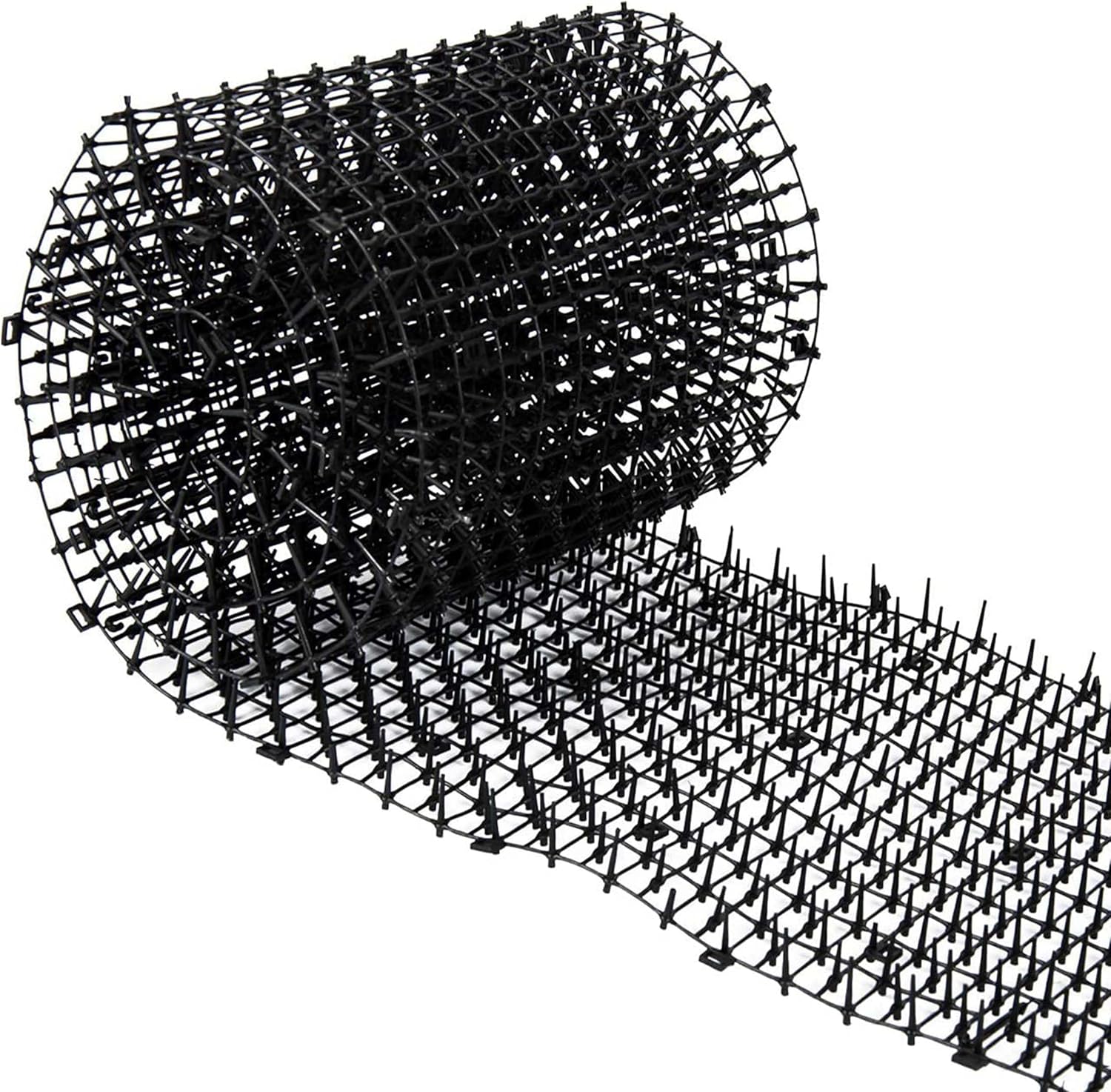

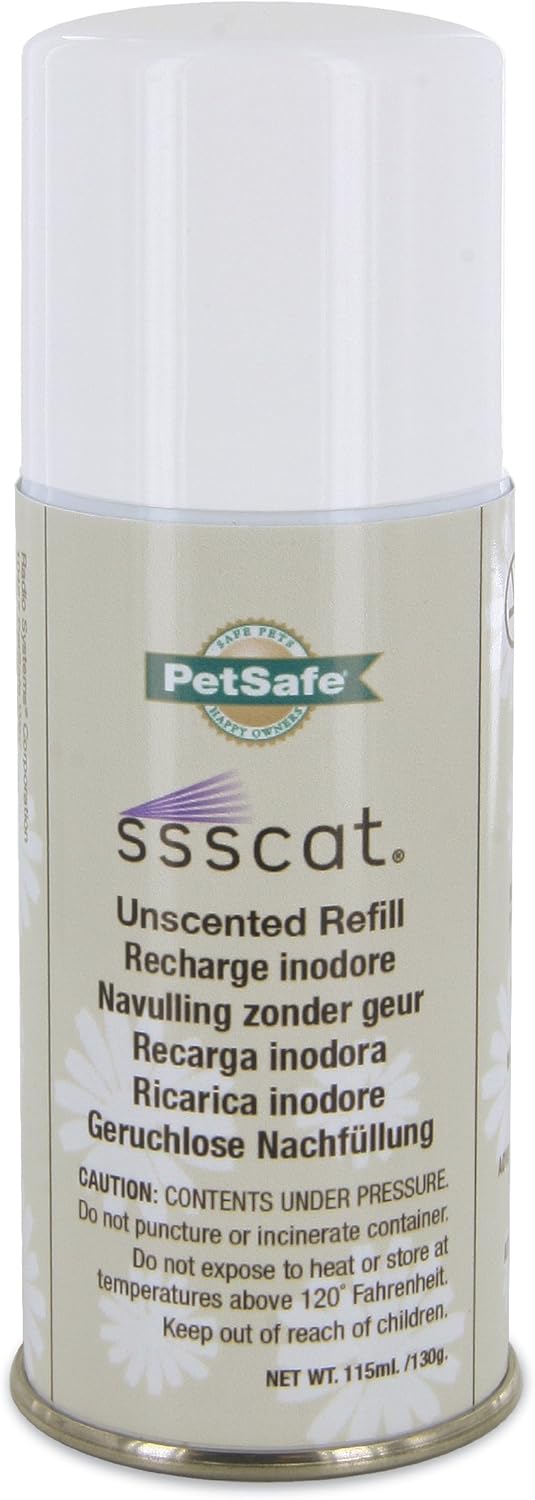


Mardili
Mardili Cat&Dog reppllent Outdoor/Indoor Spike scat mat, Garden Scat Mats,Set of 8
See current price


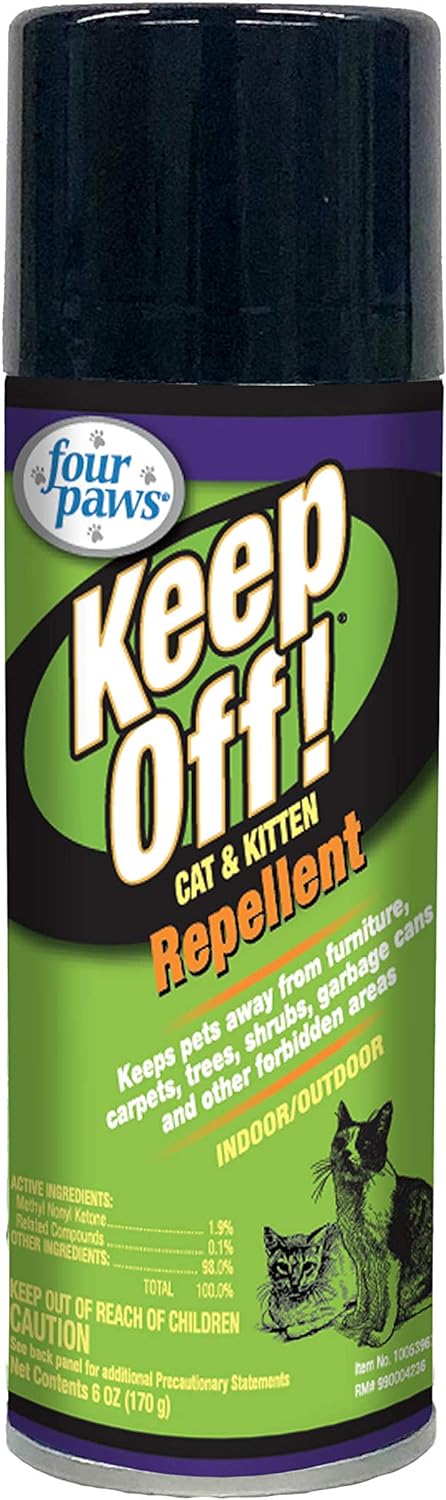
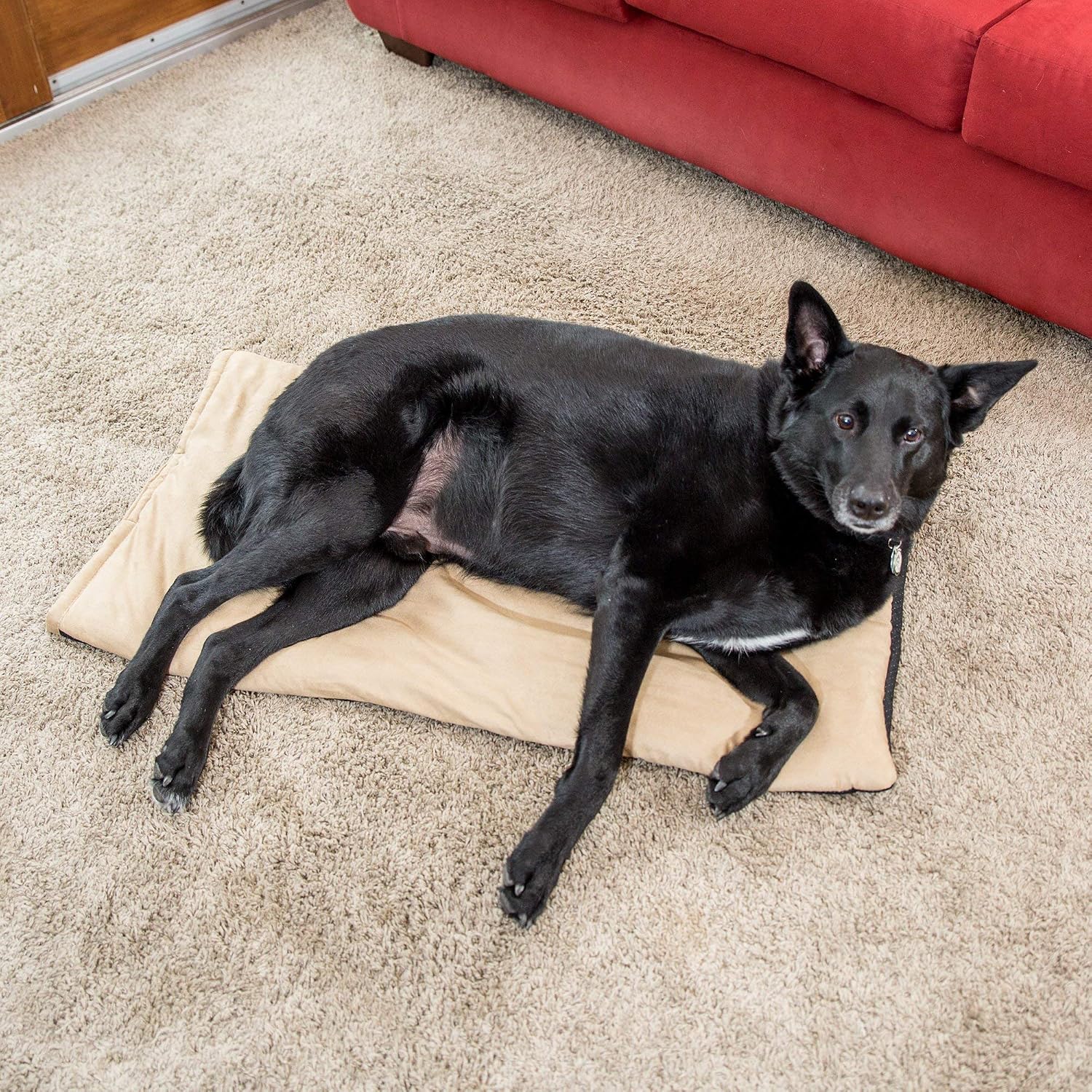

Popular brands in Repellents & Training Aids
Cat repellents and training aids can help redirect unwanted scratching, climbing, marking, or access to specific areas. The right choice depends on the behavior you want to discourage, where it occurs, and whether you prefer a passive product, an applied deterrent, or an electronic aid.
Use this category to compare product specifications and features, then check the manufacturer’s directions for setup, placement, and safe use. For broader cat-care needs, browse Cats and related categories such as Litter & Housebreaking.
How to choose a cat repellent or training aid
Start with the location and the behavior. A product intended for furniture may not be suitable for a garden, doorway, countertop, or another outdoor area. Consider whether the goal is to protect a particular surface, keep a cat away from a zone, or encourage a different routine.
Important questions include:
- Is the product designed for indoor use, outdoor use, or both?
- Does it deter through scent, texture, sound, motion, or another method?
- Is it intended for a single target area or broader coverage?
- Will it need refills, batteries, charging, cleaning, or repositioning?
- Could children, other pets, or visitors come into contact with it?
If a cat suddenly develops a new behavior, especially elimination outside the litter box, a training aid should not replace attention to possible medical, environmental, or household causes.
Common types and uses
Scent-based repellents are applied to or placed near an area a cat should avoid. Compare the stated surface compatibility, application method, reapplication guidance, and whether the product is intended for indoor or outdoor settings. Test directions carefully before applying anything to delicate or finished materials.
Motion-activated deterrents respond when movement is detected in a designated area. These may suit entry points, counters, furniture, or outdoor spaces where a passive product is inconvenient. Compare detection range, adjustable settings, power source, weather suitability, and how easily the unit can be positioned.
Physical or texture-based barriers make a surface less appealing without relying on a spray or electronic component. These can be useful for protecting a specific spot, but shoppers should compare dimensions, attachment method, surface compatibility, and whether the barrier can be removed without damage.
Training aids and behavior tools are intended to support redirection and consistent routines. They work best when paired with an acceptable alternative, such as a scratching surface, resting place, play area, or properly positioned litter setup. Related options may be found in Beds & Furniture and Toys.
Features and specifications to compare
Product details can vary substantially even when two items serve a similar purpose. Pay particular attention to:
- Format: spray, granules, mat, device, tape, or another design
- Coverage and placement: the area addressed and how the product is installed or applied
- Power requirements: batteries, a plug-in connection, solar charging, or no power
- Durability: resistance to weather, moisture, scratching, or repeated handling
- Maintenance: refills, cleaning, battery replacement, or periodic repositioning
- Material and formula information: ingredients, construction materials, and surface warnings
- Compatibility: suitability for cats, multi-pet homes, children, plants, flooring, furniture, and outdoor areas
A product that is convenient to use is more likely to fit a consistent training routine. Compare setup instructions and ongoing care requirements, not just the stated purpose.
Safe and consistent use
Read the complete label or instruction guide before use. Apply or position the product only as directed, and keep deterrents away from food and water areas unless the instructions specifically say otherwise. Avoid placing devices where a cat could chew cords, knock over the unit, or become trapped.
Use a clear alternative whenever possible. For example, protect an unwanted scratching location while making an approved scratching surface easy to reach. Observe how the cat responds and adjust placement if the product causes excessive fear, distress, or avoidance of essential resources. Never use a deterrent as a substitute for veterinary guidance when behavior may indicate pain or illness.
You can also review Feeding & Watering Supplies for resource placement and Collars, Harnesses & Leashes when comparing other cat-management equipment.
Brands represented in the catalog
The catalog includes products from PetSafe, Homarden, Hywean, OCEANPAX, Toopify, Colton's Naturals, Pet MasterMind, Harbor's Pet Products, Aeridok, Four Paws, Nature's Miracle, and PARAMOUNT CHEMICAL SPECIALTIES, INC. Compare each listing’s stated purpose, specifications, instructions, and compatibility rather than relying on brand name alone.
For related everyday care products, browse Food alongside deterrents and training aids.
Frequently asked questions
What is the best type of repellent for cats?
The suitable type depends on the location, unwanted behavior, and household constraints. Compare scent, texture, motion, electronic, and physical options by placement, coverage, maintenance, and safety information.
Can cat repellents be used indoors?
Some products are designed for indoor settings, while others are intended for outdoor areas. Check the product’s stated use, surface warnings, ventilation guidance, and placement instructions before using it inside.
How can a training aid support better behavior?
Pair the deterrent with an appealing alternative and use the same routine consistently. Redirecting a cat toward an appropriate scratching, resting, play, or litter area is generally more useful than simply blocking access.
What should be checked before using a spray or granular product?
Review the ingredient information, intended surfaces, application directions, reapplication guidance, and precautions for cats, children, plants, and other pets. Do not use it beyond the labeled purpose.
When should a veterinarian be consulted?
Seek veterinary guidance for sudden behavior changes, repeated house-soiling, signs of discomfort, or persistent problems that do not improve with environmental adjustments. A deterrent may not address an underlying health or stress-related issue.