

Cheese: Types, Formats & Buying Guide
Compare cheese products by style, format, ingredients, and intended use. K-Catalog helps shoppers review specifications across everyday staples, specialty cheeses, and plant-based options.
891 products in catalog
891 results
Filters

Amazon
Amazon Brand - Happy Belly Shredded Mozzarella Cheese, Low Moisture Part-Skim Milk, 32 Ounce
See current price


Amazon.com Services, Inc.
Amazon Brand - Happy Belly Shredded Parmesan Cheese, 6 Ounce
See current price

Sargento Foods
Sargento, Provolone Natural Cheese Slices, 8 oz, 12 count (Pack of 1)
See current price


Kraft US (0044710044602)
Velveeta Original Shells and Cheese Meal (12 oz Boxes, Pack of 3)
See current price


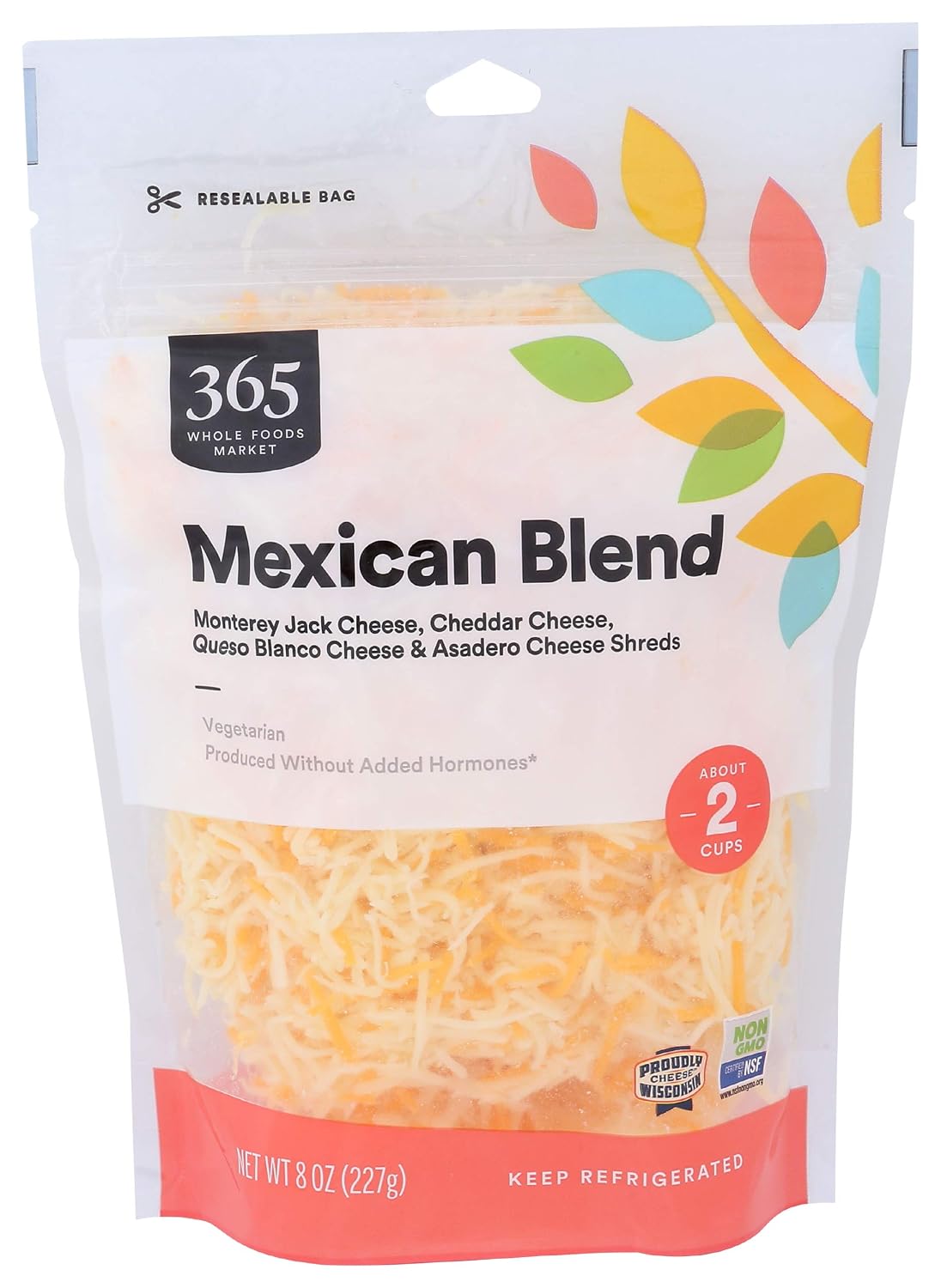


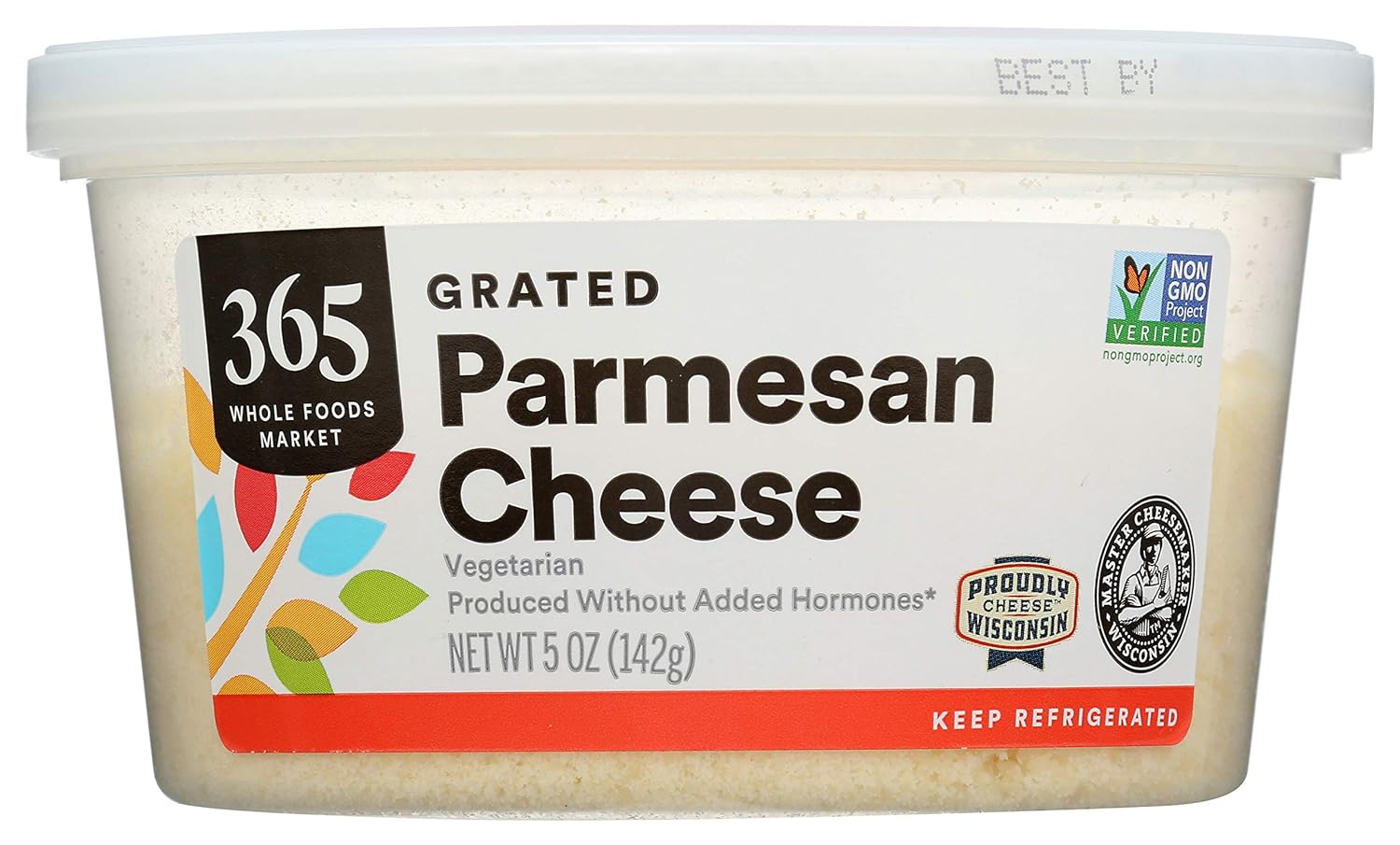

365 By Whole Foods Market
365 by Whole Foods Market, Blend Monterey Jack Cheddar Fancy Shred, 16 Ounce
See current price


Popular brands in Cheese
Cheese can be an everyday sandwich ingredient, a cooking staple, a snack, or the centerpiece of a cheese board. The right choice depends on how you plan to use it, the texture and flavor you prefer, and any dietary or ingredient requirements.
This category sits within Dairy, Eggs & Plant-Based Alternatives, with products suited to different recipes and serving occasions. Use the available specifications to narrow options before visiting Amazon to check the current product details.
How to choose cheese
Start with the intended use. A cheese that melts smoothly may work well for grilled sandwiches, pasta, casseroles, or sauces, while a firmer or more intensely flavored option may be better for slicing, grating, snacking, or serving on a board.
Consider these factors:
- Flavor: Mild cheeses are versatile for family meals, while sharp, tangy, smoky, or aged styles can add more character with less quantity.
- Texture: Choose among soft, creamy, semi-firm, firm, crumbly, or shredded formats according to the recipe and serving method.
- Format: Slices, shreds, blocks, wedges, crumbles, sticks, and spreadable products each offer different levels of convenience.
- Ingredients: Check the ingredient list for milk type, cultures, salt, seasonings, preservatives, and any added flavors.
- Dietary needs: Look for product information relevant to lactose considerations, vegetarian preferences, allergens, and plant-based formulations.
Types and formats to compare
The cheese category includes familiar cooking and snacking styles as well as specialty options. Soft and spreadable cheeses are useful for crackers, dips, breakfast dishes, and sauces. Semi-soft and semi-firm varieties can provide a balance of smooth texture and easy slicing. Firm cheeses are commonly chosen for grating, shaving, sandwiches, or snack boards.
Shredded cheese is convenient for topping and melting, while slices can simplify sandwiches and burgers. Blocks allow shoppers to slice, cube, or grate as needed and may suit households that use cheese in several ways. Crumbles can add texture to salads and bowls, while snack-sized formats are convenient for packed lunches or quick servings.
Plant-based cheese-style products may be an option for shoppers avoiding dairy. Compare their base ingredients, intended use, texture, and melting behavior rather than assuming they will perform exactly like conventional cheese.
Key specifications and features
Product details are especially useful when comparing similar-looking options. Check the stated cheese style, milk source, flavor profile, and whether the product is sliced, shredded, spreadable, or sold as a block.
For cooking, pay attention to descriptions related to melting, browning, shredding, or blending. For snacking and entertaining, serving format, texture, seasoning, and flavor intensity may matter more. Ingredient and allergen information should be reviewed carefully, especially when a product includes flavorings, coatings, or blended ingredients.
Packaging details can also affect selection. Resealable packaging may be useful for gradual use, while individually portioned formats can simplify lunches or snacks. Always confirm the current package information because product formulations and packaging can change.
Brands represented in the catalog
Shoppers can compare cheese products from brands represented in the catalog, including 365 By Whole Foods Market, KraftHeinz, Sargento Foods, Dietz & Watson, Tillamook, Organic Valley, La Bonne Vie, BelGioioso, Lactalis, and RIO BRIATI. Amazon and Kraft US (0044710044602) are also represented in the catalog.
Brand familiarity can help narrow a search, but the product-level details are more important for choosing the right option. Compare ingredients, format, flavor description, storage instructions, and intended use for each item.
Storage and serving tips
Follow the package instructions for refrigeration, opening, and use-by guidance. Keep cheese properly chilled and use clean utensils when handling spreadable products. Once opened, reseal the package as directed to help protect texture and flavor.
For serving, allow suitable cheeses to rest briefly under the package’s recommended conditions if a fuller aroma and softer texture are desired. Use separate knives or serving utensils when presenting several varieties, particularly when accommodating allergies or different dietary preferences.
If you are comparing cheese with other items in the same grocery aisle, browse Dairy & Plant-Based Yogurt, Milk & Cream, or Butter, Margarine & Plant-Based Alternatives. Shoppers looking for non-dairy pantry options can also compare Plant-Based Milk and Plant-Based Coffee Creamers.
Frequently asked questions
What cheese is best for cooking?
The best choice depends on the dish. Compare product descriptions for melting, shredding, grating, or blending suitability, then match the flavor intensity to the recipe.
Should I buy sliced, shredded, or block cheese?
Choose sliced cheese for sandwiches and quick serving, shredded cheese for toppings and melting, and blocks when you want flexibility for slicing, cubing, or grating.
How do I compare conventional and plant-based cheese products?
Review the base ingredients, allergens, texture, flavor, and stated cooking use. Plant-based products can vary considerably in melting and browning performance.
What should I check for dietary requirements?
Read the full ingredient and allergen information, along with any stated milk, lactose, vegetarian, or plant-based details. Confirm the package information before purchase.
How should cheese be stored after opening?
Use the storage instructions on the product package. In general, keep cheese refrigerated, reseal it appropriately, and handle it with clean utensils.