
Milk & Cream for Cooking, Coffee, and Everyday Use
Compare milk and cream by ingredients, texture, storage, and intended use. This catalog helps you narrow down options for drinking, coffee, baking, cooking, and specialized dietary needs.
611 products in catalog
611 results
Filters

Dr Pepper Snapple Group, Inc.
Yoo-Hoo Chocolate Drink, 6.5 Fluid Ounce Box, 3 Count, 6.5 Fl Oz(Pack of 8)
See current price


Saputo Dairy Foods
Amazon Brand - Happy Belly Heavy Whipping Cream, Ultra-Pasteurized, Kosher, Pint, 16 Fl Oz
See current price

Saputo Dairy Foods
Amazon Brand - Happy Belly Heavy Whipping Cream, Ultra-Pasteurized, Kosher, Quart, 32 Fl Oz
See current price


365 By Whole Foods Market
365 by Whole Foods Market, Milk Whole Organic Homogenized, 64 Fl Oz (Packaging May Vary)
See current price
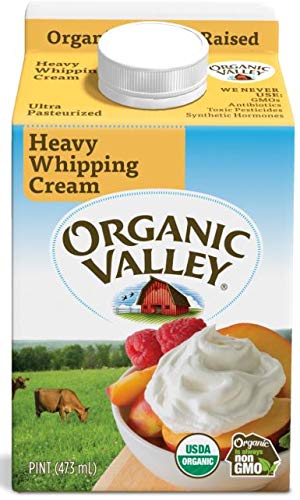
Organic Valley
Organic Valley, Cream Heavy Whipping Ultra-Pasturized Organic, 16 Fl Oz
See current price


Amazon.com Services, Inc.
Amazon Brand - Happy Belly Half & Half, Ultra-Pasteurized, Kosher, 32 fl oz
See current price

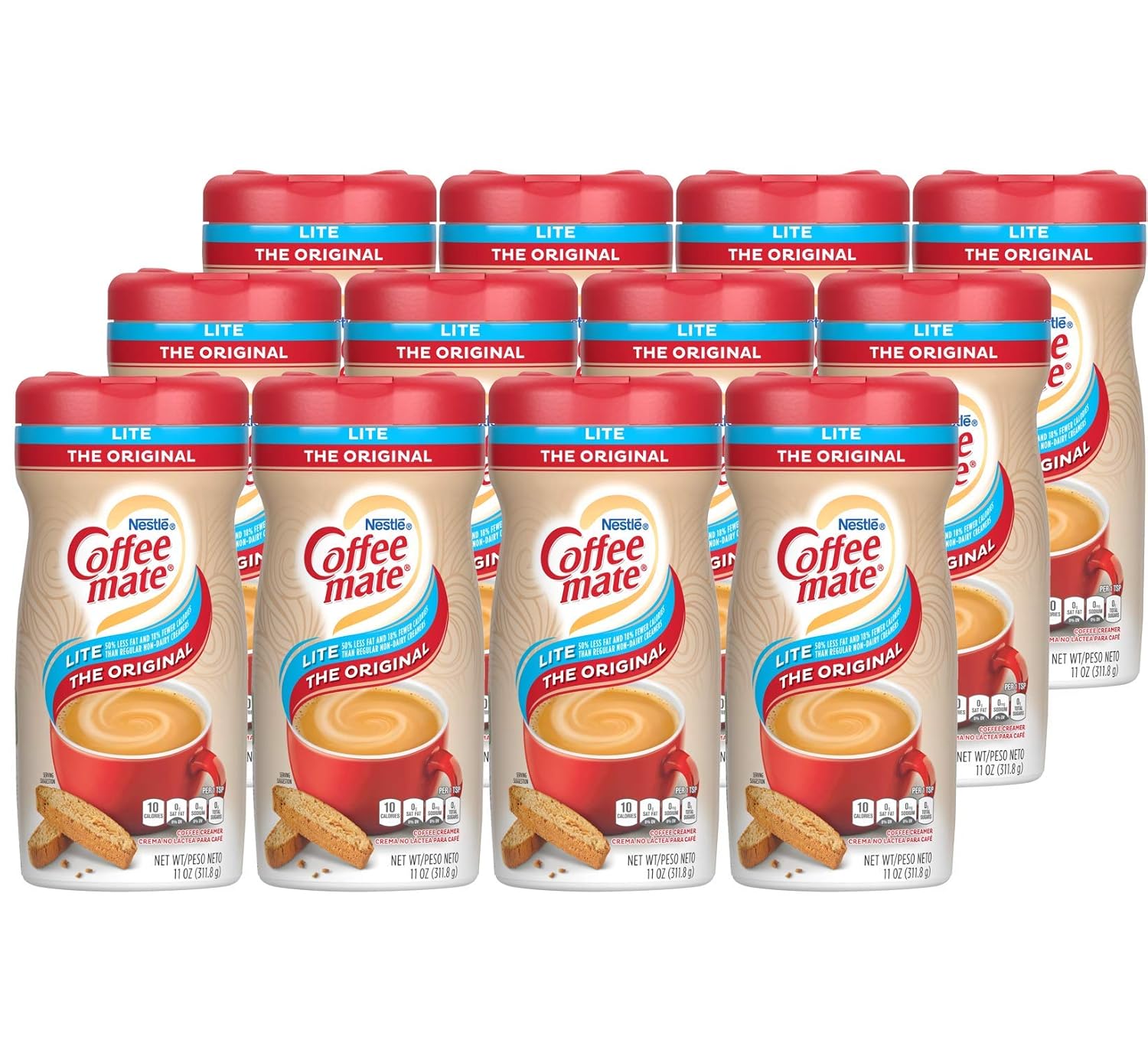
Coffee-Mate
Nestle Coffee mate Coffee Creamer, Original Lite, Non Dairy Powder Creamer, 11 Ounces (Pack of 12)
See current price


Horizon Organic
Horizon Organic Shelf-Stable 1% Low Fat Milk Boxes, Chocolate, 8 oz., 18 Pack
See current price


365 By Whole Foods Market
365 by Whole Foods Market, Half And Half Organic, 16 Ounce
See current price
Popular brands in Milk & Cream
Milk and cream serve different purposes, from pouring over breakfast and blending into drinks to enriching sauces, soups, and desserts. The right choice depends on the texture, fat content, ingredients, and storage format that suit your routine.
Use this page to compare product specifications and features before checking the latest details on the retailer’s listing. For the broader selection, browse Dairy, Eggs & Plant-Based Alternatives, or explore related categories when milk or cream is not the best fit.
How to choose milk or cream
Start with how you plan to use the product. Everyday drinking milk should match your taste and dietary preferences, while cooking and baking may call for a particular richness or consistency. Coffee additions can require a different balance of creaminess, sweetness, and pourability.
Consider these factors:
- Intended use: Choose based on drinking, cereal, coffee, baking, sauces, soups, or desserts.
- Dairy preference: Check whether the product is dairy-based, lactose-free, or plant-based.
- Fat and texture: Milk and cream vary in richness, thickness, and how they behave when heated or whipped.
- Ingredients: Review the ingredient list for sweeteners, stabilizers, flavorings, allergens, and any ingredients you prefer to avoid.
- Storage: Confirm whether the product requires refrigeration before opening, after opening, or throughout its usable life.
Milk and cream types to compare
Milk is commonly selected for its drinking qualities, nutritional profile, and cooking performance. Cream is generally chosen when a recipe or beverage needs additional richness or a thicker texture. Product names can vary, so the specifications and label should guide the comparison.
Shelf-stable formats may be useful for keeping a supply on hand, while refrigerated products can suit regular household use. Single-serve containers can help with packed lunches or travel, whereas larger containers may be more practical for frequent cooking and beverage preparation.
If you are specifically looking for non-dairy options, compare the selection in Plant-Based Milk. For coffee-focused alternatives, see Plant-Based Coffee Creamers. These categories can make it easier to distinguish everyday milk from products formulated primarily for coffee.
Key specifications and features
Product labels are especially important when comparing similar-looking options. Pay attention to:
- Milk or cream classification: Identify whether the item is regular milk, a richer cream product, a coffee creamer, or a plant-based alternative.
- Flavor and sweetness: Plain options are more versatile for cooking, while flavored or sweetened products may be intended for beverages or specific recipes.
- Dietary information: Check for lactose, dairy, soy, nuts, gluten-related statements, and other allergens relevant to your household.
- Cooking behavior: If you plan to heat, whip, froth, or bake with the product, look for usage guidance and compare the listed consistency.
- Container and serving format: Packaging can affect convenience, storage, portability, and how quickly the product should be used after opening.
- Organic or specialty positioning: If this matters to you, verify the exact product labeling rather than relying on a brand name alone.
For complementary dairy and plant-based foods, compare Dairy & Plant-Based Yogurt, Cheese, or Butter, Margarine & Plant-Based Alternatives.
Brands represented in the catalog
The catalog includes products from 365 By Whole Foods Market, Organic Valley, Darigold, Coffee-Mate, Horizon Organic, Alta Dena, Clover Sonoma, Nestle, White Wave Foods, HP HOOD, Kemps, and Lactaid. These brands cover a range of conventional, organic, lactose-focused, dairy, and plant-based offerings. Compare the specifications of individual products rather than assuming that every item from a brand has the same ingredients, format, or intended use.
Storage and everyday use tips
Read the package directions before storing or serving. Refrigerate products as directed, keep opened containers sealed, and use them within the stated guidance. When selecting a product for a recipe, check whether the recipe expects milk, half-and-half, heavy cream, or another specific consistency; substitutions can change thickness, richness, and cooking results.
For coffee, consider whether you want a neutral dairy flavor, extra richness, sweetness, or a product designed to froth. For baking, compare the liquid amount and fat level with the recipe requirements. For dietary needs, review the full ingredient and allergen information each time, since similarly named products may differ.
Frequently asked questions
What is the difference between milk and cream?
Milk is generally lighter and more fluid, while cream is richer and thicker. The exact characteristics depend on the product’s formulation and intended use.
How do I choose milk for coffee?
Compare richness, sweetness, flavor, and the product’s ability to mix or froth. A coffee creamer may be preferable when beverage texture or flavor is the priority.
Can milk or cream be used in cooking?
Yes, but the best option depends on the recipe. Check whether it calls for a lighter liquid, a richer cream, or a product with a specific texture or fat level.
How can I identify a lactose-free option?
Look for an explicit lactose-free statement on the product listing and packaging. Also review the ingredients and allergen information for your dietary requirements.
Is plant-based milk included in this category?
Some shoppers may find plant-based choices while browsing milk alternatives, but dedicated options are organized in Plant-Based Milk. Compare that category when dairy-free selection is your main goal.