

Butter, Margarine & Plant-Based Alternatives
Compare butter, margarine, and plant-based spreads for cooking, baking, topping, and everyday meals. Use ingredient lists, dietary details, and package formats to narrow your options.
160 products in catalog
160 results
Filters
Availability
Brand
Price

Darigold
Amazon Brand - Happy Belly Salted Butter Sticks, 16 oz. (4 Four Oz. Sticks)
See current price

Darigold
Amazon Brand - Happy Belly Unsalted Butter Sticks, 16 oz. (4 Four Oz. Sticks)
See current price


Land O'Lakes, Inc.
Land O Lakes Salted Butter Half Sticks, Made With Sweet Cream and Salt, 8 Half Butter Sticks, 1 lb Pack
See current price

Land O'Lakes, Inc.
Land O Lakes Salted Butter, Made With Sweet Cream and Salt, 4 Butter Sticks, 1 lb Pack
See current price


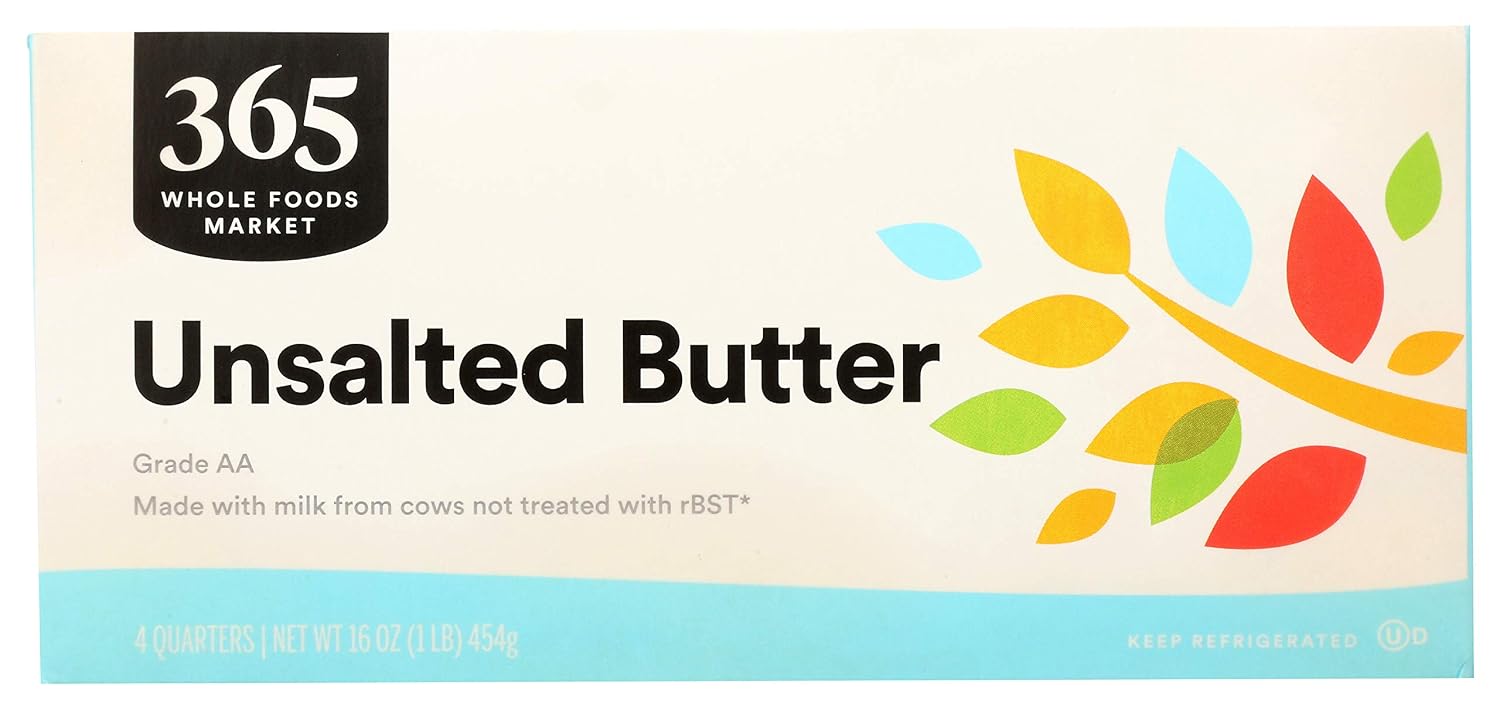


Land O'Lakes, Inc.
Land O Lakes Butter with Olive Oil and Sea Salt, Tub Butter with Olive Oil and Sea Salt, 13 oz Tub
See current price


Terrasoul Superfoods
Terrasoul Superfoods Organic Cacao Butter, 1 Lb - Raw | Keto | Vegan | Unrefined
See current price

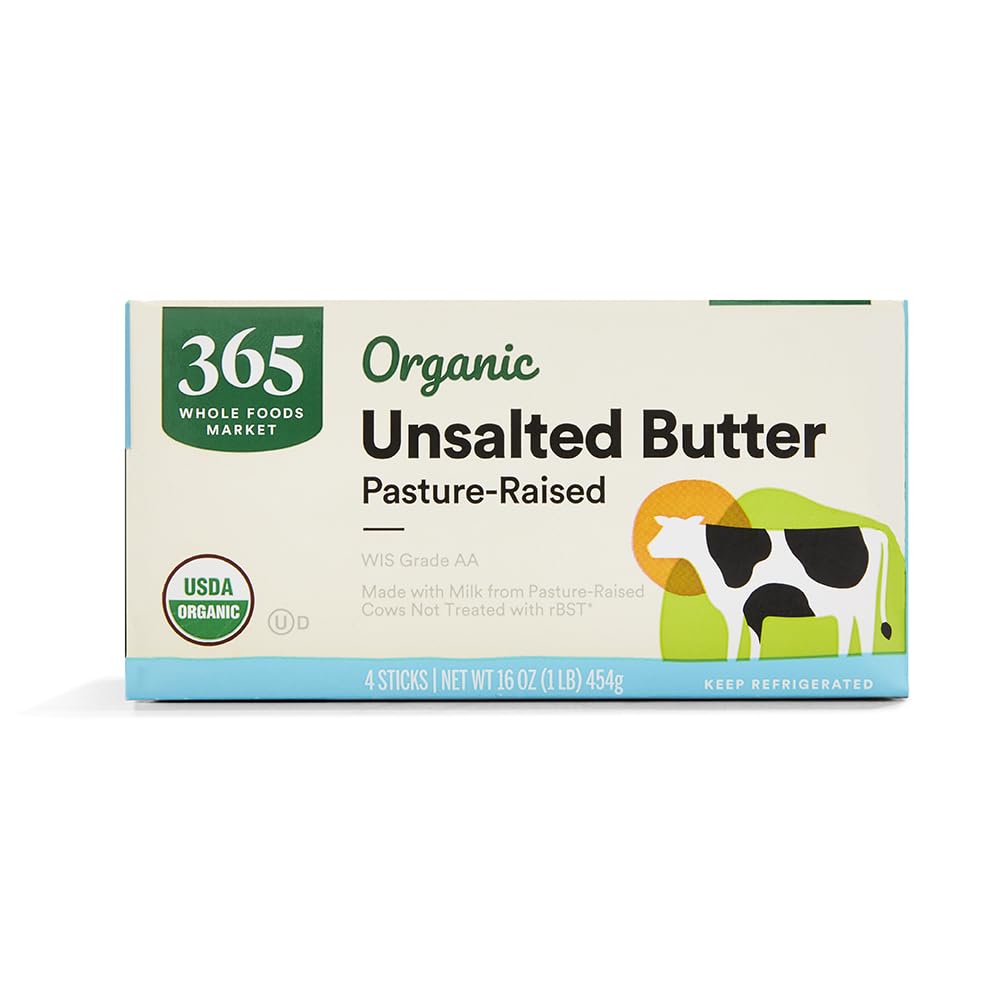
365 By Whole Foods Market
365 by Whole Foods Market, Butter Unsalted Organic, 16 Ounce
See current price

Popular brands in Butter, Margarine & Plant-Based Alternatives
Butter, margarine, and plant-based alternatives can look similar on the shelf but perform differently in recipes and at the table. The right choice depends on how you plan to use it, which ingredients fit your diet, and whether you prefer a traditional dairy product or a non-dairy option.
This K-Catalog category brings together options to compare by product type, ingredients, intended use, and packaging. Product pages can help you review available specifications and features before visiting Amazon to check current availability and purchase details.
How to choose a spread or cooking fat
Start with the way you expect to use the product most often. A spread for toast may need a convenient texture straight from the refrigerator, while a baking ingredient should be selected with the recipe’s fat and moisture requirements in mind. For sautéing, roasting, or general cooking, consider the product’s stated uses and whether its flavor suits savory dishes.
Important factors to compare include:
- Base ingredients: Look for dairy milk fat, vegetable oils, or other plant-based ingredients, depending on your preferences.
- Dietary needs: Check the label for milk, soy, nuts, coconut, or other allergens that may matter in your household.
- Salt level: Salted and unsalted options can affect both flavor and recipe control.
- Texture: Tub, stick, block, and whipped formats may work differently for spreading, measuring, and baking.
- Storage instructions: Follow the package guidance for refrigeration, handling, and freshness.
- Package size: Choose a format that matches how frequently you cook and how much refrigerator space is available.
Main types to compare
Traditional butter
Butter is a familiar dairy choice for toast, sauces, baking, pan cooking, and finishing dishes. Compare salted and unsalted varieties, the form factor, and any stated distinctions such as organic or cultured production. For baking, a stick or block can be easier to measure accurately than a spreadable tub.
Margarine and vegetable-oil spreads
Margarine and other vegetable-oil spreads are commonly chosen for spreading, cooking, or baking. Their textures can vary by format and formulation, so check the label and product description for intended use. If you are replacing butter in a recipe, pay attention to whether the product is designed as a butter substitute or as a lighter spread.
Plant-based alternatives
Plant-based alternatives are made without traditional dairy ingredients, though formulations differ. Compare the oil or ingredient base, allergen information, salt content, and intended use. Some may be aimed primarily at spreading, while others are formulated to perform in cooking or baking. Confirm the package details if avoiding specific ingredients is important.
For broader choices across the same grocery aisle, browse Dairy, Eggs & Plant-Based Alternatives. Related options include Milk & Cream, Plant-Based Milk, and Plant-Based Coffee Creamers.
Features and specifications to compare
The ingredient panel is one of the most useful places to start. It can clarify whether a product contains dairy, which oils are used, and whether the formulation includes added salt or other ingredients. Nutrition information may also help shoppers compare fat, sodium, and other values according to their needs.
Consider the container as well as the contents. A tub can be convenient for spreading, sticks can simplify measuring, and larger packages may suit frequent home cooking. A product description may also identify whether the item is refrigerated, shelf-stable before opening, organic, or made for a particular cooking purpose. Always verify storage and handling directions on the package.
When substituting in a recipe, do not assume every spread works in the same proportion or produces the same texture. Cakes, cookies, pastry, sauces, and pan-fried foods may respond differently to changes in water content, firmness, and fat composition.
Brands represented in the catalog
The catalog includes products from Land O'Lakes, Inc., Conagra, Unilever, 365 By Whole Foods Market, Vital Farms, Darigold, Challenge Dairy, kerrygold, Challenge Dairy Products, Veeba, Ornua Foods North America, and Organic Valley. These brands may cover different product types, formats, and ingredient approaches, so compare the specifications of individual products rather than relying on brand name alone.
You can also explore Cheese, Dairy & Plant-Based Yogurt, and Eggs & Egg Substitutes when planning a wider dairy or plant-based grocery selection.
Practical shopping and storage tips
Keep refrigerated products cold during storage and return them to the refrigerator promptly after use. Use clean utensils to reduce the chance of transferring crumbs or other food into a spread. If your household has allergies, keep shared utensils and preparation surfaces in mind, and read package statements each time because formulations can change.
For baking, gather the ingredient and measure it in the form specified by the recipe. For everyday spreading, select the texture and container style that make serving easiest. If a plant-based option is being used for a dairy-free meal, check the full ingredient and allergen statement rather than assuming that every product in this category meets the same dietary standard.
Frequently asked questions
Is margarine the same as a plant-based alternative?
Not always. Margarine is generally associated with vegetable-oil formulations, while plant-based alternatives may use different ingredients and are specifically positioned as non-dairy options. Check each product’s ingredient and allergen information.
Which type is best for baking?
That depends on the recipe and the product formulation. Butter, margarine, and plant-based alternatives can differ in firmness and moisture, so choose an option whose description and package guidance align with baking.
Should I choose salted or unsalted butter?
Salted butter adds seasoning, while unsalted butter gives you more control over the salt in a recipe. Follow the recipe when possible and compare the nutrition and ingredient information on the product page.
Are all plant-based alternatives dairy-free?
Many are made without dairy, but shoppers should verify the ingredient list and allergen statement. Products can use different bases and may be made in facilities that handle other allergens.
What should I compare before buying?
Review the base ingredients, dietary and allergen information, salt level, format, intended use, storage instructions, and package size. These details help match a product to your recipes and daily routines.