
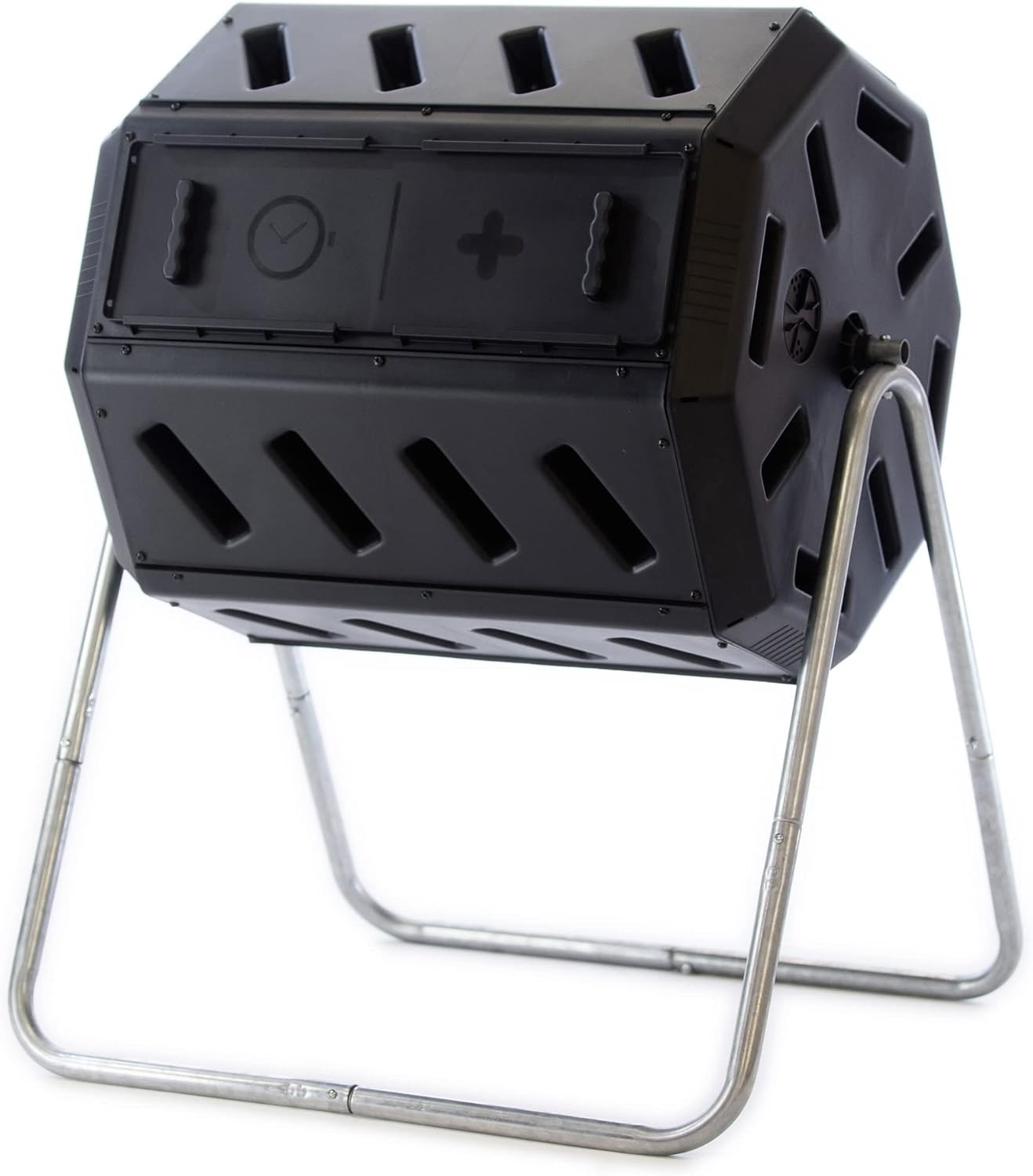
Composting & Yard Waste Bins
Compare composting and yard waste bins for handling kitchen scraps, leaves, grass clippings, and other organic material. Review features such as ventilation, access, capacity, and construction before choosing a setup for your space.
175 products in catalog
175 results
Filters


VIVOSUN
VIVOSUN Outdoor Tumbling Composter Dual Rotating Batch Compost Bin, 43 Gallon Orange Door
See current price

GEOBIN
Compost Bin by GEOBIN - 246 Gallon, Expandable, Easy Assembly, Made in The USA
See current price


The Home Depot
The Home Depot 49022-10PK Heavy Duty Brown Paper Lawn and Refuse Bags for Home and Garden, 30 gal (10 Lawn Bags)
See current price


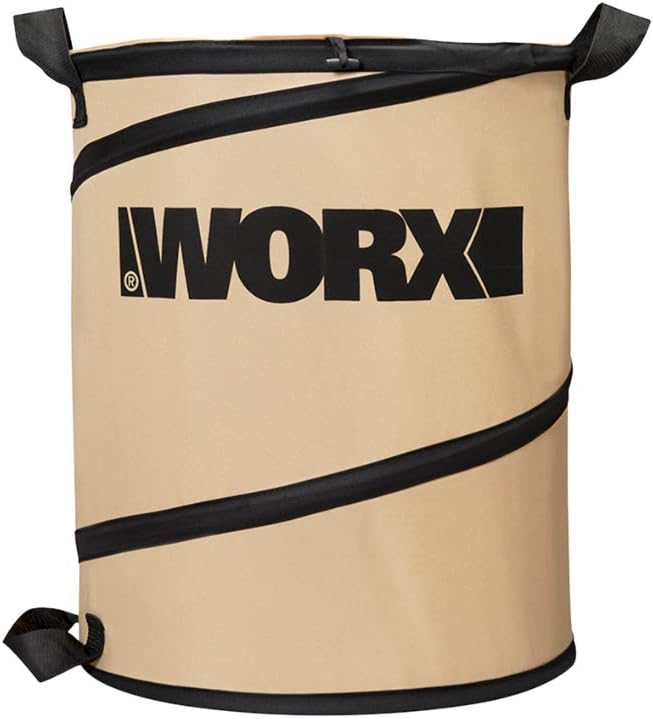


SQUEEZE master
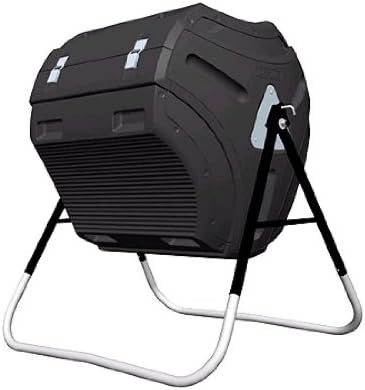
SQUEEZE master Compost Bin 43 Gallon Outdoor Tumbler composters Garden Tumbling or Rotating Compost Blue Door
See current price



Popular brands in Composting & Yard Waste Bins
Composting and yard waste bins can help organize organic material while supporting a more intentional gardening routine. The right choice depends on what you plan to compost, how much space is available, and how often you want to turn, empty, or maintain the bin.
This category brings together options for home composting, leaf and grass collection, and worm-based processing. Use the specifications and features on each product page to compare designs and find a practical match for your garden.
How to choose a composting or yard waste bin
Start with the material you expect to manage. Food scraps may call for a contained design with a secure lid, while leaves, weeds, and grass clippings may be better suited to a larger open or ventilated container. If you want to process a combination of materials, look for a design that provides suitable airflow and convenient access for mixing.
Consider your available footprint as well. A compact bin can fit on a patio, balcony, or small garden area, while a larger stationary system may suit a yard with regular landscape waste. Check the product dimensions, opening size, emptying method, and placement guidance before ordering.
Common types to compare
- Stationary compost bins: These stay in place and are useful when you want to add material gradually. Look for access panels or removable sections that make finished compost easier to retrieve.
- Compost tumblers: Rotating designs can make turning material more convenient. Compare the drum shape, turning mechanism, stability, and access door.
- Yard waste containers: These are intended for leaves, grass, weeds, and pruning debris. Openings, ventilation, portability, and capacity are especially relevant.
- Worm composting systems: Worm farms use a managed, contained environment for organic scraps. Compare tray configuration, drainage, ventilation, and access for feeding or harvesting.
- Indoor or countertop containers: These can temporarily hold kitchen scraps before they reach an outdoor composting system. A lid, washable interior, and odor-management design may be important considerations.
Key features and specifications
Ventilation helps air move through the material, so compare the location and extent of vents rather than assuming every opening works the same way. Drainage can also matter when the contents are moist, particularly for systems placed outdoors.
Access and handling affect everyday convenience. Check whether the bin has a wide opening, a door near the base, removable panels, or a method for turning the contents. Handles, wheels, or a lighter construction may be useful if the container needs to move around the yard.
Construction influences where the bin can be placed and how much care it may need. Compare plastic, metal, fabric, and other materials for durability, cleanability, weather exposure, and resistance to tipping. For a covered bin, inspect the lid design and how securely it closes.
Also review assembly requirements and included components. Some systems may require a prepared base, additional trays, a stand, or accessories that are not part of the main product. Product specifications should clarify what is included.
Placement and routine maintenance
Place an outdoor bin on a stable, reasonably level surface with enough clearance to open it and remove finished material. A location with convenient access encourages regular use, while some shelter from excessive rain may help keep moisture more manageable. Follow the product instructions for acceptable materials and cleaning.
A composting system generally works best when the contents are balanced for moisture and airflow. Avoid packing material so tightly that air cannot circulate. Yard waste may benefit from being broken into smaller pieces, while food scraps should be added according to the system’s guidance. Keep the area around the bin tidy and check closures, vents, trays, and drainage points periodically.
For worm-based systems, compare the care requirements with the time you can give them. Worms need an appropriate environment, and the bin should be protected from conditions that the product instructions identify as unsuitable.
Brands represented in the catalog
The catalog includes composting and yard waste products from Tespher, Nature's Footprint, FCMP Outdoor, Exaco, EJWOX, FlowFly, Uncle Jim's Worm Farm, SQUEEZE master, Bosmere, GardenMate, Lifetime, and GOOD IDEAS. These brands are represented across different design approaches, so comparing individual specifications is more useful than choosing by brand name alone.
Related gardening categories
A composting setup can be part of a broader garden system. Browse Pots, Planters & Container Accessories for containers that may use finished compost, or compare Soils, Mulches & Planting Media for planting materials and soil amendments. Hand Tools can support turning, transferring, and spreading material.
For other garden planning needs, explore Watering Equipment and Plants, Seeds & Bulbs. The wider Gardening & Lawn Care category brings these supplies together for comparing related products.
Frequently asked questions
What can go in a composting bin?
The acceptable materials depend on the bin and its instructions. Many systems are designed for selected plant-based kitchen scraps and yard waste, but shoppers should check the product guidance before adding any material.
What is the difference between a compost bin and a yard waste bin?
A compost bin is designed to support the breakdown of organic material, often with ventilation and access for mixing. A yard waste bin may primarily collect leaves, grass, and pruning debris for later processing or disposal.
Are compost tumblers easier to turn?
A tumbler is designed to rotate, which may make mixing more convenient than turning material inside a stationary bin. Compare the turning mechanism, balance, access door, and stability.
Where should an outdoor compost bin be placed?
Choose a stable location with enough room for opening, turning, and emptying the bin. Convenient access and suitable drainage are important, but always follow the manufacturer’s placement instructions.
What should be checked before buying a worm farm?
Review the tray layout, ventilation, drainage, access, assembly needs, and care instructions. Make sure the system suits the amount of organic material and maintenance routine you expect to manage.