
Soils, Mulches & Planting Media
Compare soils, mulches and planting media by their ingredients, texture, drainage and intended use. Find options for garden beds, lawns, containers, seedlings and specialized growing setups.
2,155 products in catalog
2,155 results
Filters
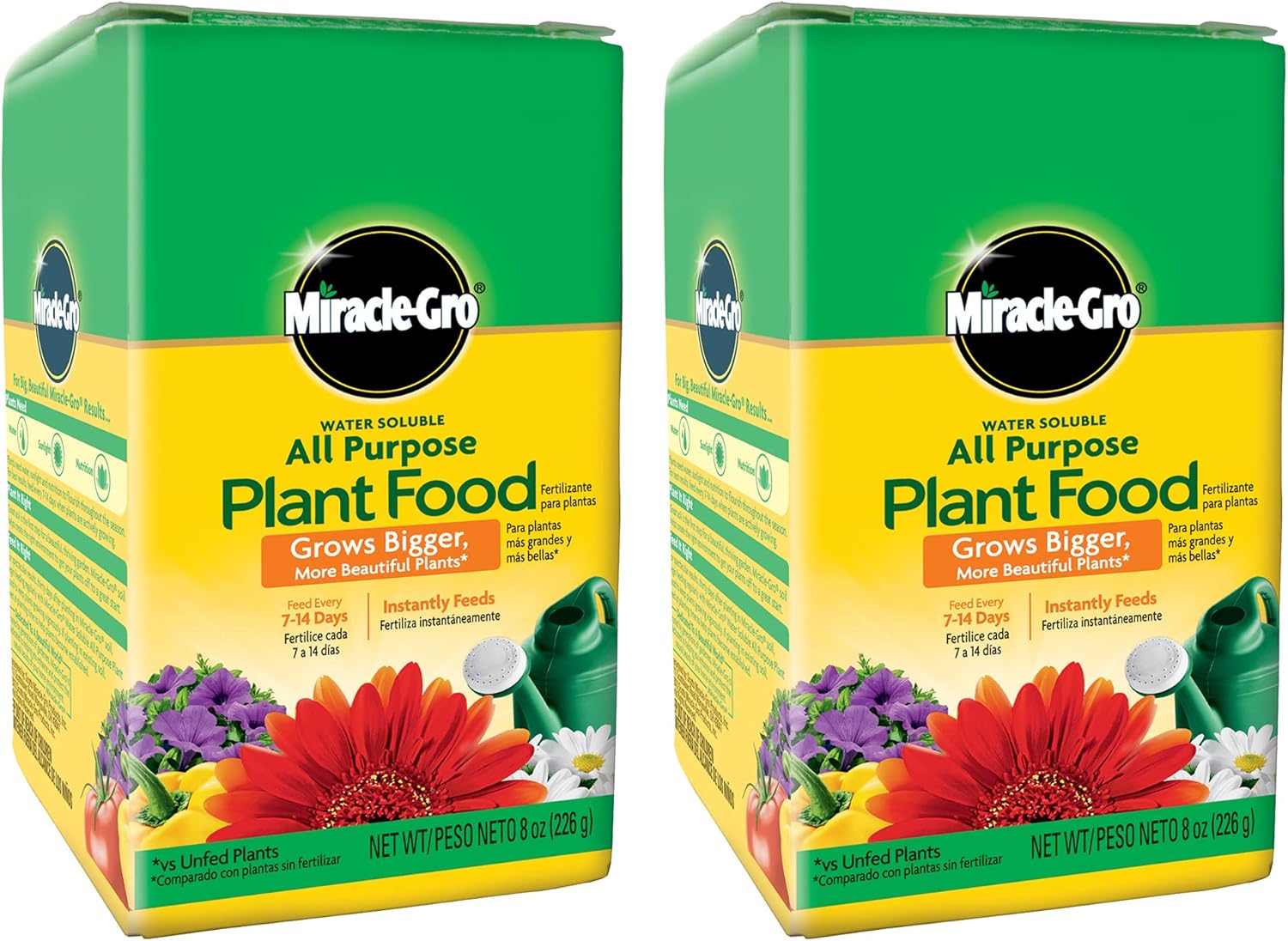
Miracle-Gro
Miracle-Gro VB02196 Water Soluble 8 oz, 2-Pack All Purpose Plant Food.5 lb,
See current price


Miracle-Gro
Miracle-Gro Indoor Potting Mix, Soil for Indoor Container Plants, 6 qt. (3-Pack)
See current price

Miracle-Gro
Miracle-Gro Orchid Bundle Pack - Includes Potting Mix and Plant Food Made Specifically for Orchids
See current price





Garden Safe
Garden Safe Take Root Rooting Hormone, Promotes Rooting, Grow New Plants From Cuttings, (12 pack) 2 Ounce
See current price
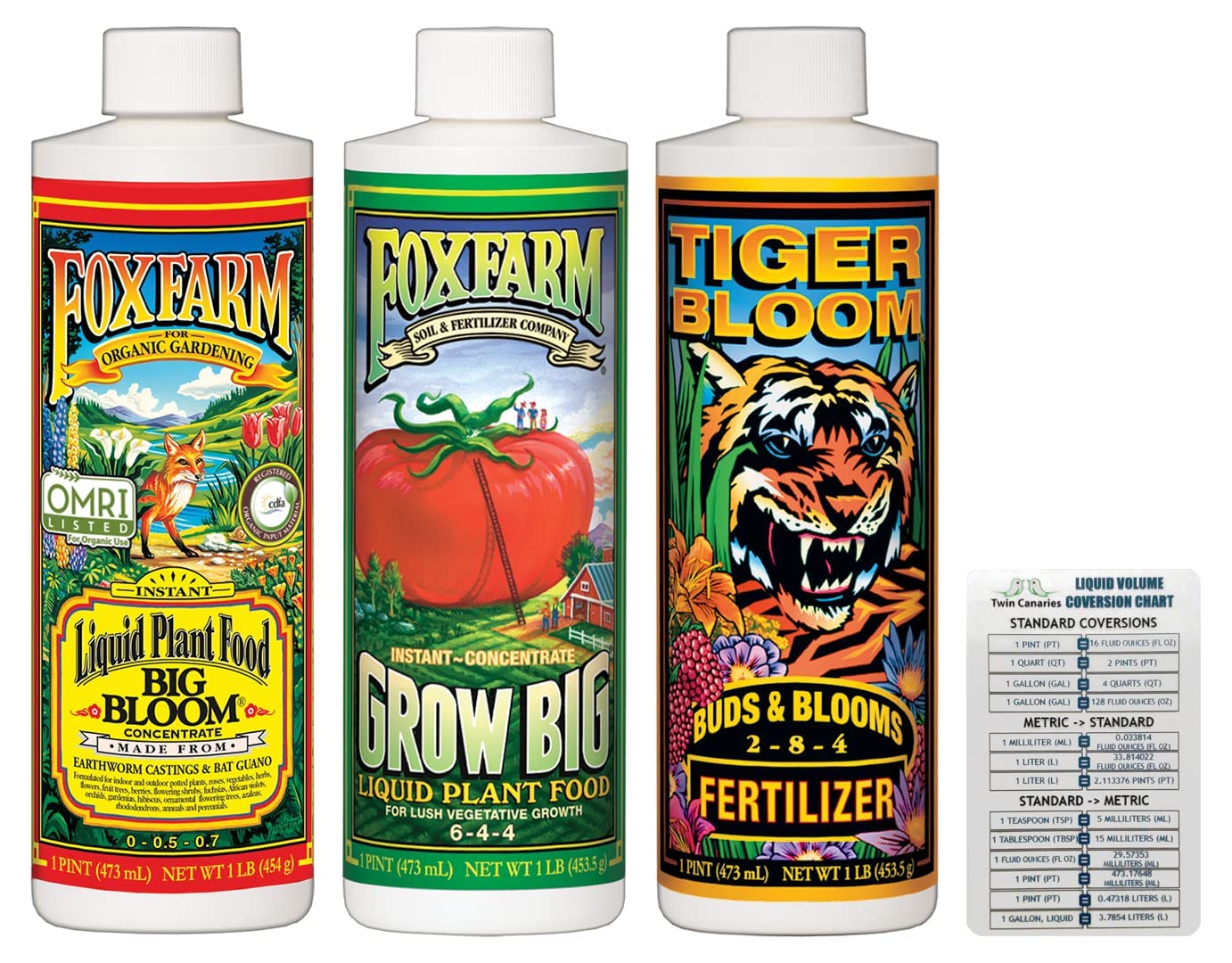
Twin Canaries Liquid Volume Conversion Chart
FoxFarm Liquid Nutrient Trio Soil Formula: Big Bloom, Grow Big, Tiger Bloom (Pack of 3-16 oz Bottles) + Twin Canaries Chart
See current price

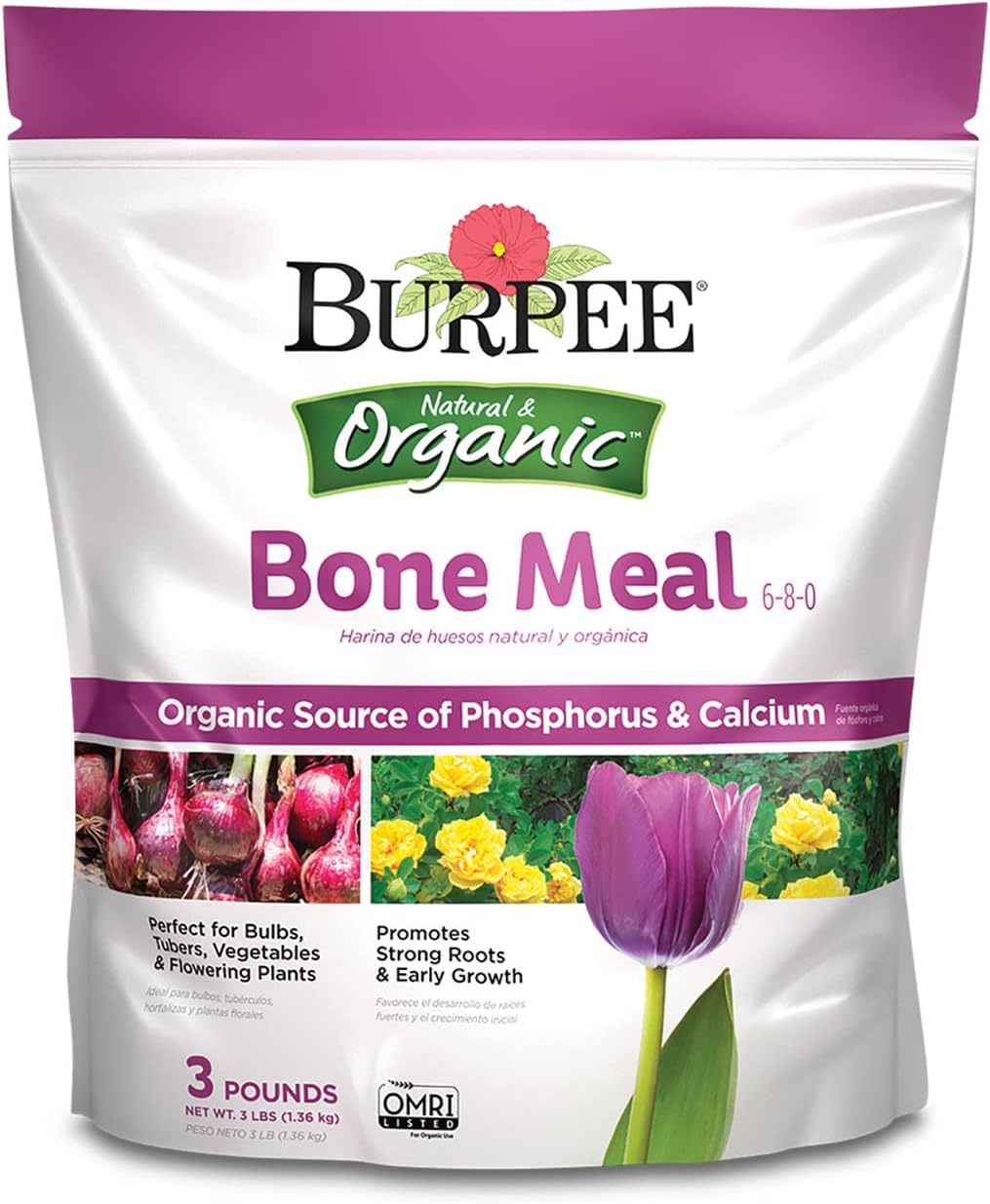
International Mulch Company, Inc
Burpee Bone Meal Fertilizer | Add to Potting Soil | Strong Root Development | OMRI Listed for Organic Gardening | for Tomatoes, Peppers, and Bulbs, 1-Pack, 3 lb (1 Pack)
See current price


Miracle-Gro
Miracle-Gro Shake 'N Feed All Purpose Plant Food, Plant Fertilizer, 4.5 lbs.
See current price
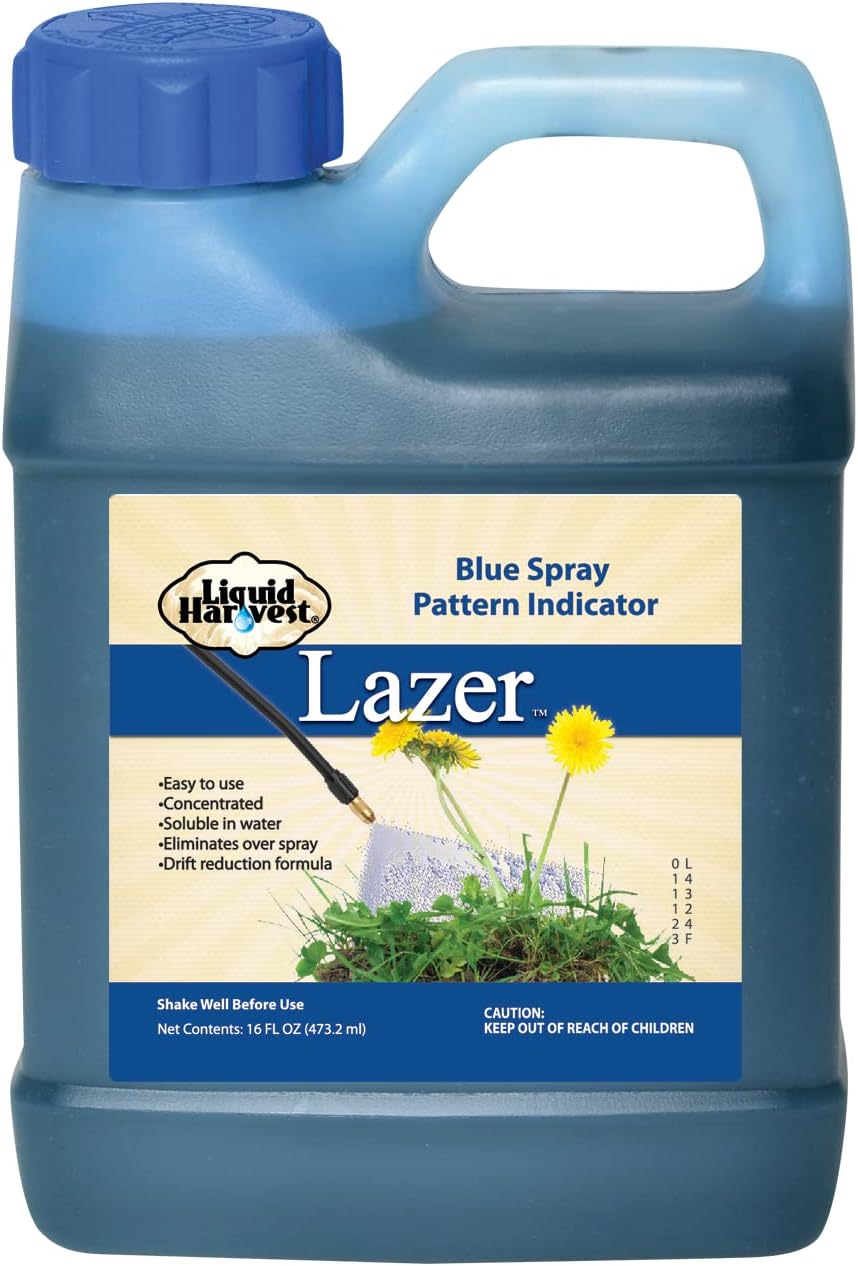
Liquid Harvest
Liquid Harvest Lazer Blue Concentrated Spray Pattern Indicator - 16 Ounces
See current price

Miracle-Gro
Miracle-Gro Houseplant Potting Mix - Fertilized Soil, Designed to be Less Prone to Gnats, 4 qt. (2-Pack)
See current price
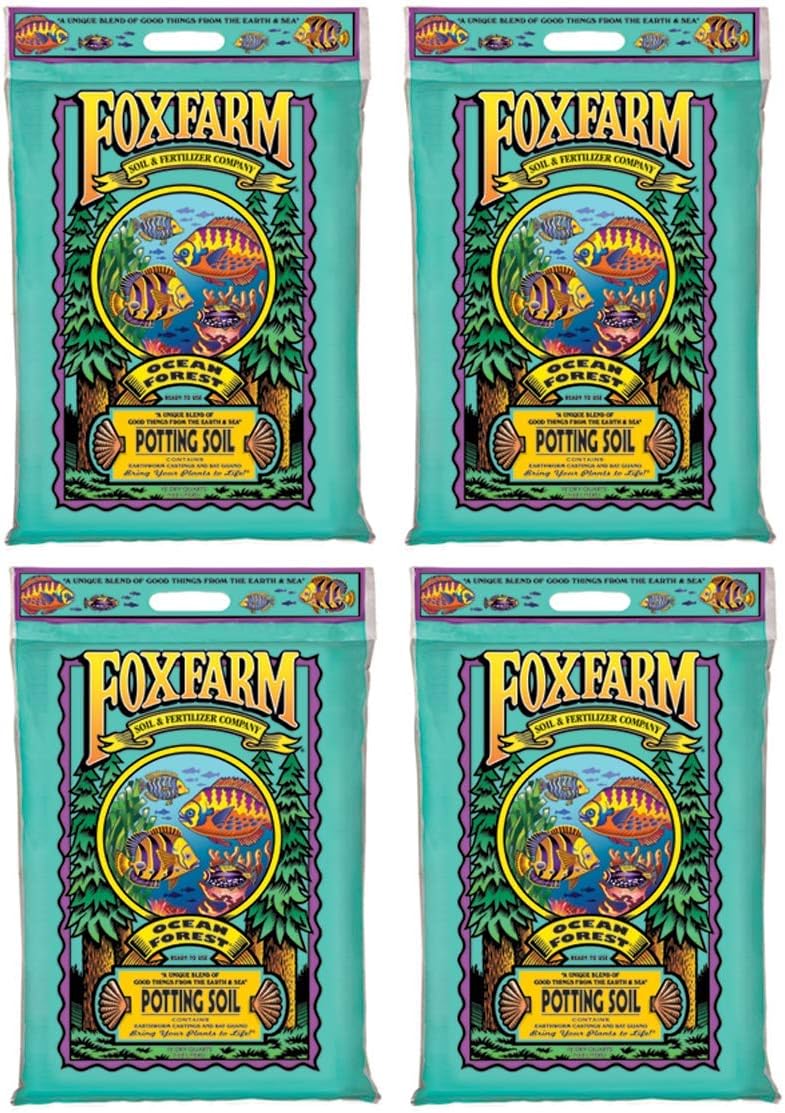
Popular brands in Soils, Mulches & Planting Media
Choosing the right growing material can make planting, watering and ongoing maintenance easier. Soil and planting media provide the foundation for roots, while mulch helps cover the surface and support a tidier, more protected growing area.
This category brings together options for outdoor beds, lawns, raised gardens, containers and indoor or controlled growing environments. Compare the product details carefully, since materials designed for one application may not suit another.
How to choose soils and planting media
Start with the growing location and the plants you intend to grow. A garden bed, container, seed-starting tray and hydroponic setup each place different demands on the growing medium.
Consider these factors before comparing individual products:
- Intended use: Look for wording that matches vegetables, flowers, houseplants, lawns, seedlings, raised beds or containers.
- Texture and drainage: A medium should hold enough moisture for the plant while allowing excess water to move away from the roots.
- Ingredients: Check whether the product contains materials such as compost, peat, coir, bark, perlite, vermiculite or other amendments.
- Nutrient content: Some products are formulated to provide plant nutrition, while others are intended primarily to improve structure or moisture management.
- Application area: Bag size, coverage guidance and how the material will be spread matter for beds, borders and larger lawn areas.
If you are unsure where to begin, identify the plant’s basic growing requirements first, then compare products that are labeled for that setting.
Main types to compare
Garden and raised-bed soil
Garden soil and raised-bed blends are intended for outdoor planting areas. They can be useful when preparing new beds, refreshing existing soil or filling raised planters. Check whether the product is intended to be mixed with existing soil or used as the primary growing material.
Potting and container mix
Container media are designed for pots, planters and other above-ground growing spaces. Since containers have limited volume and drainage conditions, compare the mix’s structure, moisture retention and suitability for the plants you are growing. Pair soil choices with the right pots, planters and container accessories.
Seed-starting and propagation media
Seed-starting products are typically selected for fine texture and a consistent environment around developing roots. For propagation projects, compare whether the material is intended for seeds, cuttings or general container use. Growing conditions can also be managed with greenhouses and plant germination equipment.
Mulch
Mulch is placed over the surface of soil rather than used as a complete root-zone medium. Compare organic and mineral options by appearance, intended placement, moisture-management goals and how often the material may need to be refreshed. Keep mulch away from direct contact with plant stems and tree trunks.
Specialized growing media
Some products are made for specific systems or plant types, including indoor growing and hydroponic applications. Check the label for compatibility with your equipment, nutrient routine and watering method before choosing a specialized medium.
Features and specifications that matter
Product descriptions can vary, so focus on details that affect how the material will perform in your setup:
- Drainage and aeration: Important for reducing overly wet conditions around roots.
- Moisture retention: Useful when plants need a steadier supply of water, but excessive retention may not suit every plant.
- Organic matter: Can influence texture, water handling and how the material changes over time.
- pH information: Compare the listed pH range or suitability for acid-loving, neutral or broader plant needs when provided.
- Nutrients or amendments: Note whether fertilizer, compost or other additives are included and whether the product is intended for a particular feeding schedule.
- Coverage and handling: Review bag dimensions, application directions and storage guidance rather than judging a product by packaging alone.
For lawn projects, also consider how the material will be applied and whether it is intended for top dressing, patching, overseeding or general soil improvement.
Brands available in the catalog
The catalog includes products from Miracle-Gro, Espoma, FoxFarm, Rio Hamza Trading, Advanced Nutrients, General Hydroponics, Fox Farm, Down To Earth All Natural Fertilizers, Jobe's, Scotts, Bonide and Schultz. These brands may cover different soil, amendment, mulch and growing-media applications, so compare the individual product specifications instead of relying on the brand name alone.
For a complete gardening setup, you may also want to compare plants, seeds and bulbs, watering equipment and hand tools. Taller crops and climbing plants can be paired with plant support structures.
Practical tips for use and storage
Read the package directions before applying soil amendments or mulch. Mix products only when the label indicates they are suitable for that purpose, and avoid assuming that a potting mix can replace garden soil or that garden soil is appropriate for containers.
Store unopened bags in a dry location protected from rain and excessive moisture. When working with dusty materials, use appropriate protection and follow the manufacturer’s handling guidance. After planting, monitor moisture at the root zone rather than watering automatically, since drainage and weather conditions can vary.
Frequently asked questions
What is the difference between soil and planting media?
Soil generally refers to a natural or formulated material used in beds and outdoor planting areas. Planting media is a broader term that includes mixes designed for containers, seedlings, hydroponics and other controlled growing environments.
Can garden soil be used in containers?
Not always. Garden soil may drain differently in a pot and can become compacted. Compare products labeled for containers or potting use when filling planters.
What should mulch be used for?
Mulch covers the soil surface around plants. It can help create a more finished appearance and support moisture management, but it is not normally a substitute for a root-zone growing medium.
How do I choose media for seedlings?
Look for a product specifically intended for seed starting or propagation. Fine texture, consistent moisture handling and compatibility with your trays or containers are useful details to compare.
Should I compare included fertilizer?
Yes. Check whether nutrients are included, how the product is intended to be used and whether that approach fits the plants and feeding routine you plan to follow.