
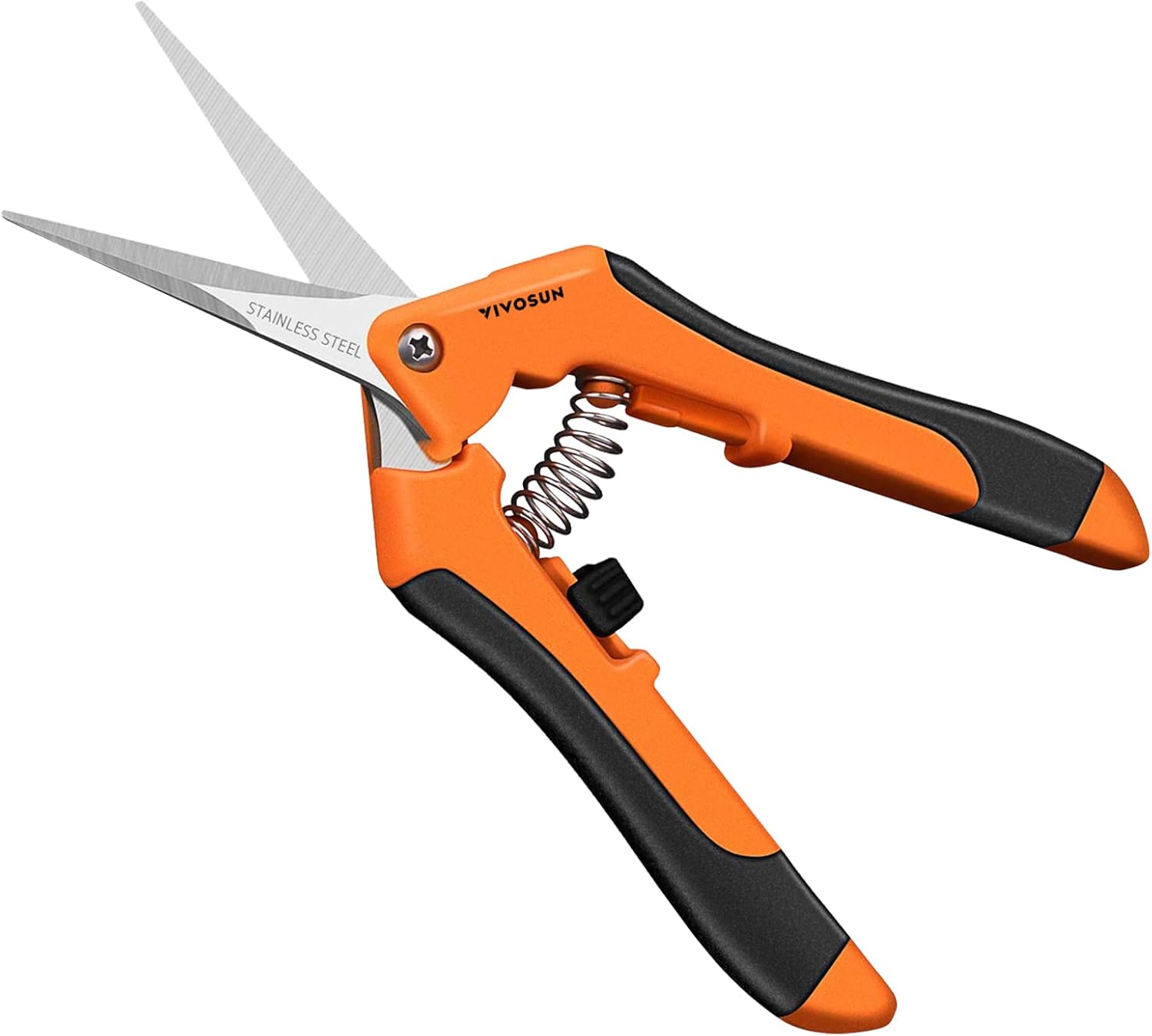
Gardening Hand Tools for Every Task
Compare hand tools for planting, pruning, digging, cultivating, and general garden care. Focus on the task, handle comfort, materials, and tool size before checking current options.
2,265 products in catalog
2,265 results
Filters


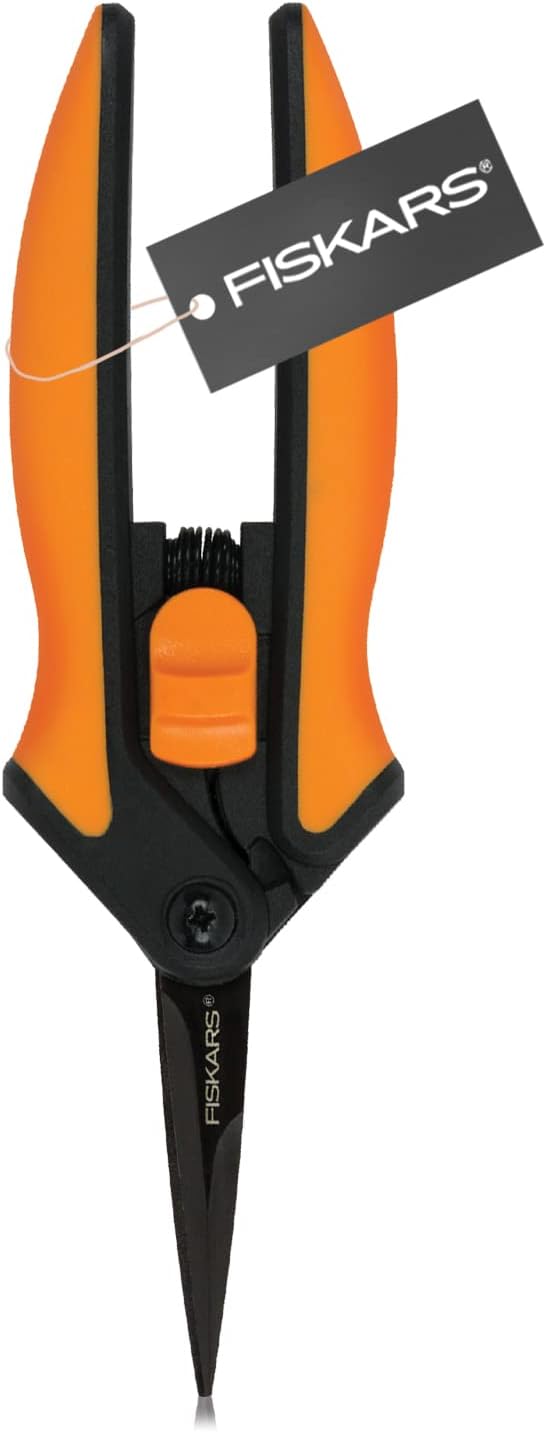
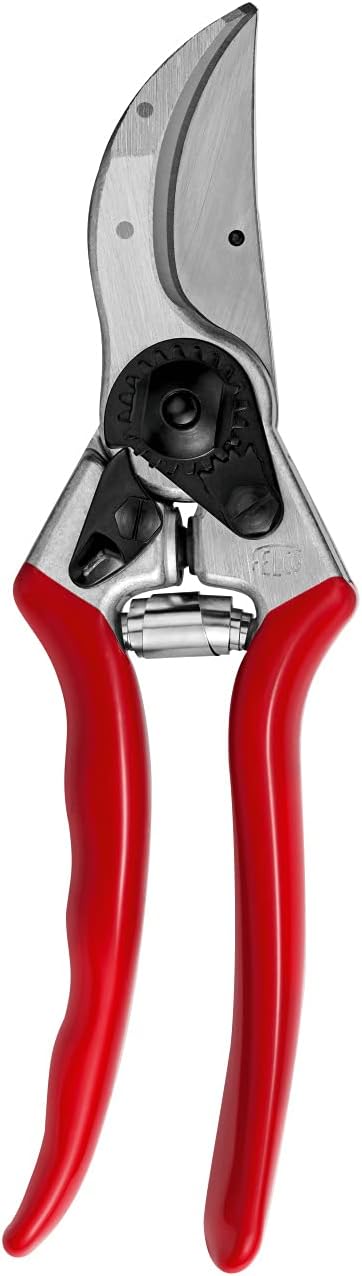


Fiskars
Fiskars 378571-1002 X15 Chopping Axe 23.5", 23.5 Inch, Orange/Black,Yellow/Black
See current price
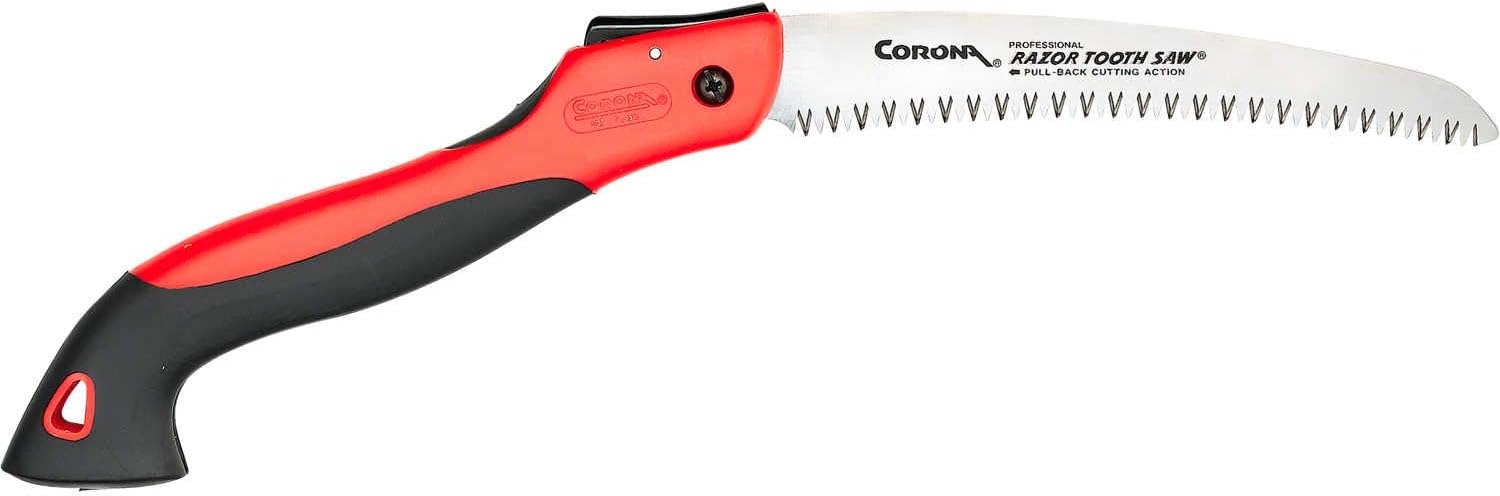

Fiskars
Fiskars 4-Claw Stand Up Weeder - Gardening Hand Weeding Tool with 39" Ergonomic Handle - Black
See current price


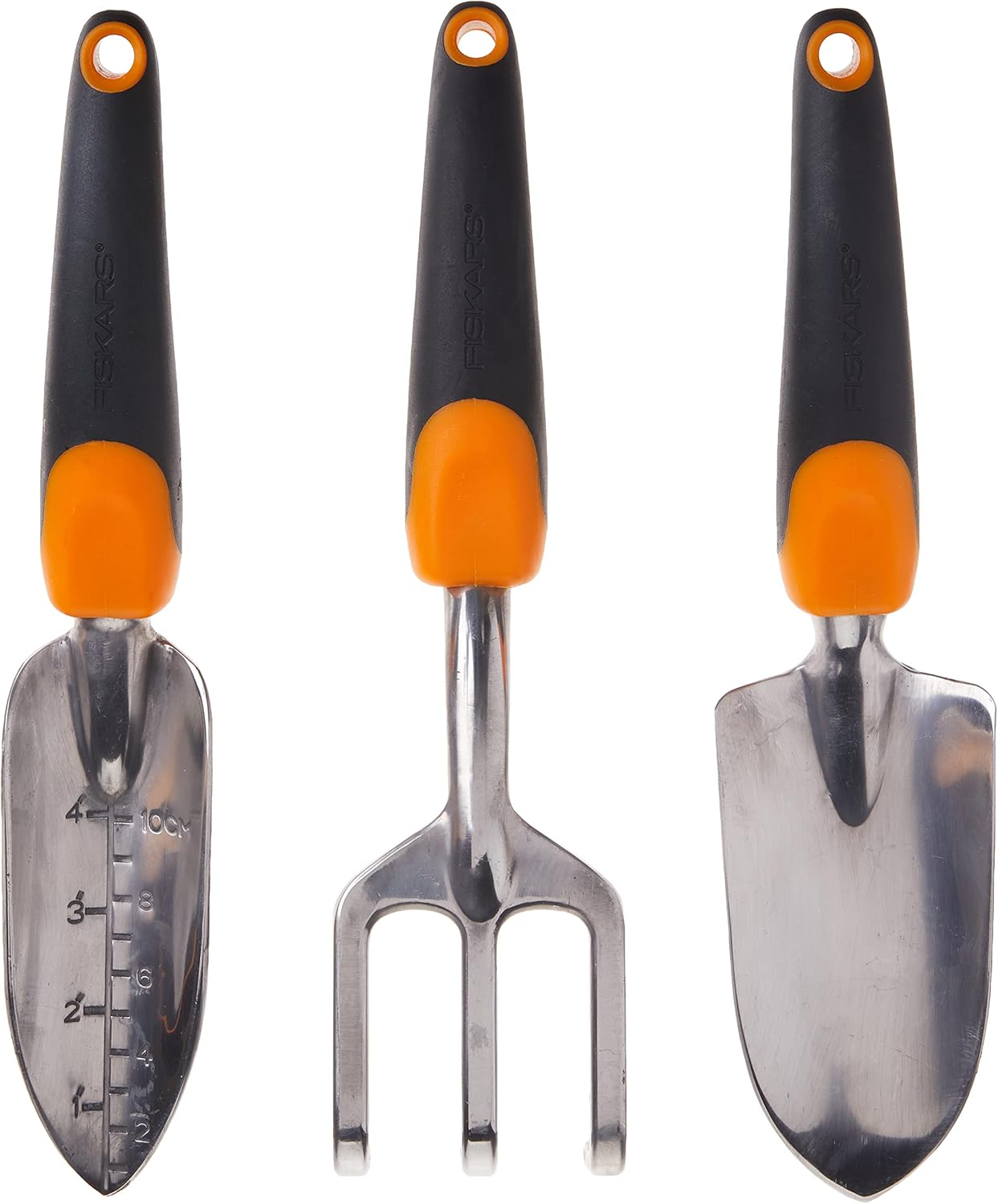

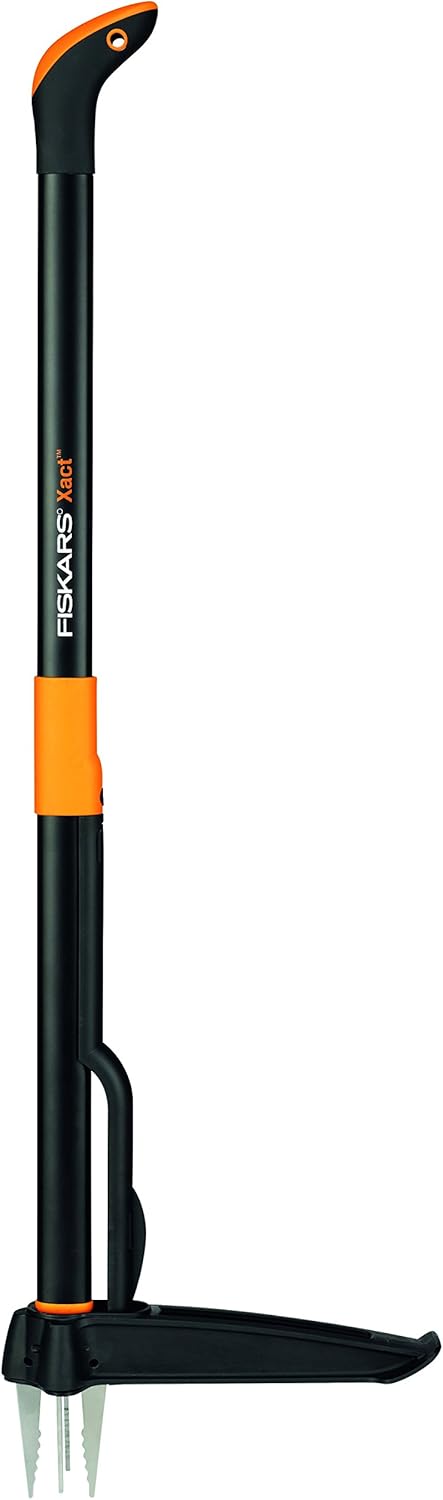


Popular brands in Hand Tools
Hand tools are useful for detailed gardening work that calls for control rather than powered equipment. This category covers tools for preparing soil, planting, trimming, weeding, loosening compacted ground, and maintaining beds or containers.
K-Catalog helps you compare specifications and features across the catalog. Start with the job you do most often, then consider the tool’s construction, grip, working size, and storage needs.
How to choose gardening hand tools
The right tool should match both the task and the conditions in your garden. A narrow implement can help with close planting, while a stronger, wider tool may be more suitable for moving or breaking up soil. For pruning, blade design and cutting capacity are especially important.
Consider these points before choosing:
- Purpose: Identify whether you need to dig, plant, weed, cultivate, prune, scoop, or perform several jobs.
- Soil and plant conditions: Hard, compacted, rocky, or root-filled soil may call for a more robust tool than loose potting media.
- Reach and size: Short-handled tools offer close control; longer handles can provide more reach and may reduce bending.
- Comfort: Look at grip shape, handle material, weight, and balance, especially if the tool will be used for extended sessions.
- Storage: Check whether the tool has a hanging feature, compact form, or other design that suits your shed, greenhouse, or container-gardening setup.
Common types of hand tools
Hand tools vary considerably by function, even when they look similar. Compare the working end, handle length, and intended use rather than choosing by appearance alone.
- Digging and planting tools: Trowels, transplanters, dibbers, and small spades are suited to making holes, setting plants, and working around existing growth.
- Cultivating tools: Hand cultivators, forks, and hoes can help loosen surface soil, break up small clumps, and work between plants. Choose a head size that fits your beds or containers.
- Weeding tools: Narrow blades, hooks, and specialized weeders are designed for removing unwanted growth. The best shape depends on whether you need to reach between plants or work in open soil.
- Pruning tools: Pruners, loppers, and snips are used for stems and branches of different sizes. Blade arrangement, handle design, and the stated cutting capability deserve close comparison.
- General-purpose tools: Scoops, soil knives, and multipurpose implements can be useful for planting, edging, harvesting, or small maintenance tasks.
For other parts of a garden setup, browse Pots, Planters & Container Accessories, Watering Equipment, or Plant Support Structures.
Key specifications and features to compare
Materials affect durability, maintenance, and how a tool handles contact with soil, moisture, and plant material. Look for clear information about the blade or head material, protective finishes, handle construction, and connection between the working end and shaft.
For digging and cultivating tools, compare head width, tine or blade shape, shaft length, and overall weight. A compact head may be easier to control in raised beds and containers, while a broader head may cover more soil in open areas.
For cutting tools, compare straight or curved blades, bypass or anvil action where specified, locking mechanisms, spring design, and handle opening. Make sure the listed cutting capacity suits the branches or stems you expect to work with rather than forcing a tool beyond its intended use.
Brands represented in the catalog
The Hand Tools catalog includes products from Fiskars, Wolf-Garten, Corona, Spear & Jackson, Gardena, Bully Tools, Truper, Cold Steel, Tabor Tools, FELCO, Edward Tools, and Ames. These brands are well represented in the catalog, giving shoppers several manufacturers to compare by construction, tool type, handle design, and available features. Brand name alone should not replace checking the specifications for the particular product.
Care, compatibility, and safe use
Clean soil and plant residue from tools after use, then dry metal surfaces before storage. Cutting tools benefit from keeping blades clean and appropriately maintained; follow the manufacturer’s guidance for sharpening, lubrication, and adjustment. Store sharp tools securely and use protective equipment when the task or tool requires it.
Check dimensions before ordering if the tool will be used in a narrow planter, raised bed, greenhouse, or crowded border. If you are planning a new growing area, related categories such as Plants, Seeds & Bulbs, Soils, Mulches & Planting Media, and Greenhouses & Plant Germination Equipment may help complete the setup.
Frequently asked questions
What hand tools are useful for basic gardening?
A basic selection often includes a trowel or transplanter, cultivator, weeder, pruner, and a tool for loosening or moving soil. The right combination depends on your plants and garden layout.
How do I choose between a short- and long-handled tool?
Short handles provide close control and are convenient in containers or crowded beds. Longer handles offer more reach and may be preferable for larger areas or users who want to bend less.
What should I compare in a hand pruner?
Compare the blade action, cutting capacity, handle comfort, locking feature, spring design, and whether the tool’s size suits your hand. Use the stated specifications to match the pruner to the material being cut.
Are metal hand tools suitable for container gardening?
Many compact digging, planting, and cultivating tools can suit containers, but check the head width and overall length. A smaller working end is generally easier to maneuver without disturbing nearby roots.
How should garden hand tools be stored?
Remove soil and moisture, then store tools in a dry location with sharp edges protected. Hanging features or a dedicated tool organizer can help keep implements accessible and reduce damage.