

Pots, Planters & Container Accessories
Compare pots, planters, and container accessories for indoor plants, patios, balconies, windowsills, and outdoor gardens. Review materials, drainage, dimensions, and design details to find containers suited to your plants and space.
7,038 products in catalog
7,038 results
Filters


Novelty
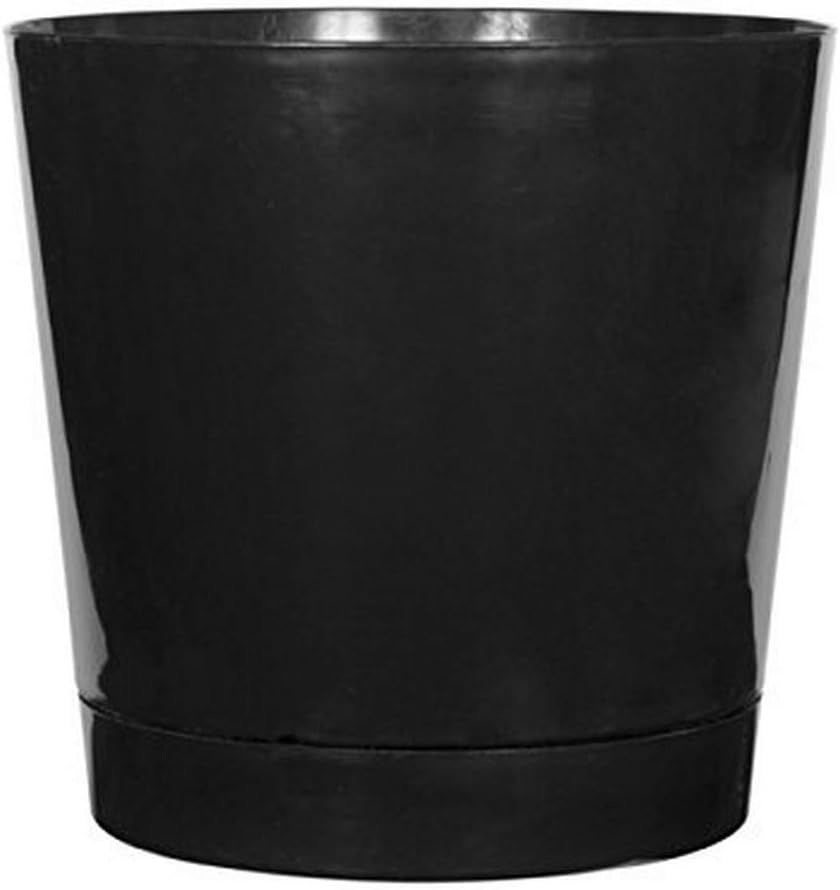
Novelty Majestic Full Depth Round Cylinder Pot, Glossy Black, 12-Inch (10128)
See current price


The HC Companies
The HC Companies 8 Inch Round Plastic Classic Plant Saucer - Indoor Outdoor Plant Trays for Pots - 8.5"x8.5"x1.5" Warm Gray
See current price


Gardzen
Gardzen 20-Pack 2 Gallon Grow Bags, Aeration Fabric Pots with Handles, Pot for Plants
See current price


Classic Home and Garden
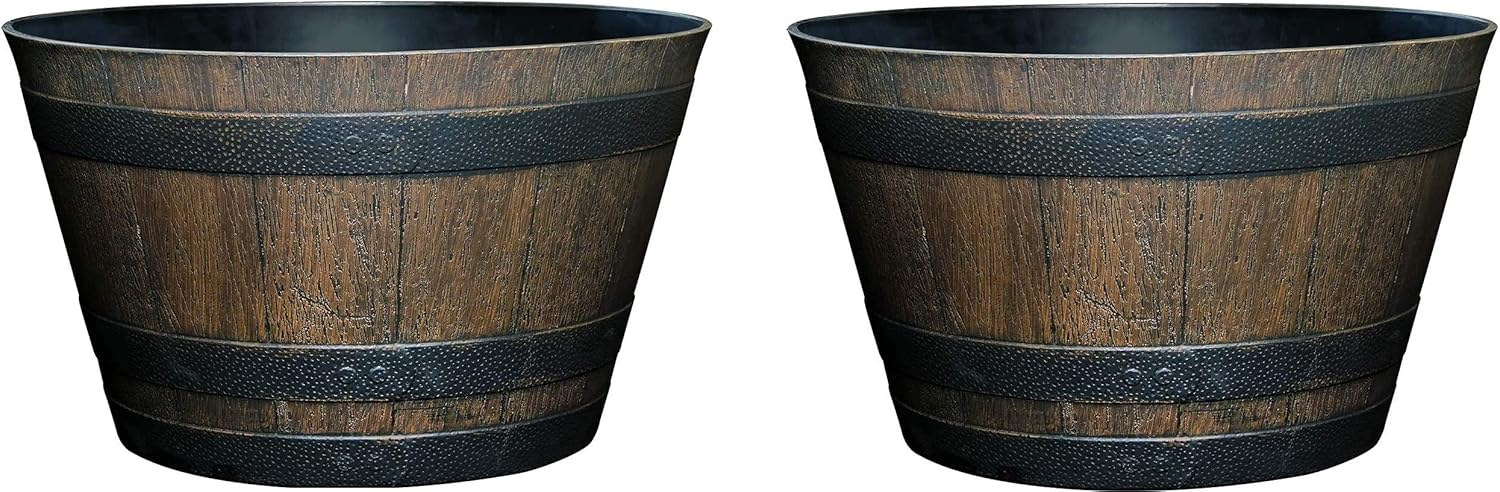
Classic Home and Garden Whiskey Resin Flower Pot Barrel Planter, Distressed Oak Brown, 20.5" (Pack of 2)
See current price

Classic Home and Garden
Classic Home and Garden Whiskey Resin Flower Pot Barrel Planter, Walnut Brown, 20.5", 2 Pack
See current price

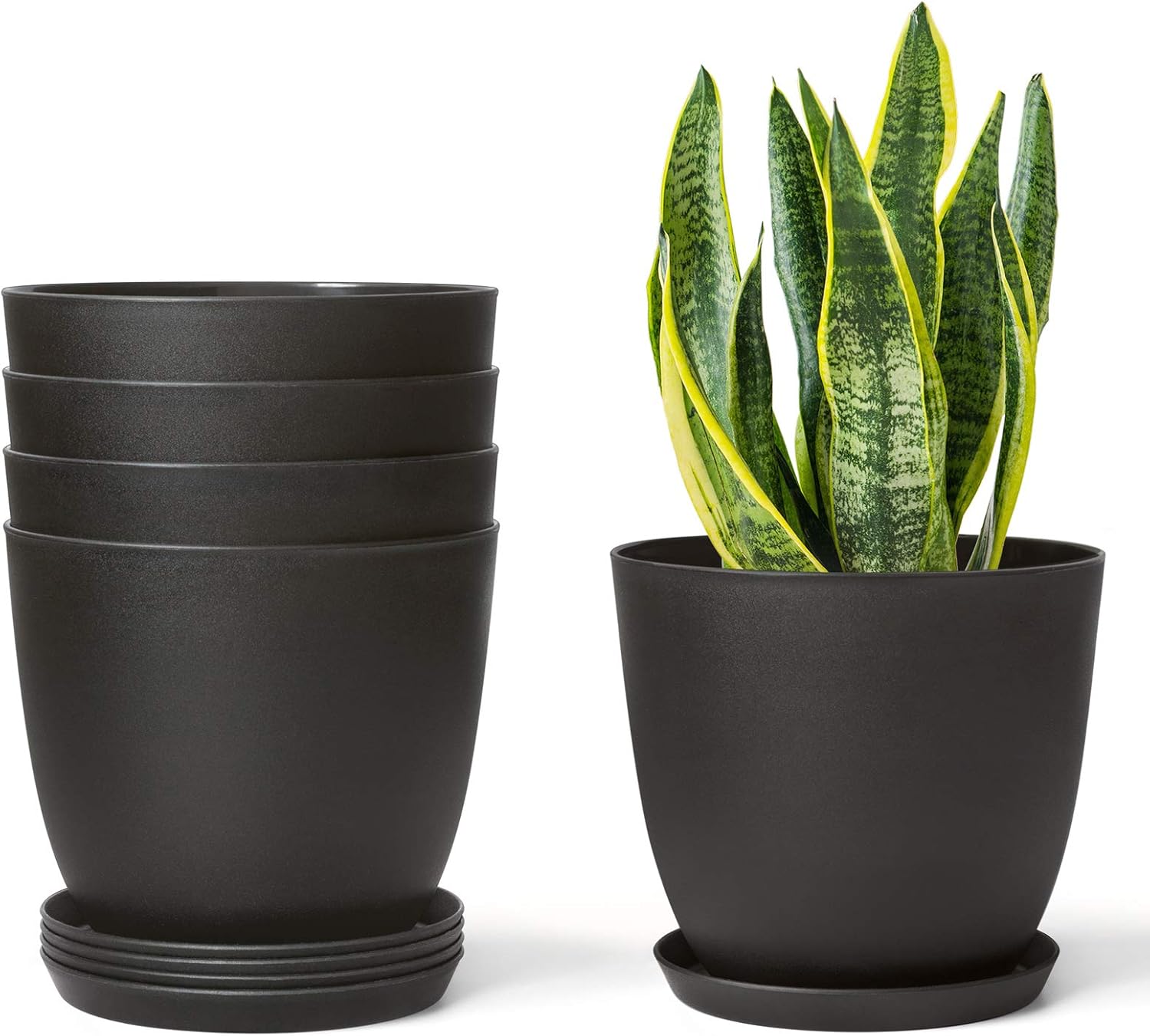


Classic Home and Garden
Classic Home and Garden Honeysuckle Resin Flower Pot Planter, Bamboo Brown, 13"
See current price

Popular brands in Pots, Planters & Container Accessories
Pots and planters make it possible to grow flowers, herbs, vegetables, houseplants, and ornamental foliage in spaces without traditional garden beds. The right container supports healthy roots, fits the available space, and complements your indoor or outdoor setting.
This category brings together containers and accessories in many forms, from practical nursery-style pots to decorative planters and plant-display pieces. Use the catalog to compare specifications and features before checking the current product information on Amazon.
How to choose pots and planters
Start with the plant, the growing location, and the amount of care you expect to provide. A container for a sunny patio may need different material and drainage characteristics than one used for a houseplant on a shelf.
Consider these factors before comparing individual products:
- Plant size and root space: The container should provide appropriate room for the plant’s current root system and expected growth. A pot that is too small may require frequent watering, while an oversized container can hold excess moisture around the roots.
- Location: Measure the available floor, shelf, windowsill, balcony, or tabletop space. For outdoor use, consider exposure to wind, rain, direct sun, and seasonal temperature changes.
- Weight and portability: Ceramic, stone-look, and other substantial planters can be stable but difficult to move. Lightweight resin, plastic, and fabric options may be easier to reposition.
- Appearance: Choose a finish, color, shape, and profile that work with the surrounding décor. Decorative planters can serve as focal points, while simple nursery containers prioritize function.
- Maintenance: Smooth surfaces are generally easy to wipe clean. Textured finishes, woven designs, and fabric containers may have different cleaning and storage requirements.
If you are still planning what to grow, browse Plants, Seeds & Bulbs alongside the available containers. Plant choice, mature size, and watering needs all influence the most suitable pot.
Common container types and uses
The catalog includes products suited to different growing arrangements and display preferences. Since container construction varies by product, compare the listed specifications rather than relying only on appearance.
Floor and patio planters
Larger floor planters can frame an entryway, define a patio area, or hold prominent foliage and flowering plants. Look for a stable base, appropriate overall dimensions, and a material suited to outdoor exposure. If the planter will be moved regularly, handles, a lighter construction, or a compatible stand may be helpful.
Indoor plant pots
Indoor pots are often selected for their proportions, finish, and ability to fit on furniture or near a window. Check whether the item is intended to be used as a planting pot, a decorative cover pot, or both. A cover pot may need a separate inner container to manage drainage and protect surfaces.
Hanging and elevated planters
Hanging planters can use vertical space in rooms, porches, balconies, and covered outdoor areas. Compare the hanging hardware, attachment method, planter weight when filled, and the location where it will be installed. Elevated planters and stands can also make plants easier to view while keeping them off the floor.
Window boxes and rail planters
These containers are designed for narrow spaces and are useful for herbs, flowers, and trailing plants. Pay close attention to the mounting or support method, the container’s width, and how water will drain. Confirm that the intended railing, ledge, or bracket can safely support the filled container.
Fabric and nursery-style containers
Fabric pots and basic growing containers are commonly chosen for propagation, seasonal plants, or practical cultivation. Their flexibility can simplify storage when empty, but the material and structure may not provide the same visual presentation as a rigid decorative planter. Check how the container is intended to be placed and handled when filled.
Features and specifications to compare
Drainage is one of the most important details. Look for a drainage hole or another design that allows excess water to escape, especially for plants that are sensitive to consistently wet soil. If drainage openings are present, check whether the product includes a saucer, tray, plug, or other method for protecting floors and furniture.
Material affects durability, weight, insulation, and appearance. Common choices include plastic, resin, ceramic, metal, wood, fabric, and composite or stone-look materials. Compare the manufacturer’s stated material and intended use, particularly when a container will remain outdoors.
Dimensions should be evaluated in relation to both the plant and the placement area. Check the opening width, height, base width, and interior capacity when those details are provided. The outside dimensions may not indicate the usable planting space if the container has thick walls, a tapered shape, or an integrated reservoir.
Other useful features may include:
- Self-watering reservoirs or water-level indicators
- Drainage trays and removable inserts
- Stackable or collapsible construction
- Drainage plugs for indoor or outdoor use
- Matching saucers, stands, brackets, or hanging hardware
- UV-resistant finishes or weather-oriented construction
- Handles that make a filled container easier to move
For soil selection, compare containers with Soils, Mulches & Planting Media. The growing medium should suit the plant and allow appropriate drainage for the selected pot.
Brands represented in the catalog
K-Catalog includes pots, planters, and accessories from POTEY, Mkono, T4U, MyGift, Bloem, Classic Home and Garden, Rivet, VIVOSUN, HOMENOTE, Alotpower, Greenaholics, and D'vine Dev. These brands may cover different combinations of decorative styling, indoor plant display, outdoor use, propagation, and practical growing.
Brand name alone does not determine whether a container is suitable for a particular plant or location. Compare each product’s material, dimensions, drainage design, included accessories, and care instructions. For a coordinated display, you can also compare the shape and finish of products within the same brand or collection when that information is listed.
Using and caring for container plants
Before adding soil, inspect the container for cracks, blocked openings, loose hardware, or sharp edges. Place a saucer or protective tray beneath containers used indoors or on finished surfaces. Avoid assuming that a decorative planter has drainage simply because it is marketed for plants.
Water according to the plant’s needs and the conditions around the container. Sun, wind, indoor heating, humidity, soil type, and container material can all affect how quickly moisture is lost. Empty standing water from saucers when appropriate, and avoid leaving roots submerged unless the product and plant are specifically designed for that arrangement.
Outdoor containers should be positioned where they will not obstruct walkways or become unstable in wind. Heavy planters may be difficult to move after filling, so choose the final location carefully. Inspect hanging planters, brackets, and support points periodically, especially when the container is exposed to changing weather.
Related supplies can make container gardening easier. Watering Equipment helps with routine care, while Hand Tools can assist with planting and maintenance. For seedlings or controlled growing conditions, see Greenhouses & Plant Germination Equipment. Plants that need help staying upright may benefit from Plant Support Structures.
Frequently asked questions
Do all pots and planters have drainage holes?
No. Some containers are designed as decorative covers, cachepots, reservoirs, or indoor display pieces and may not have an open drainage hole. Check the product specifications and images carefully before planting directly in the container.
How do I choose the right planter size?
Match the container to the plant’s current root space, expected growth, and placement area. Compare the opening, height, interior capacity, and overall footprint rather than judging size from the product photo alone.
Which material is best for outdoor planters?
There is no single best material for every location. Compare weight, weather exposure, durability, drainage, insulation, and maintenance requirements. A stable heavy planter may suit a windy area, while a lightweight option may be easier to move.
Can a decorative planter be used indoors?
It can be, provided it is suitable for indoor placement and will not allow water to damage the surrounding surface. Use a saucer, tray, inner pot, or drainage plug when appropriate, and confirm whether the planter is intended for direct planting.
What should I compare for hanging planters?
Review the planter’s dimensions, filled weight considerations, hanging hardware, attachment point, drainage design, and intended location. The supporting hook, bracket, ceiling, railing, or other structure must be appropriate for the loaded container.
Are saucers and stands included with planters?
Not always. Check the listed contents and specifications for each product. A saucer, stand, liner, bracket, or hanging chain may be sold separately even when shown with the planter in product images.