
Emma Stone (Actor), Octavia Spencer (Actor), Tate Taylor (Director) & 0 more Rated: PG-13 Format: Blu-ray
The Help (Three-Disc Combo: Blu-ray/DVD + Digital Copy)
See current price

Compare industrial controls and indicators by function, electrical specifications, mounting style, and operating environment to find components suited to your system.
438 products in catalog
438 results
Emma Stone (Actor), Octavia Spencer (Actor), Tate Taylor (Director) & 0 more Rated: PG-13 Format: Blu-ray
See current price


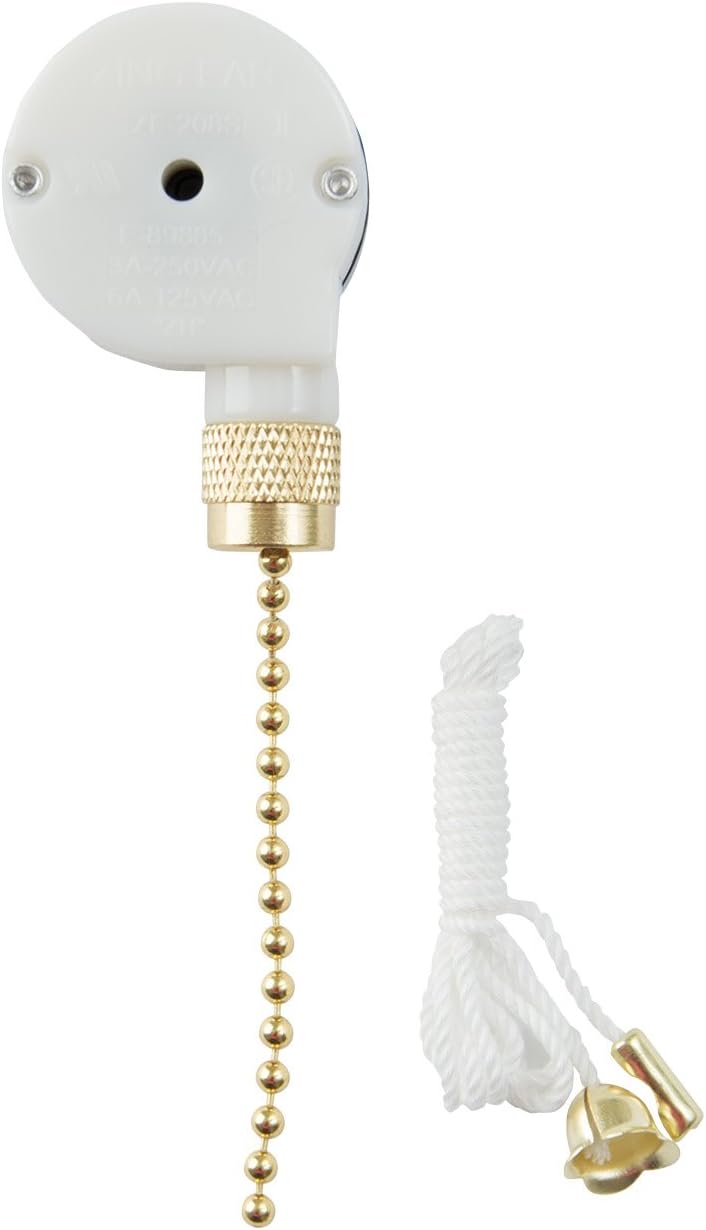
Gardner Bender
See current price

Vince Vaughn (Actor), Jennifer Carpenter (Actor), S. Craig Zahler (Director) & 0 more Rated: NR Format: Blu-ray
See current price


Heschen
See current price


George Lopez (Actor), Odette Annable (Actor), Lev L. Spiro (Director) & 0 more Rated: Unrated Format: Blu-ray
See current price

QTEATAK
See current price


Controls and indicators help operators interact with equipment and understand its operating status. This category covers components used to start, stop, select, signal, and monitor industrial electrical systems, from panel-mounted controls to visual status indicators.
When comparing products, begin with the role the component must perform. A control may switch a circuit or send an input to a larger control system, while an indicator communicates a condition through light or another visible signal. Compatibility with the rest of the installation is just as important as the component’s appearance or actuation style.
Define the electrical and mechanical requirements before comparing individual products. Important questions include:
Product specifications should be checked against the equipment documentation and the applicable installation requirements. If a control will be integrated with a PLC, relay system, motor starter, or other automation equipment, verify that its contacts and signal characteristics match the receiving device.
Controls and indicators can be grouped by how they are operated and what they communicate. Push-button controls are commonly considered for start, stop, reset, and other operator commands. Momentary versions return to their original position after actuation, while maintained controls stay in the selected state until changed.
Selector switches are useful when an operator must choose between operating modes or settings. Key-operated versions can help limit access to a control, while illuminated selectors combine mode selection with a visible status signal. Toggle switches and rocker-style controls may suit compact panels or equipment where a clear mechanical position is helpful.
Pilot lights and other panel indicators show whether a circuit, function, or machine condition is active. Compare the indicator’s color, lens visibility, illumination method, voltage compatibility, and mounting format. For systems that need more information than a simple on-or-off signal, indicators may be used alongside meters, displays, alarms, or sensors.
Pay close attention to the contact configuration and electrical rating. A component that fits mechanically may still be unsuitable if its contacts cannot handle the intended circuit or if the switching arrangement does not match the wiring diagram. Normally open and normally closed contacts serve different control logic requirements, so confirm the required state before ordering.
Also compare:
For controls used in safety-related applications, do not rely on appearance alone. Review the manufacturer’s technical documentation and the equipment’s safety design to determine whether a particular component is appropriate.
The catalog includes controls and indicator products from APIELE, Twidec, Mxuteuk, HiLetgo, Gardner Bender, Baomain, Ulincos, TWTADE, Packard, Gebildet, Taiss, and URBEST. Compare each listing by its stated specifications, connection details, dimensions, and intended application rather than selecting by brand name alone.
Controls often work as part of a larger electrical assembly. Browse Industrial Electrical for the broader category, or compare adjacent components in Wiring & Connecting, Sensors, and Circuit Protection Products. Optoelectronic Products may also be relevant when a design uses light-based signaling or detection.
A control changes or commands an electrical function, such as starting equipment or selecting a mode. An indicator communicates information, such as whether a function is active or a condition is present.
Choose a momentary button when the circuit should respond only while the actuator is pressed. Choose a maintained control when the selected state should remain until the operator changes it.
Check its operating voltage, terminal arrangement, mounting requirements, illumination characteristics, and environmental protection. The indicator must also suit the signal or circuit it is connected to.
These terms describe the contact state when the control is not actuated. Normally open contacts are open at rest, while normally closed contacts are closed at rest.
No. Outdoor use requires a component and enclosure with protection suitable for expected moisture, dust, temperature, impact, and other site conditions. Review the stated environmental specifications before installation.