
DEFLECTAIR
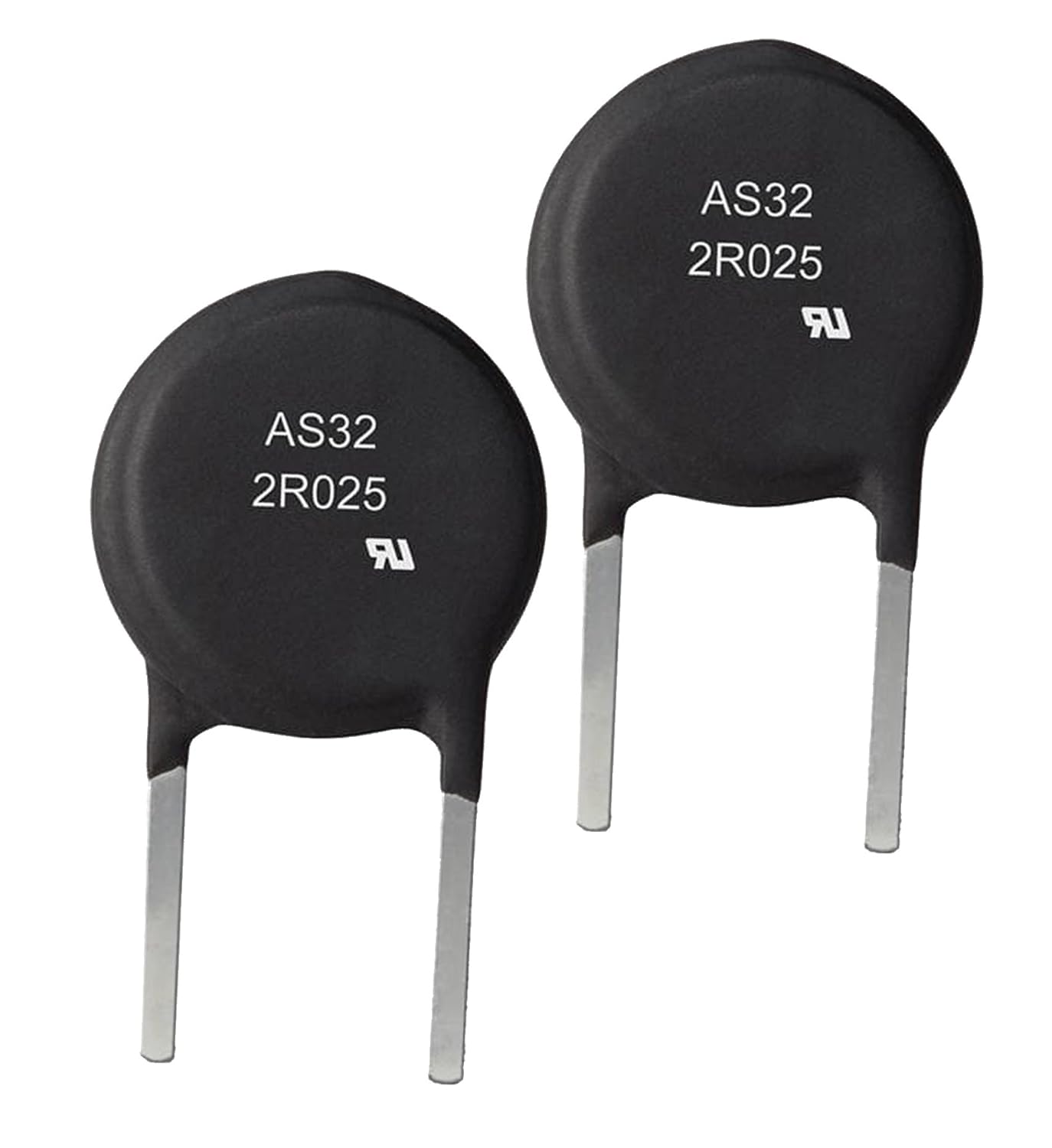
Ametherm SL32 2R025 (Pack of 2) Aqua-Rite Thermistor, ICL 2 OHM 20% 25A 30MM
See current price

Compare circuit protection products for industrial electrical systems by application, specifications, installation method, and compatibility with connected equipment.
8 products in catalog
8 results
DEFLECTAIR
See current price
Ametherm
See current price


Circuit protection products help limit the effects of overloads, short circuits, surges, and other electrical faults. Choosing the right component depends on the circuit’s operating conditions, the type of fault being addressed, and how the protective device must connect to the wider system.
Use this catalog to compare available specifications and features, then confirm the product documentation and installation requirements before purchase. For broader industrial electrical equipment, browse Industrial Electrical or explore related component categories below.
Start by identifying the electrical problem the component is intended to address. Overcurrent protection, transient suppression, thermal protection, and inrush-current limiting are different functions, so a device designed for one purpose may not be suitable for another.
Consider these selection factors:
Always compare the protection device with the equipment it serves. A component’s electrical rating, connection style, and operating behavior should align with the wiring, power source, load, and enclosure.
Circuit protection is a broad category rather than a single product type. The most appropriate design depends on what needs to be protected and how the system should respond to a fault.
These products are used where excessive current could damage wiring or equipment. Compare interruption behavior, operating limits, mounting requirements, and how the device is serviced after activation. Coordination with upstream and downstream protective components can also matter in a larger system.
Transient protection is intended to reduce the effect of brief voltage disturbances. When comparing these products, look at the type of transient addressed, connection arrangement, system compatibility, and any required grounding or installation provisions.
Some electrical loads draw a higher current when first energized. Inrush-current limiting components can help manage that startup condition. Check the expected startup behavior, normal operating conditions, thermal characteristics, and whether the component is suited to repeated energizing cycles.
Thermal protection responds to excessive heat or temperature conditions. Selection may depend on the protected component, the temperature range, the reset behavior, and how the protective device is positioned within the assembly.
Product listings can differ significantly even when components serve a similar purpose. Pay close attention to the manufacturer’s technical documentation and compare specifications consistently.
Important details may include:
Compatibility is more than matching an electrical rating. The component must fit the available space, connect correctly, dissipate heat appropriately, and work with the system’s control and maintenance practices.
Circuit protection products in this catalog include listings from NORCOLD INC, Ametherm, SIEMENS, and DEFLECTAIR. These brands are represented as part of the available catalog selection; compare each listing by its own specifications rather than choosing by brand name alone.
For adjacent electrical components, Wiring & Connecting can help when the main concern is conductors, terminals, or connection hardware. Controls & Indicators is relevant when protection must be considered alongside switching, monitoring, or operator-interface equipment.
Confirm the circuit design before ordering. A protective component should not be selected solely by physical appearance or a general product description. Review the wiring diagram, load characteristics, available fault current, and the manufacturer’s installation instructions.
Check polarity and terminal orientation where applicable, especially in DC systems or board-mounted assemblies. Make sure clearances, creepage distances, ventilation, and heat dissipation meet the requirements of the surrounding enclosure. If a device activates or fails, investigate the underlying electrical condition instead of simply replacing it without checking the circuit.
Related categories may also help when building a complete system: Passive Components, Semiconductor Products, Optoelectronic Products, and Sensors.
They are used to reduce the risk of damage from electrical conditions such as excessive current, short circuits, voltage transients, inrush current, or overheating.
Identify the fault condition, then compare voltage, current, response behavior, installation format, environmental limits, and compatibility with the connected equipment.
No. Reset behavior depends on the product design. Some devices reset automatically or manually, while others require replacement after activation.
No. Different devices address different conditions. Overcurrent protection, surge suppression, thermal protection, and inrush limiting should be evaluated separately for the application.
Confirm the electrical ratings, AC or DC compatibility, wiring and polarity, mounting requirements, clearances, grounding provisions, and manufacturer instructions. When the application is uncertain, consult a qualified electrical professional.