

Sensors for Industrial Electrical Applications
Compare sensors by what they detect, how they communicate, where they can be installed, and how they fit your control system. Review specifications and features before clicking through to Amazon.
22 products in catalog
22 results
Filters

Intermatic Incorporated
Intermatic K4251 120-Volt Thermal Photocontrols with Stem and Swivel Mounting
See current price


Anndason
Anndason 6 Pieces Plastic PP Float Switch Fish Tank Liquid Water Level Sensor,Model: DP5200
See current price

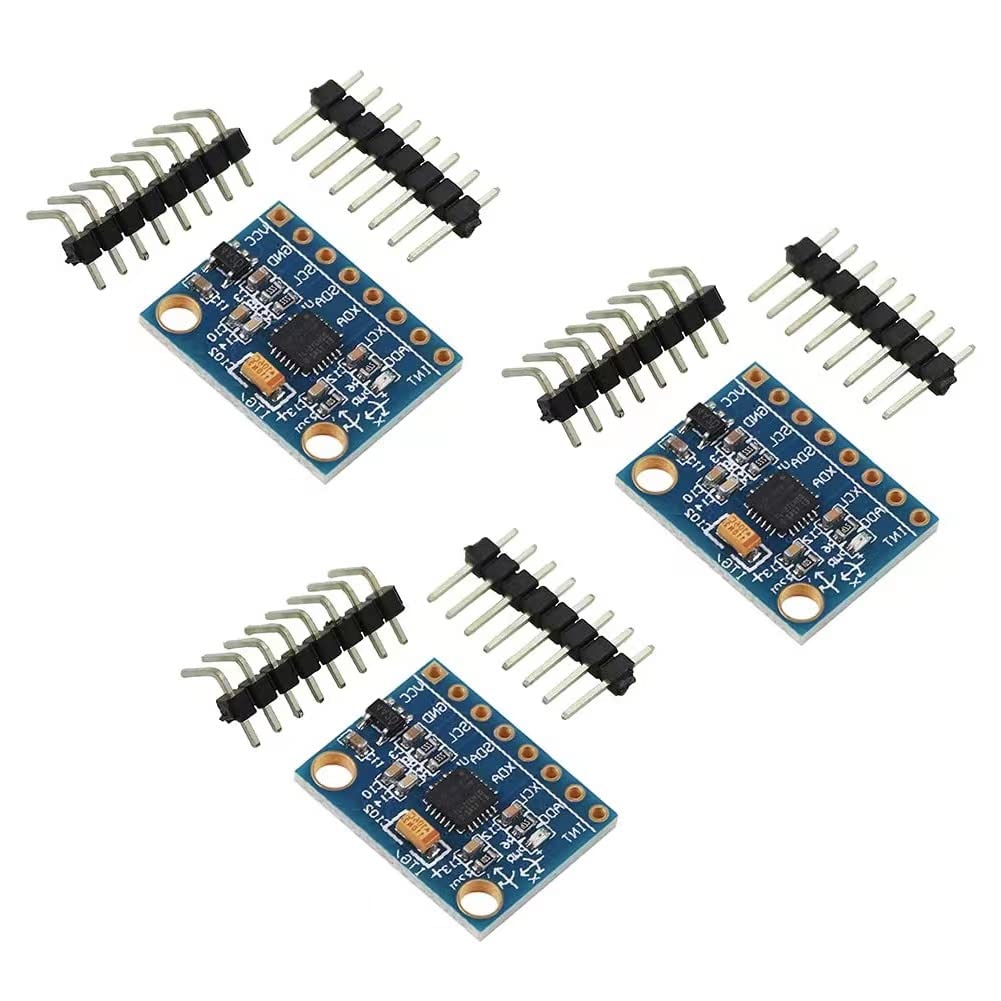


ARCELI
ARCELI ADXL345 3-Axis Digital Acceleration of Gravity Tilt Module Compatible with GY-291
See current price
Popular brands in Sensors
Sensors convert changes in the physical environment into an electrical signal that a controller, monitor, or connected device can use. Depending on the application, that change may involve motion, light, temperature, water, pressure, position, or another measurable condition.
This Sensors category is part of Industrial Electrical. Use the catalog to compare available specifications and features, then verify installation details and system compatibility before choosing a product.
How to choose a sensor
Start with the condition you need to detect or measure. A sensor designed for presence detection is selected differently from one intended to monitor temperature or liquid level. Define the application first, then compare the technical details that affect installation and operation.
Important questions include:
- What is being sensed? Identify the target material, movement, environmental change, or operating condition.
- What output does the system need? Check whether the sensor provides a switch, relay, analog, digital, or other signal type that your controller can accept.
- What power is available? Confirm the required voltage, current, and connection method before installation.
- Where will it operate? Consider exposure to moisture, dust, heat, vibration, chemicals, or outdoor conditions.
- How far away is the target? Detection range, sensing distance, and field of view can affect placement and reliability.
A sensor may be electrically compatible but still unsuitable if its sensing range, response behavior, mounting method, or environmental protection does not match the application.
Common sensor types
Sensor categories are often distinguished by the physical property they detect. Common applications include:
- Motion and presence sensors: Used for occupancy detection, lighting control, security-related automation, and equipment activation.
- Temperature sensors: Monitor heat in equipment, enclosures, water systems, and process environments.
- Light and optical sensors: Detect brightness, interruption, reflection, or the presence of an object.
- Water and moisture sensors: Help identify leaks, liquid levels, or changing moisture conditions.
- Proximity and position sensors: Detect an object without direct contact or confirm the location of a moving part.
- Pressure and flow sensors: Measure changes in air, gas, or liquid systems where the appropriate sensor design is required.
The catalog does not divide these products into separate subcategories, so compare each listing by its stated sensing function and intended application rather than by appearance alone.
Specifications and features to compare
The most useful specifications depend on the sensor type, but several details are broadly important:
- Sensing range and accuracy: Check the operating distance or measurement span, along with any stated accuracy or tolerance.
- Response time: Faster response may matter for moving equipment, automation, or safety-related monitoring.
- Output and switching behavior: Review normally open or normally closed operation, signal format, load capability, and whether a controller or relay is required.
- Operating voltage and current: Match the electrical requirements to the available power supply and connected equipment.
- Connection and mounting: Compare wire leads, terminals, connectors, threaded fittings, brackets, adhesive mounting, or other installation methods.
- Environmental suitability: Look for information about water resistance, enclosure protection, operating temperature, vibration, and outdoor use.
- Reset and adjustment options: Some applications require adjustable sensitivity, delay, threshold, calibration, or manual reset.
For a complete installation, you may also need compatible Wiring & Connecting products. Systems that use a sensor to start, stop, or signal equipment may also involve Controls & Indicators.
Brands represented in the catalog
Brands represented in this category include HiLetgo, Square D, Westek, SP CONNECT, VATEEN W, ELEGOO, CrocSee, Ecosmart Water Heaters, URBEST, GOODSMANN, Sundance Spas, and WayinTop. They may cover different sensor designs, applications, and connection styles, so compare the specifications of each individual listing rather than assuming products from one brand are interchangeable.
For projects involving signal processing or electronic assemblies, related Passive Components, Semiconductor Products, and Optoelectronic Products may also be relevant. If the sensor is part of a protected electrical installation, review Circuit Protection Products as well.
Installation and compatibility tips
Before ordering, identify the controller, relay, appliance, or monitoring device that will receive the sensor signal. Confirm voltage, current, polarity, terminal arrangement, and signal logic from the product specifications and the equipment documentation.
Plan the sensor’s physical position as carefully as its electrical connection. Nearby lighting, motors, heat sources, reflective surfaces, water flow, or moving parts can influence performance depending on the sensing method. Keep cables routed as recommended, protect exposed connections, and use suitable enclosures where the environment demands it.
Do not rely on a sensor for a critical safety function unless the product documentation specifically supports that use and the complete system is designed accordingly. Disconnect power before wiring or servicing electrical equipment, and follow applicable installation instructions.
Frequently asked questions
What type of sensor should I choose?
Choose based on the physical condition you need to detect or measure, such as motion, temperature, light, water, position, pressure, or flow. Then match its output and power requirements to the receiving equipment.
Are sensors interchangeable?
Usually not. Sensors can differ in voltage, output signal, wiring, mounting, sensing range, and switching behavior. Compare the full specifications before substituting one model for another.
What does sensing range mean?
Sensing range describes the distance, area, or measurement span in which the sensor can detect or measure its target. Actual performance can also depend on target material, alignment, and environmental conditions.
Do I need a controller or relay with a sensor?
It depends on the sensor output and the equipment being controlled. Some devices connect directly to compatible equipment, while others require a relay, controller, indicator, or signal-conditioning component.
Can a sensor be used outdoors?
Only when its environmental specifications support outdoor conditions. Check protection against moisture, dust, temperature changes, sunlight, and the installation requirements before use.