
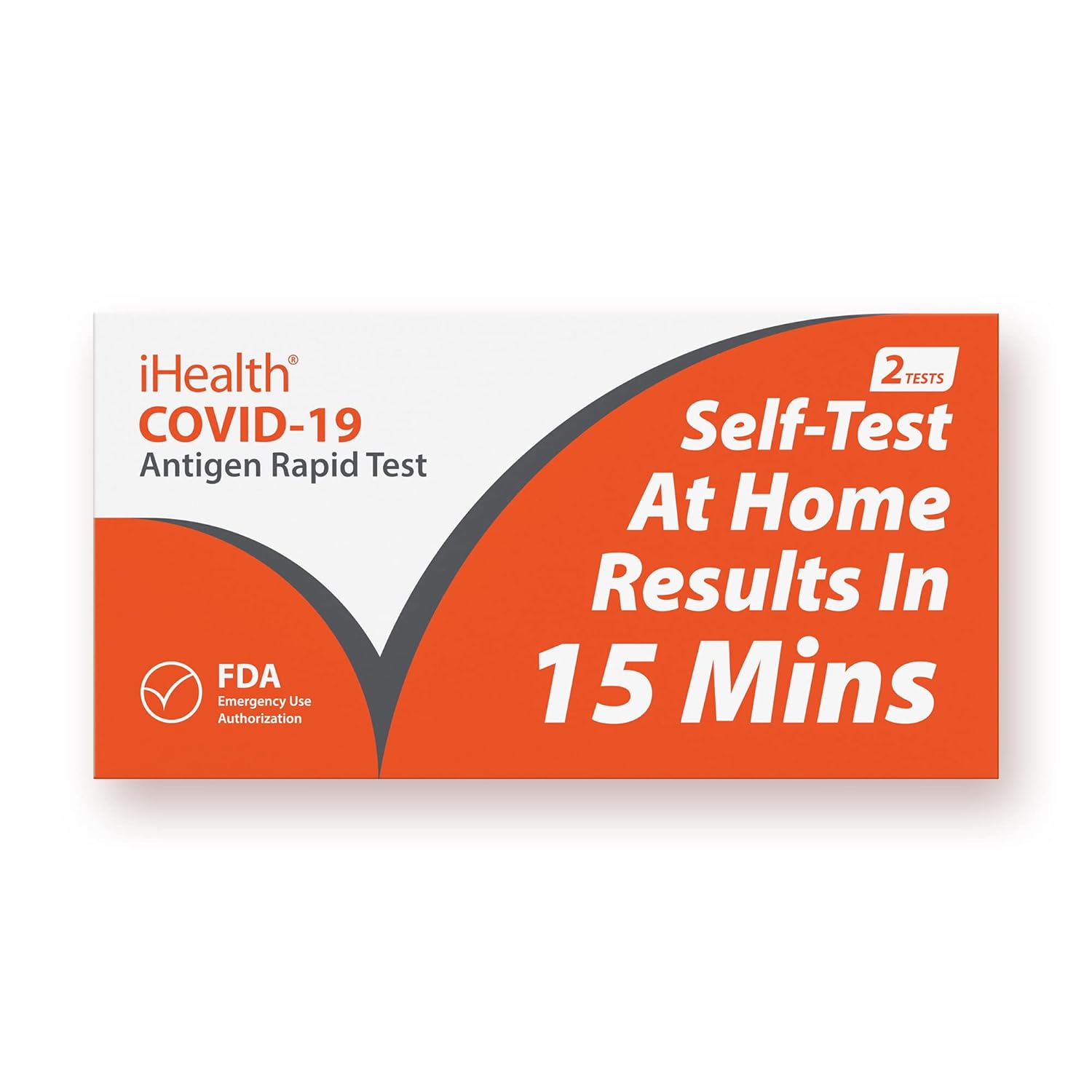
Diagnostics & Screening Equipment
Explore diagnostics and screening equipment for clinical, emergency, and professional healthcare settings. Compare specifications, intended uses, and practical features before checking current product details on Amazon.
752 products in catalog
752 results
Filters


3M Littmann
3M Littmann Classic III Monitoring Stethoscope, Lemon-Lime Tube, 27 inch, 5839
See current price


3M Littmann
3M Littmann Stethoscope, Cardiology IV, Black Tube, Black Chestpiece, 27 Inch, 6163
See current price


Abbott Rapid Diagnostics
BinaxNOW COVID-19 Antigen Self Test, 1 Pack, 2 Tests Total, COVID Test With 15-Minute Results Without Sending to a Lab, Easy to Use at Home
See current price


MDF Instruments USA
MDF Moulin Blanc Metalika MD One Epoch Lightweight Titanium Stethoscope, Adult, Moulin Blanc Tube, Metalika Chestpieces-Headset, MDF777TMCMT
See current price

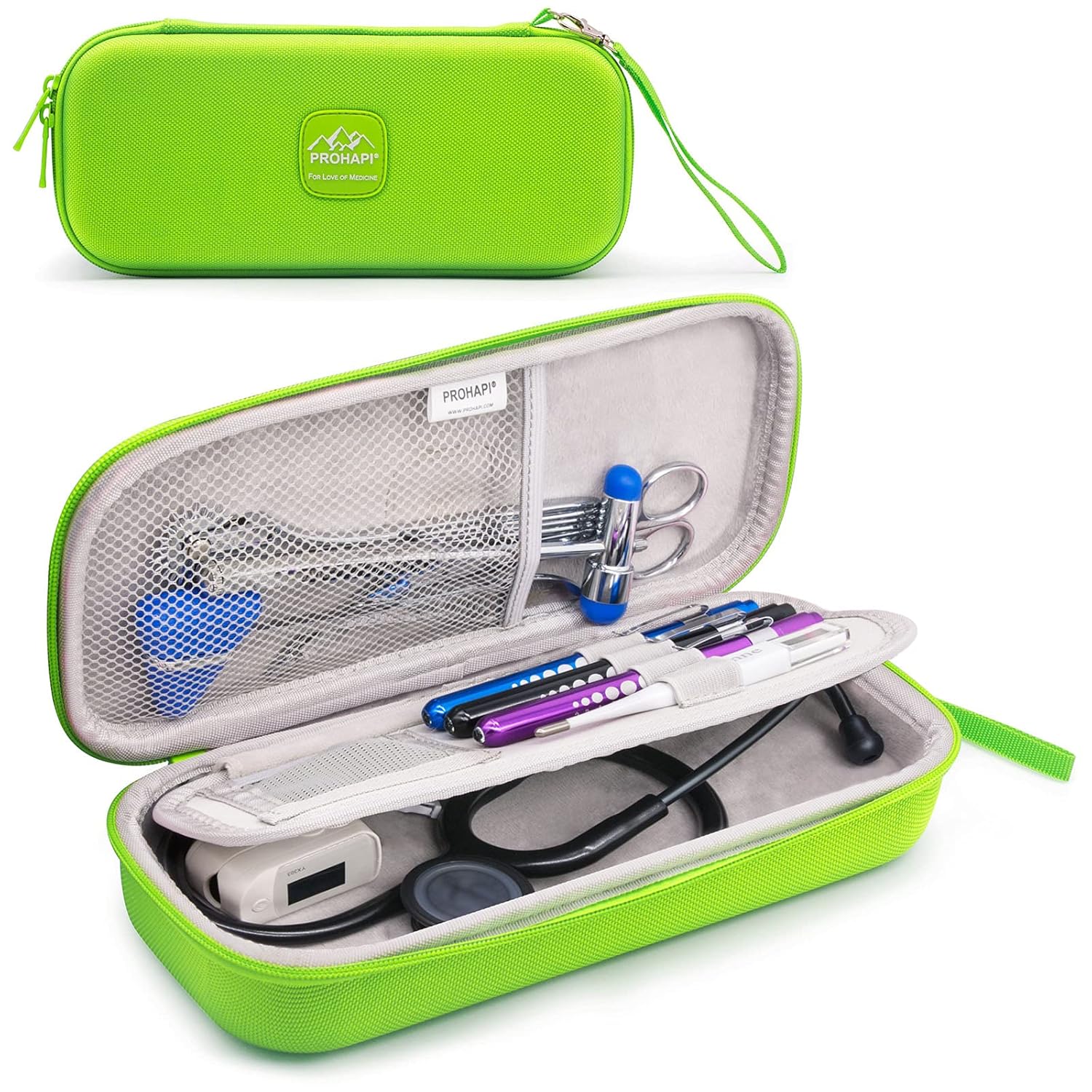
caseling
Case fits 3M Littmann Stethoscope & other Stethoscopes. Extra room for Nurse and Medical Equipment.
See current price


3M Littmann
3M Littmann Stethoscope, Cardiology IV, Black Tube, Stainless Steel Chestpiece, 27 Inch, 6152
See current price
Popular brands in Diagnostics & Screening
Diagnostics and screening equipment supports routine checks, patient assessment, and the identification of findings that may require further evaluation. This category brings together tools with different purposes, operating methods, and levels of portability, so the right choice depends on the task, care setting, and users involved.
Use the catalog to compare product specifications and features rather than choosing by appearance alone. Equipment intended for professional use should also be selected and operated according to applicable workplace procedures and manufacturer guidance.
How to choose diagnostics and screening equipment
Start by defining what the equipment needs to do. A product for general physical assessment may have different requirements from one intended for emergency response, repeated examinations, or focused screening. Consider:
- Clinical purpose: Identify the body system, measurement, or examination the product supports.
- Setting: Decide whether it will remain in a treatment room, move between rooms, or travel in an emergency kit.
- Users: Check whether the controls, display, markings, and operating method suit the intended clinicians or trained staff.
- Workflow: Consider setup time, cleaning between uses, storage, and how quickly results or observations can be recorded.
- Documentation: Look for clear labeling, instructions, and specifications that make the product easier to use consistently.
For equipment that produces measurements, review the stated measurement range, resolution, display format, and operating conditions. A specification that looks useful in isolation may not suit the actual examination process or patient population.
Common types and uses
Diagnostics and screening is a broad category. Products may support physical examination, basic observation, vital-sign assessment, or more specialized screening tasks. Common distinctions include:
- Manual diagnostic tools: These may be useful when a clinician needs direct observation or hands-on assessment, with portability and durability often important.
- Electronic screening devices: These can offer digital displays, powered operation, or additional measurement features. Check the power source, controls, startup process, and any included accessories.
- Emergency and field equipment: Compact construction, protective storage, visibility, and fast access may matter more when equipment is carried to different locations.
- Single-patient or replaceable components: Some products use disposable or replaceable parts to support hygiene procedures and workflow requirements.
The broader Professional Medical Supplies category may help when the diagnostic item needs to be selected alongside other clinical equipment. For hands-on procedures, compare it with Instruments & Surgical Tools, while related patient-care needs may fit Examination Supplies & Consumables.
Key specifications and features to compare
Specifications should be matched to the intended use, not simply compared as a checklist. Pay attention to:
- Power and battery requirements: Confirm whether the device uses replaceable batteries, rechargeable power, an adapter, or no power source. Check how charging and storage fit the workplace routine.
- Size and weight: Compact equipment may be easier to transport, while a larger form may provide a more comfortable grip, clearer display, or more stable placement.
- Materials and cleaning: Review the manufacturer’s cleaning and disinfection instructions. Not every material or housing is compatible with every cleaning product.
- Accessories and compatibility: Check what is included and whether cuffs, probes, sensors, heads, leads, cases, or replacement parts are compatible with the main unit.
- Readability and controls: Displays, scales, markings, buttons, and indicators should be easy for the intended user to interpret in the working environment.
- Calibration and maintenance: For measurement equipment, review any stated calibration, verification, inspection, or maintenance requirements before purchase.
If the equipment will be used with other devices, verify connector types, supported accessories, and any system requirements rather than assuming universal compatibility.
Brands represented in the catalog
The catalog includes diagnostics and screening products from brands such as 3M Littmann, Littmann, Prestige Medical, Primacare, MDF Instruments USA, American Diagnostic Corporation, ADC, Elite Medical Instruments, Dixie EMS, CAVN, Mabis, and Opoway. These brands are represented in the catalog across different product styles and use cases; compare each item’s specifications and intended application individually rather than relying on brand name alone.
Practical use and safety considerations
Keep diagnostic equipment clean, protected, and easy to locate between uses. Follow the product instructions for cleaning, disinfection, battery handling, storage, and replacement parts. Avoid using equipment outside its stated purpose or treating a screening result as a diagnosis without appropriate professional evaluation.
Before ordering, check the complete product description for included components, sizing information, operating requirements, and compatibility. If your facility has purchasing or infection-control standards, confirm that the selected product fits those requirements. Additional care needs may be covered in Wound Care & Dressings, Fluid Administration & Collection, or Respiratory & Anesthesia Equipment. Protective workwear and related clothing can be found under Apparel.
Frequently asked questions
What is included in diagnostics and screening equipment?
This category can include tools and devices used for physical examination, observation, measurement, and screening. The exact function varies by product, so review each listing’s specifications and intended use.
How do I compare diagnostic devices?
Compare the measurement or examination purpose, operating method, display or markings, power requirements, size, accessories, cleaning instructions, and maintenance needs.
Are these products suitable for home use?
Suitability depends on the specific product and its intended user. Check the manufacturer’s instructions and confirm that the equipment is appropriate for the setting and the person operating it.
What should I check before buying electronic screening equipment?
Review power and charging requirements, measurement specifications, display readability, compatible accessories, cleaning guidance, and any stated calibration or maintenance requirements.
How should diagnostic equipment be cleaned?
Follow the manufacturer’s cleaning and disinfection instructions for the specific materials and components. Do not assume that a general household cleaner is suitable.