

Examination Supplies & Consumables
Compare examination supplies and consumables for clinical, diagnostic, and everyday exam-room workflows. Review materials, dimensions, packaging, and intended use before choosing products.
97 products in catalog
97 results
Filters


Barg Engine
Spectra 360 Electrode Gel - Parker Laboratories - 60g (2oz) Tube - (Pack of 3)
See current price

Perfect Stix
Perfect Stix Tongue Depressors, Non-Sterile, 6", 500 Ct Senior, Pack of 500ct, Brown
See current price


Surgilube
Surgilube Surgical Lubricant Sterile Bacteriostatic Jelly - 4.25 Ounces Each (Value Pack of 3)) (3 Pack)
See current price

McKesson Brand
McKesson Tongue Depressor, Non-Sterile, Wooden, Adult, 6 in, 500 Count
See current price

McKesson Corporation
McKesson Exam Table Paper, Premium Crepe, White, 21 in x 125 ft, 12 Count
See current price
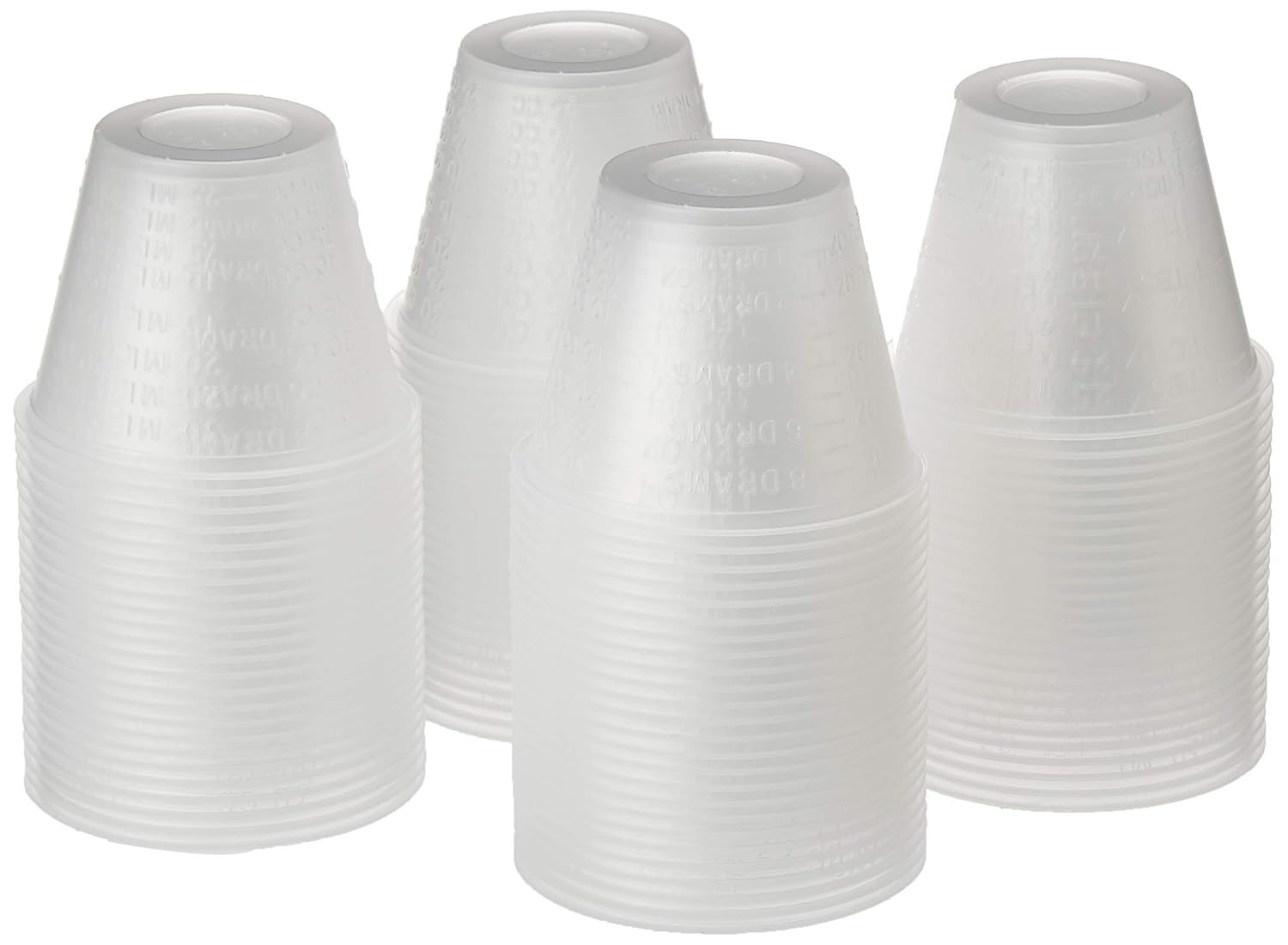
A WORLD OF DEALS
A WORLD OF DEALS AWOD6511 1 oz. Non-Sterile Graduated Plastic Medicine Cups, 100 Piece, Clear
See current price
McKesson Brand
McKesson Tongue Depressor, Non-Sterile, Wooden, Adult, 6 in, 500 Count
See current price


McKesson Corporation
McKesson Exam Table Paper, Premium Smooth, White, 21 in x 225 ft, 12 Count
See current price


Popular brands in Examination Supplies & Consumables
Examination supplies and consumables support routine patient care, assessment, specimen handling, and exam-room preparation. Because many of these products are used once or replaced regularly, practical details such as material, size, packaging, and storage can matter as much as the basic product type.
This K-Catalog category brings together options from brands including Medline, Wellden, Dynarex, PECULA, SPECTRA, Perfect Stix, ScripHessco, McKesson, McKesson Brand, AVALON PAPERS LLC, McKesson Corporation, and Graham-Field. Compare the specifications and features on each listing, then check the current product information on Amazon before purchasing.
How to choose examination supplies
Start with the task the supply needs to support. A product intended for general exam-room use may have different requirements from one used for specimen collection, patient hygiene, screening, or procedural preparation. The right choice should fit the workflow without creating unnecessary waste or compatibility issues.
Consider these points when comparing products:
- Intended use: Confirm that the item is appropriate for the examination, procedure, or handling task.
- Material: Check whether the construction suits the required strength, flexibility, absorbency, cleanliness, or patient-contact needs.
- Size and dimensions: Compare measurements carefully, particularly for items that must fit equipment, containers, storage areas, or a specific patient-use setting.
- Packaging: Look for information about individual wrapping, bulk packaging, dispensing format, and how supplies will be stored and accessed.
- Disposable or reusable workflow: Verify whether the product is designed for single-use handling or for a process that includes cleaning and reuse.
- Documentation: Review the listing for directions, warnings, intended-use details, and any compatibility information provided by the manufacturer.
Types of supplies to compare
This category is broad, so shoppers may encounter several kinds of examination-room consumables in one place. Common product purposes include patient examination, basic screening support, specimen handling, surface preparation, hygiene, and routine clinical organization.
For equipment or care needs outside this category, browse related areas such as Diagnostics & Screening, Instruments & Surgical Tools, and Wound Care & Dressings. Apparel may also be relevant when selecting garments or protective wear for staff and patients.
When comparing similar listings, identify the specific format first. Two products may serve a similar general purpose but differ in dimensions, absorbency, construction, packaging, or suitability for a particular setting. Reading the full specification section helps separate those differences from the product title alone.
Key features and specifications
Dimensions and capacity are especially important for consumables used with trays, containers, dispensers, or other clinical equipment. Check the stated measurements rather than relying on a generic size description.
Material and construction can affect handling and performance. Look for information about texture, flexibility, thickness, absorbency, rigidity, or surface finish when those characteristics relate to the task.
Pack and case information helps with inventory planning. Compare the unit of sale, number of pieces or units included, and whether items are packaged for convenient dispensing. If the listing does not provide a detail you need, verify it before ordering.
Storage requirements should match the available supply area. Consider whether the packaging can remain protected from moisture, dust, heat, or damage during normal storage and use. Supplies used less frequently may need a different inventory approach than high-turnover exam-room items.
Brands represented in the catalog
The catalog includes examination-related listings from Medline, Wellden, Dynarex, PECULA, SPECTRA, Perfect Stix, ScripHessco, McKesson, McKesson Brand, AVALON PAPERS LLC, McKesson Corporation, and Graham-Field. Brand availability can vary by product type, so compare the specifications, packaging, and intended use of individual listings rather than selecting by brand name alone.
If the supply is part of a larger clinical workflow, related categories may help complete the selection. For fluid-related needs, see Fluid Administration & Collection. For airway or sedation-related equipment, browse Respiratory & Anesthesia Equipment.
Practical purchasing and storage tips
Keep frequently used consumables organized by function and replenishment needs. Before reordering, compare the current listing with the item already in use, including dimensions, packaging format, and any equipment compatibility requirements. This is particularly useful when a familiar product has multiple variants.
Inspect packaging information before use and follow the manufacturer’s directions. Do not substitute a supply for a different clinical purpose unless its labeling and professional protocols support that use. For products involving patient contact, specimen handling, or infection-control procedures, follow the requirements of the relevant facility and applicable professional guidance.
Frequently asked questions
What should I compare first?
Begin with intended use, then check material, size, packaging, and any compatibility or handling information provided in the listing.
Are examination consumables always single-use?
Not necessarily. Confirm the product’s labeling and instructions. Do not assume an item is reusable or disposable based only on its appearance.
Why do dimensions matter for basic supplies?
Dimensions can affect fit, handling, storage, dispensing, and compatibility with trays, containers, or other equipment.
How can I compare similar products?
Review the full specifications, pack format, materials, intended use, and manufacturer information instead of relying only on the product title.
What if a required specification is missing?
Avoid guessing. Check the manufacturer’s documentation or confirm the detail through the product listing before purchasing.
Where can I find related clinical equipment?
Diagnostics, instruments, wound care, apparel, fluid administration, and respiratory equipment are available through the related categories linked above.