

Medical Apparel for Professional Settings
Compare medical apparel for clinical, laboratory, caregiving, and other professional environments. Review materials, fit, protection, closure styles, and care requirements before choosing.
2,167 products in catalog
2,167 results
Filters


WECARE
WECARE Disposable Face Mask Individually Wrapped - 50 Pack, Printed Masks - 3 Ply
See current price


WECARE
WECARE Disposable Face Mask Individually Wrapped - 50 Pack, Colored Face Masks
See current price


PM PERFORMOTOR
50 PCS Black Disposable Face Masks 3-Ply Filter Earloop Mouth Cover, Face Mask
See current price


SOOQOO
100 Pcs Black Disposable Face Masks with Elastic Ear Loop,Breathability Comfort
See current price

Biwisy
Biwisy 50pcs 3-Ply Disposable Face Mask Crowded Places with Elastic Earloop Masks
See current price
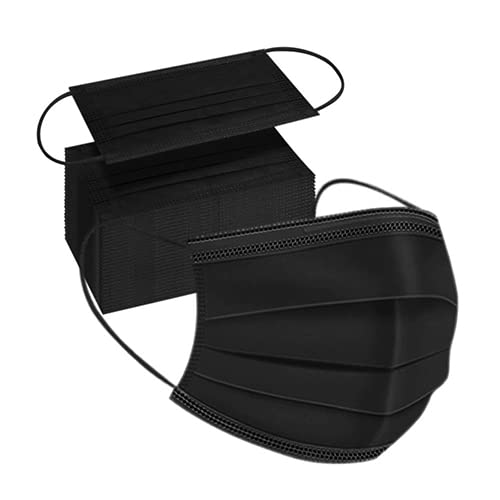
ApePal
ApePal 100pcs Adult Black Face Masks 3 Layer Non-Woven Black Masks for Adjustable Nose Clip
See current price

Comix
Comix Disposable Face Masks, Face-Mask with 3-Layer, Adult Face Mask, Pack of 50
See current price


Popular brands in Apparel
Medical apparel can support cleanliness, comfort, privacy, and workplace readiness in healthcare and related professional settings. The right choice depends on the task, the environment, how often the garment will be worn, and the level of protection required.
This K-Catalog category brings together apparel listings from brands represented in the catalog, so shoppers can compare product specifications and features before visiting Amazon to check current availability and purchase options.
How to choose medical apparel
Start with the intended use rather than appearance alone. Apparel for routine examinations may prioritize comfort and easy movement, while garments used around fluids, procedures, or frequent laundering may need different material and protection characteristics.
Consider these questions before comparing products:
- What activity is it for? Match the garment to examinations, patient care, laboratory work, facility duties, or general professional use.
- What level of coverage is needed? Look at sleeve length, body coverage, openings, and whether the design is intended to be worn over regular clothing.
- How should it fit? A suitable fit should allow walking, bending, reaching, and layering without creating unnecessary loose fabric.
- How will it be cleaned? Check the care instructions and whether the material is practical for the expected washing routine.
- What workplace rules apply? Facility policies may specify colors, garment styles, materials, or protective requirements.
Types of apparel to compare
Medical apparel is a broad category, and product styles can differ considerably. Common options include protective gowns, examination or patient garments, scrub-style clothing, lab coats, aprons, shoe coverings, head coverings, and related accessories. The most appropriate type depends on whether the primary goal is coverage, hygiene, identification, modesty, or protection from routine workplace exposure.
Disposable garments can be useful where quick changes and simplified cleanup are priorities. Reusable apparel may suit settings where durability, comfort, and a repeatable laundering process matter. Some designs are intended for general professional wear, while others are made for more specific tasks. Read the product description carefully to distinguish intended use from general appearance.
For equipment and supplies used alongside apparel, shoppers may also want to browse Examination Supplies & Consumables, Wound Care & Dressings, or Respiratory & Anesthesia Equipment.
Key features and specifications
Material is one of the most important comparisons. Fabric composition can affect softness, breathability, flexibility, opacity, drying time, and resistance to repeated washing. For disposable items, compare the stated construction and intended use rather than assuming that all nonwoven materials provide the same coverage.
Also review:
- Closures: Ties, snaps, buttons, zippers, elastic, and hook-and-loop fasteners each affect adjustability and how quickly the garment can be put on or removed.
- Pockets: Pocket placement and capacity matter when carrying small workplace essentials, but pockets can also add weight or affect the garment’s profile.
- Sleeves and cuffs: Elastic or fitted cuffs may help keep sleeves in place; loose cuffs may be more comfortable for some tasks but require greater care around equipment.
- Sizing information: Compare the product’s measurements with the wearer’s measurements instead of relying only on a usual clothing size.
- Color and opacity: These can affect workplace coordination, privacy, stain visibility, and compliance with facility policies.
- Packaging and care: Check whether the item is intended for single use, whether it can be laundered, and whether special cleaning instructions apply.
Apparel should not be treated as a substitute for task-specific personal protective equipment. Where a workplace requires protection against particular hazards, follow the relevant safety procedures and product specifications.
Brands represented in the catalog
Brands represented in this Apparel catalog include Calabrum, PLAY X, Eventronic, Narita, Sheal, Ammex, Tomorotec, YIDERBO, LUCIFER, Montana West, Edaren, and Assacalynn. Brand availability and product offerings can change, so compare the specifications of each individual listing rather than relying on the brand name alone.
The broader Professional Medical Supplies category can help shoppers find related equipment and consumables. For diagnostic work, see Diagnostics & Screening; for procedure-focused supplies, Instruments & Surgical Tools may be relevant. Fluid Administration & Collection is another related area for clinical supply research.
Fit, care, and workplace use
Before ordering, confirm whether the listed measurements describe the garment itself or recommended body dimensions. If layering is expected, allow enough room for movement without choosing an excessively loose fit. Pay particular attention to shoulder width, sleeve length, garment length, and waist or chest measurements.
Follow the care instructions supplied with the item. Washing temperature, drying method, bleach guidance, and ironing restrictions can affect service life and appearance. Reusable garments should be inspected periodically for thinning material, damaged closures, or compromised seams. Disposable apparel should be replaced according to workplace procedures and should not be reused unless the product instructions specifically permit it.
Frequently asked questions
What is medical apparel used for?
Medical apparel can provide coverage, modesty, comfort, workplace identification, and varying degrees of protection in clinical, laboratory, caregiving, and related settings.
Should I choose disposable or reusable apparel?
Choose based on the task, facility policy, expected exposure, laundering capability, and convenience of changing garments. Always follow the product’s stated intended use.
How do I select the right size?
Use the product’s measurement chart and compare it with the wearer’s measurements. Consider movement and any layers that will be worn underneath.
What specifications matter most?
Prioritize intended use, material, coverage, closure style, sleeve design, sizing, care instructions, and any stated protection characteristics.
Can medical apparel replace protective equipment?
Not necessarily. General apparel may provide coverage but may not meet requirements for specific hazards. Follow workplace safety rules and use task-appropriate protective equipment when required.