

Respiratory & Anesthesia Equipment
Compare respiratory and anesthesia equipment by intended use, connection requirements, materials, and care considerations. Review specifications and features to help identify suitable supplies for professional settings.
62 products in catalog
62 results
Filters

FOSHAN GAUNYING ELECTRONICS CO., LTD.
Portable Nebulizer - Nebulizer Machine for Adults and Kids Travel and Household Use, Handheld Mesh Nebulizer for Breathing Problems APOWUS.
See current price


MCR Medical
MCR Medical CPR Rescue Mask, Adult/Child Pocket Resuscitator, Hard Case with Wrist Strap
See current price


WNL Products
WNL Products CPR Rescue Mask, Adult/Child & Infant Pocket Resuscitator, Hard Case Kit with Belt Clip
See current price


American Diagnostic Corporation
ADC Adsafe CPR Mask Pocket Resuscitator Kit with replaceable valve, disposable non-latex gloves, and alcohol wipe; 1 Kit
See current price

Ever Ready First Aid
Ever Ready First Aid CPR Rescue Mask, Adult/Child Pocket Resuscitator, Hard Case with Wrist Strap, Gloves and Wipes
See current price

Mayluck
MAYLUCK Handheld Portable Inhaler Ultrasonic Nebuliser Strong Mist for Baby Kids Adults
See current price

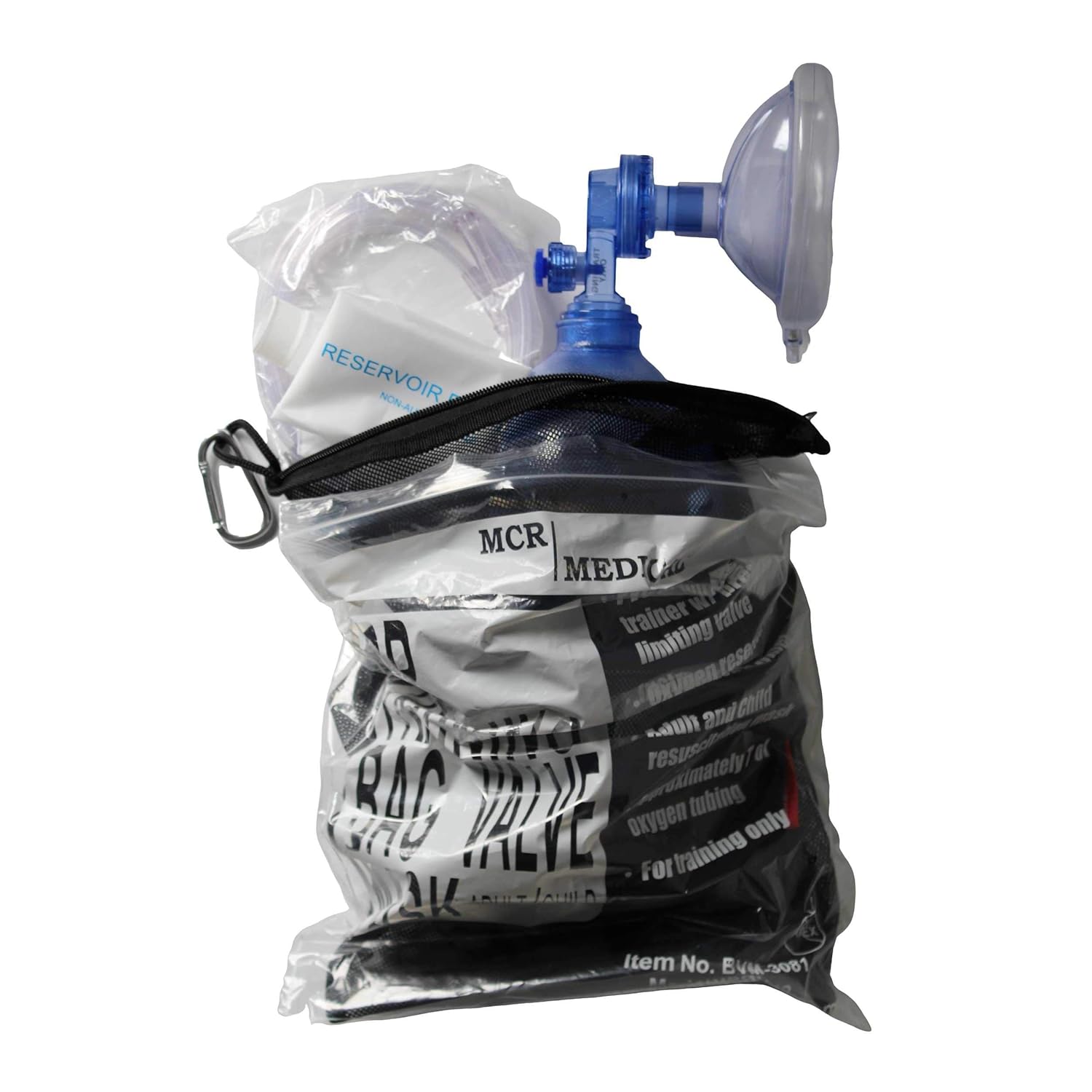


WNL Products
WNL Products CPR Rescue Mask, Adult/Child & Infant Pocket Resuscitator, Soft Case Kit with Belt Clip
See current price


Popular brands in Respiratory & Anesthesia Equipment
Respiratory and anesthesia equipment supports airway management, oxygen delivery, ventilation, monitoring, and related clinical tasks. Because these products can be used in situations where fit and function matter, selection should begin with the intended procedure and the requirements of the healthcare environment.
K-Catalog helps shoppers compare listed specifications and features before visiting Amazon to check availability and current purchasing information. The catalog is part of Professional Medical Supplies and can be considered alongside other clinical supply categories when assembling equipment for a practice, emergency kit, or care setting.
How to choose respiratory and anesthesia equipment
Start by identifying the exact task the equipment must support. Airway management, assisted ventilation, oxygen administration, anesthesia delivery, and emergency response can call for different product designs and connection standards. A product that appears similar may not be appropriate for the same application, so confirm its intended use before comparing convenience features.
Consider who will use the equipment and where it will be used. Professional facilities may have established protocols, compatible machines, cleaning procedures, and storage requirements. Mobile or emergency kits may place greater emphasis on portability, packaging, and quick access. Always follow applicable clinical guidance and workplace procedures when selecting or using medical equipment.
Types of equipment to compare
There are no listed subcategories on this page, so shoppers may need to compare individual products by function rather than by a predefined product group. Common areas to investigate include:
- Airway equipment: Check the intended patient application, sizing information, shape, and connection details.
- Oxygen and respiratory supplies: Compare the delivery method, tubing or connector compatibility, adjustability, and intended setting.
- Ventilation and resuscitation equipment: Look for information about operating method, included components, portability, and compatibility with other equipment.
- Anesthesia-related accessories: Confirm the product’s role in the anesthesia setup, connection standards, materials, and required supporting equipment.
- Monitoring or support items: Review what the item is designed to measure or support and whether additional devices are needed for operation.
These descriptions are starting points for comparison, not substitutes for professional training or facility protocols.
Key specifications and features
Compatibility is one of the most important checks. Review connector type, tubing size, attachment method, and any stated equipment requirements. If a product is intended to work with a particular system, confirm that the system and accessory specifications match before ordering.
Sizing and fit can affect usability and performance. Check dimensions, patient-use information, adjustable features, and any manufacturer guidance supplied in the listing. When a product is intended for more than one user or application, verify that the available sizes or configurations meet the needs of the setting.
Materials and construction may influence durability, flexibility, cleaning, and storage. Compare the listed materials, reusable or disposable designation, and instructions for handling. Do not assume that similar-looking products have the same cleaning or sterilization requirements.
Also review packaging and included components. A product may be sold as an individual item, a set, or an accessory intended to accompany another device. Confirm exactly what is included, especially when preparing a complete airway, oxygen, or anesthesia setup.
Brands represented in the catalog
Brands represented in this category include MCR Medical, Ever Ready First Aid, ASOMI, Dornvap, FOSHAN GAUNYING ELECTRONICS CO., LTD., Archer MedTech, WillHealth, Lightning X Products, WNL Products, CPR Assistant, sororal, and Mayluck. Use brand names as a way to organize catalog results, then compare the specifications, intended use, compatibility information, and care instructions for each individual listing.
Related professional medical supplies
Respiratory equipment is often selected as part of a broader clinical supply plan. For diagnostic devices and screening-related products, browse Diagnostics & Screening. Items used during procedures can be compared in Instruments & Surgical Tools, while protective garments and related supplies are collected under Apparel.
Other useful areas include Examination Supplies & Consumables, Fluid Administration & Collection, and Wound Care & Dressings. Reviewing related categories can help identify supporting supplies that are needed for the same workplace or response kit.
Frequently asked questions
Who should select or use respiratory and anesthesia equipment?
Selection and use should follow the requirements of the healthcare setting and applicable professional protocols. Equipment may require trained users, especially when it relates to airway management, ventilation, or anesthesia.
What should be checked first when comparing products?
Begin with intended use and compatibility. Then compare dimensions, connections, materials, included components, care instructions, and any stated patient or equipment requirements.
How can compatibility problems be avoided?
Match connector types, tubing specifications, attachment methods, and supporting equipment requirements with the equipment already in use. If a specification is unclear, consult the responsible clinical or procurement professional before ordering.
Are these products reusable or disposable?
That depends on the individual product. Check the listing for its stated use, materials, cleaning or sterilization guidance, and disposal instructions rather than relying on appearance.
Why do included components matter?
Some products function as accessories and may require additional tubing, connectors, devices, or supplies. Reviewing the package contents helps avoid selecting an incomplete setup.
Where can shoppers check purchasing information?
After comparing specifications and features on K-Catalog, shoppers can follow the product listing to Amazon to check the current availability and purchasing information.