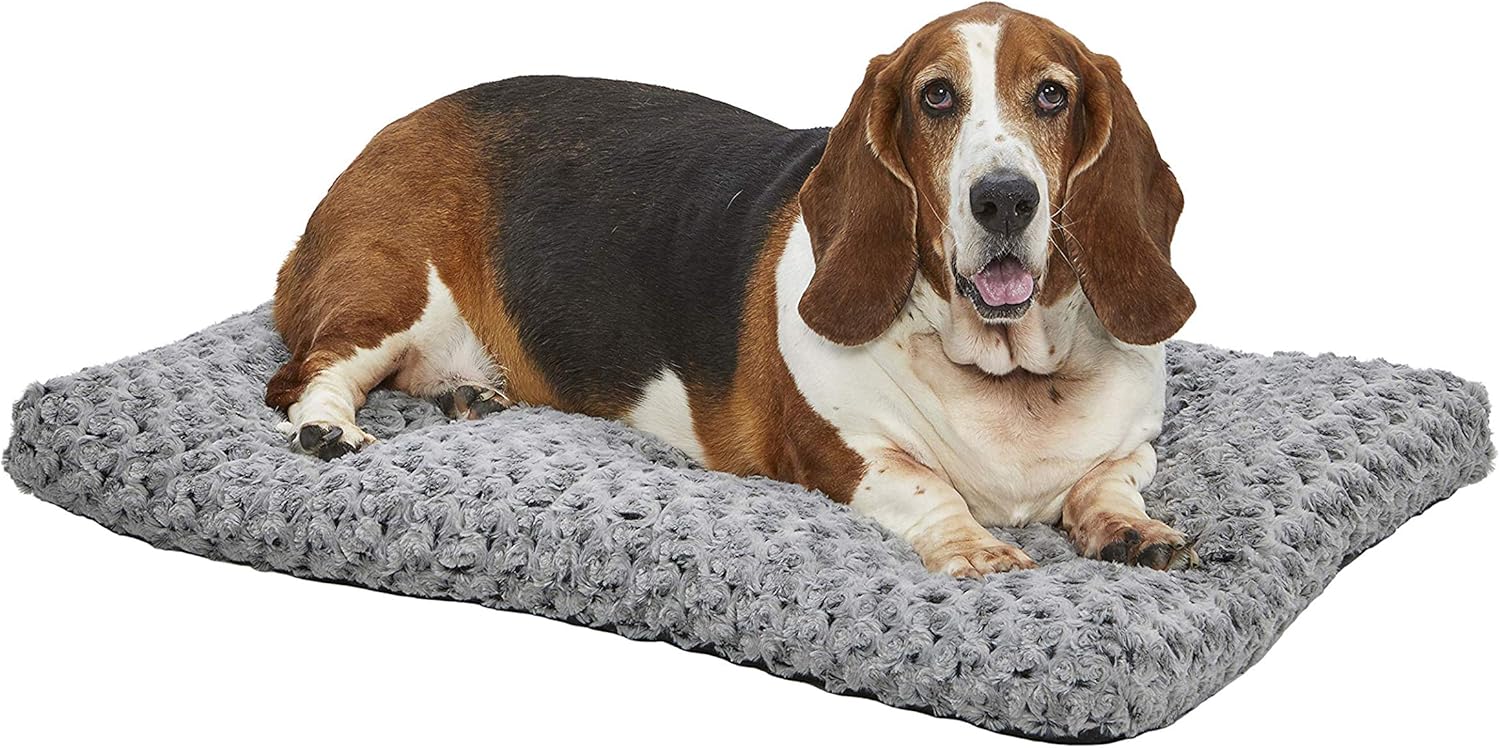
MidWest Homes for Pets
MidWest Homes for Pets Deluxe Dog Beds Super Plush Dog & Cat Beds Ideal for Dog Crates Machine Wash & Dryer Friendly, 1-Year Warranty
See current price

Explore dog beds and furniture in a range of styles, materials, and support levels. Compare specifications and features to find an option suited to your dog, home, and routine.
2,644 products in catalog
2,644 results
MidWest Homes for Pets
See current price


Amazon Basics
See current price


Amazon Basics
See current price
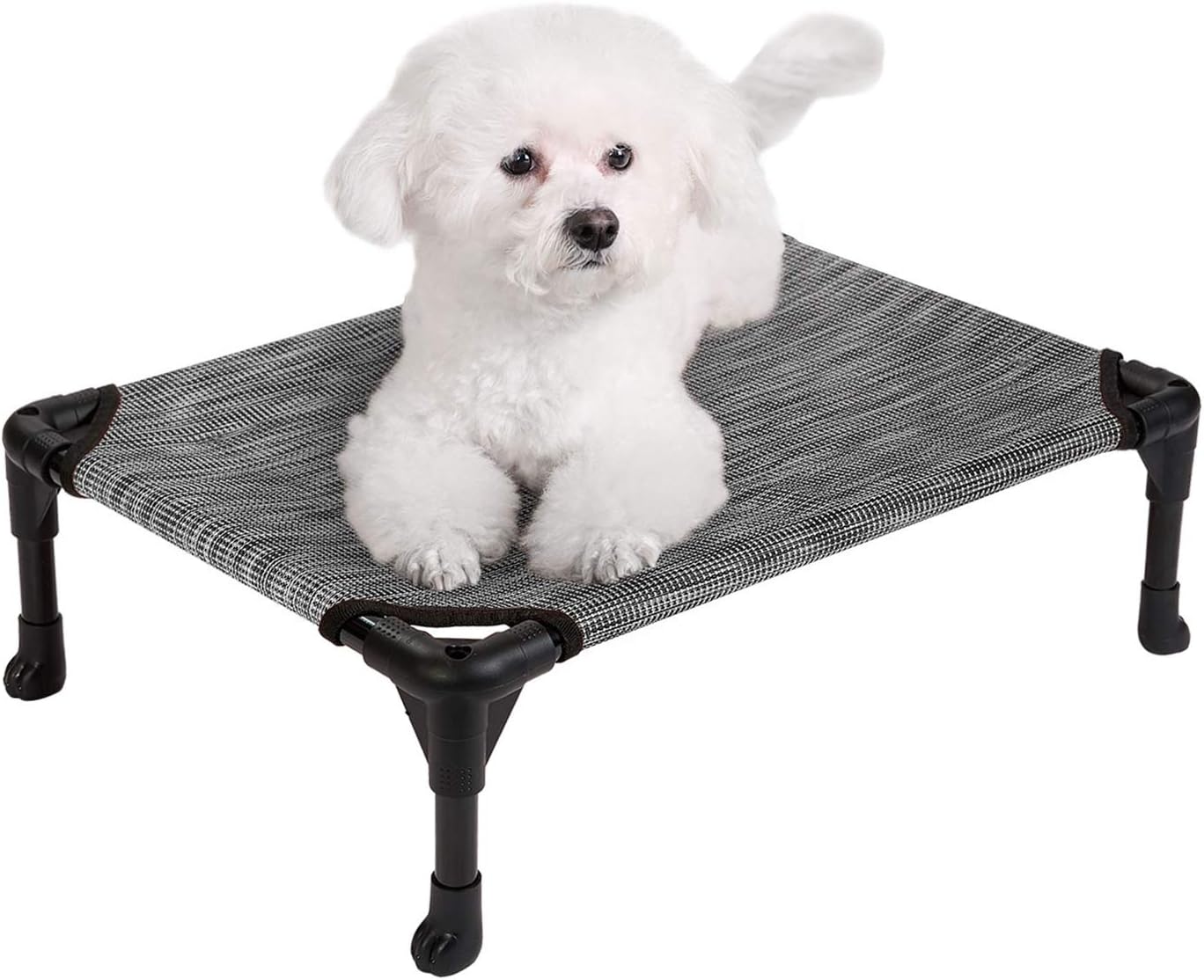


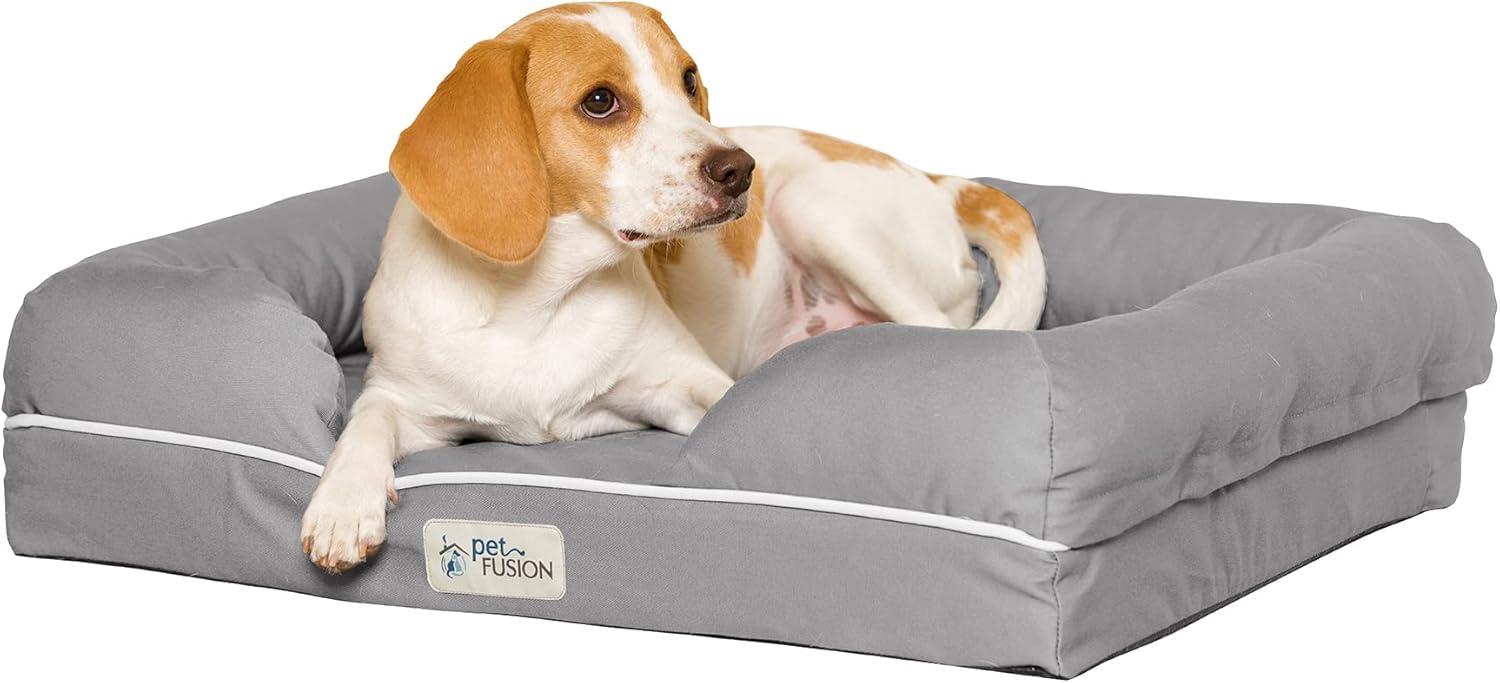
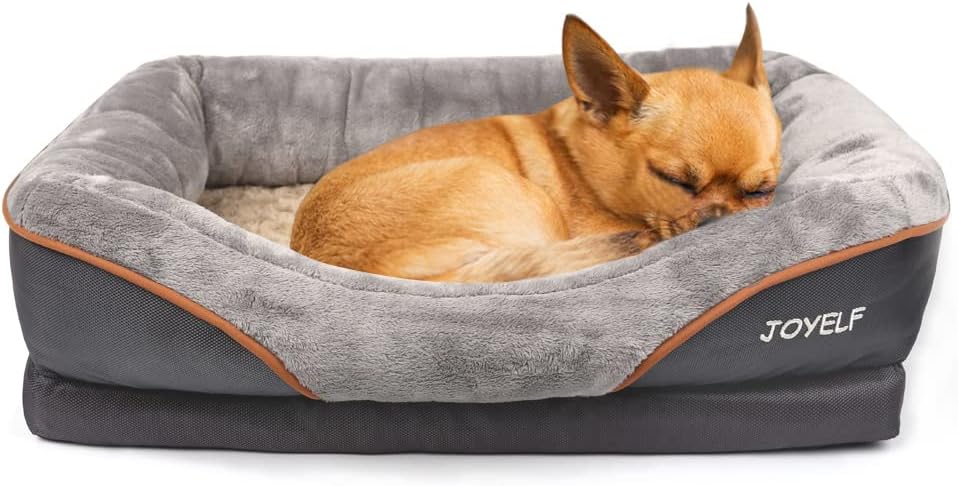

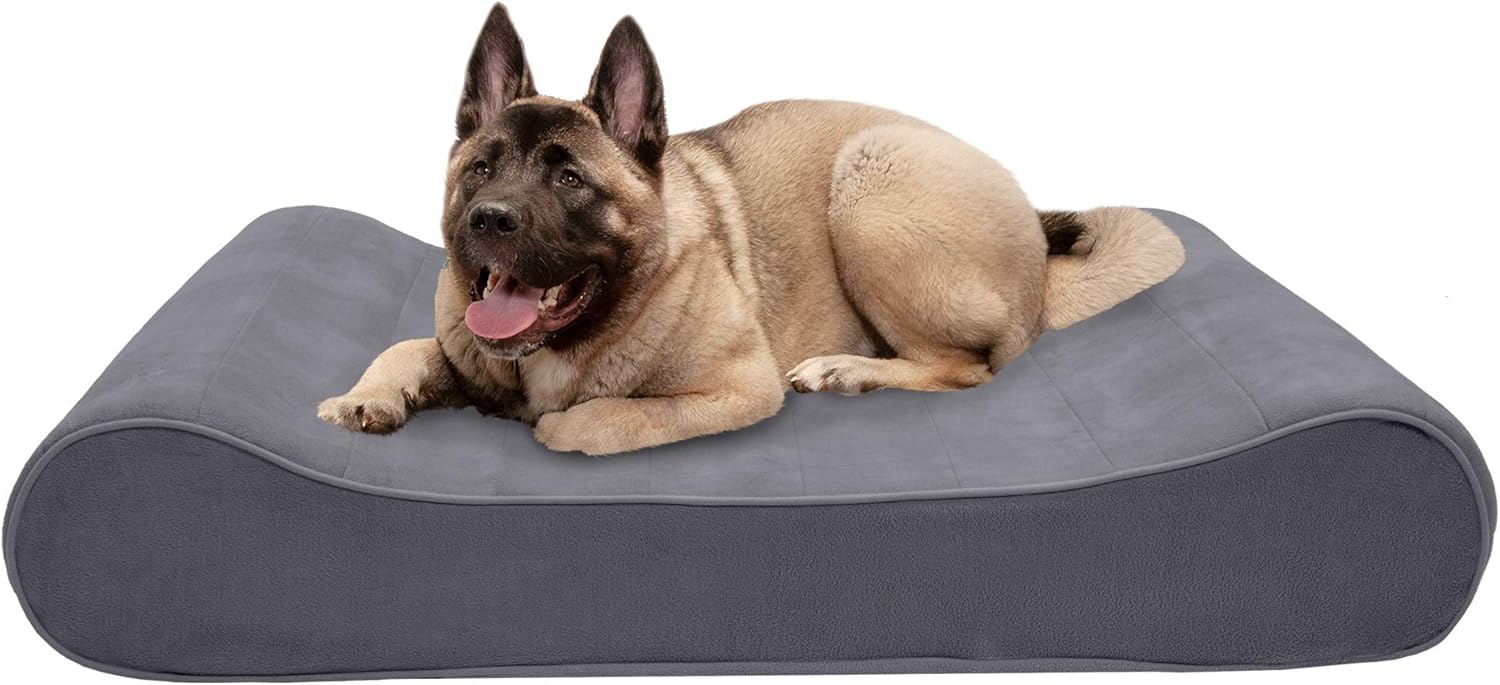

K&H PET PRODUCTS
See current price


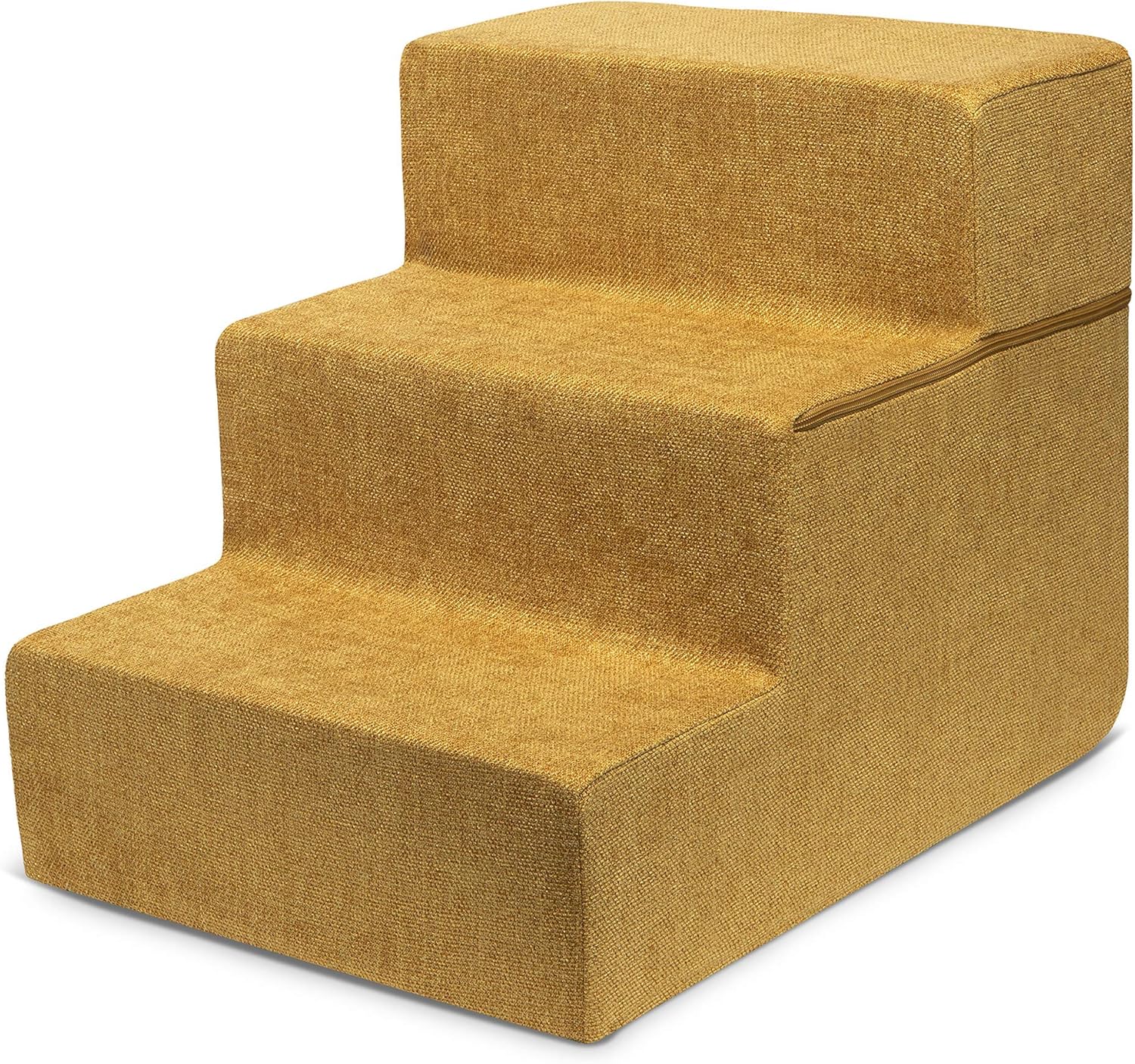


PAWZ Road
See current price

A comfortable resting space can give your dog a consistent place to sleep, relax, and settle after activity. The right choice depends on more than appearance: your dog’s size, sleeping position, age, mobility, chewing habits, and the available space all matter.
K-Catalog helps shoppers compare dog beds and furniture by the details that affect everyday use. Review dimensions, construction, materials, cleaning instructions, and special features before clicking through to Amazon to check current availability and price.
Start with your dog’s measurements rather than relying only on breed labels or general size descriptions. Measure from nose to tail while your dog is resting, then allow enough room to stretch, turn, or change positions. A bed that is too small can be uncomfortable, while an oversized design may not provide the enclosed feel some dogs prefer.
Consider your dog’s usual sleeping style:
The best fit also depends on where the furniture will go. Check the available floor area, doorways, and storage space, particularly for large beds or raised furniture.
Dog beds and furniture vary in how they support the body, manage temperature, and fit into a room. Flat mats are simple options for crates, travel, kennels, or dogs that prefer an unobstructed surface. Bolster beds add raised sides that can provide a headrest and a more enclosed feel.
Sofa-style and furniture-style beds can blend into living areas while giving dogs a designated resting place. Cave and covered beds offer more privacy for dogs that like to burrow or retreat. Elevated beds lift the sleeping surface away from the floor, which can help with airflow and may be useful in warmer spaces.
Some products combine a bed with storage, steps, a platform, or another piece of pet furniture. Compare the full dimensions and intended use carefully so the design works for both your dog and your home.
Pay close attention to the product information rather than judging a bed by its photos alone. Useful details include:
Check whether listed measurements include bolsters, legs, or external frames. Also confirm the recommended weight or size guidance when it is provided.
The catalog includes dog beds and furniture from Veehoo, Barkbox, Furhaven, JoicyCo, XZKING, K&H PET PRODUCTS, Lacher, ANWA, fuguitex, Amazon Basics, Clothink, and KROSER. Comparing products across these brands can help shoppers evaluate differences in dimensions, fabrics, support, cleaning features, and furniture style without assuming that one brand suits every dog or household.
Place the bed in a quiet area where your dog can rest without being isolated from the household. Keep it away from strong drafts, direct heat sources, and locations where people may trip over the frame or legs. For puppies or dogs that chew, inspect seams, fasteners, covers, and structural parts regularly and remove damaged pieces from use.
Wash or clean the bed according to its care instructions. Vacuuming loose hair and debris between washes can help keep the sleeping area fresher. If the bed has a removable cover, check that the filling and internal support can be cleaned separately. When buying furniture with steps, platforms, or elevated frames, confirm that it is stable on the intended floor surface.
For other dog essentials, browse Collars, Harnesses & Leashes, Toys, Grooming, or Health Supplies. Apparel & Accessories and Treats offer additional ways to compare products for your dog’s routine.
Measure your dog while stretched out and compare those measurements with the usable sleeping area, not just the product’s outside dimensions. Leave enough room for turning and repositioning.
Bolster, nest, and covered beds may suit dogs that like raised edges or an enclosed space. Compare the interior area and opening size to make sure the bed is easy to enter and exit.
They can make routine cleaning simpler, especially for dogs that shed, track in dirt, or spend a lot of time outdoors. Check the care instructions for both the cover and the filling.
Look for stable construction, supportive cushioning, and an entry that does not require climbing. A low-access design may be easier to use, but it should still provide adequate insulation and support.
Not necessarily. Consider your dog’s comfort, mobility, jumping ability, and the stability of the frame. Compare the platform height, surface, weight guidance, and placement before choosing one.