Outward Hound
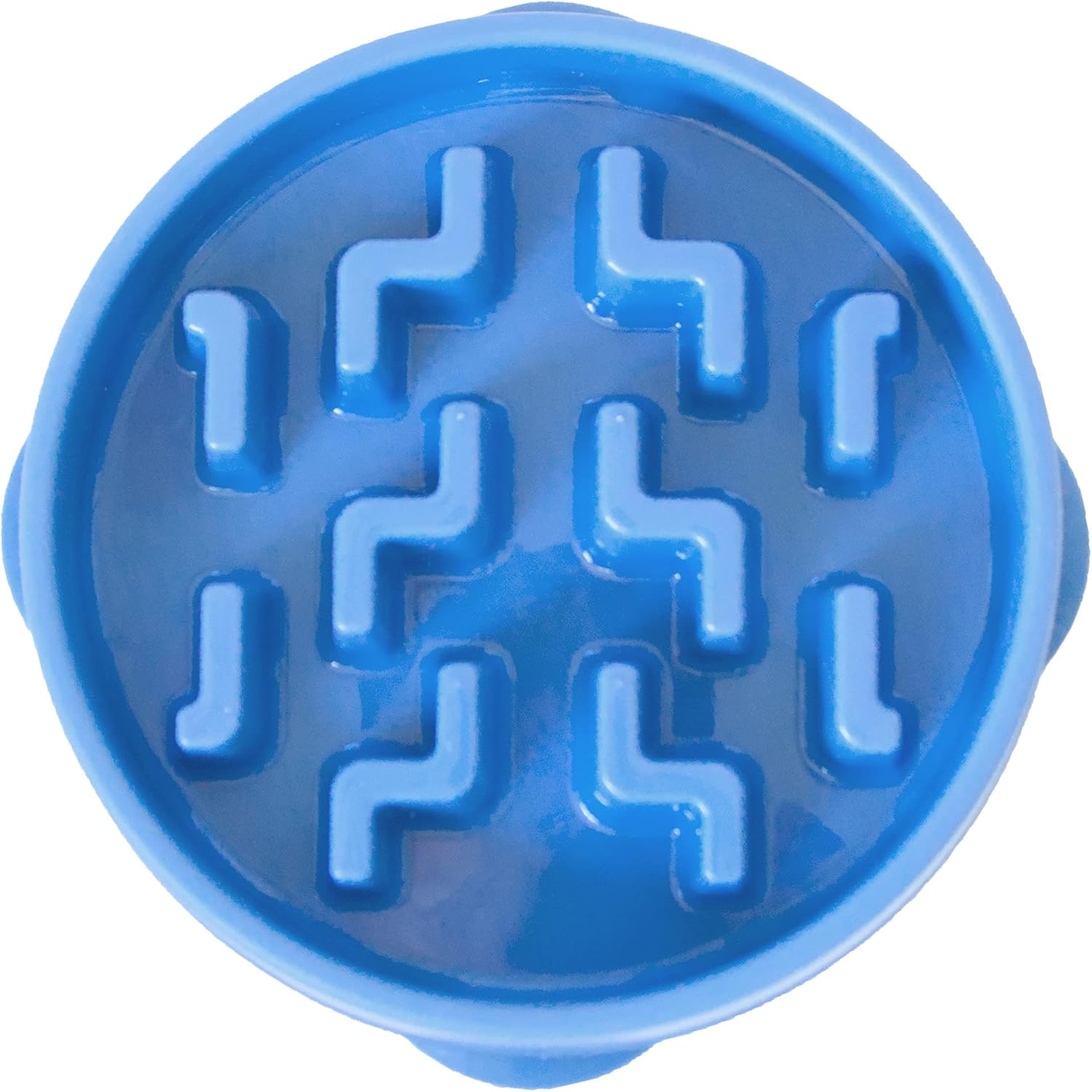
Outward Hound Fun Feeder Slo Bowl, Slow Feeder Dog Bowl, Large/Regular, Blue
See current price

Compare dog bowls, feeders, water dispensers, and related supplies by materials, capacity, stability, and cleaning needs. Browse specifications to find options suited to your dog and daily routine.
2,575 products in catalog
2,575 results
Outward Hound
See current price


PEGGY11
See current price


TopDawg Pet Supply
See current price


Amazon Basics
See current price

MidWest Homes for Pets
See current price

Bone Dry
See current price


Choosing the right feeding and watering supplies can make everyday care more convenient for both dogs and their owners. The best fit depends on your dog’s size, eating habits, activity level, and where meals and water will be served.
This category brings together products for regular feeding, hydration, portion management, travel, and cleaner mealtimes. Compare the available specifications and features to narrow the selection for your home, yard, crate area, or on-the-go setup.
Start with the way your dog eats and drinks. A bowl that is easy to tip or slide may be frustrating for an enthusiastic eater, while a low-profile design may work better for a smaller dog. For homes with more than one dog, consider whether separate bowls or a larger shared water setup will be easier to manage.
Key factors to consider include:
Traditional bowls are a straightforward choice for daily meals and hydration. Compare their diameter, height, base design, material, and capacity. Some options are designed to reduce movement, while others prioritize portability or a compact footprint.
Raised bowls can provide a more structured feeding area and may be useful for dogs or households that prefer food and water at a higher level. Check the stand height, bowl dimensions, stability, and whether bowls can be removed for cleaning.
Specially shaped bowls can make food harder to consume quickly, while portion-oriented feeders help organize meals. Examine the interior layout, opening size, compatibility with the food you serve, and how thoroughly the product can be cleaned.
Automatic feeders and gravity-fed waterers can help manage access to food or water between regular refills. Compare programming controls, power requirements, reservoir capacity, dispensing mechanisms, and backup considerations before choosing one for your routine.
Collapsible bowls, lightweight containers, and portable water solutions are useful for walks, trips, training sessions, and outdoor activities. Look for details about folded size, closure design, leak resistance, attachment points, and ease of carrying.
Product descriptions can vary, so compare like-for-like details where possible. Measure the space available before selecting a feeding station, fountain, or dispenser, especially if it will sit inside a crate, on a mat, or in a narrow kitchen area.
For powered products, check the required power source, control method, replaceable or removable components, and any included accessories. For water fountains and dispensers, review the reservoir design and cleaning requirements. For bowls, pay close attention to dimensions, weight, base construction, and whether the bowl is intended for food, water, or either use.
A mat or designated feeding area can help contain spills, but it is still important to compare the product’s footprint with the surrounding floor space. If your dog is a puppy, senior, short-nosed, or particularly energetic, prioritize accessibility and stability alongside appearance.
The catalog includes feeding and watering products from brands such as Vivaglory, Loving Pets, LEACOOLKEY, UPSKY, IRIS USA, Inc., TANDD, Petmate, Super Design, Our Pets, SLSON, TRIXIE, and JASGOOD. These brands may offer different approaches to bowl construction, feeding control, portability, and water access. Compare each product’s specifications and care instructions rather than choosing by brand name alone.
Feeding supplies are one part of a broader dog-care setup. You can also browse Collars, Harnesses & Leashes, Toys, Grooming, Treats, and Health Supplies. For clothing and other items, see Apparel & Accessories.
Wash food and water vessels regularly, paying attention to seams, grooves, valves, and other areas where residue can collect. Keep an eye on filters, seals, cords, and removable parts on dispensers or fountains, and replace components according to the product instructions.
Place bowls on a stable, easy-to-clean surface and keep fresh water available according to your dog’s normal routine. When introducing an automatic feeder, slow feeder, or unfamiliar bowl shape, observe how your dog uses it and adjust the setup if access seems difficult. For questions about feeding amounts, dietary needs, or changes in drinking behavior, consult a veterinarian.
The right bowl depends on your dog’s size, eating style, and the placement of the feeding area. Compare dimensions, capacity, stability, material, and cleaning requirements.
Not necessarily. Height and design should match the dog and feeding setup. Compare the stand height and bowl position, and ask a veterinarian if you have concerns about a specific dog’s needs.
Look at the pattern and spacing inside the bowl, the size of the openings, the bowl’s stability, and how easily it can be washed. The design should slow access without making food unreachable.
Check power requirements, controls, dispensing settings, reservoir size, cleaning access, and whether the feeder suits the food you plan to use.
Consider capacity, refill access, stability, cleaning steps, and whether the dispenser is manual, gravity-fed, or powered. For fountains, also check filter and pump-related specifications.
Prioritize a compact folded or rolled size, durable construction, easy cleaning, and a design that is convenient to carry and use away from home.