
Living Whole Foods
5 Gallon White Bucket & Lid - Durable 90 Mil All Purpose Pail - Food Grade - BPA Free Plasti (5 Gal. w/Lids - 6pk)
See current price

Compare drum and pail handling equipment by container compatibility, load capacity, mobility, and control. Use product specifications to narrow the options for your workplace.
46 products in catalog
46 results
Living Whole Foods
See current price

TRM Manufacturing
See current price

Vestil
See current price

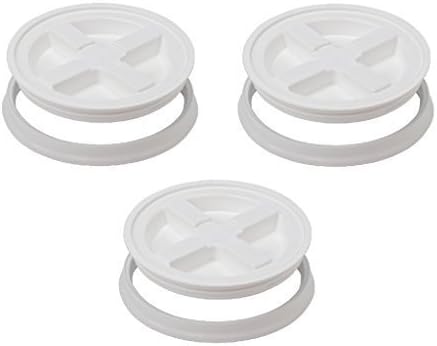

Hudson Exchange
See current price


Hudson Exchange
See current price

Meranti Home + Garden
See current price

PUCHAN-LM
See current price
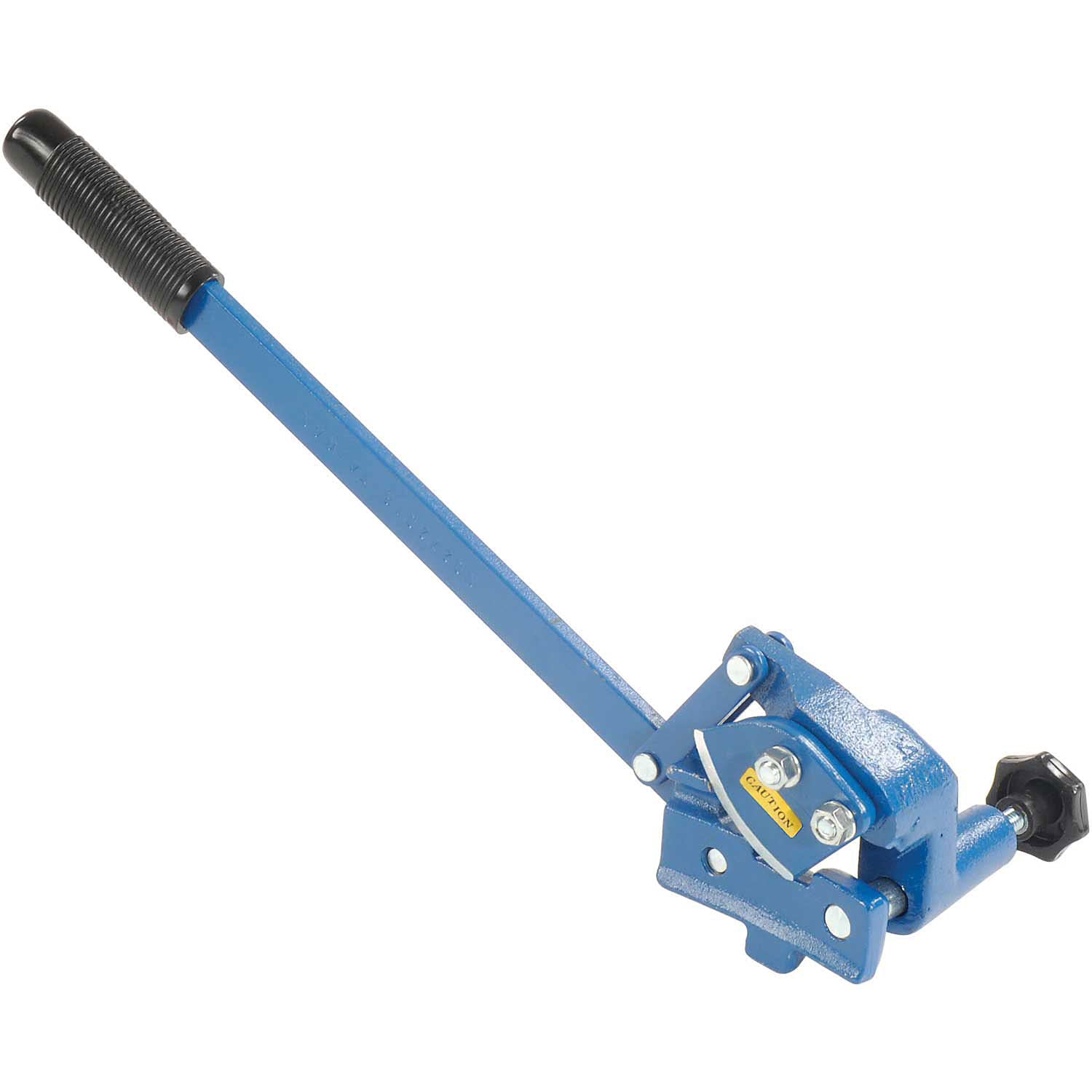


HE HUDSON EXCHANGE
See current price

Powerblanket
See current price


House Naturals
See current price


ENCORE PLASTICS
See current price


Hudson Exchange
See current price
Drum and pail handling equipment can make it easier to move, position, store, open, or dispense from heavy containers. The right choice depends on the container’s dimensions and material, the load involved, how often it must be moved, and the amount of control required during handling.
This K-Catalog selection brings together equipment and accessories for industrial, commercial, workshop, maintenance, and storage applications. Compare specifications and features, then check the current product details before choosing an option for your operation.
Start with the container rather than the tool. Drums and pails vary in diameter, height, rim design, material, and closure style. Equipment intended for one format may not properly secure another, so confirm compatibility in the product specifications.
Consider these questions before comparing individual products:
For broader movement and positioning needs, compare this category with Material Transport Equipment and Pulling & Lifting.
Although this category does not have separate catalog subcategories, drum and pail handling products generally serve several different tasks.
Dollies and carts support horizontal movement across a facility. Look for wheel configuration, handle design, frame dimensions, and the way the container is retained. Larger wheels may be useful where floors are uneven or thresholds are present, while compact designs can be easier to maneuver in confined areas.
Drum lifters and positioning tools are intended for raising, lowering, or relocating containers. Capacity, attachment method, lifting height, and compatibility with the available equipment are especially important. Confirm how the container is secured before relying on a lifting accessory.
Drum cradles, stands, and supports can help hold a container in a stable position for storage or use. Compare the support’s dimensions, retention method, working orientation, and material suitability for the environment.
Pail lids, seals, and related accessories can help protect contents or adapt a pail for a particular application. Check the lid or seal’s fit, opening arrangement, closure method, and compatibility with the specific pail design.
Product descriptions can differ considerably, so review the full specification list rather than relying on a product name alone. Pay particular attention to:
Brands represented in this category include Hudson Exchange, Vestil, QWORK, House Naturals, Gamma Seal, API & Gamma 2, TRM Manufacturing, HE HUDSON EXCHANGE, Green Goods, Leaktite, Wesco, and Meranti Home + Garden. They appear across the catalog as options to compare; evaluate each product by its stated fit, specifications, materials, and intended use rather than by brand name alone.
For applications involving load restraint during transport or storage, Securing Straps may also be relevant. Choose a restraint that matches the load and the handling environment.
Inspect the container and the handling equipment before use. Check for dents, damaged rims, worn wheels, loose hardware, cracked plastic, or any condition that could affect stability. Keep the load centered and secure it according to the product instructions.
Do not assume that a lid, clamp, dolly, or lifting attachment is universal. Match every accessory to the container’s dimensions and design. When contents may be hazardous, hot, corrosive, or unusually heavy, consult the applicable workplace procedures and equipment documentation before handling.
Maintain clear travel paths, avoid exceeding the rated capacity, and use appropriate personal protective equipment for the material being moved. If the task involves significant vertical lifting, review related Pulling & Lifting products for equipment that better matches the operation.
Confirm the container’s dimensions, type, loaded weight, and intended handling task. Then compare capacity, attachment method, mobility, and stability features.
Not necessarily. Compatibility can depend on diameter, height, rim shape, material, closure, and whether the container is full or empty. Check the manufacturer’s stated specifications.
A dolly may be suitable if its capacity, dimensions, retention features, and wheels match the loaded container and the operating surface. Confirm those details before use.
Check the pail design, fit, closure method, opening requirements, material, and intended contents. A secure fit is essential for the application.
Consider additional securing equipment whenever a container could shift, tip, or roll during movement or storage. The restraint should be appropriate for the load and compatible with the handling system.