

Electric Motors: Compare Specs and Features
Compare electric motors by electrical requirements, mechanical fit, operating conditions, and intended use. This guide highlights the specifications that matter when choosing a replacement or project motor.
196 products in catalog
196 results
Filters


Broan-NuTone
Broan-NuTone C350BN Replacement Motor/Wheel (NuTone 696N A housing), 50 CFM,, n/a
See current price

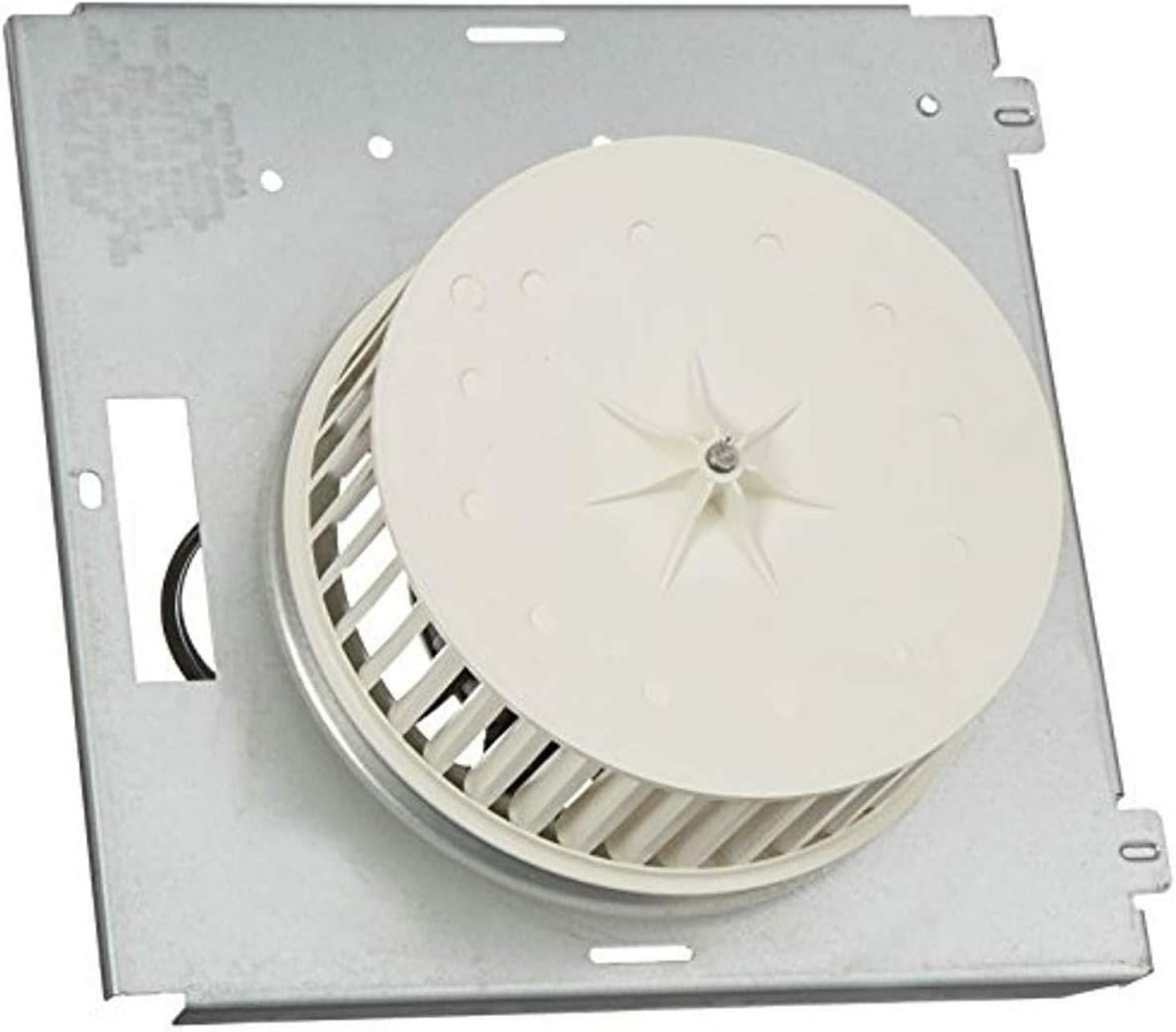
Broan-NuTone
Nutone Motor (8663RP) Assembly # 97017705 1550 RPM; 1.2 amps, 115 volts
See current price


Regal Beloit
Carrier Condenser Motor 5KCP39EGS070S 1/4 hp, 1100 RPM, 208-230V Genteq # 3905
See current price

Nutone
NuTone 87546000 B-unit Motor Assembly for 769RFT, 769RF and V769RF Ventilation Fans
See current price


Century Electric Motors
Century Electric Motors C01575 Universal Bathroom Fan Replacement Electric Motor Kit with Fan, 120 volts
See current price
Century Electric Motors
Century Electric Motors C01575 Universal Bathroom Fan Replacement Electric Motor Kit with Fan, 120 volts
See current price
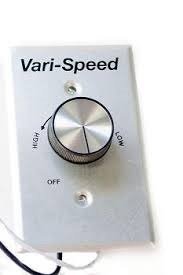
KB Electronics
KB Electronics 8811006 Solid State Variable Speed AC Electric Motor Control, 2.5 Max amp, 115V, KBWC-13K
See current price


Popular brands in Electric Motors
Electric motors convert electrical energy into mechanical motion for equipment, appliances, ventilation systems, pumps, and other applications. The right choice depends on more than power output: voltage, motor type, shaft dimensions, rotation, mounting pattern, and operating duty all affect compatibility.
K-Catalog helps shoppers compare electric motor listings and their available specifications before visiting Amazon to check the current price and purchase options. Start by identifying the motor being replaced and matching its essential electrical and mechanical details.
How to choose an electric motor
Begin with the application and the original motor’s nameplate. If the motor is installed in equipment, record its voltage, frequency, current, horsepower, RPM, frame or mounting information, shaft dimensions, and rotation direction. A motor that appears similar may still be unsuitable if its shaft, mounting holes, or electrical requirements do not match.
Consider these questions before comparing listings:
- Is this a direct replacement, or is it for a new project?
- What power source is available: AC, DC, single-phase, or another configuration?
- Does the motor need to run continuously, intermittently, or under changing loads?
- How much space is available for the motor and its wiring?
- Does the application require a particular rotation direction or speed?
For a direct replacement, matching the original specifications is usually more important than choosing the motor with the highest output. For custom projects, evaluate the load, starting requirements, speed control, and mounting method together.
Common electric motor types
Electric motors are designed for different power sources and applications. AC induction motors are widely used in equipment that needs dependable continuous operation, while shaded-pole and permanent-split capacitor designs are often associated with smaller fans and ventilation equipment. The appropriate type depends on the application and the control system already in place.
DC motors can suit battery-powered projects or systems using a DC supply. Brushed motors are familiar in many compact applications, while brushless designs may require compatible electronic controls. Universal motors can operate from AC or DC in suitable equipment, but their speed and control characteristics differ from other motor types.
Gear motors combine a motor with gearing to trade speed for increased torque. They may be useful where controlled movement or lower output speed matters. When comparing a gear motor, pay attention to the gearbox orientation, output shaft, torque, speed, and mounting arrangement rather than evaluating the motor alone.
Key specifications to compare
Voltage and electrical configuration must match the power source and equipment. Check whether the listing is intended for AC or DC operation, the required voltage, frequency, phase, and current. Using an incompatible supply can damage the motor or create a safety hazard.
Horsepower, torque, and speed describe how the motor performs under load. Horsepower can help compare overall output, while torque is especially important for starting or moving a demanding load. RPM indicates rotational speed, but the useful output speed may differ when the motor is paired with gearing, pulleys, or other components.
Shaft and mounting details determine whether the motor will physically fit. Compare shaft diameter, length, shape, keyway or flat, shaft extension, mounting holes, bolt pattern, and body dimensions. Also check whether the motor is designed for end mounting, face mounting, base mounting, or another arrangement.
Operating conditions matter for durability and safe installation. Look for information about continuous or intermittent duty, thermal protection, enclosure style, bearing type, noise, moisture exposure, and ambient temperature limits. A motor intended for a protected indoor location may not be suitable for dust, water, or outdoor exposure.
Brands represented in the catalog
The Electric Motors catalog includes listings from NAIVE BLUE, Nutone, BROAD-OCEAN, Broan-NuTone, A. O. Smith, Endurance Pro, Fasco, uxcell, CraftBay, Kohree, CHANCS, and tatoko. These brands are represented across the catalog; compare each listing by its specifications, compatibility information, included components, and intended application rather than by brand name alone.
Installation and compatibility tips
Disconnect power before inspecting or replacing a motor, and follow the equipment manufacturer’s instructions. Electrical connections should be made by someone qualified to work with the relevant voltage and wiring system. Confirm whether a capacitor, mounting hardware, pulley, fan blade, controller, or other accessory is included before ordering.
If the original motor has failed, inspect the surrounding system as well. A seized bearing, blocked airflow, overloaded mechanism, misaligned belt, or faulty capacitor may cause a replacement motor to fail prematurely. Verify rotation direction before final assembly, especially when the motor drives a fan, pump, or threaded mechanism.
For related electrical components, shoppers can also browse Cords, Adapters & Multi-Outlets, Switches & Dimmers, Outlets & Accessories, and Testers. These categories can help when the motor installation also requires power connections, controls, or electrical checks.
Frequently asked questions
How do I identify a replacement electric motor?
Read the original nameplate and record its voltage, current, horsepower, RPM, motor type, shaft details, mounting pattern, and rotation. Use those details to compare compatible listings.
Can any motor with the same horsepower replace another?
No. Horsepower is only one specification. Voltage, electrical configuration, speed, shaft dimensions, mounting, rotation, duty, and enclosure must also suit the equipment.
What is the difference between AC and DC motors?
AC motors operate from alternating-current power, while DC motors require direct-current power. The available supply and control system determine which type is appropriate.
Why do shaft size and mounting matter?
The shaft transfers motion to the driven component, and the mounting arrangement secures the motor in place. A mismatch can prevent installation or create alignment and safety problems.
What should I check before wiring a motor?
Confirm the motor’s electrical requirements, wiring diagram, grounding instructions, controller or capacitor requirements, and compatibility with the power source. Disconnect power and use qualified help when needed.