

Electrical Boxes, Conduits & Fittings
Compare electrical boxes, conduit, connectors and fittings for residential, commercial and specialty wiring projects. Check materials, dimensions, installation methods and location ratings before choosing.
323 products in catalog
323 results
Filters


COOLWEST
COOLWEST IP66 Junction Box Waterproof Outdoor 2 Cable PG9 Black Plastic Connector Gland Electrical
See current price


iMBAPrice
iMBAPrice LV1-10PK (Pack of 10) Single Gang (1-Gang) Low Voltage Drywall Mounting Bracket - Black
See current price


Nippon America
100 Feet 1/4" Split Loom - Tubing Wire Conduit Hose Cover Auto Home Marine Black
See current price


Ogrmar
Ogrmar Plastic Dustproof IP65 Junction Box DIY Case Enclosure (3.9"x 2.8"x 1.6")
See current price


Ogrmar
Ogrmar Plastic Dustproof IP65 Junction Box DIY Case Enclosure (6.2"x 3.5"x 2.5")
See current price


Renogy
Renogy 10A Male and Female Connector Waterproof in-Line Fuse Holder, 10A, Black
See current price
Popular brands in Electrical Boxes, Conduits & Fittings
Electrical boxes, conduits and fittings help organize, protect and connect electrical wiring. The right combination depends on the wiring method, installation location, number of conductors, enclosure requirements and the structure where the components will be installed.
Use this category to compare product specifications and features across boxes, raceways, connectors and related hardware. Always confirm that a product is suitable for the intended application and follows applicable electrical codes; complicated or permanent wiring work may require a qualified electrician.
How to choose electrical boxes, conduit and fittings
Start by identifying what the component needs to do. A box may enclose a splice, switch, outlet or fixture connection, while conduit protects conductors as they pass through walls, ceilings, exposed areas or outdoor locations. Fittings connect conduit to boxes, join sections, seal openings or help route wiring around obstacles.
Consider these factors before comparing specific products:
- Wiring method: Match the box and fittings to the type of cable or conduit being used.
- Material: Metal and nonmetallic options can suit different installation conditions, grounding arrangements and durability requirements.
- Location: Indoor, outdoor, damp and wet locations may call for different enclosure or sealing features.
- Size and capacity: Check interior dimensions, entry openings and conductor capacity so wiring can be routed without crowding.
- Installation style: Look for features suited to new construction, remodeling, surface mounting, masonry, exposed work or other project conditions.
- Compatibility: Verify that connectors, hubs, couplings and adapters match the conduit size, thread type and box openings.
Common types and applications
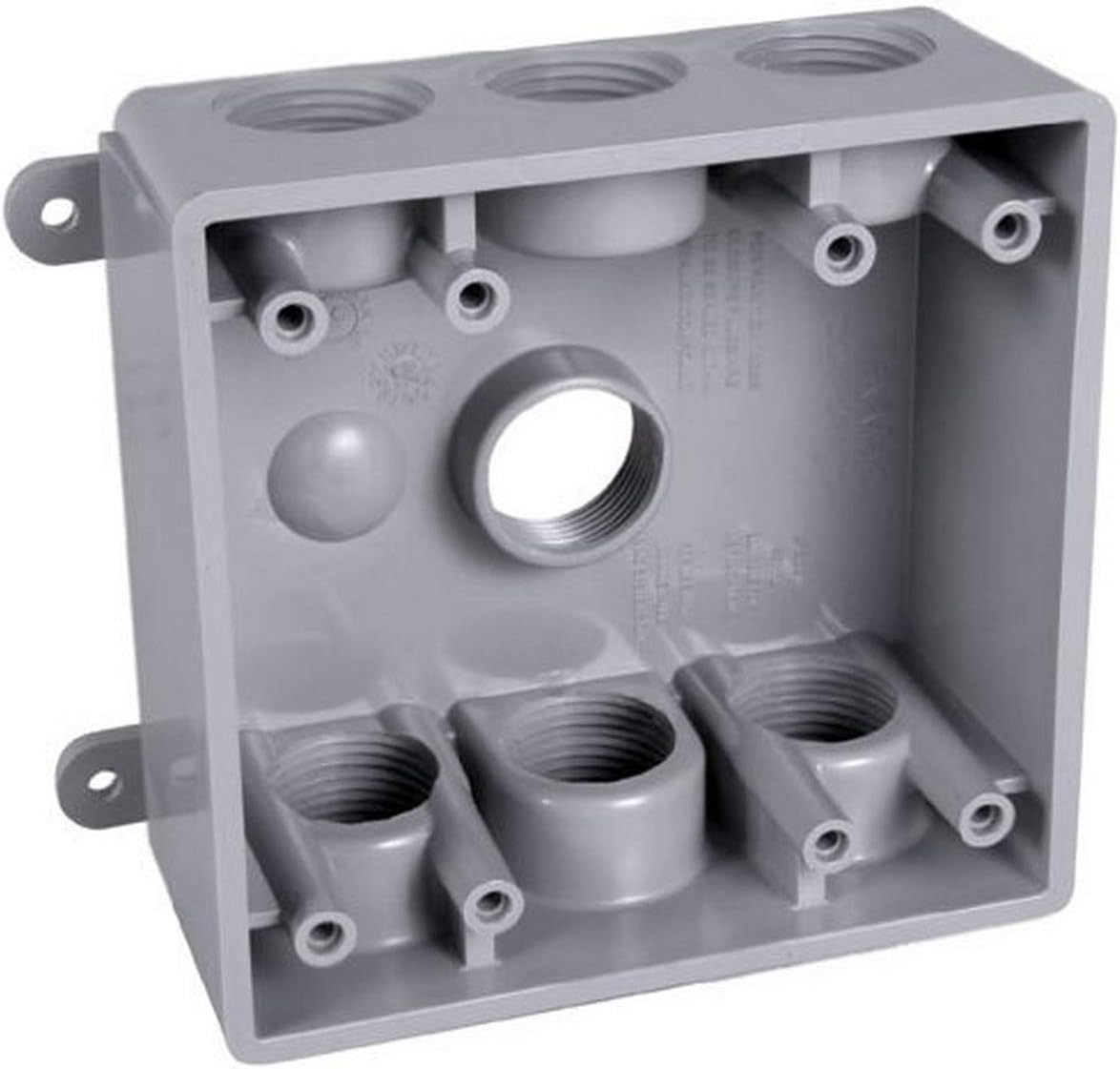
Electrical boxes range from general-purpose junction and device boxes to ceiling, outlet, switch, pull and weather-resistant enclosures. Some are designed to mount to framing, while others suit finished walls, exposed surfaces or specialty installations. Compare mounting provisions, knockout arrangements, cover compatibility and the available interior space.
Conduit is available in different materials and configurations. Rigid sections can provide a sturdy wiring path, while flexible conduit may be easier to route around bends or equipment. Tubing and raceway products can be useful where wiring needs organized protection along a surface. Check whether the product is intended for the location, cable type and level of physical protection required.
Fittings include connectors, couplings, elbows, adapters, bushings, clamps and sealing accessories. They should be selected as part of the same wiring system rather than treated as interchangeable parts. Threaded and non-threaded connections, compression styles and push-in designs each have different installation requirements.
For adjacent electrical projects, compare Outlets & Accessories and Switches & Dimmers when the box will house a device. Wall Plates & Accessories can help complete the visible portion of a switch or outlet installation.
Key specifications to compare
Product descriptions can vary considerably, so review the specification details instead of relying on the product name alone. Important information may include box dimensions, knockout size and placement, conduit diameter, fitting type, material, finish, mounting method and included hardware.
For exterior or exposed installations, pay close attention to weather resistance, sealing provisions and the intended environment. For concealed wiring, consider how the box or conduit will fit within the wall or ceiling and whether access will remain available for future maintenance.
If the project involves temporary power, equipment connections or multiple devices, Cords, Adapters & Multi-Outlets may cover related components. Testers can be useful for checking electrical conditions, but testing tools do not replace proper installation practices or code compliance.
Brands represented in the catalog
The catalog includes electrical products from ARLINGTON, Sealproof, Thomas & Betts, iMBAPrice, Carlon, Zulkit, Raco, Sigma Electric, LeMotech, RVGUARD, Bell and Southwire. Compare each listing by its stated dimensions, materials, compatibility information and intended application rather than choosing by brand name alone.
Brand product lines may cover different installation styles, so confirm the details for the specific item. Pay particular attention to whether the product is supplied as a single component or as a set, and check which covers, connectors, clamps or mounting pieces are included.
Installation and safety considerations
Before selecting a component, map the wiring route and identify where boxes will be positioned. Plan for accessible connections, adequate support and a clean route through framing or along surfaces. Avoid forcing incompatible parts together or modifying an enclosure in a way the manufacturer does not specify.
Use the markings and documentation supplied with the product to confirm permitted applications. Local requirements can vary, especially for wet locations, grounding, fire-rated assemblies, exterior work and installations in garages or other specialized areas. Turn off power before working on existing wiring and verify that it is de-energized with an appropriate method.
Frequently asked questions
What is the purpose of an electrical box?
An electrical box encloses and protects wire connections or device connections. It can also provide a mounting point for switches, outlets, fixtures or covers.
How do I choose the right conduit fitting?
Match the fitting to the conduit material, size, connection style and installation environment. Also confirm that it is compatible with the box or enclosure opening.
Should I choose metal or nonmetallic components?
The choice depends on the wiring system, grounding needs, physical protection, location and applicable code requirements. Compare the product’s stated use and installation instructions.
What does box capacity mean?
Box capacity refers to the amount of wiring and device hardware the enclosure is designed to accommodate. Check the listed dimensions and capacity information to avoid overcrowding.
Can any electrical box be used outdoors?
No. Outdoor and wet-location installations require products specifically identified for those conditions, often with suitable covers, seals or fittings. Verify the product documentation before installation.