
![TUOFENG 12 Gauge Stranded Wire Ultra Flexible Silicone Wire 10 Feet [5 ft Black and 5 ft Red]-12 AWG Tinned Copper Wire High Temperature Resistance - Works Well for Model Battery Cable, Drone, helico](https://m.media-amazon.com/images/I/71rOUXmz5kL._AC_SL1500_.jpg)
Electrical Wire: Compare Types and Specifications
Compare electrical wire by construction, insulation, gauge, length, and intended application. Use the listed specifications to narrow options for repairs, installations, electronics, and other projects.
368 products in catalog
368 results
Filters

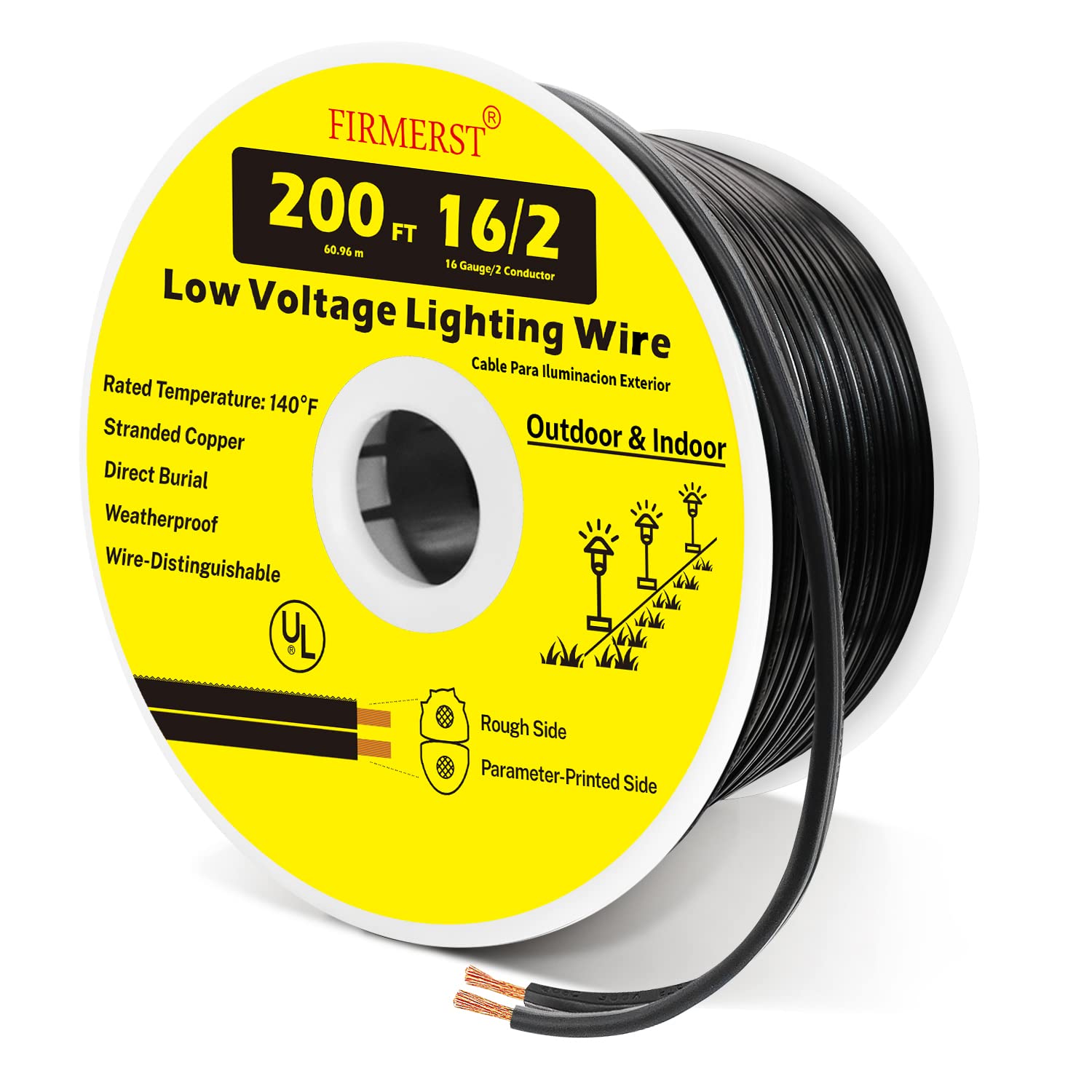
FIRMERST
FIRMERST 16/2 Low Voltage Landscape Wire Outdoor Lighting Cable UL Listed 200 Feet
See current price

BNTECHGO
BNTECHGO 12 Gauge Silicone Wire 5 ft red and 5 ft Black Flexible 12 AWG Stranded Copper Wire
See current price


Southwire
Southwire Romex Brand Simpull Solid Indoor 12/2 W/G NMB Cable 50ft coil - SW# 28828222,Yellow
See current price


Wirefy
Wirefy 14/2 Low Voltage Landscape Lighting Wire - 14-Gauge 2-Conductor 50 Feet
See current price


Southwire
Southwire Romex Brand Simpull Solid Indoor 12/2 W/G NMB Cable 100ft coil - SW# 28828228, Yellow
See current price

Southwire
Southwire Romex Brand Simpull Solid Indoor 12/2 W/G NMB Cable 25ft coil - SW# 28828221
See current price


BNTECHGO
BNTECHGO 18 Gauge Silicone Wire 5 ft red and 5 ft Black Flexible 18 AWG Stranded Tinned Copper Wire
See current price


![10 awg 5.2mm² Silicone Electrical Wire Cables 50 Feet [25ft Black and 25ft Red] 10 Gauge 600V Soft and Flexible Hook Up Oxygen Free Stranded Tinned Copper Wire Model Battery Cable](https://m.media-amazon.com/images/I/81j9K-7zVeL._AC_SL1500_.jpg)


Ideal Industries
IDEAL INDUSTRIES INC. 30-902 Spin-Twist Wire Connector Socket Wrench
See current price
Popular brands in Electrical Wire
Electrical wire is available in many constructions and sizes, so the right choice depends on how and where it will be used. Before selecting a listing, identify the application, required wire size, conductor material, insulation type, and environmental conditions.
K-Catalog helps shoppers compare product specifications and features in one place. Always follow applicable electrical codes and the instructions for the equipment or installation, and consult a qualified electrician when the work involves household wiring or uncertainty.
How to choose electrical wire
Start with the intended use rather than choosing by appearance or length alone. A wire suitable for a low-power device may not be appropriate for building wiring, automotive work, machinery, or an exposed environment.
Compare these details first:
- Application: Check whether the wire is intended for indoor wiring, appliances, electronics, automotive projects, speakers, controls, or general connections.
- Wire size: Gauge affects current capacity, flexibility, and voltage drop. Match the size to the circuit, equipment, distance, and installation requirements.
- Conductor construction: Solid wire is generally more rigid, while stranded wire bends more easily and can suit moving or space-constrained connections.
- Insulation: Review the insulation material, temperature rating, moisture resistance, and stated use conditions.
- Length and format: Confirm whether the listing is for a spool, roll, cut length, multi-conductor cable, or individual wire.
Never rely on color or thickness by itself to identify a wire’s suitability. The complete specification and the applicable code requirements matter.
Common electrical wire types
Electrical wire listings can differ substantially even when they look similar. Understanding the main construction types makes comparison easier.
Solid-conductor wire has a single metal conductor and holds its shape well. It can be useful for fixed connections and structured installations where the wire will not be moved frequently.
Stranded wire uses multiple fine conductors. It is typically easier to route around corners and connect in applications that require flexibility, but the terminal or connector must be compatible with stranded conductors.
Single-conductor insulated wire is often selected when separate wires are routed individually. Compare the insulation rating, conductor size, color, and intended application before use.
Multi-conductor cable groups several insulated conductors together. It can simplify routing and help keep related connections organized, but the number of conductors and their individual specifications must match the project.
For products used with specialized equipment, check the manufacturer’s wiring diagram and required conductor type rather than assuming a general-purpose wire will work.
Specifications and compatibility to compare
The conductor material can affect conductivity, flexibility, corrosion resistance, and termination requirements. Review whether the listing specifies copper, aluminum, tinned conductors, or another material, and confirm that the connectors are designed for it.
Insulation details are equally important. Look for the stated temperature range, resistance to moisture or chemicals, flexibility, and whether the wire is intended for indoor, outdoor, exposed, or confined use. A wire’s insulation may determine where it can safely be installed even when the conductor size appears suitable.
Also check whether the product is marked for the intended application and whether it includes features such as pre-cut ends, color coding, multiple conductors, or a jacket. For connector-based projects, verify the wire’s compatibility with terminals, crimp connectors, wire nuts, terminal blocks, or lever connectors. Related components can be compared in Cords, Adapters & Multi-Outlets and Outlets & Accessories.
Brands represented in the catalog
The Electrical Wire catalog includes products from Woods, BNTECHGO, Southwire, UTUO, Master Wire Supply, WAGO, THE CIMPLE CO, Best Connections, PURE ATOMIST, Haerkn, NorthPada, and FIRMERST. These brands may cover different wire constructions, lengths, connector formats, and intended uses.
Treat brand as one comparison point, not a substitute for checking the technical details. Compare listings by conductor material, gauge, insulation, length, temperature or environment rating, and compatibility with the intended connection.
Installation and safety considerations
Turn off power and verify that a circuit is de-energized before working on electrical connections. Use a suitable tester when appropriate; related options are available in Testers. Follow local requirements for wire routing, protection, grounding, strain relief, and enclosure use.
Avoid overloading a wire, mixing incompatible conductor materials, or placing wire in an environment outside its stated rating. Keep connections secure, use the correct stripping and termination method, and protect wiring from abrasion, heat, moisture, and sharp edges. For permanent household installations, have the work completed or checked by a qualified professional when required.
If the project also involves controls or finished electrical hardware, compare compatible Switches & Dimmers and Wall Plates & Accessories alongside the wire specifications.
Frequently asked questions
How do I choose the right wire gauge?
Match the gauge to the circuit or equipment requirements, expected current, installation length, and applicable electrical code. The equipment documentation or a qualified electrician can help confirm the correct size.
Is solid wire better than stranded wire?
Neither is universally better. Solid wire can suit fixed installations, while stranded wire is often easier to route and flex. The terminals and application should determine the choice.
Does a longer wire need different specifications?
A longer run may require additional consideration for voltage drop, current capacity, routing, and protection. Check the complete installation requirements rather than selecting by length alone.
Can any electrical wire be used outdoors?
No. Outdoor use requires wire with an appropriate environmental and insulation rating, along with suitable protection and installation methods.
When should an electrician install the wire?
Use a qualified electrician for uncertain, permanent, high-energy, or code-regulated work, especially when working inside walls, service equipment, or existing household circuits.