

Emergency Kits & Supplies for Preparedness
Compare emergency kits and supplies for outages, evacuation, travel, and everyday preparedness. Review contents, storage requirements, durability, and intended use before choosing an option.
129 products in catalog
129 results
Filters

Augason Farms
Augason Farms 30-Day 1-Person Emergency Food Supply – QSS Certified , White
See current price


SOS Food Labs, Inc.
S.O.S. Rations Emergency 3600 Calorie Food Bar (Cinnamon + Coconut, 2 Pack) & Sawyer Products SP128 Mini Water Filtration System, Single, Blue
See current price




YiZhongGou E-commerce Ltd
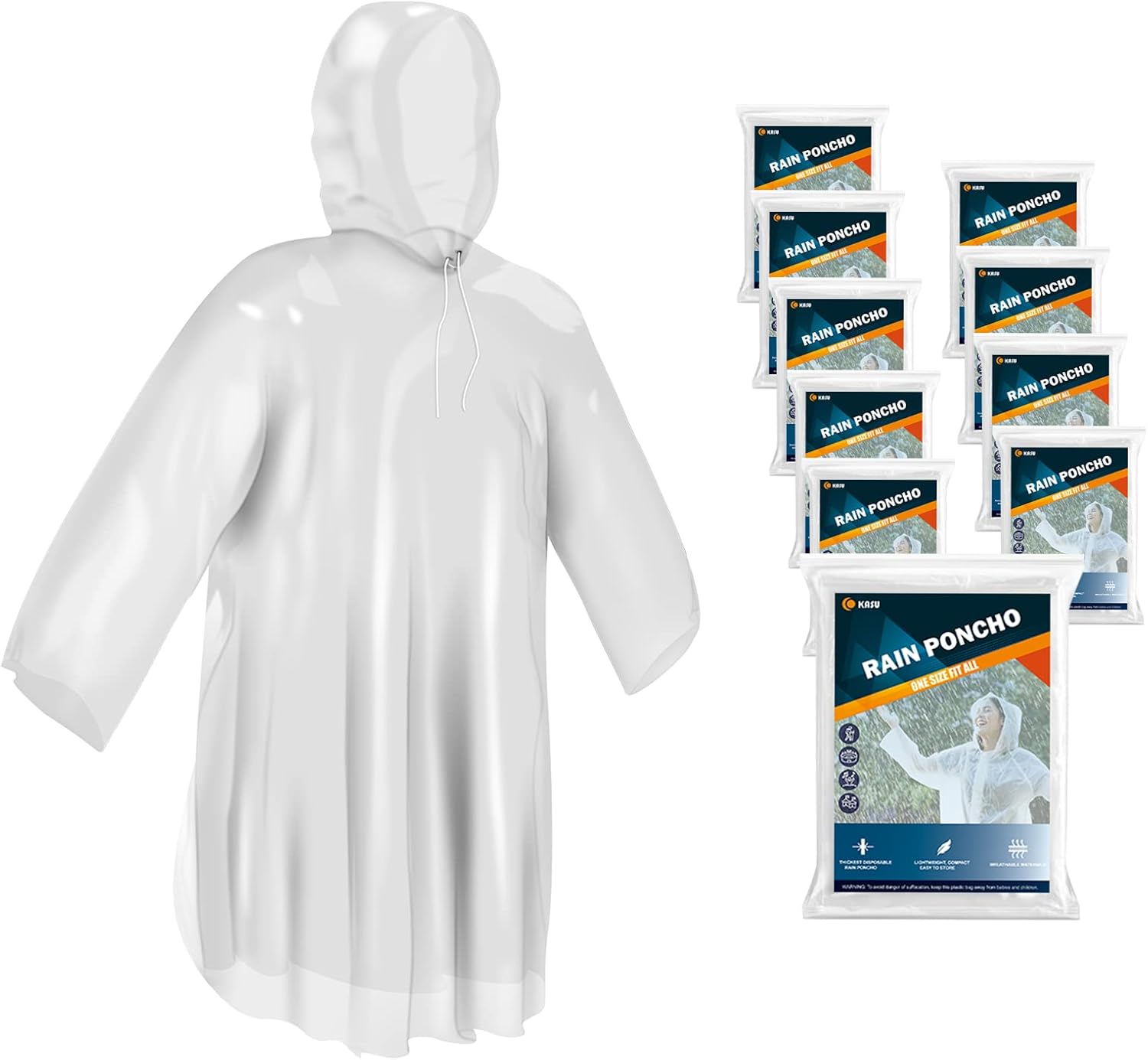
KASU Rain Ponchos for Adults Disposable Emergency Poncho with Drawstring Hood for Men Women Clear - 10 Pack
See current price


Augason Farms
Augason Farms 5-20100 72-Hour 4-Person Emergency Food Storage Kit 14 lbs 7 oz
See current price

Popular brands in Emergency Kits & Supplies
Emergency kits and supplies help households prepare for disruptions such as power outages, severe weather, evacuation, or temporary interruptions to normal services. The right choice depends on where the kit will be stored, how many people it should support, and which needs matter most in an emergency.
K-Catalog brings together preparedness products from brands including The Survival Tabs, SOS Food Labs, Inc., Inscape Data, Augason Farms, Foxelli, Mountain House, NewSight, Ready America, Lingito, The Clean Explorer, ReadyWise, and CeroPro Factory. Use product listings to compare included supplies and specifications rather than assuming every kit serves the same purpose.
How to choose an emergency kit
Start with the situation you are preparing for. A home kit can prioritize food storage, lighting, first-aid essentials, sanitation, and tools. A vehicle or evacuation kit should be easier to carry and organized for quick access. If the kit is intended for a workplace, group shelter, or shared household, review its capacity and contents carefully.
Consider these questions before comparing products:
- Where will it be stored? A closet, basement, vehicle, office, or travel bag may call for different sizes and packaging.
- Who will use it? Account for household members, children, older adults, pets, or anyone with specific dietary or medical needs.
- What is already available? A compact supplemental kit may be more useful if the household already has water, tools, lighting, or first-aid supplies.
- How quickly must it be accessible? Easy-to-open packaging and clear organization are valuable when time or visibility is limited.
Types of emergency supplies to compare
Emergency products vary widely, so compare the actual contents instead of relying only on the category name. Preparedness food and drink products may be designed for longer storage, while general emergency kits may combine food, water-related supplies, lighting, warmth, sanitation, and basic tools.
For illumination, compare emergency kits with dedicated Flashlights when deciding whether the included light is enough for your needs. A dedicated flashlight can complement a kit, particularly when you want a separate item that is easy to locate or carry.
Protection and cleanup supplies may also be important. Browse Personal Protective Equipment for items that can support tasks involving dust, debris, or contamination. For fire-related planning, see Fire Safety and compare those products separately from general emergency provisions.
Key features and specifications
Read the product details for the contents, packaging, and intended use. Useful comparison points include:
- Included items: Check whether the kit contains food, water, first-aid supplies, gloves, masks, tools, blankets, light sources, or sanitation products.
- Food details: Review ingredients, allergens, preparation requirements, serving information, and storage guidance. Choose products that fit the household’s dietary needs.
- Shelf-life guidance: Follow the manufacturer’s storage and use instructions, and check how the product should be rotated or replaced over time.
- Portability: Handles, cases, sealed pouches, and compact packaging can make supplies easier to move during an evacuation.
- Durability and storage: Look for packaging suited to the planned location, especially if the kit may be exposed to moisture, temperature changes, or frequent handling.
- Instructions: Clear directions can be especially useful for food preparation, water treatment, medical supplies, or unfamiliar tools.
Build a broader preparedness plan
An emergency kit works best as part of a wider plan. Keep essential documents, contact information, medications, and household-specific supplies where they can be reached quickly. Check the kit periodically for damaged packaging, expired items, depleted batteries, and changes in household needs.
For protection of valuables or important records, compare Safes & Safe Accessories. To monitor household hazards, explore Household Sensors & Alarms. If your planning includes broader home protection, Home Security Systems is a separate category to consider. You can also browse the wider Safety & Security section for related products.
Frequently asked questions
What should an emergency kit contain?
Contents vary, but useful categories may include food, water-related supplies, first-aid items, lighting, sanitation products, warmth, communication aids, and basic tools. Compare the actual item list for each product.
Are emergency kits suitable for home and vehicle use?
Some are designed for general household storage, while others are more portable. Review the kit’s size, packaging, contents, and intended use before placing it in a vehicle or carrying it during an evacuation.
How should emergency food be selected?
Check ingredients, allergens, preparation requirements, storage instructions, and suitability for everyone who may use it. Account for dietary restrictions and access to water or cooking equipment.
Where should an emergency kit be stored?
Choose a location that is accessible, dry, and appropriate for the packaging. Avoid storing supplies where heat, moisture, or blocked access could affect their condition or availability.
How often should emergency supplies be checked?
Review supplies periodically and follow the manufacturer’s guidance. Replace damaged, depleted, or outdated items, and update the kit when household members or needs change.