

Household Sensors & Alarms
Compare household sensors and alarms by what they detect, how they alert you, how they connect, and where they can be installed. Review specifications to find options suited to your home.
159 products in catalog
159 results
Filters

THE BASEMENT WATCHDOG
THE BASEMENT WATCHDOG Model BWD-HWA 110 dB Battery Operated Water Alarm
See current price
THE BASEMENT WATCHDOG
THE BASEMENT WATCHDOG Model BWD-HWA 110 dB Battery Operated Water Alarm
See current price
THE BASEMENT WATCHDOG
THE BASEMENT WATCHDOG Model BWD-HWA 110 dB Battery Operated Water Alarm
See current price





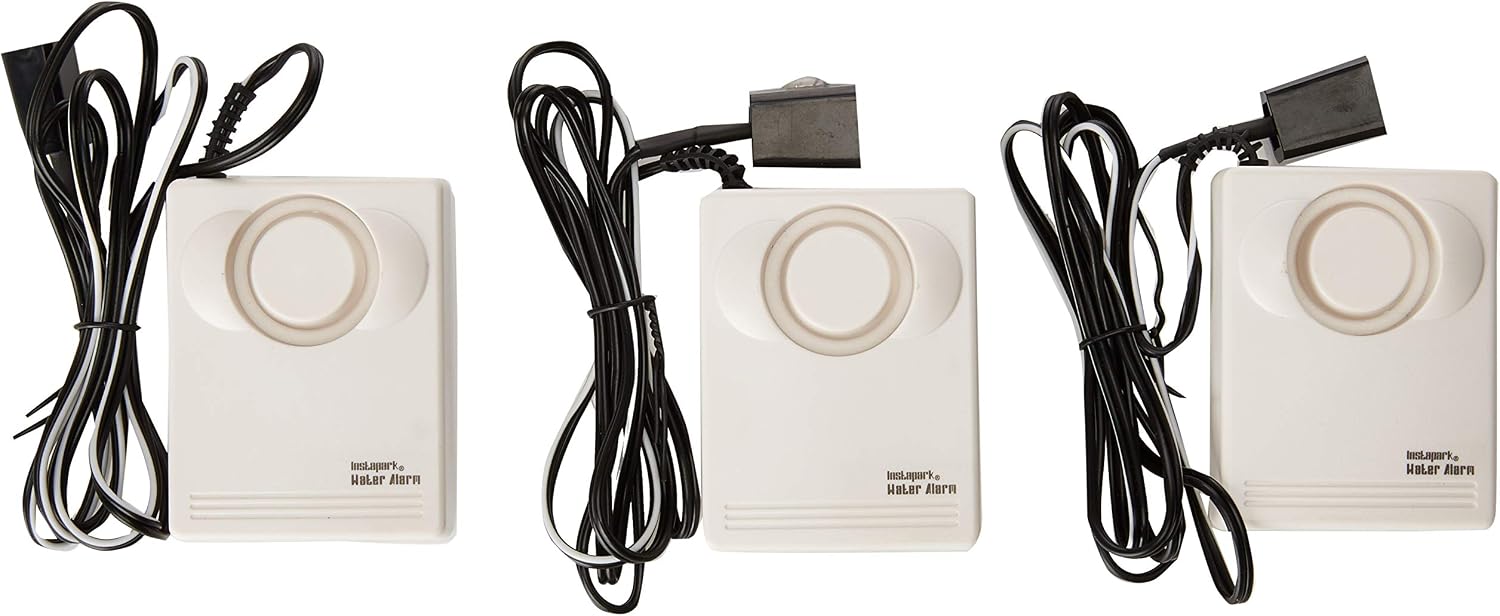
Instapark
Instapark Water Leakage Detection Alarm and Sensor, Low Battery Alert Pack of 3
See current price


SimpliSafe
SimpliSafe Water Sensor Alarm-Flood Detection-Compatible Home Security System (New Gen)
See current price


Popular brands in Household Sensors & Alarms
Household sensors and alarms can help identify hazards, changes in indoor conditions, or activity around a property. This category brings together products for monitoring concerns such as smoke, carbon monoxide, water leaks, air quality, temperature, humidity, motion, and other household conditions.
The right choice depends on the risk you want to monitor, the area that needs coverage, and how you want to receive an alert. Some devices are designed for a single room, while others can work as part of a connected monitoring setup. Use the specifications to compare detection capabilities, power requirements, notification methods, and installation needs.
How to choose a household sensor or alarm
Start by identifying the problem the device should detect. A water sensor is suited to locations near plumbing or appliances, while an air-quality monitor may be more useful in living areas, bedrooms, offices, or basements. Smoke and carbon monoxide alarms address different hazards and should not be treated as interchangeable.
Consider these questions before choosing:
- What does it detect? Check the listed sensor type and whether it measures one condition or several.
- Where will it be installed? Review the recommended environment, sensing range, mounting method, and whether the device is intended for indoor use.
- How will it alert you? Options may include a built-in audible alarm, visual indicators, a mobile notification, or communication with another device.
- How is it powered? Compare battery operation, replaceable versus rechargeable batteries, wired power, and any stated backup-power features.
- Will it work with your setup? Connected products may require a hub, app, wireless network, or a compatible smart-home ecosystem.
Common types and household uses
Although this category does not use product subcategories, household sensors and alarms generally fall into several practical groups. Smoke and carbon monoxide alarms are intended for life-safety notification, while water-leak sensors can provide an early warning near sinks, water heaters, washing machines, or other vulnerable areas.
Environmental monitors can track factors such as temperature, humidity, radon, or indoor air quality. These can help users observe conditions in rooms where comfort, ventilation, moisture, or air concerns matter. Motion and entry sensors are more closely associated with activity monitoring and may be used alongside broader Home Security Systems.
For related household preparedness, browse Fire Safety, Emergency Kits & Supplies, or the wider Safety & Security category. Flashlights can also be useful when an alarm or power interruption requires visibility, while Safes & Safe Accessories address a different part of home protection.
Key specifications to compare
Detection accuracy is only one consideration. Look for a clear description of what the device senses, the conditions it is designed for, and any limitations stated by the manufacturer. For environmental monitors, compare the parameters measured and the way results are displayed or reported.
Alert behavior is especially important. A loud local alarm may be useful when someone is at home, while app-based or remote notifications can matter when the property is unoccupied. Check whether alerts can be adjusted, silenced, repeated, or sent to multiple users.
For connected models, compare communication methods and compatibility requirements. A product that needs a hub or specific app may be less convenient if that equipment is not already part of the home. Also check whether important functions remain available if the internet, wireless network, or mobile device is unavailable.
Installation, placement, and maintenance
Follow the product instructions for placement rather than relying on a single standard location for every sensor. Avoid positioning a device where steam, dust, airflow, direct sunlight, extreme temperatures, or physical obstructions could affect operation unless the specifications indicate that the location is suitable.
Before installation, confirm the mounting surface, included hardware, required clearance, and access needed for battery replacement or testing. Test alarms and notifications according to the manufacturer’s guidance, keep batteries fresh when applicable, and replace devices when their stated service life ends. A sensor is only useful when it remains powered, unobstructed, and able to communicate an alert.
Brands represented in the catalog
The catalog includes household sensor and alarm products from Honeywell, TOPTES, YoLink, Zircon, Airthings, Govee, PANGAEA, Honsdom, SafetySiren, EnviroTestKits®, TECHAMOR, and THE BASEMENT WATCHDOG. Compare these brands by the specific product specifications, detection purpose, installation requirements, and alert features rather than by brand name alone.
Frequently asked questions
What is the difference between a sensor and an alarm?
A sensor detects or measures a condition. An alarm may provide a local warning when a condition reaches a specified threshold, while some sensors send information or notifications without producing a loud audible alert.
Should a household sensor be wired or battery-powered?
That depends on the installation location and maintenance preference. Wired products can avoid routine battery replacement, while battery-powered models may be easier to place where wiring is unavailable. Check backup-power and replacement requirements carefully.
Do connected sensors require a hub?
Some do and some do not. Review the connectivity specifications to determine whether a hub, app, wireless network, or compatible smart-home platform is required.
Where should water-leak sensors be placed?
Common locations include areas near plumbing connections, water heaters, washing machines, sinks, and other equipment where a leak could cause damage. Confirm the product’s sensing design and placement instructions before installation.
Can one alarm detect every household hazard?
No. Detection technologies are designed for particular hazards or environmental conditions. Compare the listed detection function and use dedicated devices when different risks need to be monitored.