
First Alert
First Alert HOME1 Rechargeable Standard Home Fire Extinguisher UL Rated 1-A:10-B:C, Red
See current price

Compare fire safety equipment by product type, coverage, installation, and ease of use. This catalog helps you review specifications and features before visiting Amazon.
345 products in catalog
345 results
First Alert
See current price

First Alert
See current price
First Alert
See current price

Kidde
See current price


First Alert
See current price

First Alert
See current price

First Alert
See current price


First Alert
See current price

First Alert
See current price

Google Nest
See current price


Kidde
See current price

First Alert
See current price

First Alert
See current price


First Alert
See current price
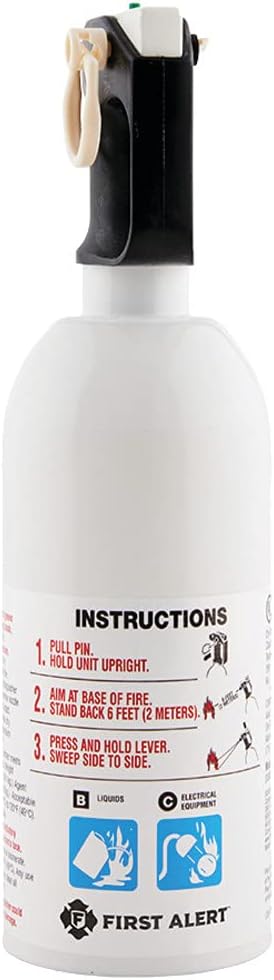
First Alert
See current price

Kidde Safety
See current price
Fire safety products support different stages of emergency preparedness, from warning occupants early to helping control a small, manageable fire. The right choice depends on where the item will be used, what hazards are present, and whether everyone in the household or workplace can use it quickly and safely.
Use this category to compare product specifications and features without assuming that one device or extinguisher suits every location. For larger safety plans, browse Safety & Security for related equipment and protection categories.
Start by identifying the risk and the setting. A kitchen, garage, bedroom, workshop, vehicle, and office may each require different equipment. Consider:
Always follow the manufacturer’s instructions and applicable local fire-safety requirements. Equipment should supplement, not replace, an evacuation plan and working emergency contacts.
Extinguishers are intended for specific fire classes, so the label is more important than appearance alone. Compare the listed fire classifications, extinguishing agent, operating instructions, mounting options, and whether the unit is intended for indoor, commercial, automotive, or other use. Size and weight also matter: a unit that is difficult to lift or aim may be impractical for the person expected to use it.
Keep an extinguisher accessible but away from likely fire sources, and do not use one when a fire is spreading, producing heavy smoke, or blocking an escape route. Evacuating and contacting emergency services takes priority.
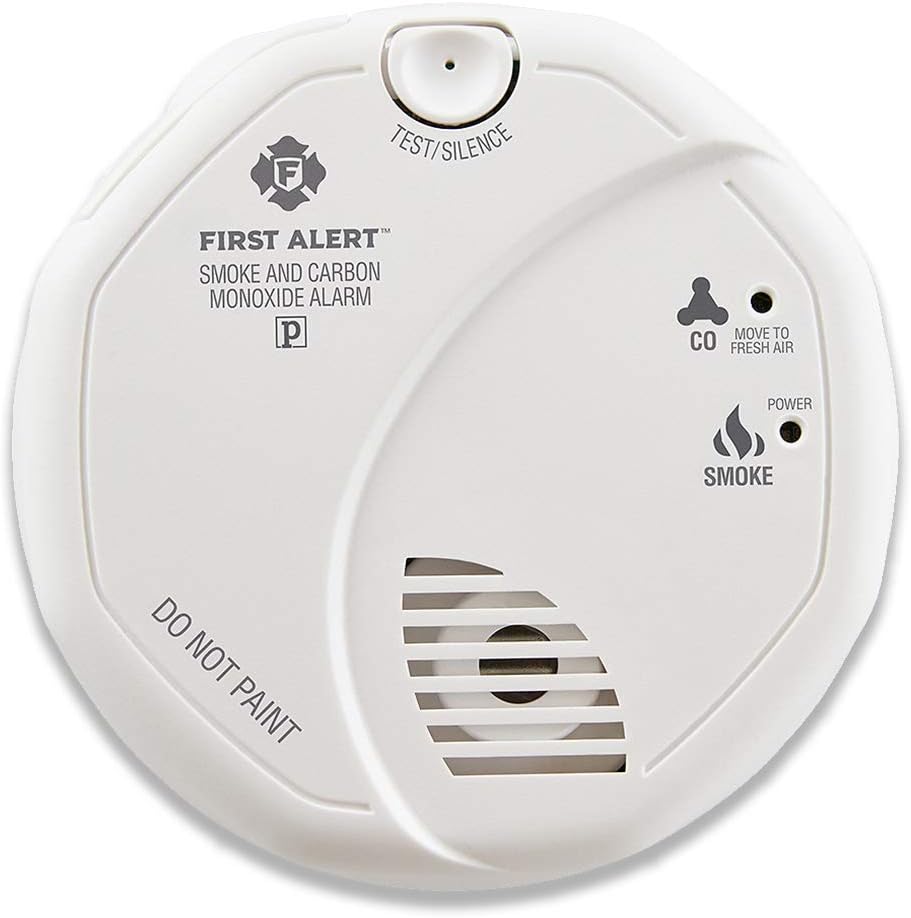
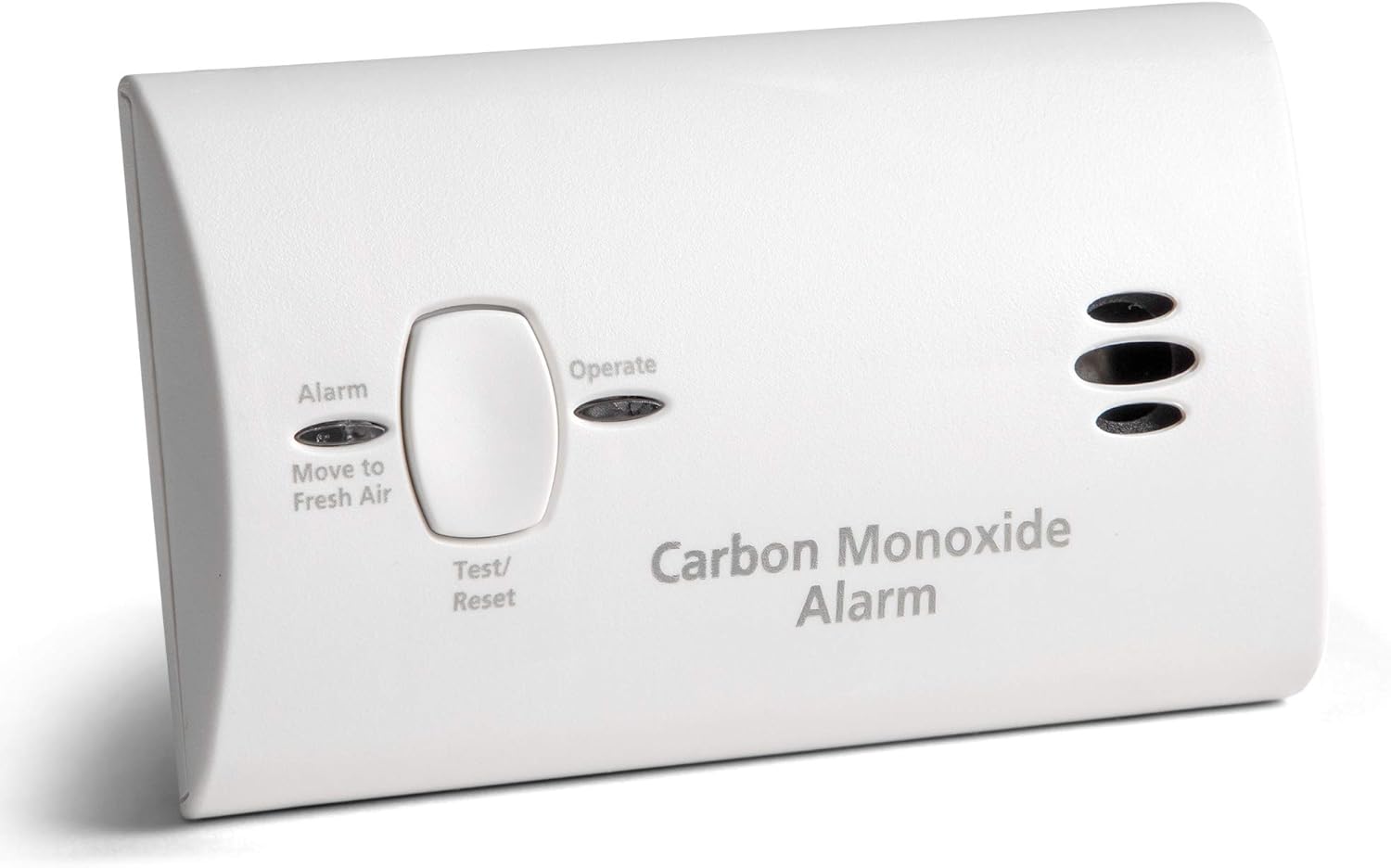
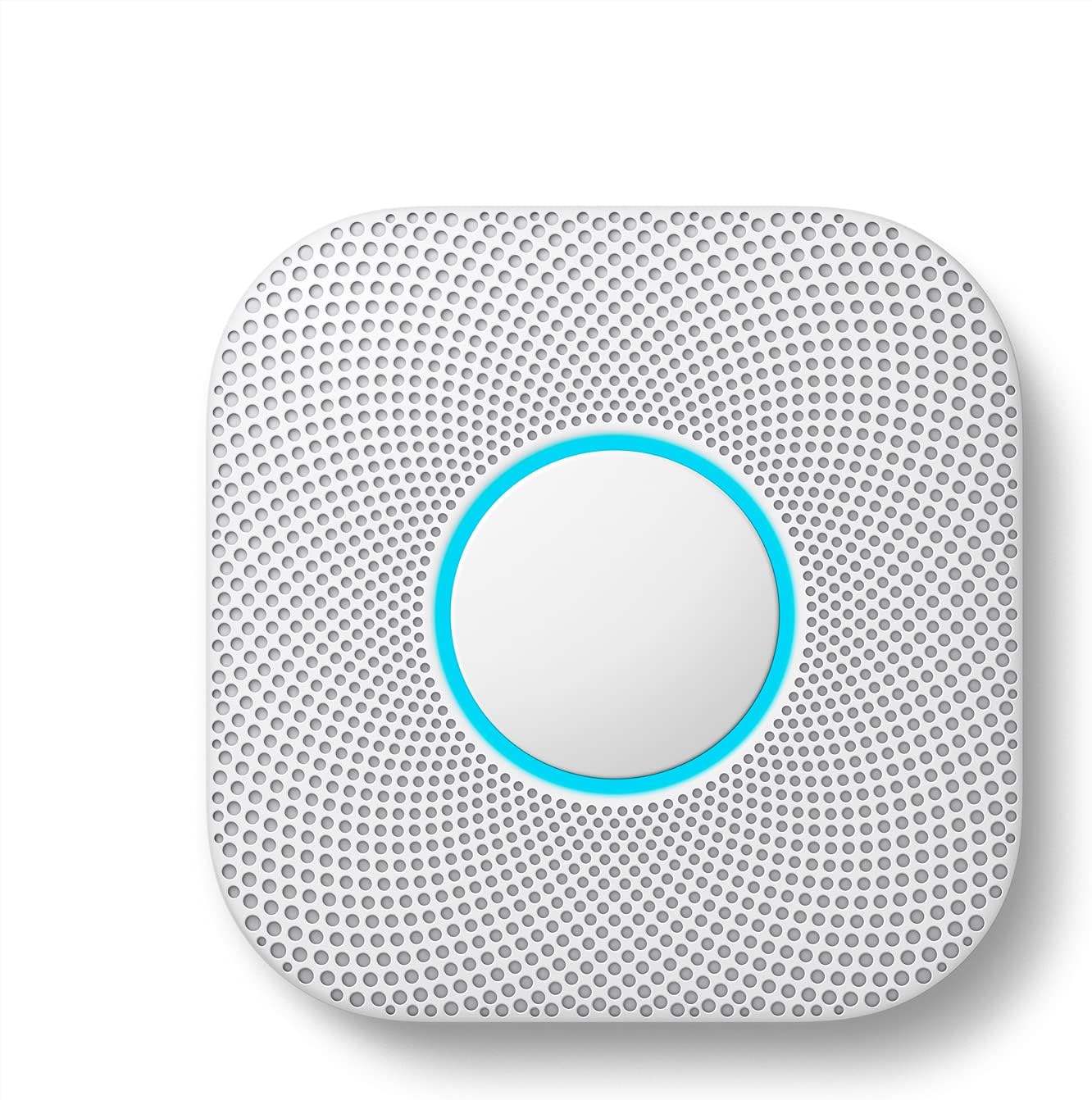
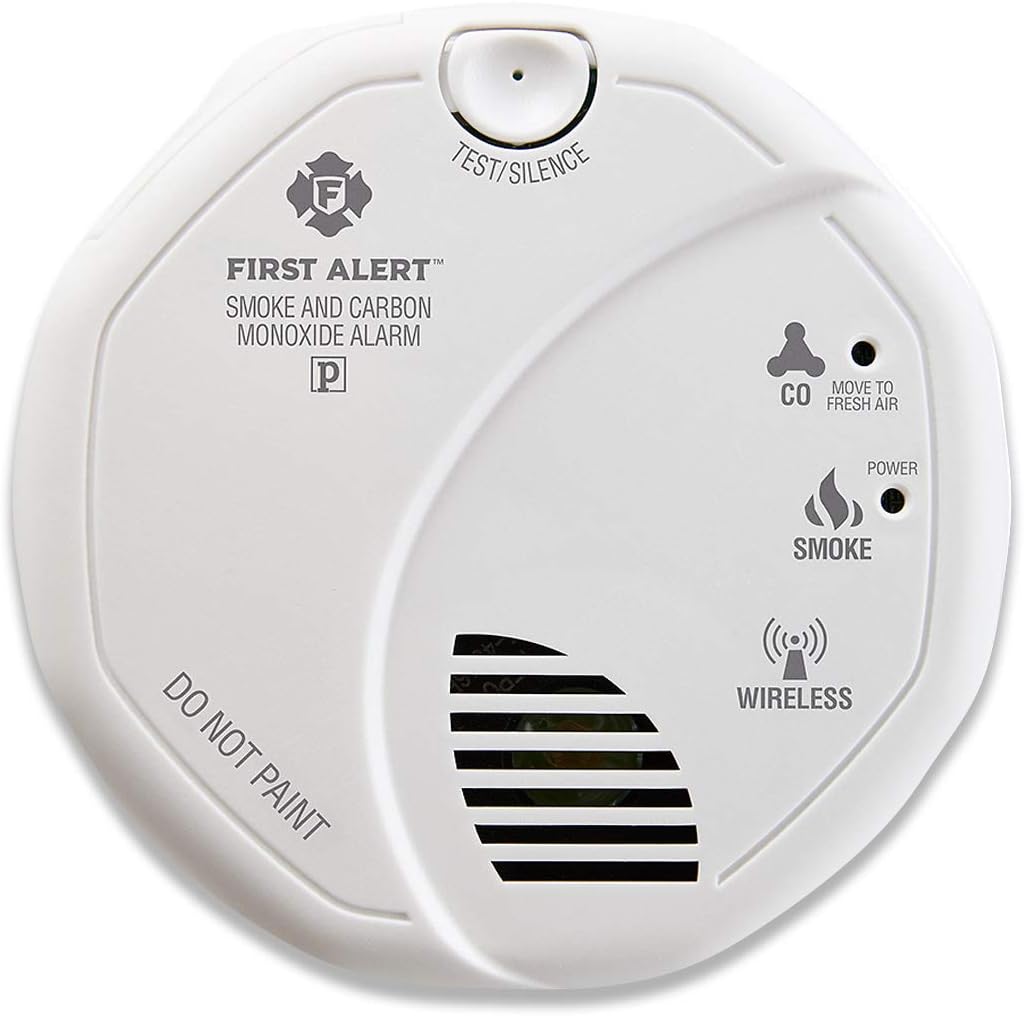
Compare sensing technology, alarm volume, test and silence controls, battery type, low-battery warnings, and installation method. Some alarms are standalone, while others can communicate with compatible units. If considering connected alarms, check the required network or hub and whether the system remains functional during an internet or power interruption.
Placement is equally important. Follow the product instructions and local guidance rather than installing alarms only where they are convenient. Replace or maintain them according to the manufacturer’s schedule.
Fire blankets and related supplies may be useful for specific small-fire situations, particularly where a quick, simple response is appropriate. Compare the material, storage case, dimensions, handling instructions, and recommended use. Emergency supplies can also support evacuation with items such as lighting, protective gear, or first-aid equipment.
Product pages may use similar terms for different capabilities, so read the full specification list. Pay attention to:
For a workplace, rental property, or multi-level home, consider how many devices are needed and whether all occupants can hear or reach them. A product’s stated capability does not guarantee coverage in every room or building layout.
The Fire Safety catalog includes products from Kidde, First Alert, X-Sense, Amerex, VXAR, AEGISLINK, Amerex Corporation, SITERWELL, Universal Security Instruments, Lecoolife, MFC, and Ecoey. Comparing brands by specifications, installation requirements, included accessories, and maintenance instructions can help narrow the options without treating brand familiarity as a substitute for checking the product details.
Fire safety planning often overlaps with other equipment needs. Explore Personal Protective Equipment for protective gear, Flashlights for emergency visibility, and Safes & Safe Accessories for protecting important items. Household Sensors & Alarms may include additional monitoring devices, while Emergency Kits & Supplies can help assemble broader preparedness supplies. For integrated protection, see Home Security Systems.
Not necessarily. Placement should reflect the building layout, likely hazards, accessibility, and local guidance. Extinguishers should never be positioned where reaching them requires moving toward a fire.
Choose one labeled for the fire classes and materials relevant to the intended location. Compare the agent, operating instructions, size, weight, and inspection requirements before purchasing.
Use the locations recommended by the manufacturer and local fire-safety authorities, paying attention to sleeping areas, levels, and areas where occupants need early warning. Avoid relying on a single convenient location to protect an entire building.
They serve different needs. Connected alarms may coordinate alerts across compatible devices, while standalone models can be simpler to install. Check network, hub, power, and compatibility requirements before choosing.
Follow the manufacturer’s maintenance schedule and inspect equipment for damage, expired batteries, blocked sensors, missing parts, or pressure issues. Replace or service items when the instructions require it.