
Systane
Systane Ultra Lubricant Eye Drops, Artificial Tears for Dry Eye, Twin Pack, 10-mL Each
See current price

Compare eye health products by intended use, ingredients, format, and application. K-Catalog helps you review specifications and features before visiting Amazon for current product details.
395 products in catalog
395 results
Systane
See current price


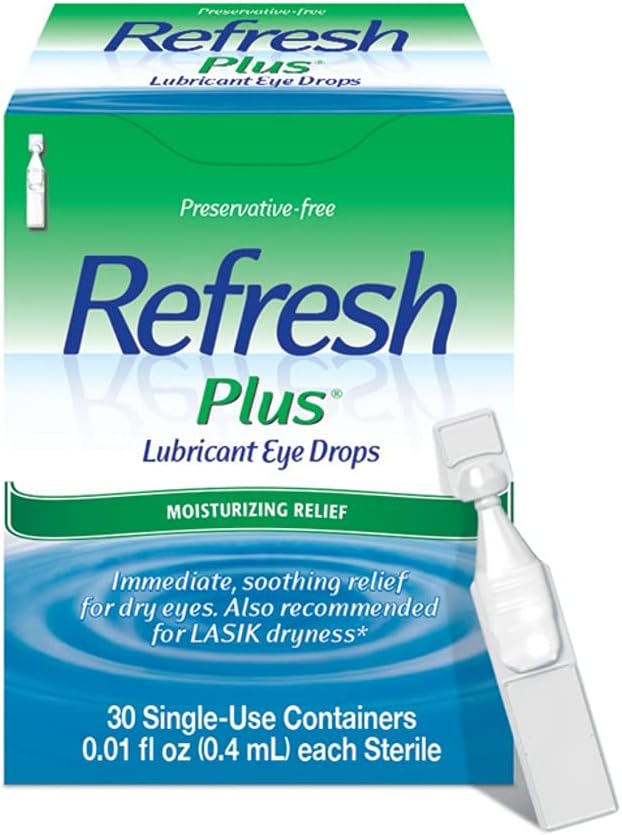


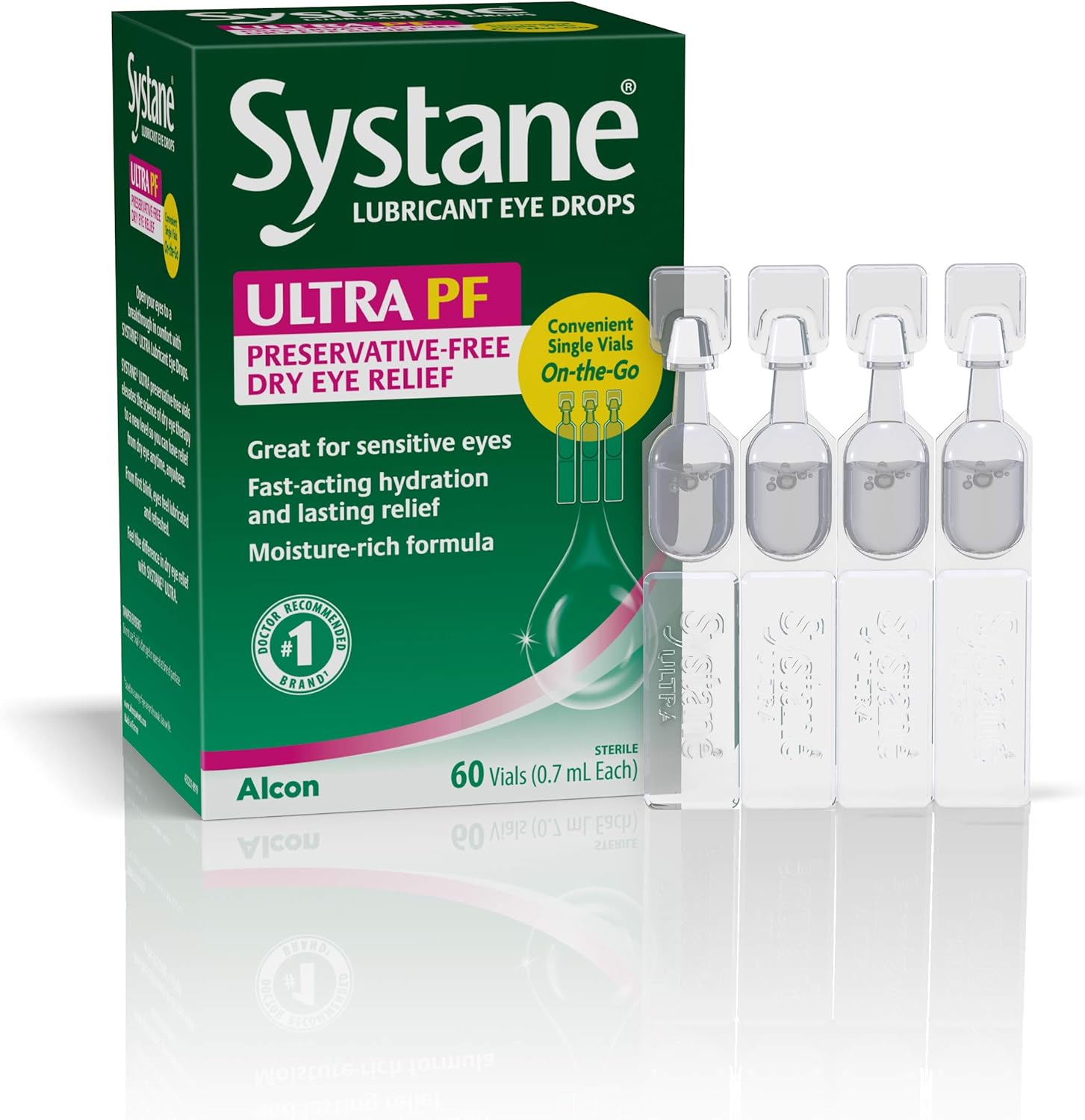
Systane
See current price


TheraTears
See current price


TheraTears
See current price


AmazonUs/EE6IC
See current price

Refresh
See current price
Eye health products can support everyday comfort, dryness relief, irritation care, and other routine needs. The right choice depends on what you are trying to address, how often you plan to use it, and whether the product is suitable for your eyes and contact lens routine.
Use the catalog to compare product details rather than choosing by packaging alone. Read the label carefully, check the intended use, and follow the manufacturer’s directions.
Start by identifying the type of support you need. Occasional dryness, environmental irritation, allergy-related discomfort, and redness may call for different formulations. If symptoms are persistent, severe, or unusual, professional medical advice is more appropriate than relying on an over-the-counter product alone.
Important factors to compare include:
Eye health products vary by purpose and format. Lubricating drops are commonly considered for temporary dryness or discomfort, while thicker gels and ointments may be selected when longer-lasting coverage is preferred. Their texture can affect when they are convenient to use, particularly if temporary blurred vision is possible.
Redness-relief products are formulated for a different purpose than lubricating products. Allergy-oriented eye care may also have different active ingredients and directions. Compare the label carefully instead of assuming that all eye drops work the same way.
Eye wipes and cleansing products can be useful for an external eyelid-care routine, but they should be used only as directed. Avoid applying products to the eye if the packaging does not specifically indicate that they are intended for that use.
For related general health products, browse Over-the-Counter Medication or First Aid.
Product pages may differ in the level of detail provided, so focus on the specifications most relevant to your routine. Compare the container size and format, the stated use, ingredient information, and any warnings or restrictions. Single-use packaging may be convenient for travel or occasional use, while a multidose bottle may fit regular use if handled and stored properly.
Check whether the product is intended for adults, children, contact lens wearers, or another specific group. Pay attention to expiration information and storage requirements. A product that needs special handling may be less practical if you are looking for something to keep at work, in a bag, or while traveling.
Do not share eye drops, applicators, or eye-care tools. Wash hands before application, avoid touching the applicator tip to the eye or surrounding surfaces, and stop using a product if it causes unexpected irritation. Seek medical care for pain, vision changes, injury, marked swelling, or symptoms that do not improve.
The Eye Health catalog includes products from Refresh, Systane, Bausch & Lomb, Blink, Genteal, TheraTears, Rohto, Clear Eyes, Visine, Oasis, SIMILASAN, and Everready First Aid. These brands may offer different formulas, formats, and intended uses, so compare the individual product specifications rather than treating a brand name as a substitute for label information.
You can also explore the broader Health Care catalog when you need products outside eye care. For shoppers comparing wellness approaches, Alternative Medicine is another related category, though products there may have different uses and evidence considerations.
Keep eye products in their recommended storage conditions and replace them according to the label. Do not use a container if the seal is damaged, the solution looks unusual, or the applicator has become contaminated. If you wear contact lenses, follow both the lens-care instructions and the eye-product directions; compatibility can vary by formulation.
When comparing several options, save the products that match your intended use, then review their ingredients, warnings, format, and application instructions side by side. This makes it easier to distinguish products designed for occasional comfort from those intended for a more specific concern.
No. Eye drops can differ by intended use, active ingredients, preservatives, texture, and lens compatibility. Read the label before selecting or switching products.
Check whether the product is specifically labeled for use with contact lenses. Some products require lenses to be removed before application and replaced only after the stated waiting period.
Do not use a product if its packaging is damaged, it is expired, the solution appears contaminated, or the label does not match your intended use. Follow the product’s warnings.
No. Sharing can transfer contamination between users. Each person should use their own appropriately handled product.
Seek medical advice for eye pain, injury, sudden vision changes, pronounced swelling, discharge, or symptoms that persist or worsen. A clinician can help identify the cause and suitable treatment.