
Lixit Animal Care
Lixit Quick Lock Cage Bowls for Small Animals and Birds. (10oz, Stainless)
See current price

Compare bird feeders and waterers by design, materials, capacity, and cage compatibility. K-Catalog helps shoppers review product specifications and features before choosing supplies for a bird’s daily routine.
122 products in catalog
122 results
Lixit Animal Care
See current price

JW Pet Company
See current price

Lixit
See current price




Prevue Pet Products
See current price


Bird feeding and watering supplies support the everyday needs of pet birds, from serving food neatly to keeping fresh water accessible. The right setup can make cage maintenance more manageable while giving a bird a comfortable, dependable place to eat and drink.
This category includes supplies for different cage arrangements and bird-care routines. Compare the available designs and specifications carefully, then check the product listing on Amazon for the latest details before buying.
Start with the type of bird, the cage design, and how often the enclosure is cleaned. A feeder or waterer should be easy to access without taking up unnecessary space or interfering with perches, doors, and other cage accessories.
Consider these factors when comparing products:
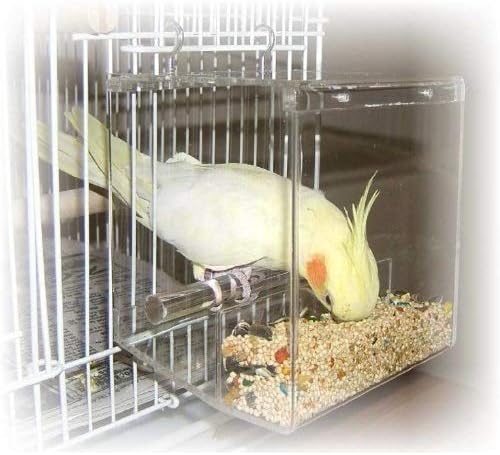
Feeders may be designed to sit inside a cage, attach to the bars, or provide a more contained area for seed, pellets, or other bird food. Waterers can use bowls, reservoirs, or enclosed designs. The best format depends on the bird’s habits, cage layout, and how much protection from debris is needed.
For related cage equipment, browse Birdcage Accessories. A suitable feeder or waterer should work alongside perches, liners, and other items rather than crowding the living area. To coordinate a feeding setup, compare the available Food and Treats categories as well.
Product descriptions can vary considerably, so focus on practical specifications rather than appearance alone. Check whether the listing identifies the intended bird size or species, the installation method, and the recommended placement. Dimensions matter when the cage has narrow doors or limited interior space.
Also review how each item is filled and cleaned. A wide opening may simplify refilling, while a covered or enclosed design may help reduce scattered food. For waterers, inspect the drinking area and reservoir design, and consider whether the water level can be checked easily.
If a feeder or waterer is intended for more than one bird, confirm that the design provides suitable access without creating congestion. For a single bird, a compact option may leave more room for movement and enrichment.
The catalog includes products from BWOGUE, QBLEEV, Vehomy, Prevue Pet Products, PINVNBY, C S, Mrli Pet, Zoo Med, FinYii, Bonka Bird Toys, Hamiledyi, and Featherland Paradise. These brands are represented across the available selection, but product specifications can differ between listings. Compare materials, dimensions, mounting details, and cleaning instructions for each individual item rather than choosing by brand name alone.
Place food and water away from areas where droppings or loose bedding are likely to fall. Keep the items clear of toys and active perches when possible, and observe whether the bird can use them comfortably without awkward stretching or crowding.
Clean feeding and watering supplies regularly according to the product instructions. Replace or remove food and water that becomes soiled, and inspect attachment points for looseness or wear. Before adding a new item, confirm that its mounting system is compatible with the cage bars and that doors can still open fully.
The surrounding cage matters too. Shoppers comparing a complete enclosure can browse Birdcages, while Toys may help plan the rest of the bird’s environment. For care-related products, see Health Supplies.
Compare the materials listed for each product, along with their cleaning requirements and suitability for repeated food contact. Smooth, easy-to-wash surfaces are often practical for routine care.
Check the product dimensions and attachment method against the cage-bar spacing, door openings, and available interior space. The listing should provide the details needed for a compatibility check.
Neither style is automatically right for every bird. Enclosed designs may help contain food, while open bowls can offer straightforward access and cleaning. Compare the bird’s habits and the cage setup.
Choose a stable position that is easy for the bird to reach and away from likely sources of droppings or debris. Make sure the placement does not block cage doors or crowd perches.
Review capacity, dimensions, materials, filling access, cleaning instructions, and mounting details. Also confirm that the design suits the bird’s size and the cage’s layout.