
kimoe
Kimoe 5LB 100% Natural Non-GMO Dried mealworms-High-Protein for Birds, Chicken,Ducks
See current price

Compare bird treats by ingredients, format, and intended use. This catalog helps bird owners review features and product details before choosing options for training, enrichment, or occasional feeding.
112 products in catalog
112 results
kimoe
See current price

Central Garden & Pet
See current price


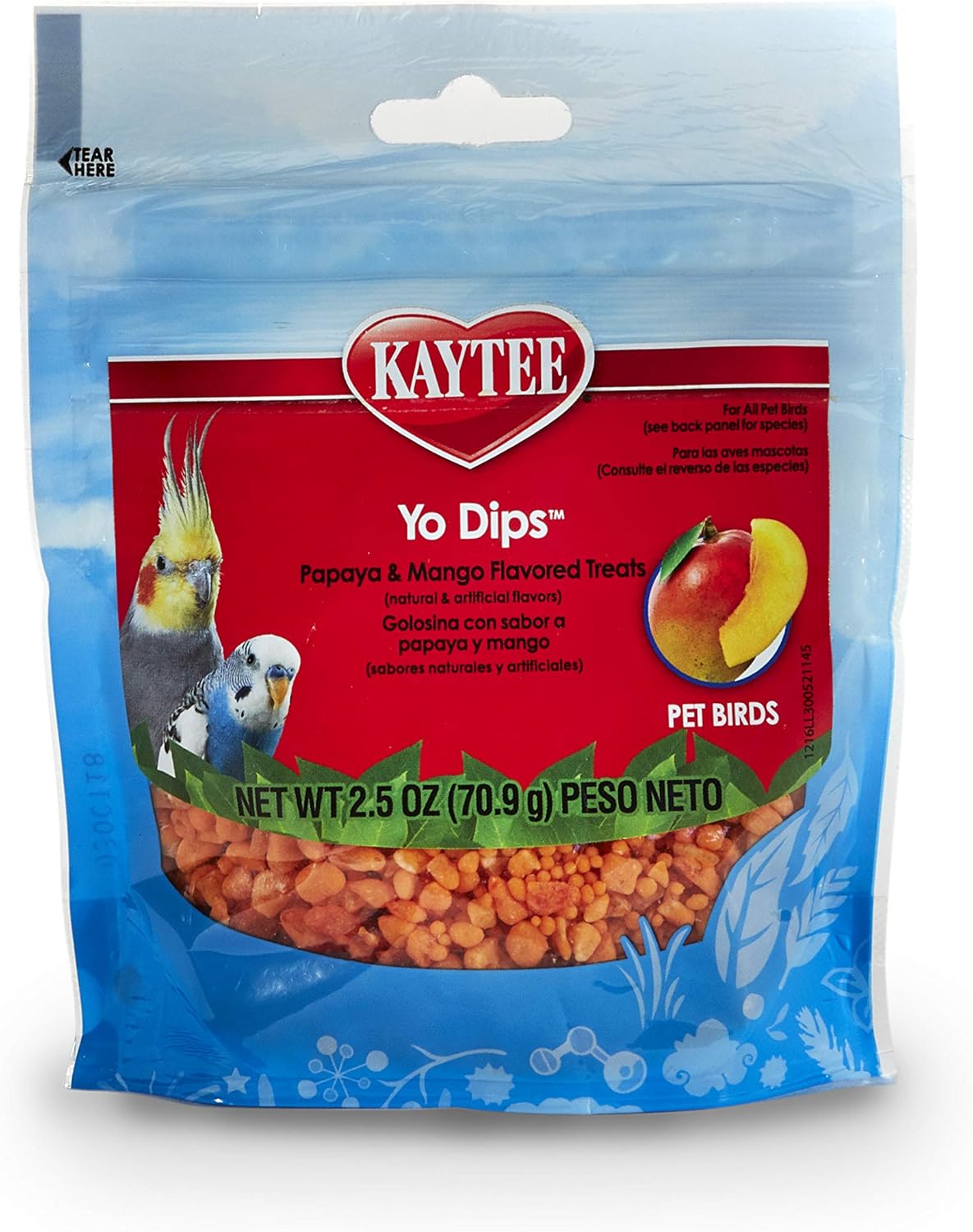
Central Garden & Pet
See current price

Manna Pro
See current price


eCOTRITION
See current price

Bird treats can add variety to a bird’s routine, support positive interaction, or make enrichment activities more engaging. The right choice depends on the bird’s species, size, dietary needs, and how the treat will be offered.
Use this category to compare ingredients, formats, package details, and feeding guidance across available options. Treats should complement a bird’s regular diet rather than replace a complete food formulated for its needs.
Start with the type of bird and its normal diet. A treat suitable for a larger parrot may not be practical for a finch, canary, budgie, or other small bird. Consider the size and texture of each piece, especially if the treat will be used during handling or training.
Also think about how often the treat will be offered. Small portions can be useful for frequent training, while larger or more interactive products may be better suited to occasional enrichment. Always follow the package directions and account for treats when managing the bird’s overall intake.
Important factors to compare include:
Loose treats are easy to portion and can work well for training or sprinkling into a foraging activity. Treat sticks and other attached formats may encourage climbing, pecking, and longer engagement, but they need to be secured properly and removed when soiled or depleted.
Seed and grain-based treats are familiar choices for many companion birds, though their suitability depends on the bird’s existing diet and nutritional requirements. Biscuits, clusters, and shaped pieces may offer different textures and portion sizes. Compare the product description and feeding instructions rather than choosing by appearance alone.
For more ways to support a bird’s daily routine, compare treats with Birdcage Accessories, Toys, and Feeding & Watering Supplies.
Read the full label before selecting a product. Check for ingredients your bird should avoid, especially if it has a known sensitivity or is following a veterinarian-directed diet. Products with added flavorings, colors, sweeteners, or other extras may not suit every bird or household preference.
Look for clear information about the intended bird type, feeding method, and storage. A resealable package can be useful for maintaining freshness, while individually portioned or easy-to-break formats may help control serving size. If your bird has a medical condition or a restricted diet, ask an avian veterinarian before introducing a new treat.
Treats are not a substitute for a nutritionally complete everyday food. Compare the available Food options separately when reviewing the bird’s primary diet.
The catalog includes bird treat products from Kaytee, Central Garden & Pet, Vitakraft, Manna Pro, Living World., Wild Harvest, Tropical Carnival, Penn-Plax, Higgins, Happy Hen Treats, Higgins Group, and A&E Cage Company. These brands may offer different formats, ingredient profiles, and intended uses, so compare the individual product specifications rather than relying on the brand name alone.
Product details can vary by formulation and bird type. Check the package information for serving guidance, storage requirements, and compatibility with your bird’s regular food.
Introduce a new treat gradually and observe how the bird responds. Offer only an appropriate portion, provide access to clean water, and remove uneaten moist or perishable items promptly. Keep dry treats sealed in a cool, dry place and follow the manufacturer’s storage instructions.
Avoid placing treats where they can become contaminated by droppings, bedding, or cleaning products. Treats attached inside the cage should not obstruct perches, doors, or normal movement. For additional habitat and routine supplies, browse Birdcages and Health Supplies.
Treat frequency depends on the bird’s species, size, diet, activity, and health. Follow the product guidance and keep treats as a limited part of the overall feeding routine.
No. Treats are intended to complement, not replace, a complete diet appropriate for the bird. Use the main food as the foundation of daily nutrition.
Small, easy-to-portion pieces are often practical because they can be offered quickly and in controlled amounts. Choose a texture and size the bird can handle comfortably.
Not necessarily. Check the product’s intended bird size and attachment method, secure it firmly, and monitor the bird while it interacts with the treat.
Use the package storage directions. Most dry products should be kept sealed in a cool, dry location, while any moist or perishable item should be handled and discarded according to its label.