

Bird Food: Compare Types and Features
Compare bird food by diet type, ingredients, format, and suitability for your bird’s species and life stage. K-Catalog helps you review product details before checking current options on Amazon.
417 products in catalog
417 results
Filters


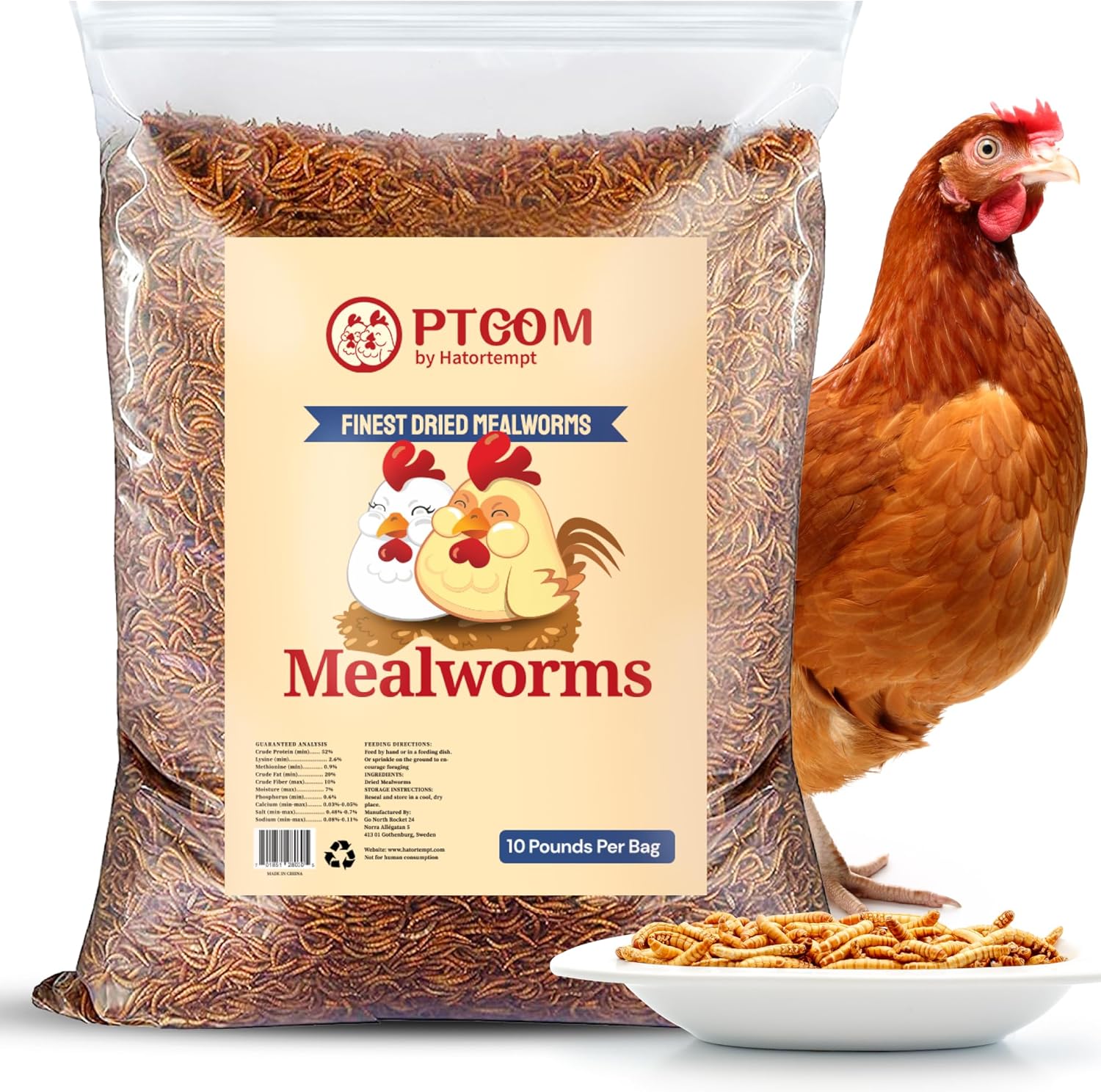


Manna Pro
Manna Pro Chick Starter Food – Non-Medicated Chick Feed – Chick Supplies – Duck Food 5 Pounds
See current price


Wild Harvest
Wild Harvest Daily Blend Nutrition Diet for Parakeet, Canary and Finch, Orange flavored, 10 Pounds
See current price
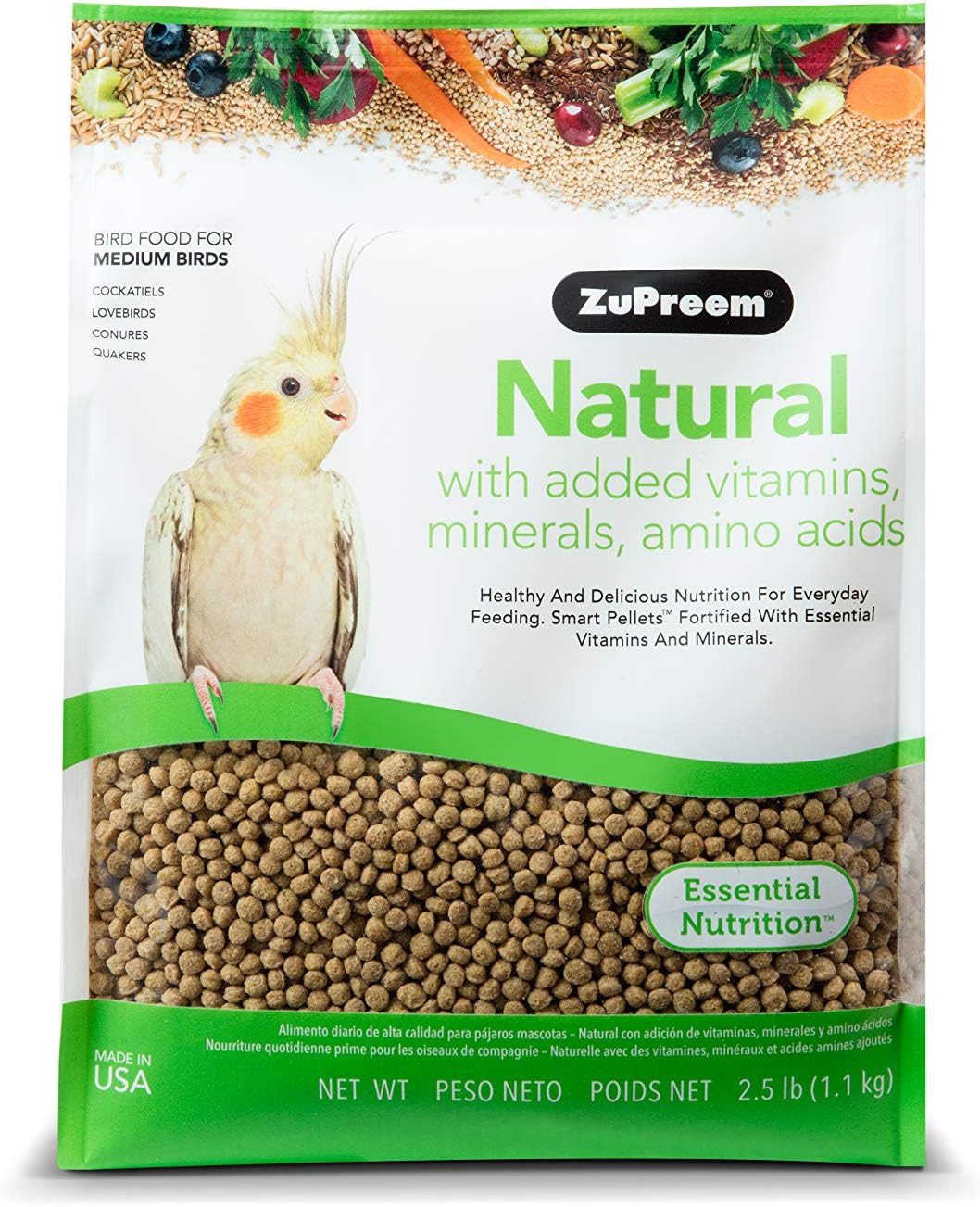


Central Garden & Pet
Kaytee Forti-Diet Pro Health Conure and Lovebird Pet Bird Food, 4 Pound
See current price

Harrison's Bird Foods
Harrison's Bird Foods Adult Lifetime Fine 5lb Certified Organic Formula
See current price

Wild Harvest
Wild Harvest WH-83540 Wild Harvest Advanced Nutrition Diet for Nutrition Diet for Parakeets, 4.5-Pound
See current price

Popular brands in Food
Choosing bird food involves more than selecting a familiar package. Species, age, activity level, health needs, and existing diet can all affect which formula or food format is appropriate. Product labels should provide the details needed to compare ingredients and feeding guidance.
K-Catalog’s bird food selection includes products from brands such as Higgins, Kaytee, LAFEBER'S, ZuPreem, RoudyBush, and Harrison's Bird Foods. Use the specifications and features on each listing to narrow your options, then consult an avian veterinarian when making major dietary changes or addressing a health concern.
How to choose bird food
Start with the bird’s species and life stage. Food designed for a small parrot may not suit a large parrot, finch, canary, or other bird. Young, adult, breeding, aging, or recovering birds may also have different nutritional considerations.
Compare the product’s intended use and feeding instructions rather than relying only on package appearance. Useful questions include:
- Is the food intended as a complete diet, a supplemental food, or a treat?
- Does the label identify the bird types or life stages it is made for?
- Are there directions for transitioning from another food?
- Does the package size and format suit your storage and feeding routine?
- Are ingredients or dietary exclusions important for your bird?
If your bird has a diagnosed condition or a specialized diet, prioritize advice from a qualified avian veterinarian over general product descriptions.
Common types of bird food
Bird food is available in several formats, and each may suit a different feeding routine. Seed mixes are familiar and can include combinations of grains, seeds, and other ingredients. Because birds may select preferred pieces from a mix, compare the feeding guidance and intended role of the product rather than assuming a mix should be the entire diet.
Pellets and formulated diets are designed to provide a more consistent blend of nutrients in each serving. They may be available for particular bird sizes, species groups, or life stages. Check whether the product is intended as a complete food and follow the manufacturer’s transition instructions.
Other products may include grains, dried ingredients, soft food, or specialized formulas. For additional feeding accessories that help with portioning and serving, browse Feeding & Watering Supplies. Treats are a separate category and should be evaluated according to their intended use; see Treats when comparing occasional feeding options.
Ingredients and specifications to compare
The ingredient list is a useful starting point, but it should be considered alongside the guaranteed analysis, feeding directions, and intended bird type. Look for clear information about the main ingredients and any added vitamins, minerals, or other nutritional components.
Pay attention to the following details:
- Diet purpose: Determine whether the food is complete, supplemental, or intended for occasional use.
- Bird suitability: Check species, size, age, and any special-purpose guidance on the label.
- Ingredient preferences: Compare grains, seeds, fruits, vegetables, protein sources, and other components if your bird has preferences or dietary restrictions.
- Format: Consider loose food, pellets, crumbles, sticks, or other forms based on how your bird eats.
- Storage guidance: Review instructions for keeping the food fresh and protected from moisture or pests.
- Feeding instructions: Follow the recommended serving approach and observe how much is actually consumed rather than assuming an empty bowl means all ingredients were eaten.
Avoid making a decision based on a single ingredient or marketing phrase. A product’s complete nutritional information and intended use provide better comparison points.
Brands represented in the catalog
The catalog includes bird food from Higgins, Kaytee, LAFEBER'S, ZuPreem, RoudyBush, Central Garden & Pet, Vitakraft, Manna Pro, Wild Harvest, Harrison's Bird Foods, Volkman, and Sweet Harvest. These brands may offer different formulas, formats, and intended bird types, so compare the specifications of individual products rather than treating a brand name as a substitute for label details.
A consistent food may make feeding easier, but birds can be selective when changing diets. Transition gradually when the product instructions recommend it, and monitor eating habits during the change. Fresh water should remain available, with serving and cleaning practices guided by the food and supply instructions.
Related bird supplies
Food works alongside the equipment used to serve and store it. Birdcage Accessories can help organize a bird’s living area, while Birdcages may be relevant when evaluating space for feeders and water containers. For enrichment beyond feeding, explore Toys. Health-related products are grouped under Health Supplies, though veterinary guidance is important for medical needs.
Frequently asked questions
Should bird food be chosen by species?
Yes. Species, body size, age, and activity level can affect nutritional needs. Check the label for the birds the product is intended to serve.
Are pellets or seed mixes better?
Neither format is automatically right for every bird. Compare whether the product is complete or supplemental, review its intended use, and follow advice from an avian veterinarian when needed.
How should a bird’s diet be changed?
Follow the product’s transition guidance and introduce changes carefully. Monitor normal eating and contact an avian veterinarian if the bird is not eating or shows signs of illness.
What should be checked on a bird food label?
Review the intended bird type, diet purpose, ingredients, guaranteed analysis, feeding directions, storage instructions, and any relevant dietary exclusions.
Are treats the same as regular bird food?
Treats are generally intended for supplemental or occasional feeding, while a complete food is designed to serve as a primary diet. Check the label for the product’s stated purpose.