

Fittings for Hydraulics, Pneumatics & Plumbing
Compare fittings for plumbing, pneumatic, and hydraulic applications by connection style, material, dimensions, and compatibility. Review specifications before clicking through to Amazon for current product details.
754 products in catalog
754 results
Filters


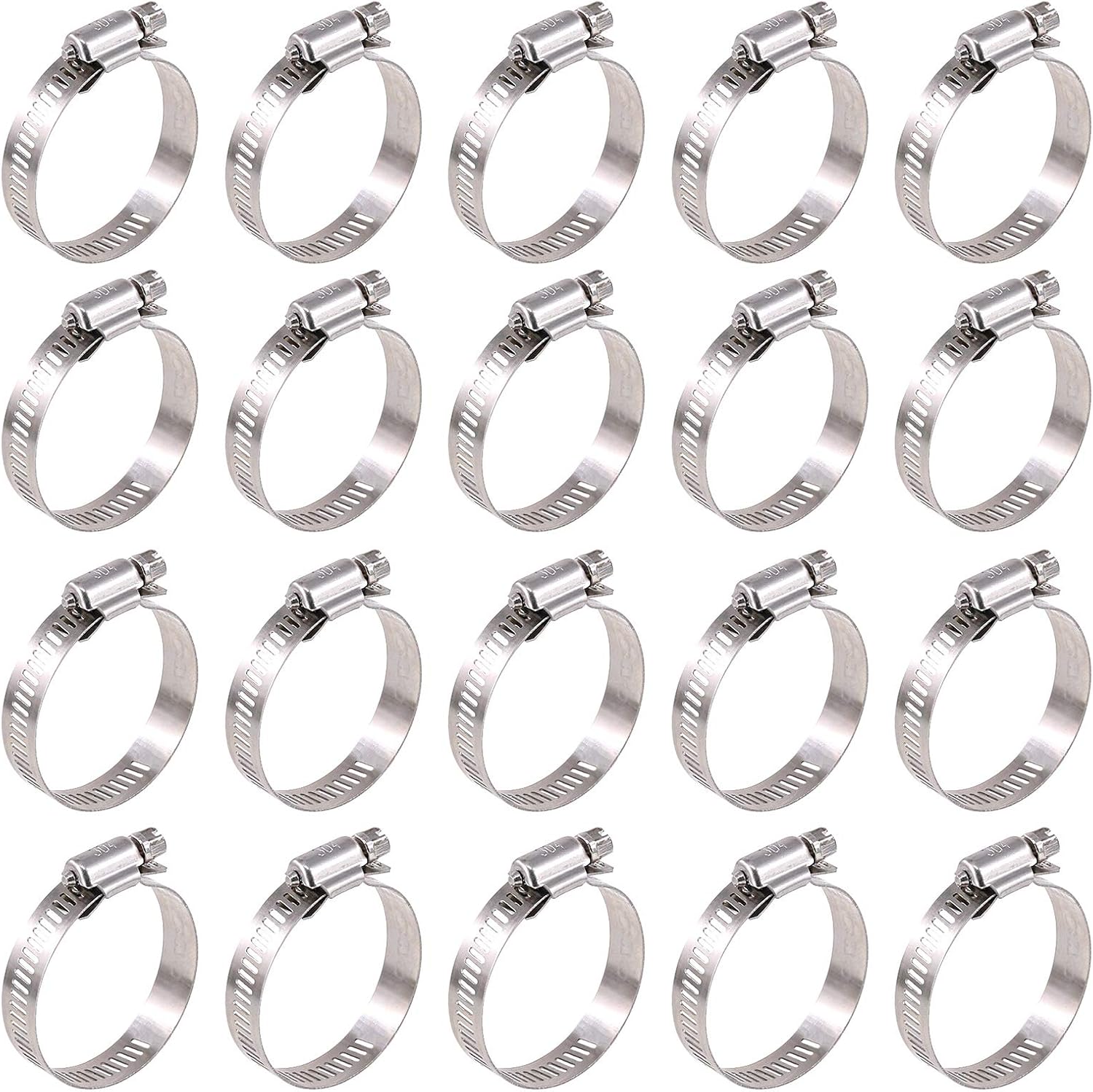


Superior Pump
Superior Pump 99555 Universal Check Valve, Plastic, Fits all 1-1/4-Inch or 1-1/2-Inch MIP or FIP, Black
See current price


Precision Brand
PrePrecision Brand M10S Micro Seal, Miniature All Stainless Worm Gear Hose Clamp, 1/2"-1-1/16" - 33110 (Pack of 10)
See current price

TAILONZ PNEUMATIC
TAILONZ PNEUMATIC Male Straight 1/2 Inch Tube OD x 1/8 Inch NPT Thread Push to Connect Fittings PC-1/2-N1 (Pack of 5)
See current price


Koehler Enterprises
Koehler Enterprises KE24BX 10 Piece Hose Clamp Box (Size SAE 24), Silver
See current price

Anderson Metals
Anderson Metals - 54048-0608 Brass Tube Fitting, Half-Union, 3/8" Flare x 1/2" Male Pipe
See current price
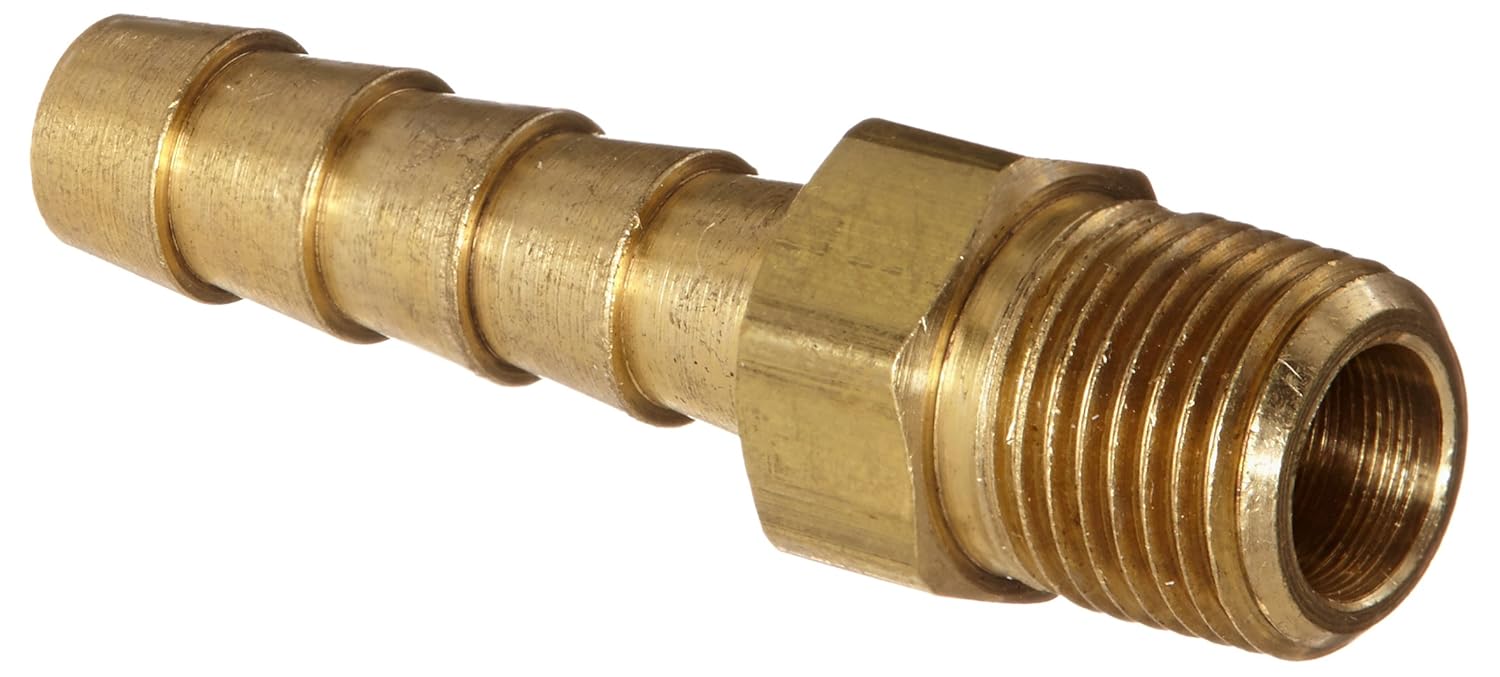
Anderson Metals
Anderson Metals 57001-0402 Brass Hose Fitting, Adapter, 1/4" Barb x 1/8" NPT Male Pipe
See current price


Control Devices
Control Devices ST Series Brass ASME Safety Valve, 150 psi Set Pressure, 1/4" Male NPT
See current price

Spears Manufacturing
Spears 1436 Series PVC Tube Fitting, Adapter, Schedule 40, Gray, 1/2" Barbed x NPT Male
See current price
Popular brands in Fittings
Fittings connect, redirect, divide, adapt, or terminate fluid and air lines. The right choice depends on more than appearance: connection standards, material, working conditions, and compatibility all affect whether a fitting is suitable for an installation.
Use this catalog to compare product specifications and features across fittings for industrial, workshop, maintenance, and plumbing projects. For broader system components, browse Hydraulics, Pneumatics & Plumbing or explore the related categories below.
How to choose fittings
Start by identifying the line, port, or component the fitting must connect. Check the outside or inside dimensions specified by the manufacturer, then confirm that both sides use compatible connection standards. A fitting that appears to fit may still leak or fail if the thread form, tube size, or sealing method is different.
Consider these factors before selecting a product:
- Connection type: Threaded, compression, push-to-connect, barbed, flare, quick-connect, and slip connections serve different installation needs.
- Configuration: Elbows change direction, tees split a line, couplings join matching connections, and adapters bridge different connection types or sizes.
- Material: Brass, stainless steel, plastic, and other materials vary in corrosion resistance, strength, weight, and fluid compatibility.
- Operating conditions: Check the stated pressure, temperature, vacuum, and chemical-compatibility specifications for the intended use.
- Sealing method: Some fittings rely on an O-ring, gasket, tapered thread, compression ring, or a separate sealant.
Common fitting types
Threaded fittings are a practical choice when components need to be assembled and removed using compatible threaded ports. They are available in straight, angled, branching, reducing, and adapter configurations. Confirm whether the connection uses male or female threads and whether the thread standard matches the mating component.
Compression fittings can connect tubing without welding or soldering, while push-to-connect fittings are often chosen for faster installation and service access. Barbed fittings are designed for flexible tubing and typically require a secure tubing fit. Quick-connect designs can simplify repeated disconnection, but the coupling and plug must be matched correctly.
Adapters and reducers are useful when joining different connection styles or dimensions. Couplings connect similar lines, while caps and plugs close unused ports. Select the configuration based on the actual routing of the system rather than choosing a fitting solely by nominal size.
Related components to compare
Fittings are only one part of a complete fluid or air system. Compare them with Tubes, Pipes & Hoses when checking line material and dimensions. Hydraulic Equipment may be relevant for pressurized hydraulic assemblies, while Seals & O-Rings can help with replacement sealing components. For systems that move fluid, see Pumps & Accessories.
Specifications that matter
Product listings may describe fittings using nominal pipe size, tube outside diameter, thread size, thread direction, port configuration, or a manufacturer-specific designation. Read the full specification table instead of relying on a broad product title.
Material selection should reflect the medium passing through the fitting and the surrounding environment. Stainless steel may be considered where corrosion resistance is important, while brass and engineered plastics may suit different plumbing, pneumatic, or general-purpose installations. For demanding applications, verify pressure and temperature limits directly in the product details.
Also check the included components. Some listings may contain a single fitting, while others may include multiple pieces, plugs, seals, or accessories. Confirm what is supplied before planning an installation.
Brands represented in the catalog
The catalog includes fittings from Anderson Metals, DERNORD, Joywayus, beduan, TAILONZ PNEUMATIC, Quickun, Taisher, Spears Manufacturing, FORMUFIT, Control Devices, Zurn, and Legines. These brands cover a range of industrial, pneumatic, plumbing, tubing, and maintenance applications. Compare each listing by its own dimensions, materials, connection details, and stated operating specifications rather than by brand name alone.
Installation and compatibility tips
Clean mating surfaces and inspect threads, tubing ends, and seals before assembly. Avoid forcing mismatched threads or overtightening a connection, since either can damage the fitting or create a leak. For compression and push-to-connect designs, prepare the tube end as directed and verify that it is fully seated.
For pressurized systems, confirm that every connected component is suitable for the same service conditions. Depressurize lines before disassembly, follow the manufacturer’s installation instructions, and use appropriate protective equipment. When an application involves hazardous fluids, high pressure, heat, or critical equipment, qualified installation support may be appropriate.
Frequently asked questions
How do I know which fitting size I need?
Measure or identify the mating tube, pipe, or port and compare its specified dimensions with the fitting listing. Also match the thread type and connection gender, not just the apparent diameter.
What is the difference between an adapter and a coupling?
A coupling generally joins two similar connection types, while an adapter changes the connection style, gender, or size between components.
Are all threaded fittings interchangeable?
No. Thread form, pitch, standard, taper, and gender must match. When in doubt, compare the manufacturer’s complete thread specifications for both components.
Which fitting material should I choose?
Choose based on the fluid or gas, pressure, temperature, corrosion exposure, and the material of the connected lines. Check the product’s compatibility information before purchase.
Can fittings be used for both air and liquid?
Some fittings are suitable for both, but suitability depends on the design, seals, material, pressure, and the manufacturer’s stated application. Verify the listing specifications for the intended medium.