
Precitrade
Precitrade Shurflo 2088-554-144 Fresh Water Pump, 12 Volts, 3.5 Gallons Per Minute, 45 Psi
See current price

Compare hydraulic equipment by function, pressure capability, connections, materials, and compatibility. K-Catalog helps you review specifications before visiting Amazon to choose the right component.
77 products in catalog
77 results
Precitrade
See current price


Primefit
See current price


Summit Hydraulics
See current price

The TAPCO Group - DROPSHIP
See current price


PAE Machinery Industrial CO.
See current price

SharkBite
See current price
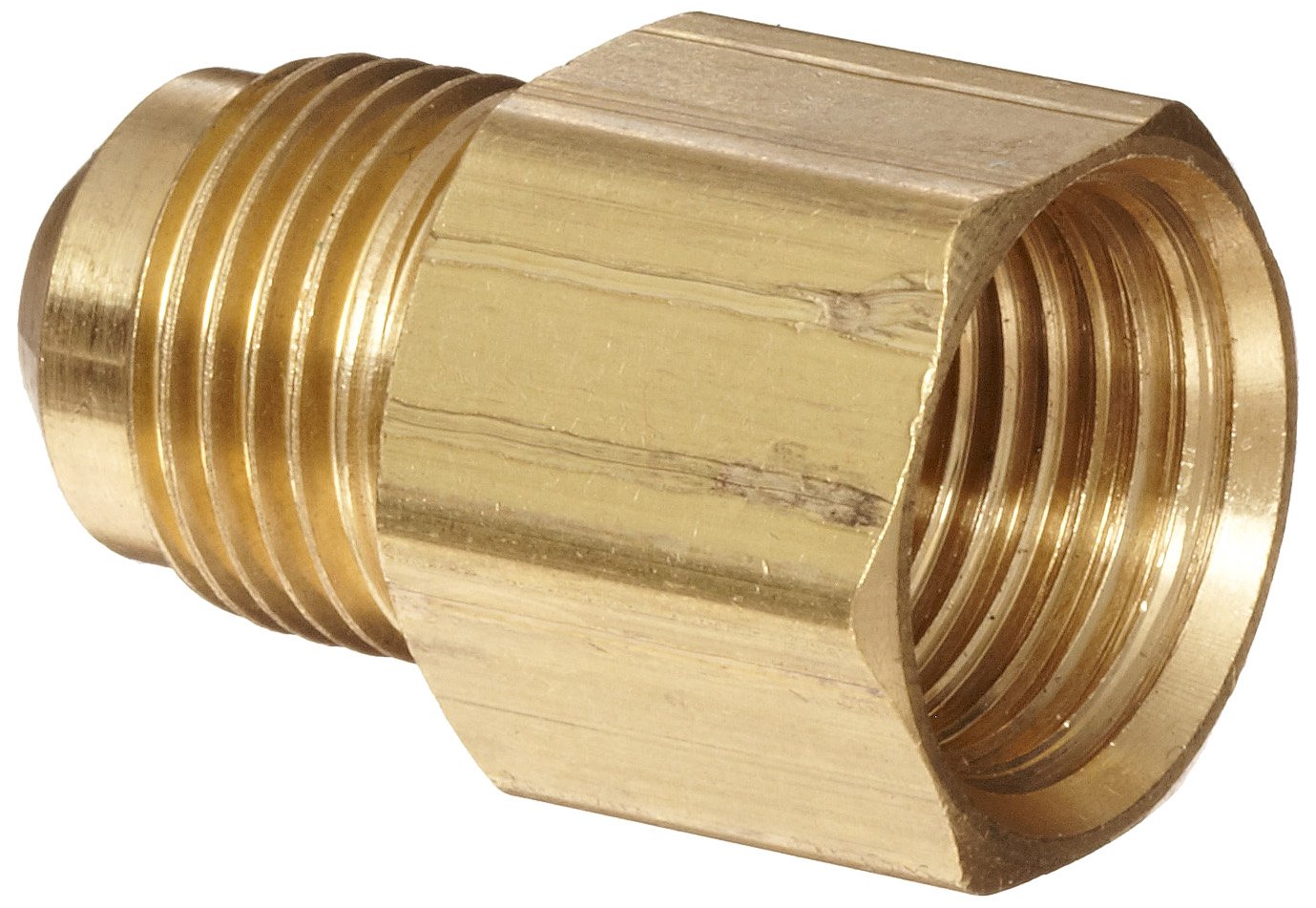
Anderson Metals
See current price

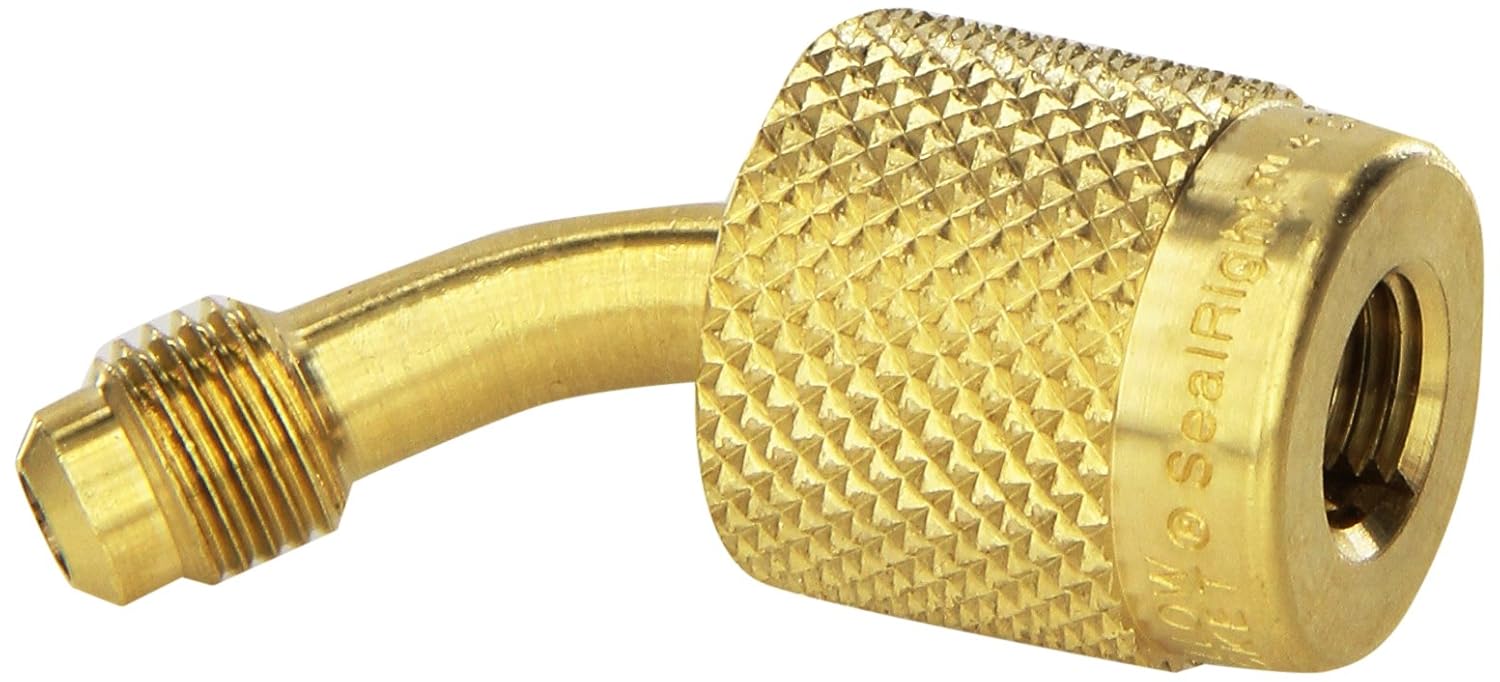


J&R Quality Tools
See current price

LTWFITTING
See current price


Watts
See current price
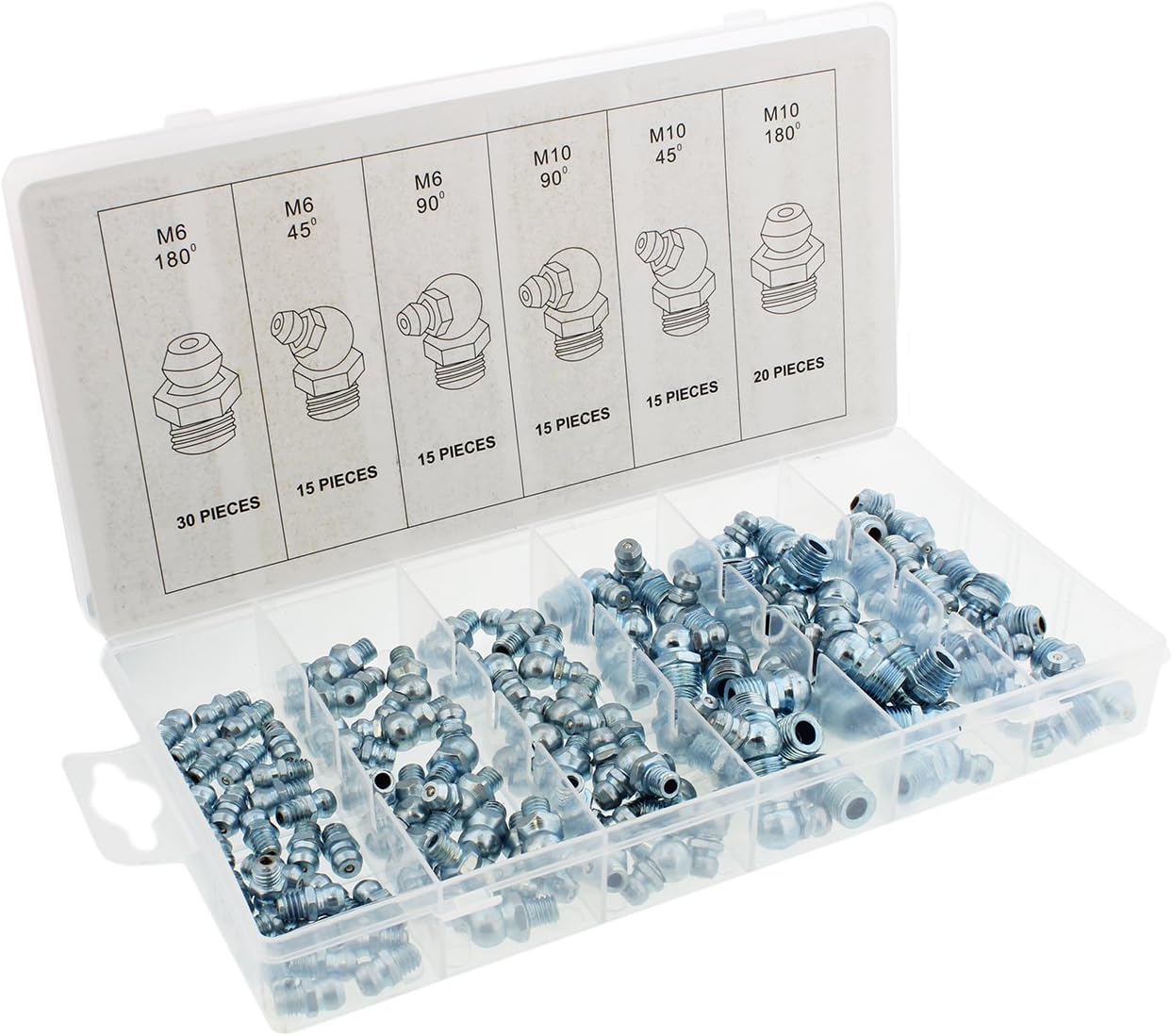


Leisure Components
See current price


Hydraulic equipment converts fluid power into controlled force and movement for machinery, vehicles, production systems, and maintenance work. The category can include components such as hydraulic cylinders, valves, power units, jacks, filters, reservoirs, and accessories.
The right choice depends on how the component will be installed and operated. Start with the task, then compare operating requirements, connection details, materials, and available space against the equipment already in your system.
Define the job before comparing individual products. A cylinder may be suitable for linear movement, while a valve manages fluid direction, flow, or pressure. A pump or power unit supplies the movement needed by the rest of the circuit, but it must be matched to the system rather than selected in isolation.
Consider these fundamentals:
Hydraulic cylinders create linear motion and are often differentiated by stroke, bore, rod design, mounting arrangement, and retraction method. Match the cylinder’s movement and mounting points to the machinery, and check that the closed and extended lengths fit the available space.
Hydraulic valves control the path and behavior of fluid. Directional valves, flow-control valves, pressure-control valves, and check valves serve different purposes. Compare the valve function, actuation method, port configuration, flow capacity, and pressure specifications.
Pumps and power units supply hydraulic flow. For related components, browse Pumps & Accessories. When a system requires a jack, press component, reservoir, filter, or other supporting equipment, check the complete specification rather than relying on the product name alone.
For the surrounding plumbing, Fittings help connect components, while Tubes, Pipes & Hoses provide the fluid path. These parts must be selected together so thread type, hose size, pressure capability, and material are compatible.
Connections are a common source of installation problems. Compare port size, thread standard, gender, seal style, and orientation. A fitting that appears similar may not create a reliable or compatible connection if its thread standard differs.
For cylinders and actuators, review bore, stroke, rod diameter, retracted length, extended length, mounting hardware, and cushioning features where listed. For valves, compare the circuit function, flow direction, actuation, port arrangement, and maximum operating conditions.
For pumps and power units, examine displacement, flow, pressure, drive arrangement, inlet and outlet requirements, and reservoir or motor details. Also verify whether the component is intended for the fluid and temperature conditions in your application.
Sealing components deserve equal attention. Browse Seals & O-Rings when replacing worn seals or planning a compatible repair. Match seal material and dimensions to the equipment and hydraulic fluid, and do not assume that a visually similar seal will perform correctly.
The catalog includes hydraulic and related equipment from DERNORD, Grunge Armor, Mophorn, SHURFLO, Summit Hydraulics, Zinger, Magister Hydraulics, CAI - YELLOW JACKET, VEVOR, Fernco, The TAPCO Group - DROPSHIP, and Milton. Brand availability can vary by product type, so compare the specifications of each individual listing rather than choosing by brand name alone.
For broader equipment browsing, see the parent Hydraulics, Pneumatics & Plumbing category.
Relieve stored pressure before disconnecting hydraulic components, and use equipment rated for the system’s operating conditions. Keep connection surfaces clean, protect open ports from contamination, and inspect hoses, seals, and fittings for wear or damage during maintenance.
Confirm the system is properly filled and purged according to the equipment instructions. After installation, check for leaks and verify that the component moves or controls fluid as intended without exceeding its specified limits. Always follow the manufacturer’s safety guidance for lifting, pressing, and other high-force applications.
Start with the application, required movement or control function, operating pressure, flow needs, installation space, and connection details.
No. Thread standard, size, seal method, pressure capability, material, and fluid compatibility all need to match the connected equipment.
Compare the required force and stroke with the cylinder’s bore, rod, mounting style, dimensions, pressure capability, and retraction method.
Review its function, actuation method, port configuration, flow capacity, operating pressure, fluid compatibility, and installation requirements.
Replace them when they show wear, cracking, deformation, leakage, or incompatibility with the system fluid. Match replacement dimensions and material carefully.