

Pumps & Accessories for Industrial Applications
Compare pumps and accessories for fluid transfer, maintenance, and industrial plumbing applications. Review specifications, materials, connections, and power requirements to find a suitable match.
18 products in catalog
18 results
Filters


SCP Distributors LLC (Pool Corp)
Stenner Pump Company MCCVDB0 Check Valve Duckbill Only (Pack of 5)
See current price


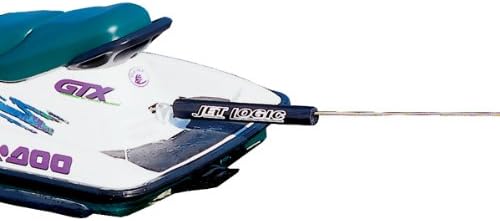


Action Pump
Action Pump 4007 Polyethylene Siphon Pump, for use on 5 Gallon Pails, 2 GPM
See current price

Impact Products
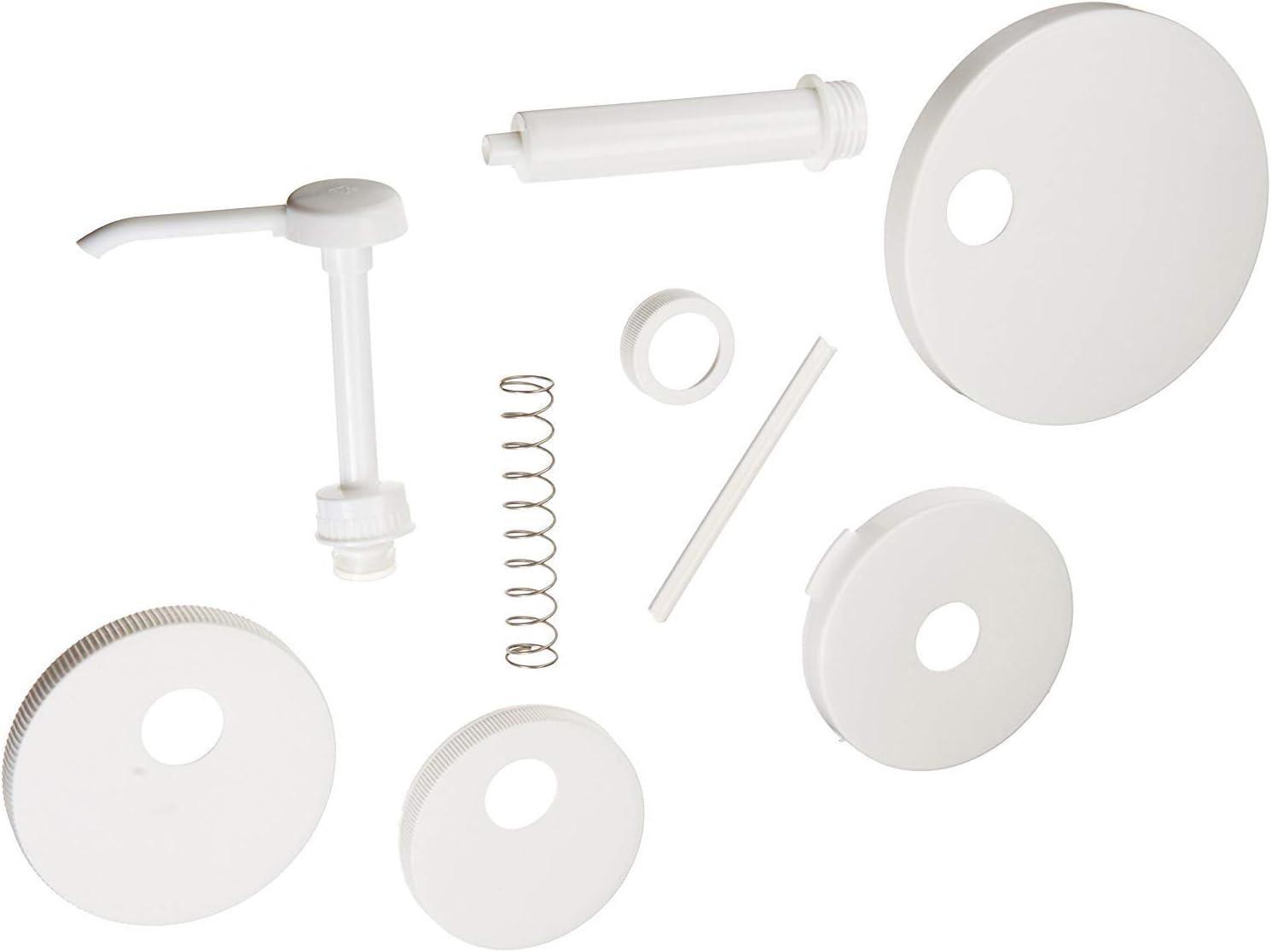
Impact 901A Pump, Commercial-Grade 1oz pump for 5 Gallon Buckets (EA)
See current price




Popular brands in Pumps & Accessories
Pumps and accessories help move, transfer, dispense, or circulate liquids in industrial, commercial, agricultural, marine, and maintenance settings. The right choice depends on the fluid, required flow, operating pressure, power source, installation method, and how often the equipment will be used.
This K-Catalog category brings together pump-related products from brands including Action Pump, SEAFLO, SAILFLO, Everflo, Airhead, IEIK, Tolco, Impact Products, Happybuy, VerRich, bayite, and Winco. Compare the listed specifications and features carefully, then check the current product details on Amazon before purchasing.
How to choose a pump
Start by defining the job the pump must perform. A pump used for transferring water may have different requirements from one intended for fuel, chemicals, agricultural liquids, or other fluids. Confirm that the product is designed for the fluid and environment where it will operate.
Important questions include:
- What liquid will be pumped, and is it compatible with the pump body, seals, tubing, and fittings?
- What flow rate is needed for the application?
- What pressure or lift must the pump produce?
- Is the available power source electrical, battery-based, manual, pneumatic, or another type?
- Will the pump be installed permanently or moved between containers and work areas?
- What inlet and outlet connections are required?
A pump with the correct general purpose may still be unsuitable if its connections, materials, voltage, or operating limits do not match the rest of the system.
Types and applications to compare
Pumps and accessories can serve several different needs, so product descriptions should be read in the context of the intended application. Some products are designed for transferring liquid from one container to another, while others support spraying, circulation, drainage, or equipment operation.
Portable pumps can suit temporary jobs, maintenance tasks, and locations where permanent plumbing is not practical. Fixed-installation pumps may be more appropriate when the equipment must remain connected to a tank, pipe network, or production system. Manual options can be useful where electrical power is unavailable, while powered models require closer attention to voltage, current, controls, and duty requirements.
For a complete fluid-handling setup, also compare compatible Fittings, Tubes, Pipes & Hoses, and Seals & O-Rings. These components affect connection security, leakage control, and compatibility throughout the system.
Key specifications and features
Flow and pressure: Flow describes how quickly liquid moves, while pressure or lift indicates how much resistance the pump can overcome. Consider both values together rather than choosing based on flow alone.
Power requirements: Check the stated voltage, current draw, power source, switch arrangement, and cord or connector style. For battery-powered equipment, confirm the expected battery type and whether it is included.
Materials and fluid compatibility: Pump housings, diaphragms, impellers, seals, and connections may use different materials. Match these materials to the liquid, temperature, concentration, and exposure conditions in the application.
Connections and installation: Review inlet and outlet sizes, thread type, hose compatibility, mounting provisions, and the direction of flow. Adapters may be needed, but adding unnecessary connections can create more potential leak points.
Operating conditions: Look for information about allowable temperature, dry-running limitations, duty cycle, priming, noise, moisture exposure, and indoor or outdoor use. These details can determine whether a pump is appropriate for intermittent work or continuous operation.
Brands represented in the catalog
The catalog includes products from Action Pump, SEAFLO, SAILFLO, Everflo, Airhead, IEIK, Tolco, Impact Products, Happybuy, VerRich, bayite, and Winco. Brand availability does not replace specification checking: compare each product’s construction, capacity, connections, power requirements, and intended use independently.
When narrowing the selection, organize the options by application first, then compare the technical details within that group. This makes it easier to distinguish a compact transfer pump from equipment intended for a more demanding installation.
Installation, maintenance, and safety tips
Follow the manufacturer’s instructions for priming, hose routing, electrical connections, mounting, and cleaning. Use properly matched tubing and fittings, secure connections without overtightening, and keep electrical components protected from liquid unless they are specifically designed for that environment.
Avoid running a pump dry when the product documentation prohibits it. Inspect hoses, seals, connectors, and the pump housing for wear or leakage before use. If the liquid is hazardous, corrosive, flammable, or unusually hot, verify material compatibility and follow the applicable workplace and handling requirements.
For systems involving cylinders, valves, or other powered fluid equipment, Hydraulic Equipment may provide useful adjacent components to compare.
Frequently asked questions
How do I choose the right pump size?
Match the required flow and pressure or lift to the pump’s stated specifications. Also account for hose length, fittings, elevation changes, and the properties of the liquid.
Can one pump handle different liquids?
Only when its materials, seals, temperature limits, and operating specifications are compatible with each liquid. Check the manufacturer’s stated application guidance before switching fluids.
What should I check before connecting a pump?
Confirm the inlet and outlet connections, hose or pipe compatibility, power requirements, flow direction, priming needs, and any mounting or filtration requirements.
Are pump accessories interchangeable?
Not necessarily. Threads, connection sizes, materials, seals, electrical connectors, and pressure limits can differ. Compare the accessory specifications with the pump and the rest of the system.
How can leaks be reduced?
Use compatible seals and fittings, keep connection surfaces clean, route hoses without sharp bends, and tighten components according to the manufacturer’s instructions. Inspect the system before operation.