

Tubes, Pipes & Hoses for Industrial Systems
Compare tubes, pipes, and hoses for fluid, air, and gas handling applications. Review materials, dimensions, pressure ratings, connections, and compatibility before choosing an option.
178 products in catalog
178 results
Filters


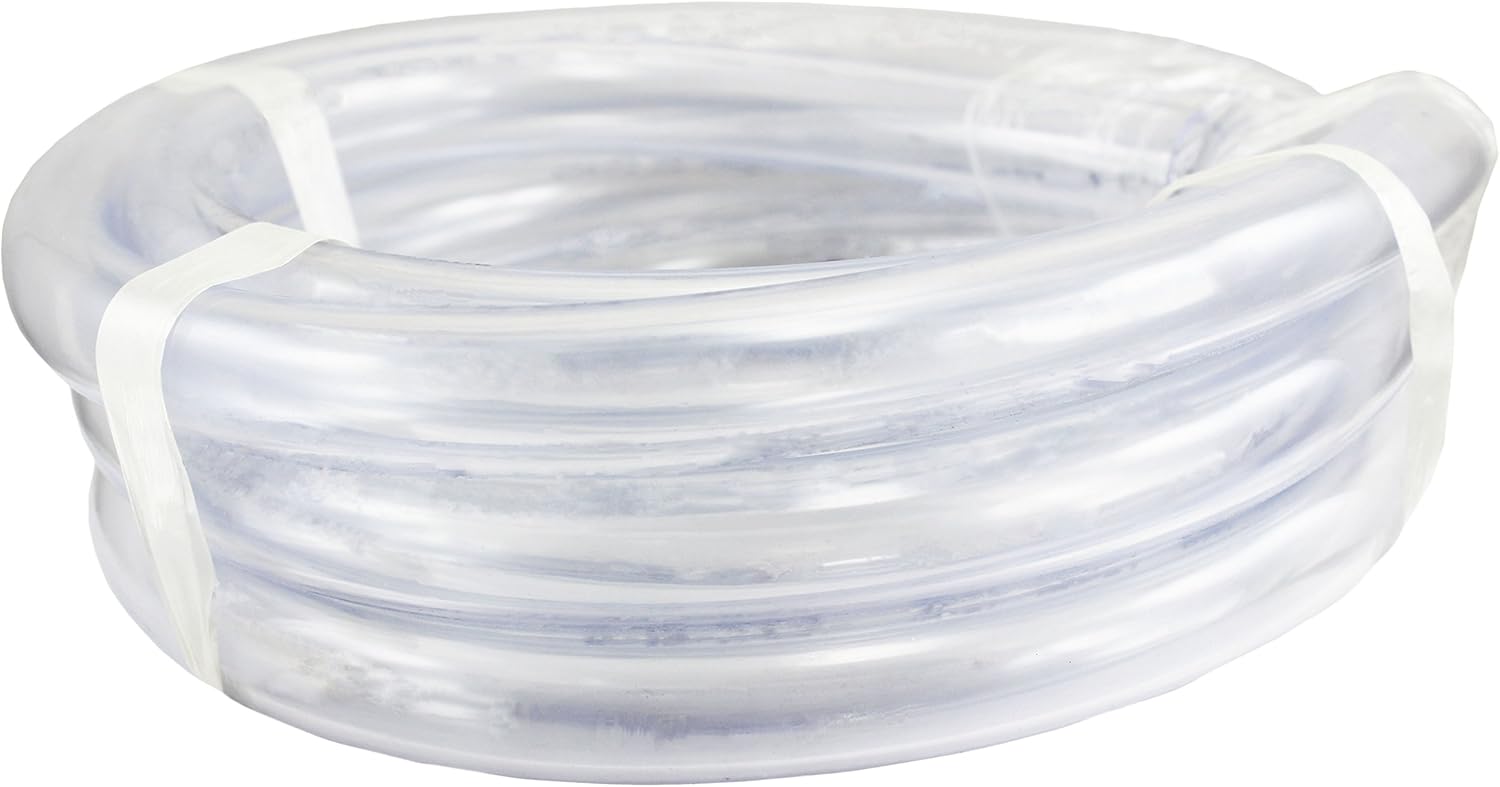
TAILONZ PNEUMATIC
TAILONZ PNEUMATIC Air Line 1/2 inch od Black Pneumatic Nylon Tube 32.8ft Air Brake Tubing Nylon Hose
See current price



TAILONZ PNEUMATIC
TAILONZ PNEUMATIC Blue 6mm OD 4mm ID Polyurethane PU Air Hose Pipe Tube Kit 10 Meter 32.8ft
See current price

Sealproof
Sealproof Unreinforced PVC 1/4-Inch-ID x 3/8-Inch OD Food Grade Clear Vinyl Tubing, 10 FT,
See current price


Watts
Watts SVIG10 Pre-Cut 1/2-Inch Diameter by 3/8-Inch Clear Vinyl Tubing, 10-Foot Length
See current price


LDR Industries
LDR Industries 516 B1210 Clear Braided Nylon Poly Tubing Flexible Non-Toxic, 1/2 Diameter x 10ft, Finish, 10', 10 Feet
See current price

HBD Thermoid
HBD Thermoid NBR/PVC SAE30R6 Fuel Line Hose, 3/8" x 25' Length, 0.375" ID, Black
See current price

DERNORD
DERNORD PVC Tubing 5/16"ID X 7/16"OD Flexible Clear Vinyl Hose 100 Feet for Food Grade
See current price
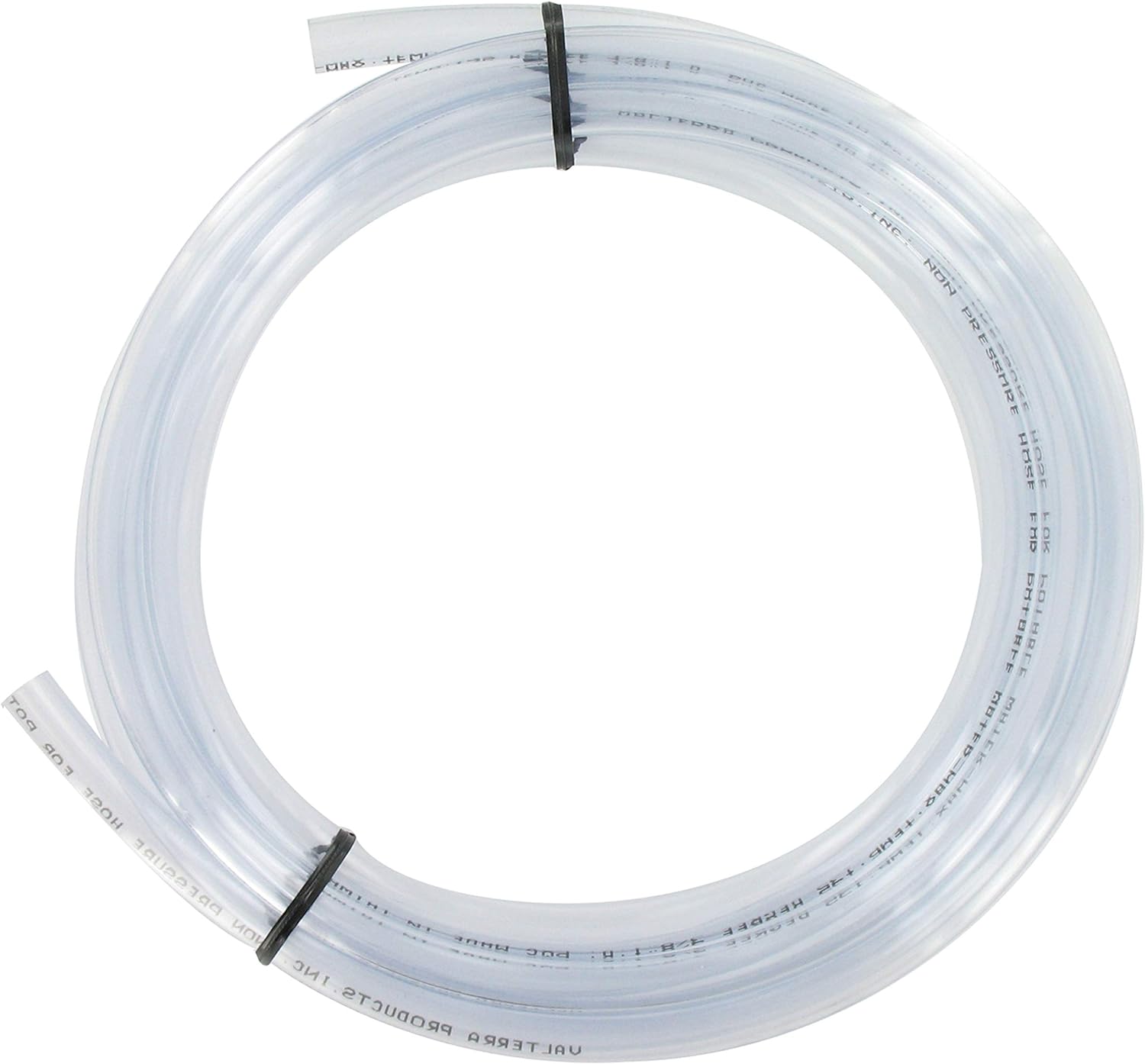


EZ-FLO
EZ-FLO 3/16 Inch ID (5/16 Inch OD) PVC Clear Vinyl Tubing, 20 Foot Length, 98562
See current price
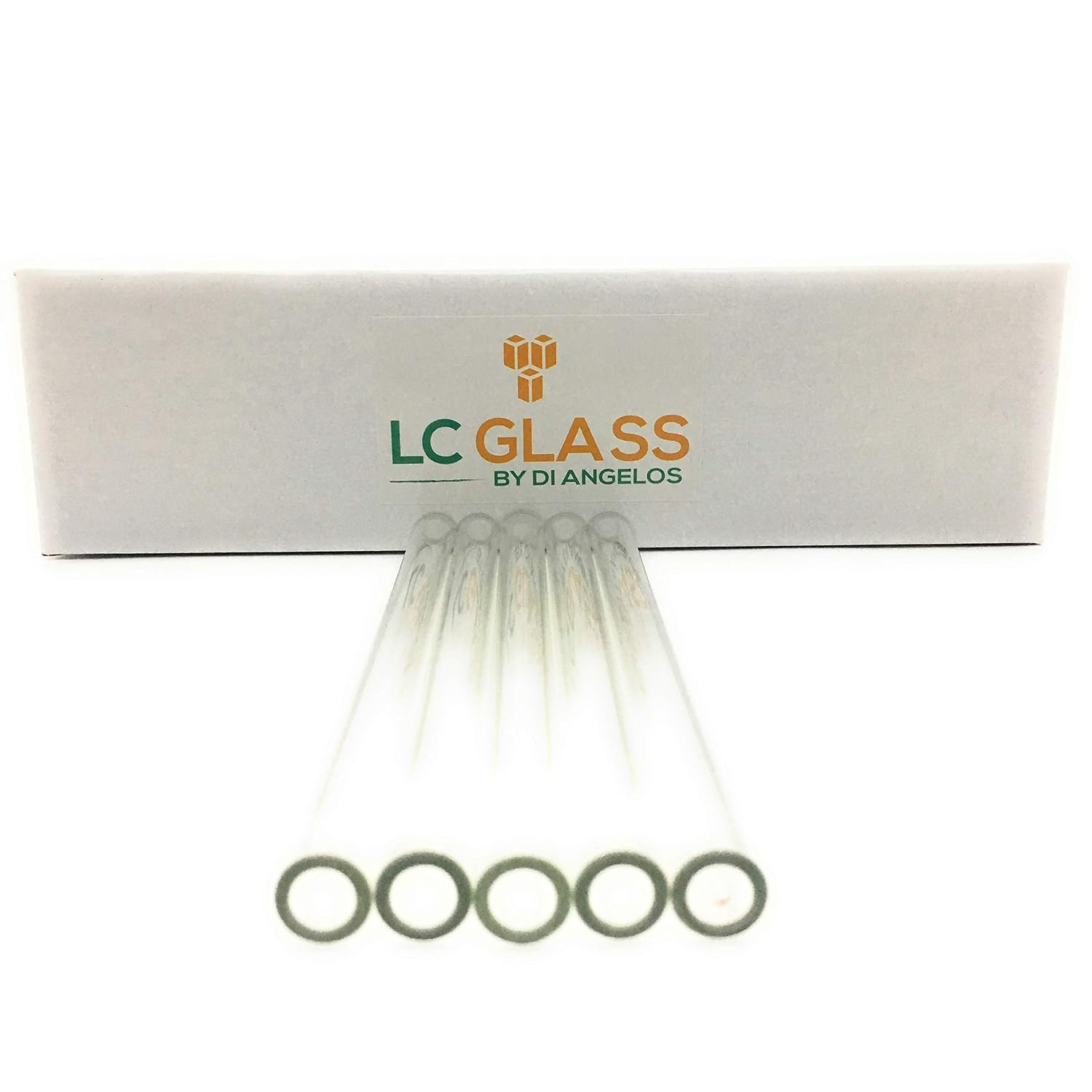
LC GLASS BY DI ANGELOS
LC GLASS 8 Inch Long 5 Piece Premium Borocilicate Glass Tubes 12mm OD 8mm ID 2mm Wall
See current price

Sealproof
Sealproof Unreinforced PVC Clear Vinyl Tubing, Food Grade, 1/2-Inch ID x 5/8-Inch OD, 10 FT, Made in USA
See current price


Popular brands in Tubes, Pipes & Hoses
Tubes, pipes, and hoses carry fluids, air, gases, and other materials through industrial, plumbing, hydraulic, and pneumatic systems. The right product depends on the media being conveyed, operating pressure and temperature, routing requirements, and how the line connects to other components.
K-Catalog helps shoppers compare available specifications and features before visiting Amazon to check the current product details and purchase options. Use this guide to narrow the category by construction, flexibility, durability, and system compatibility.
How to choose tubes, pipes, or hoses
Start by identifying the application rather than choosing by appearance alone. A rigid pipe may suit a permanent installation, while flexible hose is more practical where movement, vibration, or frequent connection is expected. Tubing can be useful for compact routing and pneumatic control lines, depending on its material and fittings.
Consider these questions:
- What fluid, gas, or air will pass through the line?
- What pressure and temperature must it handle?
- Does the route require flexibility, a tight bend radius, or resistance to crushing?
- Which fittings, valves, pumps, or equipment will it connect to?
- Is the installation exposed to chemicals, oil, sunlight, abrasion, moisture, or outdoor conditions?
The product description should clearly state the intended use and relevant compatibility information. Avoid selecting solely by outside appearance or nominal size.
Common types and applications
Rigid pipe is generally suited to fixed runs where stability and structural support matter. It can be appropriate for plumbing, process lines, and other installations where the route is established and movement is limited.
Tubing is often selected for compact layouts, instrumentation, compressed-air systems, and low-profile routing. Tubing materials vary widely, so check whether the product is intended for the specific pressure, temperature, and media involved.
Flexible hose helps connect moving equipment, absorb vibration, and route around obstacles. Hydraulic, pneumatic, fuel, water, chemical, and multipurpose hoses can have very different construction and performance characteristics. Look for a hose designed for the application instead of assuming that a general-purpose product is suitable.
For components that join or adapt these products, browse Fittings alongside the tube, pipe, or hose specifications. The connection method can affect installation time, sealing, and long-term reliability.
Key specifications to compare
Material and construction
Common construction choices may include plastic, rubber, metal, reinforced composites, or layered designs. Material affects flexibility, chemical resistance, weight, durability, and temperature performance. Reinforcement may improve pressure handling or resistance to collapse, but it can also make a hose less flexible.
Dimensions and connections
Compare inside diameter, outside diameter, wall thickness, overall length, and bend characteristics where provided. A line must fit the available space while providing the required flow. Also confirm whether the ends are plain, threaded, flanged, barbed, quick-connect, or designed for a separate fitting.
Pressure and temperature
Check both working and maximum pressure information, and distinguish pressure ratings from burst limits. Temperature ranges should match the actual operating environment, including hot fluids, cold surroundings, or intermittent exposure. A product that fits physically may still be unsuitable if its pressure or temperature limits do not match the system.
Media compatibility
Review compatibility with water, air, oils, fuels, refrigerants, chemicals, or other materials used in the application. Compatibility can depend on concentration, temperature, and exposure time. When the product will carry a regulated, hazardous, or specialized substance, follow the relevant installation and safety requirements.
Brands represented in the catalog
The catalog includes products from uxcell, Small Parts, TAILONZ PNEUMATIC, QuQuyi, K S, Yellow Jacket, Cold & Colder, ATP, Feelers, Sealproof, Quickun, and Rollerflex. These brands are represented across the category, so compare each listing by its stated material, dimensions, connection style, pressure information, and intended application rather than by brand name alone.
If the line will be part of a larger hydraulic installation, Hydraulic Equipment may help with related system components. For fluid movement, Pumps & Accessories provides another relevant category to review.
Installation and maintenance tips
Measure the existing route and connection points before ordering. Allow enough room for bends and service access, and avoid twisting flexible hose during installation. Support rigid lines appropriately and keep hoses away from sharp edges, excessive heat, moving parts, and unnecessary abrasion.
Inspect connections for leaks after installation and follow the product’s instructions for clamps, seals, torque, and routing. Replacement seals may be relevant where a connection depends on an O-ring or similar component; see Seals & O-Rings for related options. Replace tubing or hose showing cracks, bulges, flattening, hardening, corrosion, or other signs of damage.
Frequently asked questions
What is the difference between tubing, pipe, and hose?
Pipe is typically used for fixed, structured runs. Tubing is often chosen for compact routing or control lines, while hose is designed for flexibility, movement, or vibration. The exact distinction varies by material and industry.
How do I choose the correct size?
Match the inside and outside dimensions to the required flow, available space, and connecting components. Confirm the measurement standard and connection type listed for the product.
Can any hose carry hydraulic fluid?
No. Hydraulic applications require a hose specifically rated for the fluid, pressure, temperature, and routing conditions. A general-purpose hose may not provide the required reinforcement or compatibility.
Should I choose a flexible or rigid line?
Choose rigid construction for stable, permanent routes and flexible construction where movement, vibration, or difficult routing is involved. The system’s pressure and environmental conditions should guide the final choice.
What should I check before connecting a new line?
Verify media compatibility, dimensions, pressure and temperature ratings, end connections, bend requirements, and the condition of mating fittings. Follow the manufacturer’s installation guidance before putting the system into service.