
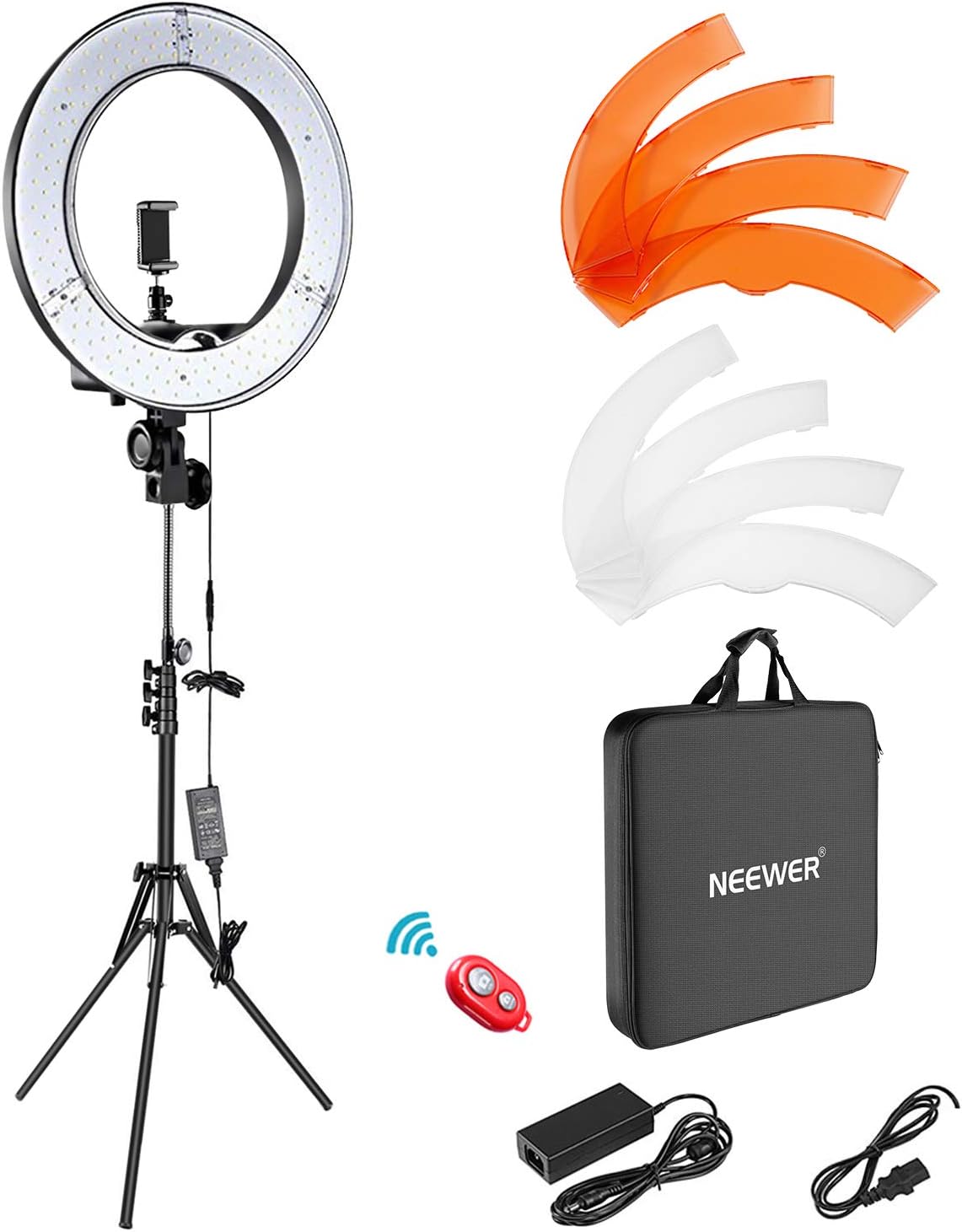
Camera Flashes for Better Lighting
Compare camera flashes by compatibility, power, TTL support, control options and mounting style. Explore features from brands represented in the K-Catalog selection.
493 products in catalog
493 results
Filters

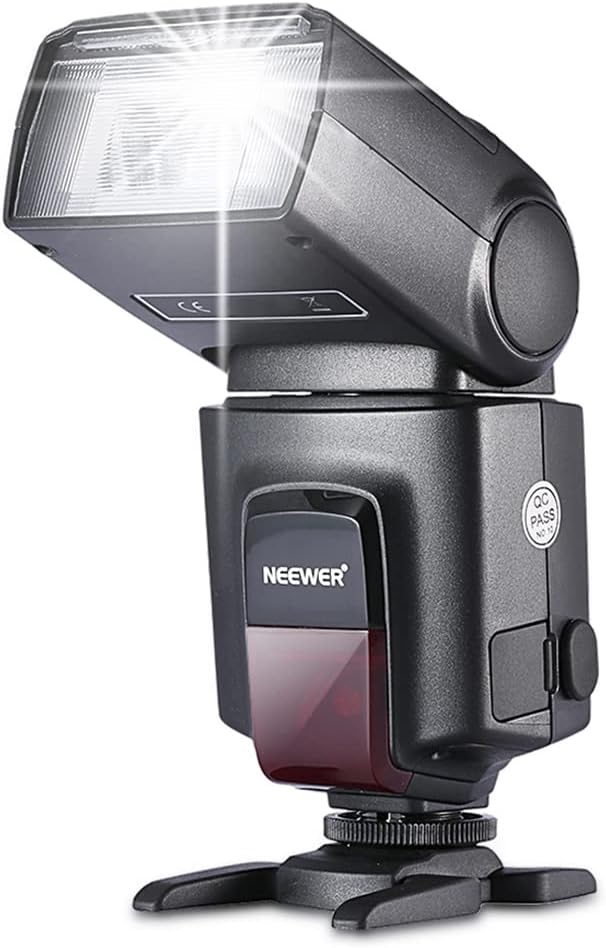






Nikon
Nikon SB-700 AF Speedlight Flash for Nikon Digital SLR Cameras, Standard Packaging
See current price


Popular brands in Flashes
A camera flash can add light when a scene is dim, balance harsh shadows outdoors or give portraits a more controlled look. The right choice depends on your camera system, shooting style and whether you need a compact on-camera unit or a more flexible off-camera setup.
This Flashes category includes options for photographers using interchangeable-lens cameras, compact setups and studio-style lighting arrangements. Compare specifications carefully, since flash communication, mounting systems and control features can vary between camera brands.
How to choose a camera flash
Start with compatibility. A flash should physically fit the camera’s hot shoe or be suitable for the trigger system you plan to use. More importantly, its electronic communication should match your camera brand if you want automated exposure features such as TTL. A unit designed for one system may not provide the same functionality on another.
Consider how you usually photograph:
- Events and people: Look for dependable exposure automation, a tilting or swiveling head and practical wireless control.
- Travel and everyday photography: A compact, lightweight flash can be easier to carry and faster to position.
- Portraits and creative lighting: Off-camera triggering, manual power control and compatibility with modifiers may matter more than a simple hot-shoe design.
- Macro or close-up work: Ring-style or dedicated close-up flashes can provide more even illumination around the subject.
If you are still choosing a camera system, compare flash compatibility alongside the camera body. The Digital Cameras category can help you review compatible camera equipment before selecting a flash.
Common types of camera flashes
On-camera flashes attach directly to the camera and are a versatile choice for events, travel and general photography. A rotating or tilting head can help bounce light from a ceiling or wall, producing softer illumination than direct flash when the surroundings allow it.
Manual flashes let the photographer set output directly. They can be useful for repeatable studio setups, off-camera lighting and situations where the same exposure is used across several frames. They generally require more hands-on adjustment than TTL-compatible units.
TTL-compatible flashes communicate with a compatible camera to help automate flash exposure. This can be convenient when the distance to the subject changes frequently, although photographers should still compare the exact camera-system compatibility rather than assuming every TTL feature works across brands.
Wireless and off-camera flashes can be positioned away from the camera for side lighting, backlighting or multiple-light arrangements. Check whether wireless operation uses a built-in radio system, optical triggering, a separate transmitter or another control method.
Features and specifications to compare
Flash specifications can look similar at a glance, so focus on the features that fit your shooting habits:
- Guide number or power rating: Indicates the flash’s relative output. Compare figures using the same conditions, since zoom settings and ISO assumptions can affect how useful the number is.
- Zoom range: A zooming flash head can direct light to match different lens angles of view and may help use power efficiently.
- Recycle time: A shorter recycle time can be valuable for sequences, events and active subjects.
- Power control: Check how finely output can be adjusted and whether the unit supports both automatic and manual modes.
- Head movement: Tilt and swivel range determine how easily you can bounce light.
- Power source: Compare battery type, external power compatibility and how convenient the system is for your normal sessions.
- Wireless functions: Confirm the trigger, receiver and channel features needed for your intended setup.
- Mounting and accessories: Diffusers, brackets, transmitters and other add-ons may affect how useful a flash is outside the box.
For a broader selection of mounts, adapters and related equipment, browse Accessories. Photographers building a more complete lighting setup can also compare Lighting & Studio equipment.
Brands represented in the catalog
The Flashes catalog includes products from Neewer, YONGNUO, Godox, Nikon, Altura Photo, Canon, IVISII, Fujifilm, PIXEL, Yesker, TRUMAGINE and TBJSM. These brands may offer different approaches to camera compatibility, wireless control, flash output and included accessories.
Treat brand names as a starting point, not a substitute for checking specifications. When comparing products, verify the intended camera system, feature support and mounting details for the equipment you already own.
Practical setup and safety tips
Use a flash at an appropriate distance and angle for the subject, and take test shots when changing the room, bounce surface or camera settings. Light-colored ceilings and walls may produce more neutral results than strongly colored surfaces, which can tint reflected light.
Check batteries before a session and allow the unit to manage heat during repeated high-power firing. Keep contacts clean and secure the flash fully in the hot shoe before use. If you plan to use radio triggers or multiple units, confirm that every component uses a compatible control system.
A protective case can make transport easier, particularly for photographers carrying several lights and accessories. The Bags & Cases category may be useful when planning how to store and carry your flash equipment.
Frequently asked questions
Do all flashes work with every camera?
No. Physical mounting may be possible while electronic features such as TTL, high-speed sync or wireless control remain limited. Check compatibility with the exact camera system.
Is a TTL flash better than a manual flash?
Neither is universally better. TTL can simplify changing-distance situations, while manual control suits repeatable lighting and photographers who prefer to set output themselves.
Can an on-camera flash be used off camera?
Some units can be triggered remotely with built-in wireless features or a separate transmitter and receiver. Confirm the required accessories and communication method before buying.
What does bounce flash do?
Bounce flash directs light toward a ceiling or wall so it reflects onto the subject. This can soften illumination, but the surface, distance and color affect the result.
Do I need a separate flash for video?
Still-photo flashes are designed for brief bursts and generally are not continuous video lights. For video work, compare continuous lighting equipment in the Lighting & Studio category.