
PAL&SAM
Fly Swatter, Strong Flexible Manual Swat Set Pest Control, Assorted Colors (3 Pack)
See current price

Compare fly swatters by design, reach, handle comfort, and intended setting. This guide helps narrow down practical options for kitchens, patios, porches, and other areas where flies are a nuisance.
116 products in catalog
116 results
PAL&SAM
See current price


Supoice
See current price


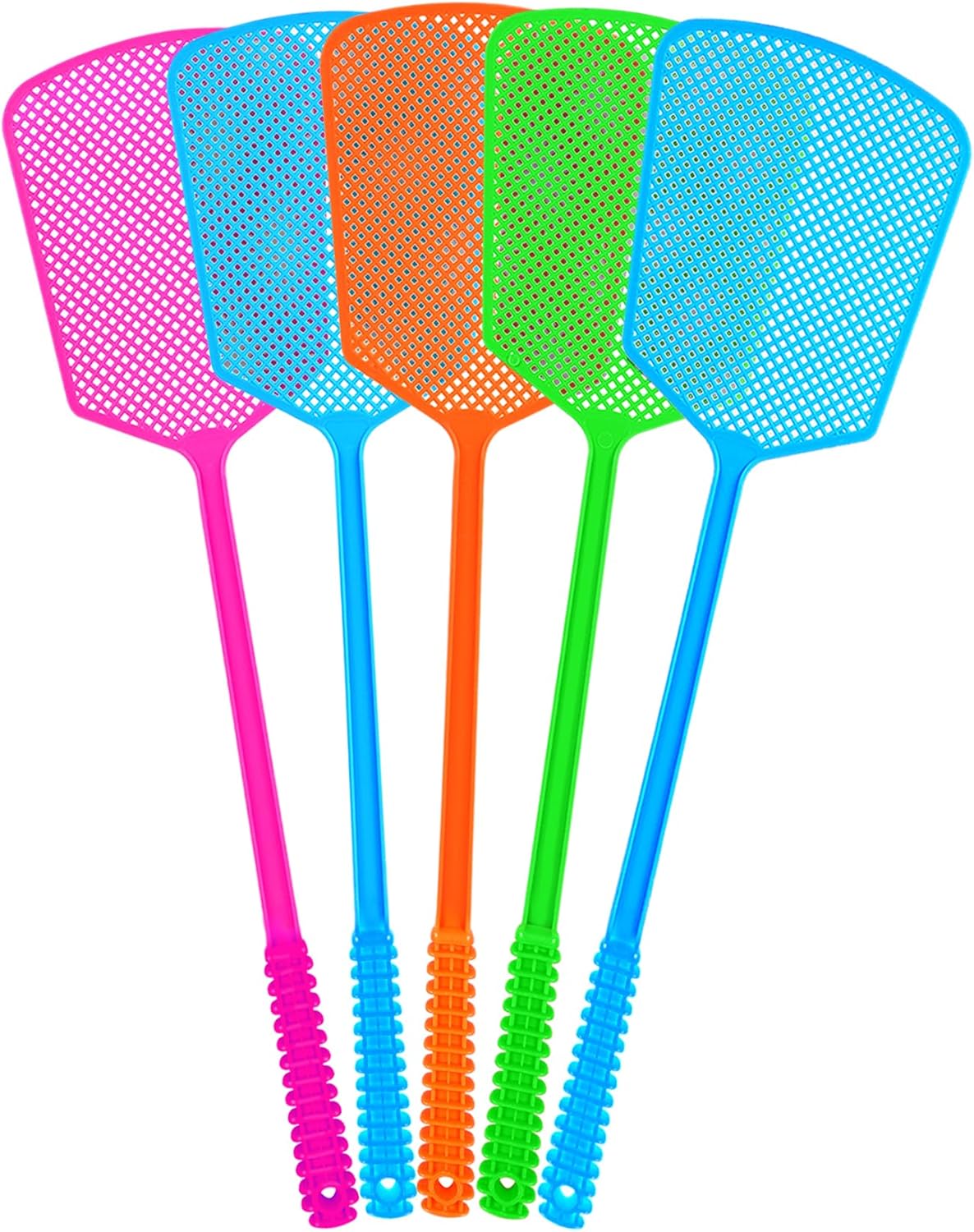


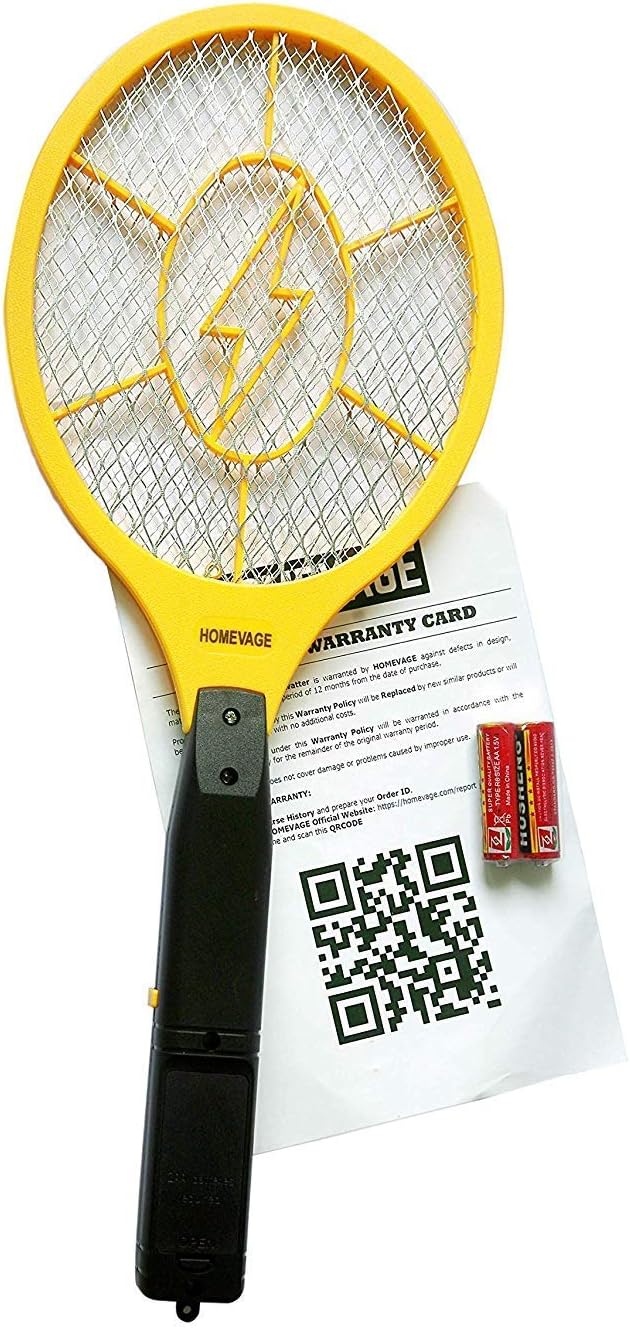

AOUKUNG
See current price

Fly swatters offer a straightforward way to deal with individual flies without applying a spray or setting up a device. The right choice depends on where you plan to use it, how much reach you need, and whether you prefer a simple manual tool or an electronic design.
K-Catalog organizes fly swatters within Pest Control so shoppers can compare product specifications and features before checking the current listing on Amazon.
Start with the location and frequency of use. A compact swatter may be convenient for a kitchen drawer, while a longer handle can help reach flies near ceilings, windows, or outdoor seating areas. If the tool will be shared around the home, look for a design that is easy to hold and store.
Consider these factors:
Manual fly swatters are the simplest option. They do not require batteries or charging and are usually easy to keep nearby. They suit shoppers who want a low-maintenance tool for occasional use.
Electric fly swatters use a powered grid or similar mechanism rather than only a flexible striking surface. They may appeal to shoppers who prefer additional reach or a different method of contact. Before choosing one, check the power source, controls, safety instructions, and cleaning guidance.
Flexible mesh or perforated designs can allow air to pass through during use, while solid or denser heads may feel more substantial. The best style depends on the user’s preferred handling, available storage, and the areas where flies appear.
For a broader pest-control approach, compare fly swatters with Repellents, Traps, or Bug Zappers. These categories serve different purposes, so a swatter may work best as a convenient spot-treatment tool rather than a complete solution for ongoing activity.
Product descriptions can vary, so focus on specifications that affect everyday handling. Review the listed handle length or overall dimensions if reach and storage matter. Pay attention to the head material and shape, especially if you want a flexible tool or a more rigid feel.
For powered designs, check whether the product uses replaceable batteries, rechargeable power, or another power arrangement. Confirm how the controls work and read the manufacturer’s safety directions before use. Keep powered products away from children, water, and unsuitable surfaces unless the product instructions specifically allow otherwise.
The intended environment also matters. Indoor use may favor compact storage and easy cleaning, while patios, porches, garages, and other outdoor areas may benefit from a longer reach and a grip that remains comfortable during repeated use.
The fly swatter catalog includes products from OFXDD, Foxany, STUHAD, Enoz, PATLEYN, PAL&SAM, HOMEVAGE, Yonzone, Tatuo, Grand Way, ValueHall, and DIRZA. These brands are represented in the catalog for comparison; evaluate each listing by its stated materials, dimensions, power requirements, included features, and care instructions rather than by brand name alone.
Keep a manual swatter in a location near common entry points, such as a kitchen, patio door, or porch. Avoid striking fragile surfaces, light fixtures, or areas where the tool could cause damage. After use, follow the product’s cleaning instructions and allow washable parts to dry fully before storage.
For electric models, remove or disconnect the power source as directed before cleaning. Do not immerse powered components unless the manufacturer explicitly states that they are water-safe. Store any fly swatter where children and pets cannot access it unsupervised.
If flies are appearing frequently, look beyond individual insects. Covered food, closed trash containers, intact screens, and reduced access to standing water can support broader pest-control efforts. Depending on the situation, Baits & Lures or other pest-control categories may be more suitable for addressing recurring activity.
Neither type is right for every shopper. Manual models are simple and do not need power, while electric models may offer a different handling style. Compare the instructions, power needs, and intended setting.
Choose based on where flies are most often found. Shorter handles can be easier to control in confined areas, while longer handles may help with higher or harder-to-reach locations.
Follow the product instructions. In general, remove visible residue with an appropriate cloth or rinse washable parts if permitted, then dry the swatter completely before storing it.
A swatter is useful for addressing individual flies but may not solve recurring activity. Consider the source of the problem and compare options such as Foggers only when their instructions and intended use match your situation.
A wider head may cover more area, while a narrow head can be easier to guide around objects. Compare the listed dimensions with the spaces where you plan to use the tool.