
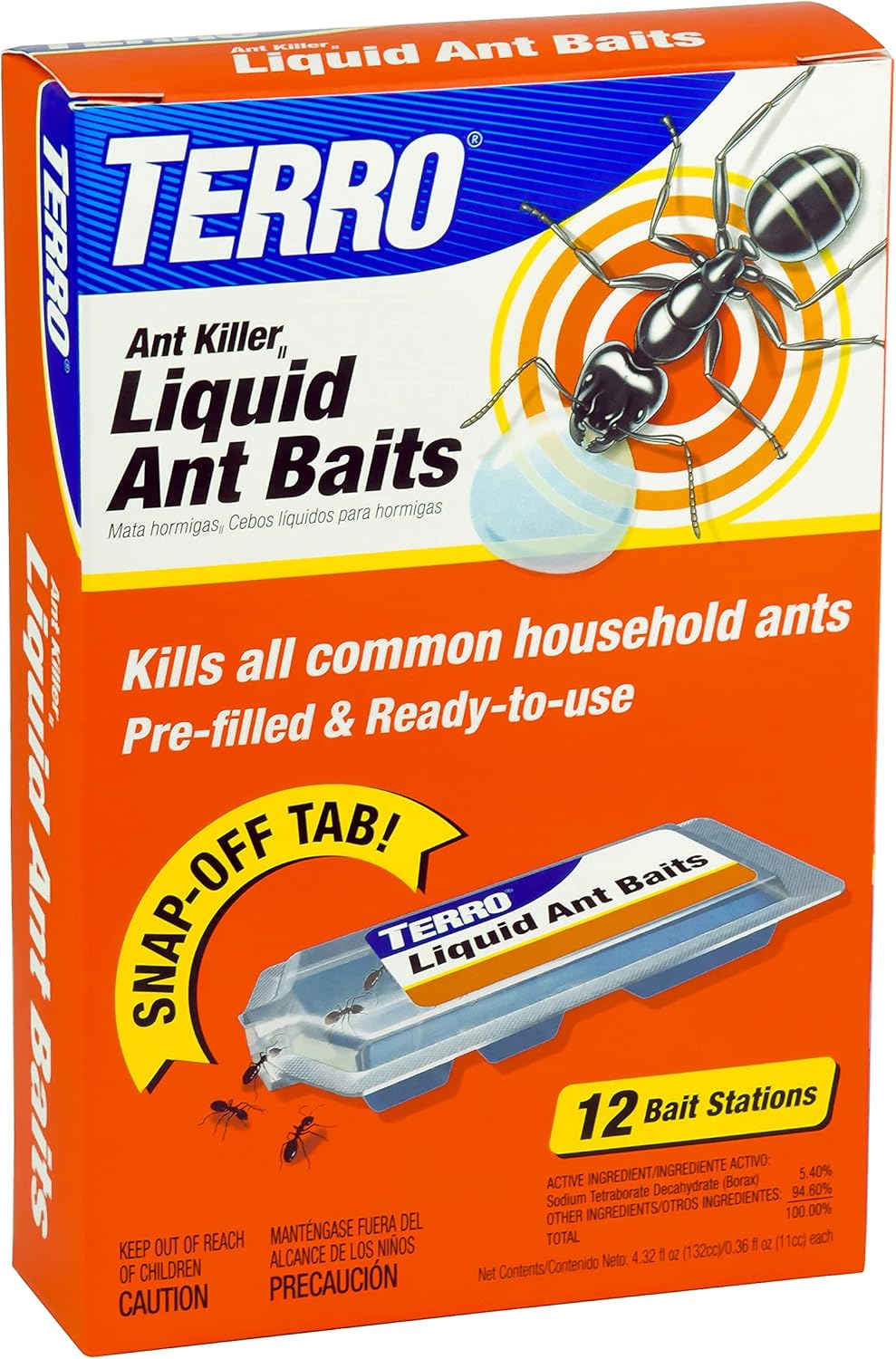
Baits & Lures for Pest Control
Compare baits and lures by target pest, placement, formulation, and application method. K-Catalog helps you review product specifications and features before choosing an option for your home, yard, or garden.
360 products in catalog
360 results
Filters
Availability
Brand
Price

advion
advion 383920 4 Tubes and 4 Plungers Cockroach German Roach Pest Control Inse, Brown
See current price
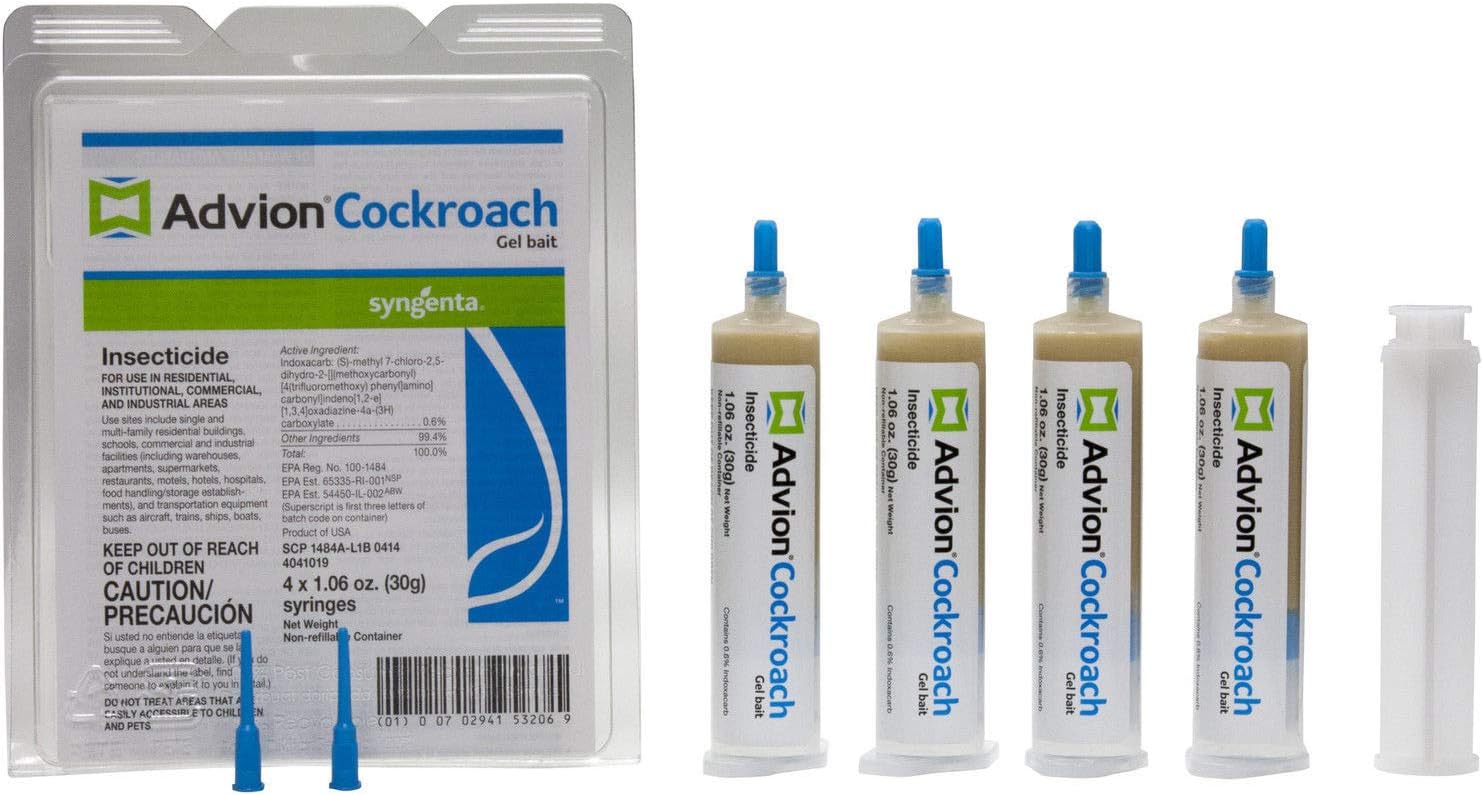
Syngenta
Syngenta 383920 Advion Cockroach Gel Bait 4 X 30 Gram Tubes Roach Control, 4 30, Brown
See current price
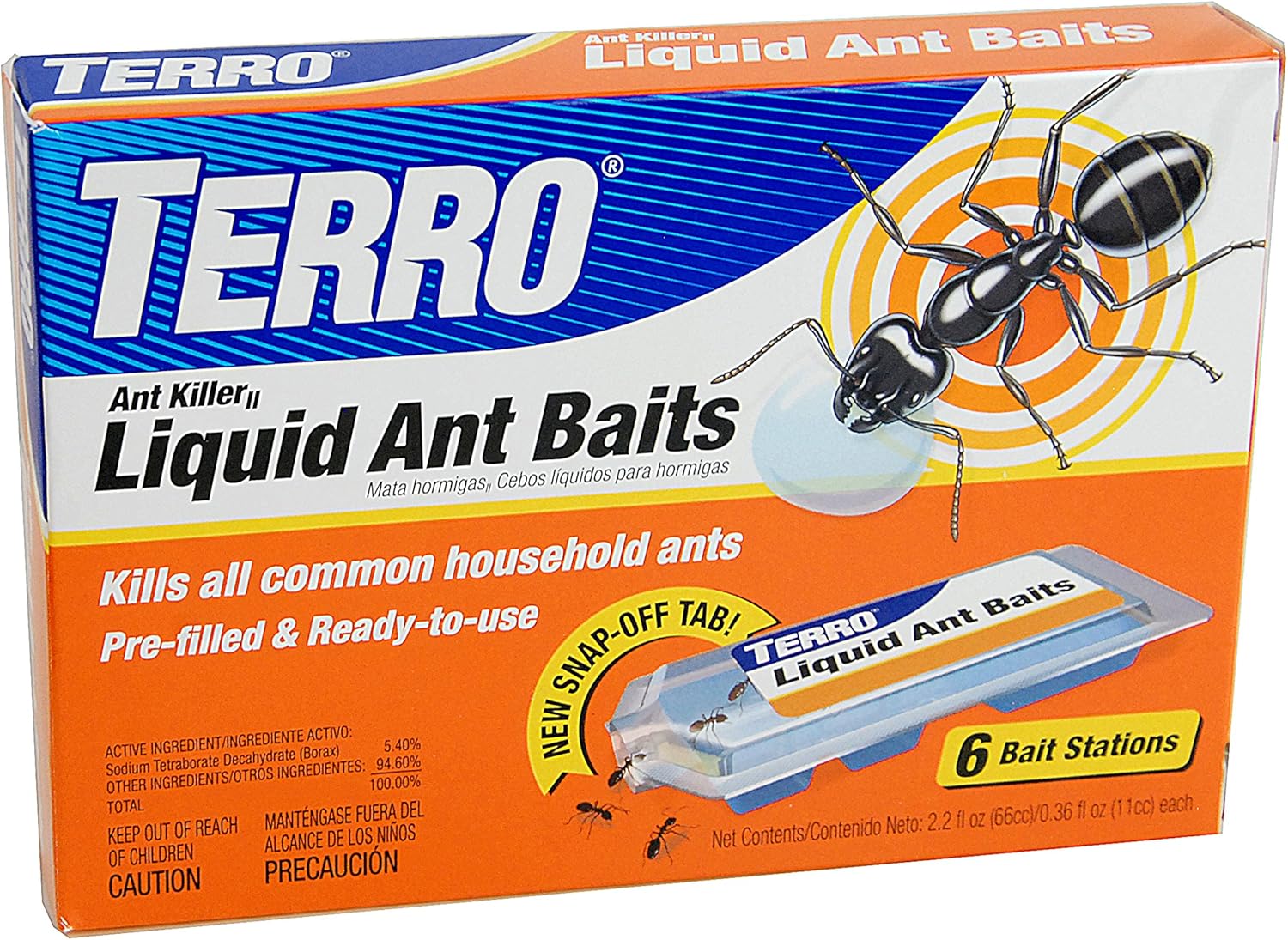

Combat
Combat Max 12 Month Roach Killing Bait, Small Roach Bait Station, Child-Resistant, 18 Count
See current price
Combat
Combat Max 12 Month Roach Killing Bait, Small Roach Bait Station, Child-Resistant, 18 Count
See current price


Dial Corporation
Combat Roach Killing Bait, Roach Bait Station For Large Roaches, Kills The Nest, Child-Resistant, 8 Count,Insects
See current price
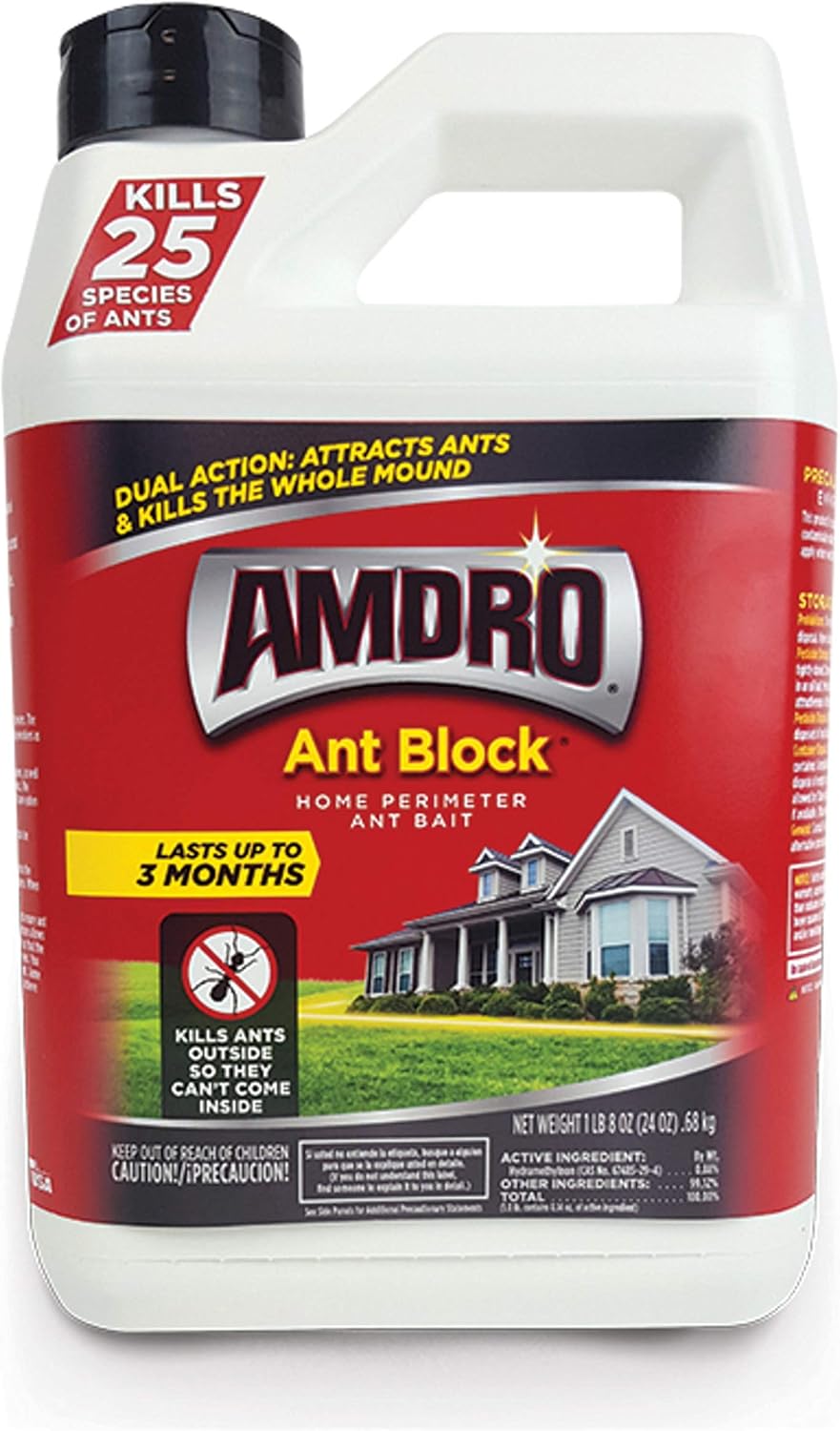

Summit...responsible solutions
Summit...responsible solutions 110-12 Mosquito Dunks, 6-Pack, Natural
See current price
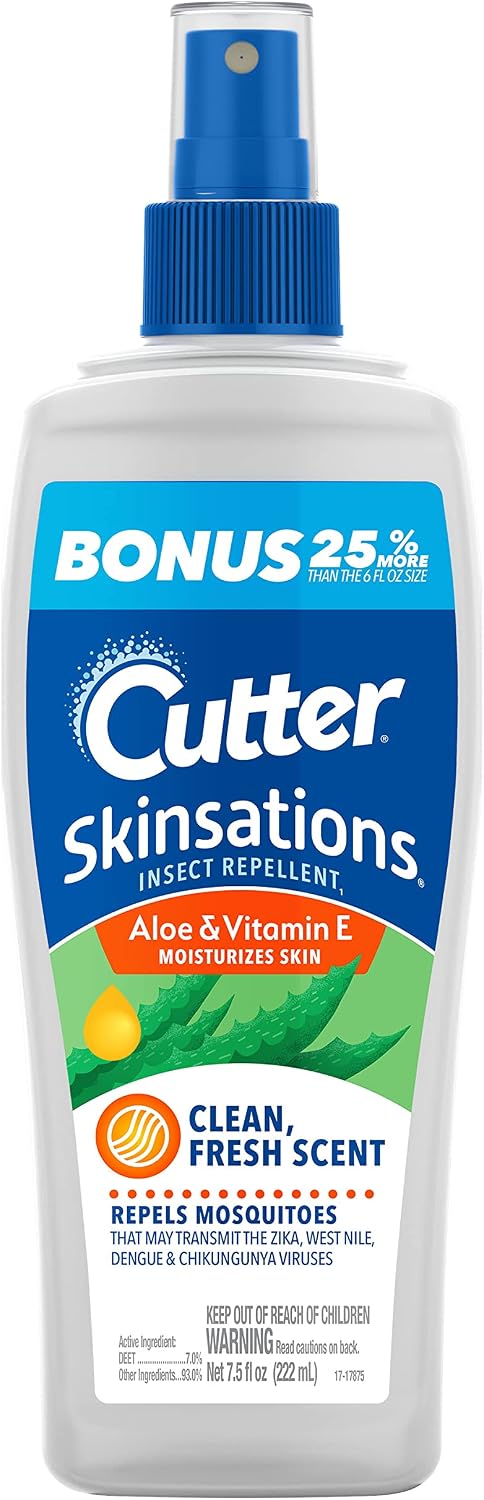

Combat
Combat Max Roach Killing Gel for Indoor and Outdoor Use, 1 Syringe, 2.1 Ounce (Pack of 1)
See current price
Summit...responsible solutions
Summit...responsible solutions 110-12 Mosquito Dunks, 6-Pack, Natural
See current price


Syngenta
Syngenta - TRTD11568 - Optigard Ant Bait Gel Box - 4 Tubes w/ Plunger - 30g each tube
See current price


Popular brands in Baits & Lures
Baits and lures are designed to attract specific pests to a treated product or monitoring point. The right choice depends on what you are trying to manage, where the activity appears, and whether the product will be used indoors, outdoors, or in a protected area.
Use the product details to compare target pests, bait format, placement requirements, ingredients, and package contents. Always read the label before use, particularly when children, pets, food-preparation areas, wildlife, or beneficial insects may be nearby.
How to choose baits and lures
Start by identifying the pest rather than choosing a general-purpose product. Ants, cockroaches, flies, rodents, and other pests may respond to different attractants and formulations. A product made for one pest should not automatically be assumed suitable for another.
Consider these factors:
- Target pest: Check the label for the species or pest group the product is intended to attract or control.
- Location: Match the product to indoor rooms, garages, enclosed stations, gardens, patios, or other outdoor spaces.
- Exposure concerns: Look for enclosed or tamper-resistant formats when placement may be accessible to children or pets, and follow all label restrictions.
- Application style: Decide whether ready-to-use stations, granules, gels, liquid attractants, or another format fits the area.
- Monitoring needs: Some lures are intended to help detect or monitor activity, while bait products are intended for pest control. Read the stated purpose carefully.
If the pest is not clearly identified, products in the broader Pest Control category can help you compare other approaches before selecting a bait or lure.
Common bait and lure formats
Bait stations provide a contained placement option and can be useful around areas where a loose product would be inconvenient. Compare station size, placement instructions, refillability, and whether the format is intended for indoor or outdoor use.
Gel and liquid baits can be placed in cracks, crevices, or other specific locations when the label allows it. Check application instructions, surface compatibility, and whether the product requires regular replacement or inspection.
Granules and loose bait may be suited to particular outdoor or enclosed applications. Compare the approved placement area, moisture considerations, handling directions, and any restrictions around edible plants or animal access.
Lures and monitoring products may use an attractant to draw pests to a designated location. These can be useful when locating activity or assessing whether a pest is present, but their purpose and instructions vary by product.
Specs and features to compare
Product details can vary substantially even among baits designed for the same pest. Pay attention to the active ingredient, formulation, intended setting, and directions for use. The label should explain where the product may be placed, how much to use, and how often it should be checked or replaced.
Also compare packaging and storage requirements. Individually packaged units may be convenient for distributing stations, while larger containers may suit repeated applications where permitted. Look for information about moisture resistance, sealed packaging, application tools, and disposal instructions when those features matter for your setup.
Avoid applying a product outside its labeled use. Do not combine pest-control products unless the label specifically permits it, and keep unused products in their original packaging.
Brands represented in the catalog
The Baits & Lures catalog includes products from Terro, Combat, Syngenta, Bayer, BASF, d-Con, Tomcat, HARRIS, HOT-SHOT, Neogen, Raid, and Victor. These brands may offer different formats, target pests, ingredients, and placement instructions, so compare the specifications of individual products rather than choosing by brand name alone.
Related pest-control options
Baits and lures are one part of a broader pest-management setup. Repellents may be more appropriate when the goal is to discourage pests from entering an area. Traps provide another option for targeted capture, while Bug Zappers and Fly Swatters address certain flying-insect situations.
For larger-area application, compare Foggers carefully and follow all re-entry and ventilation instructions. Gardeners who want to support biological pest management can also explore Beneficial Insects.
Frequently asked questions
What is the difference between a bait and a lure?
A bait is generally intended to attract a pest to a product used for control. A lure may attract a pest for monitoring, trapping, or another specific purpose. Check the product label for its intended function.
Should I use indoor or outdoor baits?
Choose a product labeled for the location where it will be placed. Indoor and outdoor products can have different placement, exposure, weather, and storage instructions.
How do I choose a bait for a specific pest?
Identify the pest first, then compare the label’s target-pest information, formulation, active ingredient, and approved placement areas. Do not rely on appearance alone.
Are bait stations better than loose bait?
The better format depends on the placement area and label directions. Stations can contain the product, while other formats may be designed for specific cracks, surfaces, or outdoor applications.
How should baits and lures be stored?
Follow the label and keep products in their original containers, away from food, children, pets, heat, and unauthorized access. Use any special storage or disposal instructions provided.