

Pest Traps for Home, Yard & Garden
Compare traps for insects and nuisance animals by target pest, capture method, placement, and safety features. Browse specifications to find a practical fit for your home, yard, or garden.
1,530 products in catalog
1,530 results
Filters


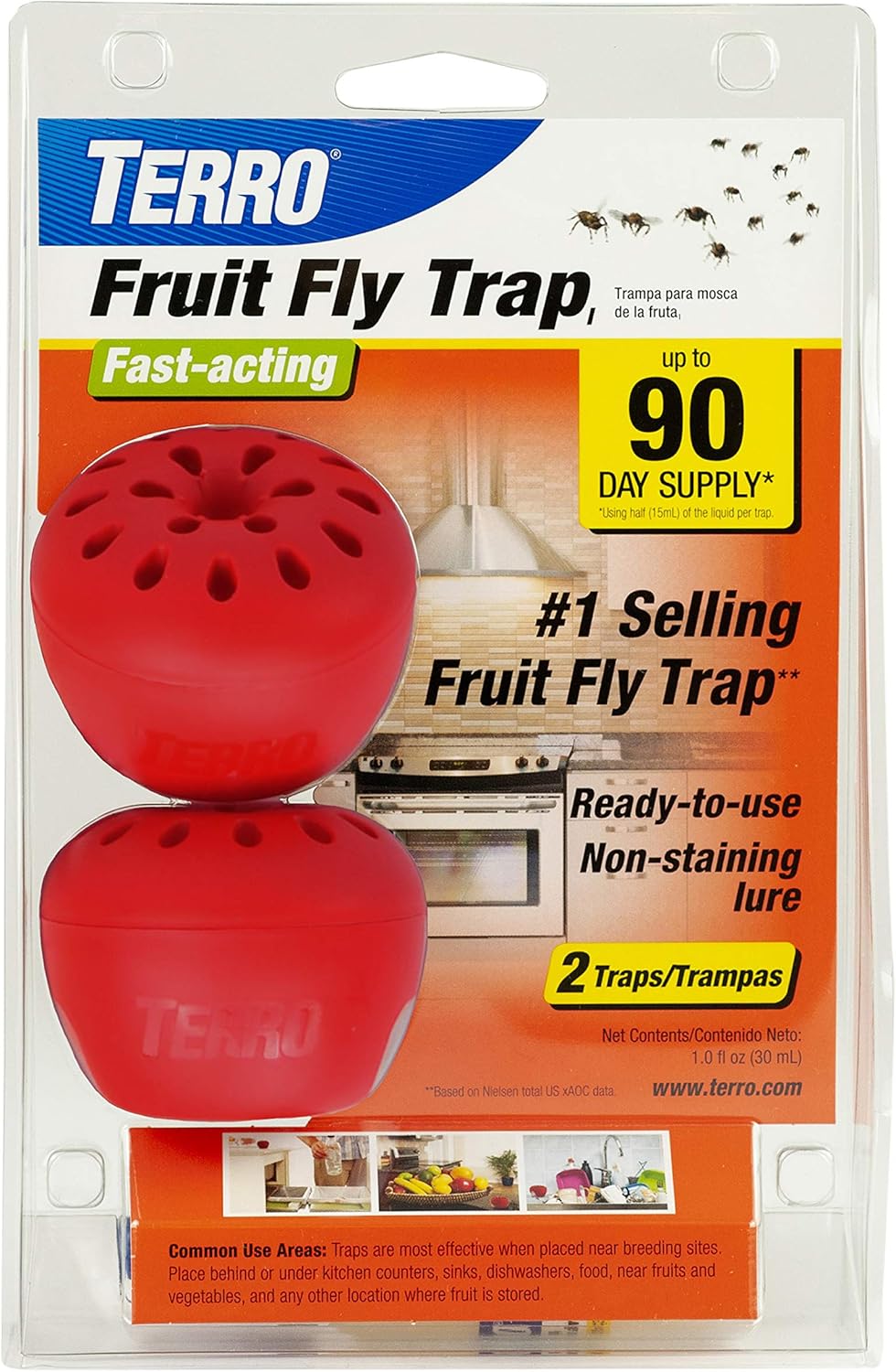


Victor
Victor M156 Metal Pedal Sustainably Sourced FSC Wood Snap Mouse Trap - 4 Wooden Traps
See current price

Trapper Max
Trapper Max Glue Traps 12 Glue Boards Trap Mouse Bugs Insects Bed Bugs Spiders Cockroaches Non-Toxic
See current price
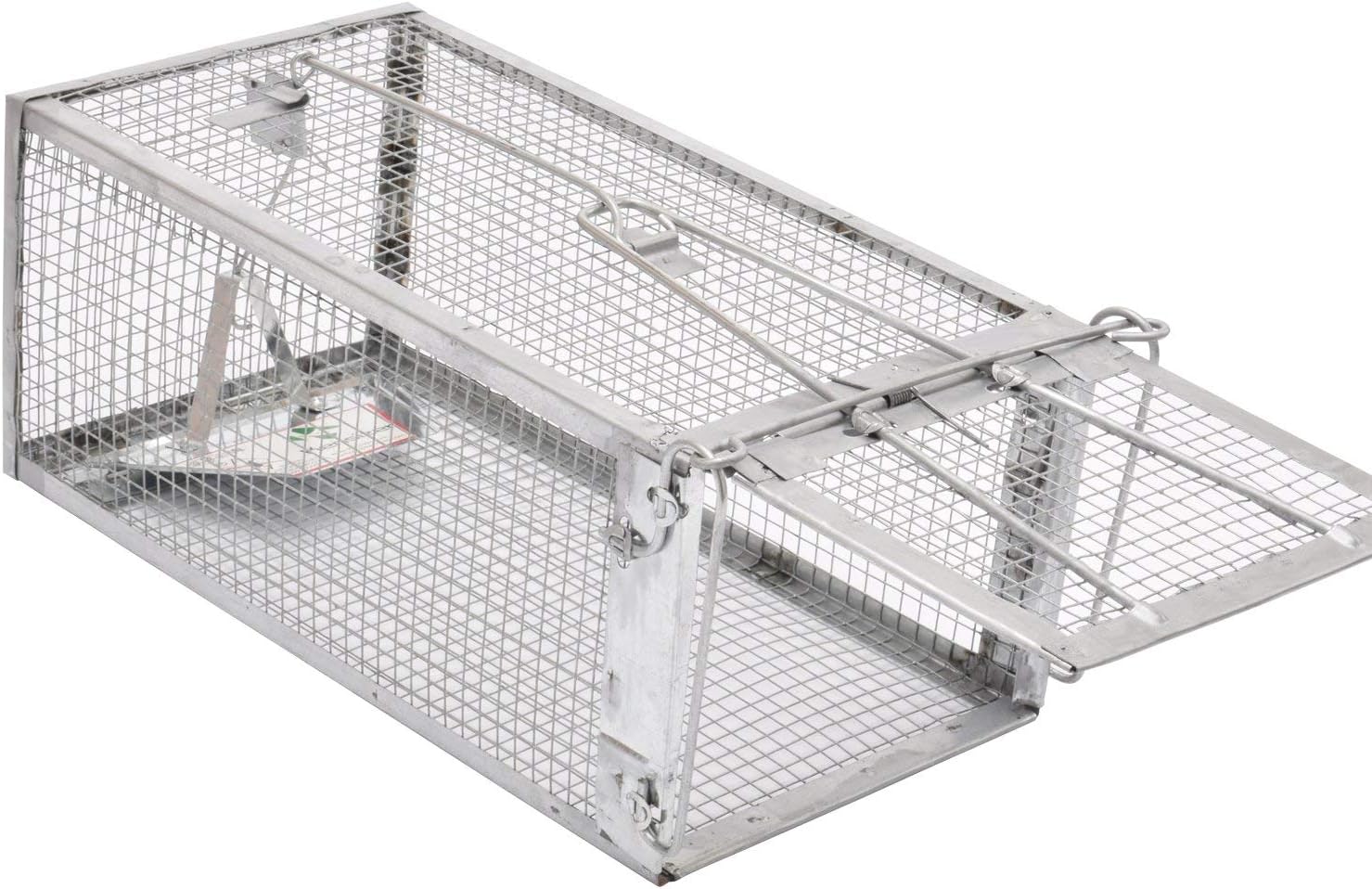


Popular brands in Traps
Traps help manage unwanted pests by attracting, capturing, or eliminating them without relying on broad application across an entire area. The right choice depends on the pest involved, where the problem occurs, and whether children, pets, wildlife, food, or garden plants are nearby.
This category includes options for indoor and outdoor use, from insect traps and attractant-based designs to traps intended for rodents or other nuisance animals. Start by identifying the target pest, then compare the trap’s mechanism, coverage area, placement requirements, and maintenance needs.
How to choose a pest trap
Before comparing individual products, consider the conditions around the infestation:
- Target pest: A trap designed for flies, mosquitoes, pantry insects, rodents, or larger nuisance animals may use a different attractant and capture method. Confirm that the product is intended for the pest you need to address.
- Location: Indoor traps should suit rooms, garages, kitchens, or storage areas. Outdoor models may need weather-resistant construction and a stable placement surface.
- Capture method: Decide whether you prefer a kill trap, adhesive capture surface, enclosed trap, or live-catch design. Each option involves different handling and disposal requirements.
- Attractant compatibility: Some traps work with an included lure, while others may accept a separate bait or replacement cartridge. Check what is supplied and how often consumables need attention.
- Access and safety: Enclosed designs can help limit contact with the trap mechanism. Look for clear placement guidance when children, pets, beneficial wildlife, or food-preparation areas are present.
If you are still defining the problem, the broader Pest Control category can help you compare traps with other approaches.
Common types of traps
Trap designs vary widely, so comparing by function is more useful than choosing by appearance alone.
Insect traps
Insect traps may use light, scent, pheromones, adhesive surfaces, or a combination of methods to attract flying or crawling pests. Consider whether the target insect is active during the day or night, whether the trap is for a room or outdoor area, and how the capture surface or collection chamber is emptied.
Rodent and nuisance-animal traps
These products may be designed to kill, contain, or deter rodents and other unwanted animals. Compare the intended animal size, trigger sensitivity, bait placement, reset process, and enclosure style. For live-catch products, also review guidance on checking, handling, and releasing captured animals.
Reusable and disposable designs
Reusable traps can be reset or fitted with replacement components, while disposable options may simplify cleanup after capture. Check whether the product requires separate bait, replacement glue boards, batteries, or other ongoing supplies.
Features and specifications to compare
Product details can reveal whether a trap fits your routine and placement area. Pay attention to:
- Dimensions and footprint: Make sure the trap fits beneath furniture, along walls, near entry points, or on an outdoor surface without blocking walkways.
- Power requirements: Light-based or electronic traps may use an outlet, batteries, or another power source. Confirm cord length and operating requirements for the intended location.
- Construction: Materials and enclosure design matter in damp areas, high-traffic spaces, and locations exposed to dust or weather.
- Visibility: Some users prefer to see when a trap has activated; others may want a concealed or enclosed design for living areas.
- Cleaning and disposal: Look for removable trays, replaceable capture surfaces, or straightforward disposal instructions. Avoid touching captured pests directly.
- Placement guidance: Check recommended distance from walls, doors, windows, food, pets, and garden areas before installation.
Brands represented in the catalog
The Traps catalog includes products from Victor, RESCUE!, Stingmon, Catchmaster, Terro, Adjrp, Tomcat, DynaTrap, Garsum, J T Eaton, Safer Brand, and Dwcom. These brands are represented across different trap formats and pest-control uses. Compare each product’s specifications rather than relying on brand name alone, since intended pests, mechanisms, included accessories, and placement requirements can differ.
Traps versus other pest-control options
A trap is most useful when you can identify the target pest and place the device where that pest travels or gathers. Other methods may be more suitable when the goal is to keep pests away, treat a larger area, or support an integrated garden approach.
Compare traps with Repellents when prevention or avoidance is the priority. Bug Zappers may be relevant for certain flying insects, while Baits & Lures can help when an attractant is needed separately. For manual removal, see Fly Swatters. Area-treatment products such as Foggers involve different application and safety considerations. Gardeners interested in non-chemical pest management can also explore Beneficial Insects.
Safe use and maintenance tips
Read the product instructions before setting a trap, adding bait, or handling a captured pest. Place traps away from children and pets, and keep insect traps or attractants away from exposed food and food-contact surfaces. Do not use an indoor product outdoors unless its instructions allow it.
Inspect traps as directed, replace full collection containers or adhesive surfaces, and dispose of captured pests and used materials according to the product guidance. If a trap is outdoors, check that wind, rain, irrigation, or other animals cannot move or interfere with it. Persistent pest activity may also indicate an entry point, moisture issue, food source, or sanitation problem that needs attention.
Frequently asked questions
Which trap should I choose first?
Start with the pest’s identity, then select a trap specifically intended for that pest and the location where activity is occurring.
Are traps suitable for indoor use?
Some are designed for indoor rooms, while others are intended for garages, sheds, gardens, or outdoor areas. Confirm the product’s placement instructions before use.
Do traps require bait or lures?
Some include an attractant, while others require separate bait or replacement lures. Check the package contents and compatible supplies in the product specifications.
How often should a trap be checked?
Follow the manufacturer’s instructions. Check more frequently in areas with active pest movement, warm conditions, or limited visibility.
What should I compare for a reusable trap?
Compare the reset process, cleaning requirements, replacement parts, bait compatibility, durability, and how captured pests are handled.
Can one trap solve every pest problem?
No. Trap design is usually target-specific, and effective placement may also require sealing entry points, removing food sources, or using another suitable control method.