
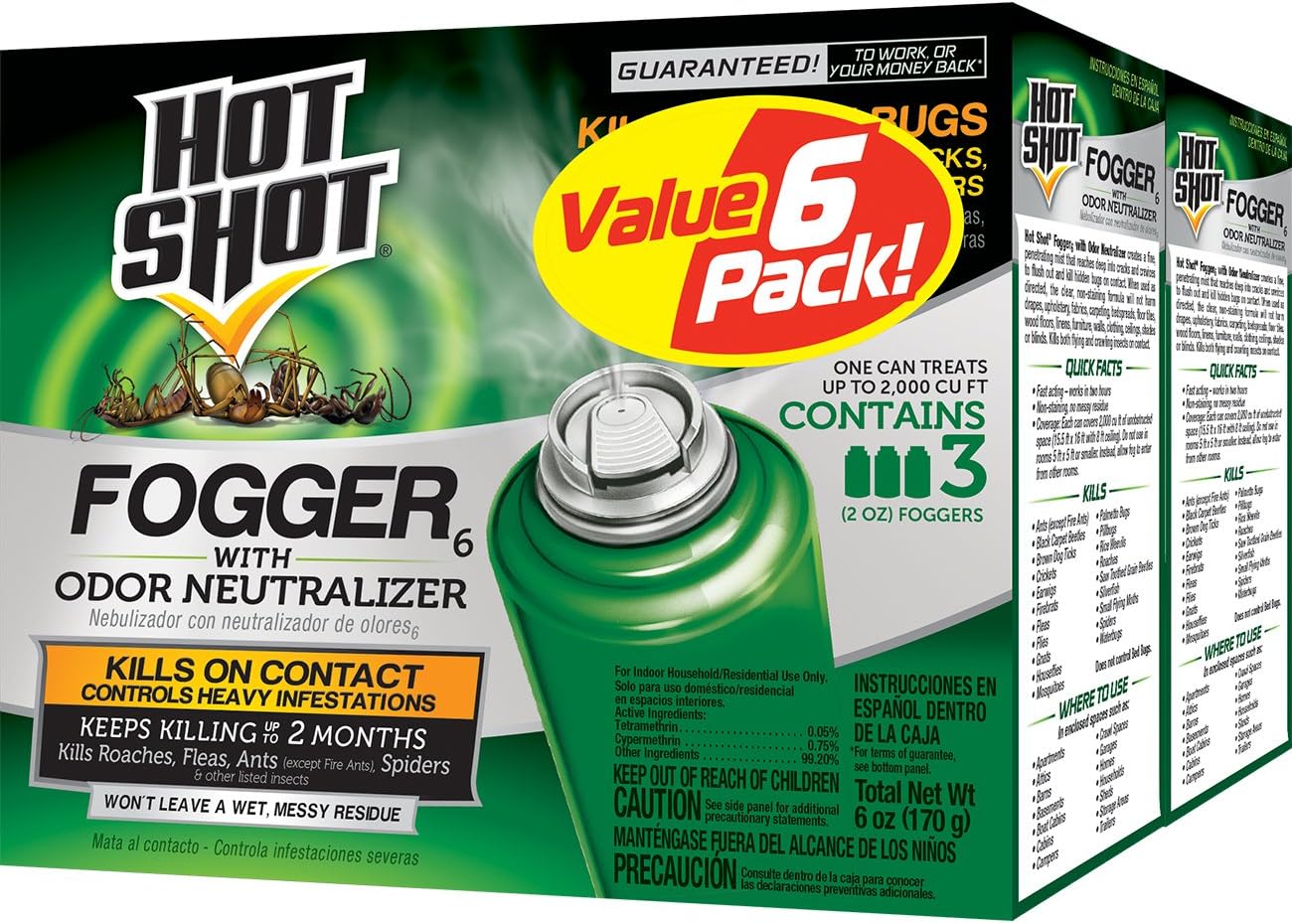
Foggers for Outdoor Pest Control
Compare foggers for patios, yards, and other outdoor spaces by application method, power source, coverage guidance, and safety features before choosing a product.
82 products in catalog
82 results
Filters


SC Johnson
Raid Max Fogger, Insect Killer for Mosquito, Ant, Roach, Spider, Flea, For Indoor Use, 2.1 oz, 3 Count
See current price

Burgess
Burgess 1443 Propane Insect Fogger for Fast and Effective Mosquito Control in Your Yard
See current price


Spectracide
Spectracide Bug Stop Indoor Fogger 6 Count 2-Ounce Cans, Controls Heavy Infestations
See current price

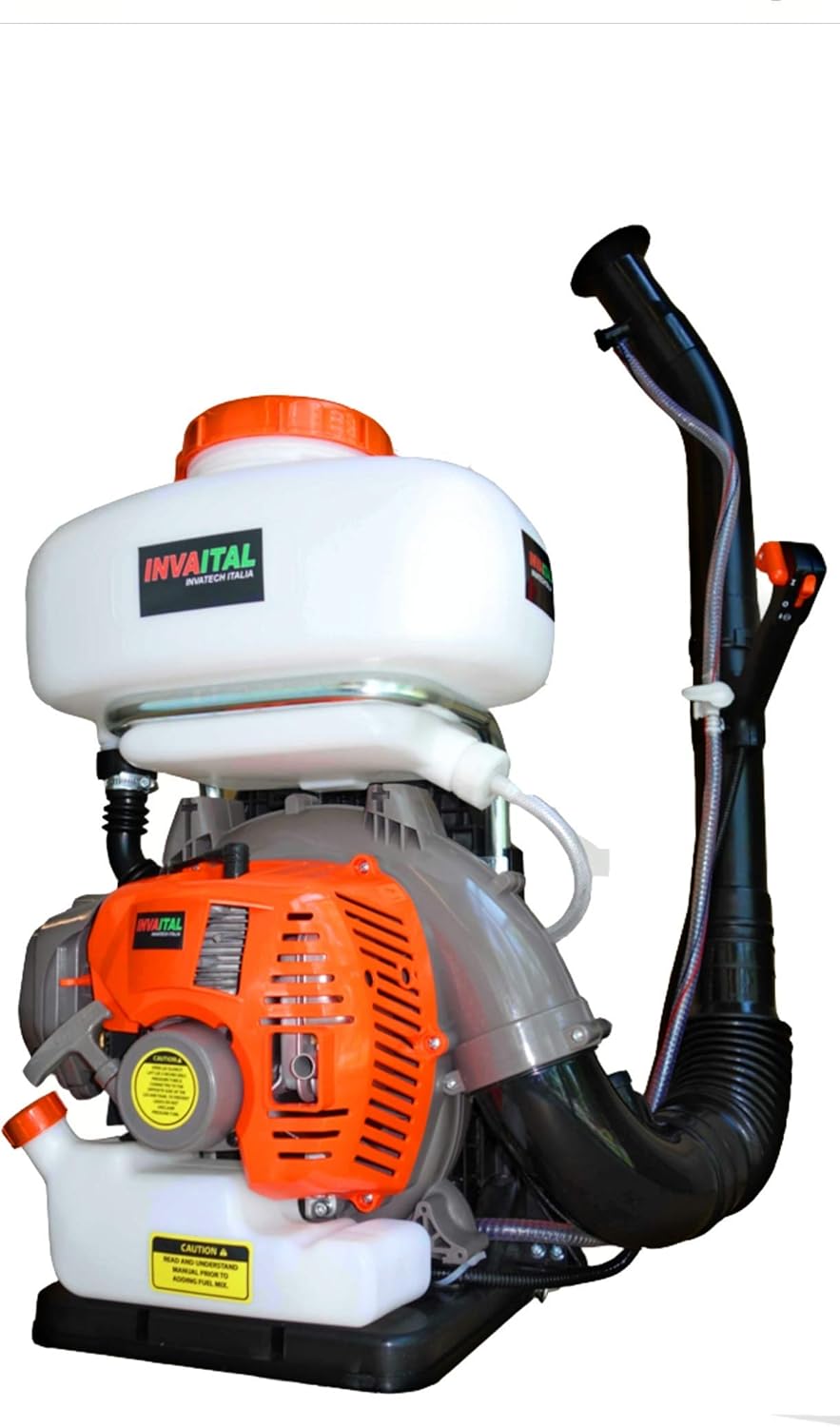
Invatech Italia
Invatech Italia New Mister Duster Mosquito Sprayer Mosquito Fogger Backpack Sprayer Cold Fogger
See current price

Cutter
Cutter Backyard Bug Control Combo Pack, with Outdoor Fogger & Hose-End Spray Concentrate
See current price


Popular brands in Foggers
Foggers are designed to disperse pest-control treatments across an outdoor area, making them useful when insects are active around patios, lawns, gardens, and entertaining spaces. The right option depends on the area you want to treat, the type of formula it accepts, and how much control you want over the application.
K-Catalog brings together foggers from brands including Black Flag, HOT-SHOT, SC Johnson, Raid, SuperHandy, Cutter, OFF!, Burgess, Repel, Iflove, Bengal, and ZOECON. Compare their listed specifications and features, then check the product details on Amazon before buying.
How to choose a fogger
Start with the space and situation rather than the brand name. A compact fogger may be easier to carry and store for occasional patio use, while a larger powered unit may be more appropriate for treating broader outdoor areas. Always follow the product label for approved locations, pests, mixing instructions, and reentry guidance.
Consider these questions while comparing products:
- Where will it be used? Look for compatibility with patios, yards, gardens, garages, or other areas listed by the manufacturer.
- What pest problem are you addressing? Confirm that the formula and application method are intended for the insects you want to manage.
- How often will it be used? Portability, setup time, tank capacity, and storage can matter more for repeated seasonal use.
- What power source is practical? Battery, electric, fuel-powered, and manual designs have different requirements for mobility, runtime, ventilation, and maintenance.
For broader pest-control planning, compare foggers with Pest Control products and choose the method that fits the location and treatment instructions.
Types of foggers to compare
Thermal foggers
Thermal models use heat to produce a visible fog from a compatible liquid formulation. They may suit outdoor applications where the label permits this method, but they require careful handling around people, animals, flammable materials, and vegetation. Check ignition-related warnings, starting procedures, and recommended fuel or formulation requirements.
Cold foggers and ULV foggers
Cold foggers, including ULV-style machines, atomize liquid without heating it. They can offer more control over droplet output and may be useful when the product label specifies this type of application. Compare adjustable flow controls, nozzle design, tank access, and the manufacturer’s guidance for indoor or outdoor use.
Handheld and portable foggers
Portable designs can be convenient for spot treatment or moving between areas. Evaluate the handle, shoulder strap, balance, controls, container size, and whether the unit can be cleaned easily after use. A lighter unit may be simpler to maneuver, while a larger reservoir can reduce refilling during a job.
Key features and specifications
The most useful comparison points are often found in the product specifications rather than the product name. Pay attention to:
- Coverage guidance: Use the manufacturer’s stated application area as a planning reference, while accounting for wind, vegetation, and the shape of the space.
- Output control: Adjustable flow or droplet settings can help match the application to the label and conditions.
- Runtime and capacity: Battery runtime, fuel requirements, cord length, and tank capacity affect how easily a fogger can be used away from a power source.
- Formula compatibility: Never assume a fogger accepts every insecticide or fogging solution. Verify the approved formulation before filling the tank.
- Cleaning and maintenance: Removable tanks, accessible filters, clear instructions, and simple nozzle maintenance can make storage and seasonal use easier.
- Safety features: Look for secure caps, protective guards, shutoff controls, stable construction, and clearly explained operating instructions.
Safety and responsible use
Read the complete label and equipment instructions before operating a fogger. Wear the protective equipment specified by the product manufacturer, keep children and pets away from the treatment area, and avoid spraying people, food, food-preparation surfaces, waterways, or plants unless the label specifically allows it.
Weather conditions can affect fogging. Wind may carry the treatment beyond the intended area, while rain can reduce effectiveness or create runoff. Use the product only in the conditions and locations permitted by its instructions. Store concentrates and equipment securely, dispose of leftover material as directed, and clean the machine according to the manufacturer’s procedure.
Fogging is not always the right approach. Repellents may be more suitable for personal or localized protection, while Traps and Baits & Lures can target pests without dispersing a treatment across an area. Bug Zappers and Fly Swatters offer additional options for specific flying-insect situations. Gardeners focused on nonchemical strategies can also explore Beneficial Insects.
Brands in the catalog
The Foggers catalog includes products associated with Black Flag, HOT-SHOT, SC Johnson, Raid, SuperHandy, Cutter, OFF!, Burgess, Repel, Iflove, Bengal, and ZOECON. Brand availability can vary by product type and intended use, so compare the specifications for each individual listing rather than choosing by brand alone. Look especially at application directions, power source, compatibility, included accessories, and maintenance requirements.
Frequently asked questions
Are foggers suitable for every outdoor area?
No. Suitability depends on the product label, the target pest, the treatment area, weather conditions, and nearby people, pets, plants, food, and water. Use a fogger only where its instructions allow.
What is the difference between a thermal and cold fogger?
A thermal fogger uses heat to create a fog, while a cold fogger atomizes liquid without heating it. The appropriate choice depends on the approved formulation, application instructions, and operating conditions.
Can any insecticide be used in a fogger?
No. Use only formulations specifically approved for the fogger and application method. Check the equipment manual and pesticide label before adding liquid to the tank.
What specifications matter most for a portable fogger?
Compare weight, balance, tank capacity, power source, runtime, output control, nozzle design, and cleaning requirements. Also verify that the unit is intended for your treatment area.
Should fogging replace other pest-control methods?
Not necessarily. Fogging can be useful for certain outdoor applications, but traps, repellents, baits, zappers, or other methods may be more appropriate depending on the pest and location.