

Furniture & Patient Transport Equipment
Compare furniture and patient transport equipment by purpose, construction, mobility, capacity, and care requirements. Use specifications and features to narrow options for clinical, care, and emergency settings.
38 products in catalog
38 results
Filters

Roscoe Medical
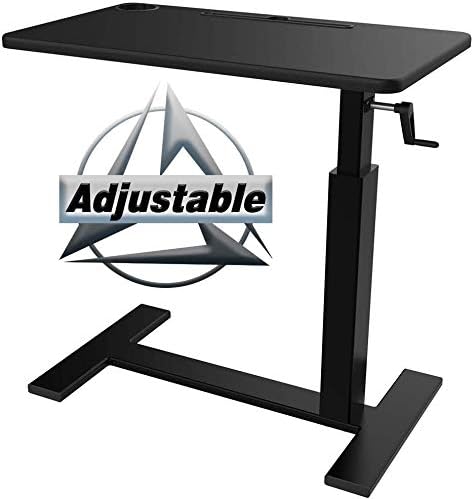
Roscoe Medical Bed Tray Overbed Table with Wheels - Rolling Tray Table for Bed or Chair - Bed Side Table for Laptop, Eating
See current price







Invacare
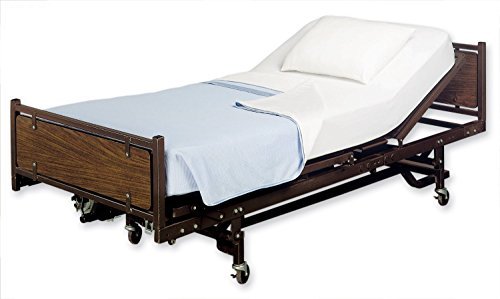
Invacare Solace Prevention Hospital Bed Mattress, 36" Wide x 80" Long, SPS1080
See current price



Medline Industries Healthcare
Medline Sterile Disposable Surgical Towels, Prewashed, Delinted, Highly Absorbent,100% Cotton, 27" Length, Blue (Pack of 8)
See current price


Drive Medical
Drive Medical 13023SV Handicap Hydraulic Lift, Silver Vein 5 Inch (Pack of 1)
See current price
Popular brands in Furniture & Patient Transport
Furniture and patient transport equipment supports everyday care, examination, repositioning, transfers, and movement through healthcare environments. The right choice depends on the task, the space available, the people using the equipment, and the level of cleaning and maintenance required.
K-Catalog helps shoppers compare product specifications and features before visiting Amazon to check the current product information. Start with the intended use, then review dimensions, weight capacity, mobility features, materials, and storage needs.
How to choose furniture and transport equipment
Begin by identifying the workflow the product needs to support. A stationary item for an examination area has different priorities from equipment intended for transfers or transport between rooms. Consider:
- Purpose: Determine whether the equipment is for seating, examination, positioning, transfer, recovery, or patient movement.
- User needs: Account for patient mobility, caregiver assistance, comfort, and the amount of repositioning involved.
- Available space: Check overall dimensions, clearance around the product, doorways, storage areas, and turning space.
- Capacity and stability: Compare the stated weight capacity and construction details with the intended use.
- Cleaning requirements: Look for surfaces and materials that fit the facility’s cleaning routine and infection-control procedures.
- Handling: If the equipment moves, examine wheel design, brakes, handles, folding features, and overall handling requirements.
A product that fits the task but is difficult to maneuver, clean, or store may not be a practical choice. Reviewing the full specification list can help reveal those tradeoffs before purchase.
Common equipment types to compare
Furniture and patient transport is a broad category, so product features can vary significantly. Depending on the intended setting, shoppers may compare:
- Patient seating and clinical furniture: Useful for waiting areas, treatment rooms, care spaces, and assisted seating. Compare dimensions, upholstery or surface materials, armrests, back support, and ease of cleaning.
- Examination and treatment furniture: Review working height, accessible surfaces, padding, adjustment options, stability, and compatibility with the room layout.
- Transport equipment: For moving patients or supplies, focus on wheel configuration, brakes, handles, folding or storage design, and the manufacturer’s stated capacity.
- Transfer and support equipment: Compare positioning features, secure contact points, adjustability, and whether the design suits assisted or independent use.
- Facility seating and utility furniture: Consider durability, footprint, cleanability, and whether the item can be moved or stored when the room’s purpose changes.
When a product’s use is not obvious from its title, read the specification details and product description carefully. Similar-looking equipment can be designed for very different workflows.
Key specifications and features
Dimensions are among the most important details to verify. Compare height, width, length, folded dimensions, and clearance requirements—not just the size of the product in its primary position. For transport equipment, also check whether the folded or stored form fits the available location.
Materials affect comfort, durability, and maintenance. Smooth, sealed, or wipeable surfaces may be easier to maintain, while padded surfaces can support comfort but may require closer attention to seams and cleaning instructions. Review the manufacturer’s care guidance rather than assuming that every disinfectant or cleaning method is suitable.
For movable equipment, compare caster or wheel details, locking mechanisms, directional control, handles, and the effort required to fold or reposition the item. For furniture, examine frame construction, adjustment points, upholstery, edge design, and stability. Always match the stated capacity and intended use to the environment in which the product will be used.
Brands represented in the catalog
The catalog includes products from Invacare, Balee, Drive Medical, TIDI, TIDI Products, Rescue Essentials, Dynarex, Medacure, Goplus, National Public Seating, TL Care, and Furist. These brands provide shoppers with different product lines and design approaches to compare. Brand familiarity can be a useful starting point, but specifications, intended use, dimensions, care instructions, and included components should guide the final selection.
Related professional medical supplies
Furniture and transport equipment often works alongside other clinical supplies. For broader category browsing, explore Professional Medical Supplies, or compare related areas such as Diagnostics & Screening, Examination Supplies & Consumables, and Fluid Administration & Collection. Wound Care & Dressings, Instruments & Surgical Tools, and Apparel may also be relevant when planning supplies for a care environment.
Frequently asked questions
What should be checked before buying patient transport equipment?
Compare dimensions, stated capacity, wheel and brake features, handles, folding or storage requirements, and the intended use. Confirm that the product fits the facility’s layout and workflow.
How do I compare clinical furniture for easy maintenance?
Review surface materials, upholstery, seams, frame design, and the manufacturer’s cleaning instructions. Choose features that align with the facility’s cleaning and disinfection procedures.
Are dimensions important if the equipment is movable?
Yes. Check the working dimensions, folded dimensions, doorway clearance, storage footprint, and turning space needed for safe movement.
What is the difference between furniture and transport equipment?
Furniture generally supports seating, examination, treatment, or facility use, while transport equipment is designed to help move patients or supplies. Some products may support more than one function.
Should brand name be the main deciding factor?
Brand can help narrow the catalog, but the best comparison also includes capacity, dimensions, materials, mobility, adjustability, care instructions, and compatibility with the intended setting.