

Plant Support Structures for Gardeners
Compare plant support structures by design, material, size, and installation style. Find practical options for climbing plants, vegetables, flowers, and container gardens.
1,586 products in catalog
1,586 results
Filters




The Blooming Jungle
Moss Pole Monstera Plant Support - Train Indoor Climbing Plants to Grow Upwards - 2 Coco Coir Totem Stakes
See current price

Pinnacle Mercantile
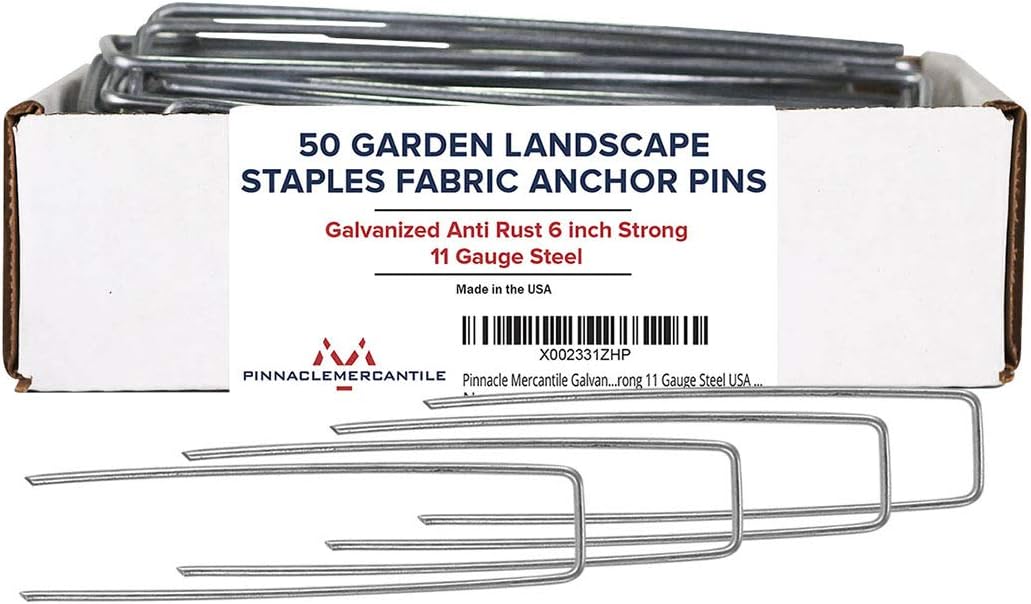
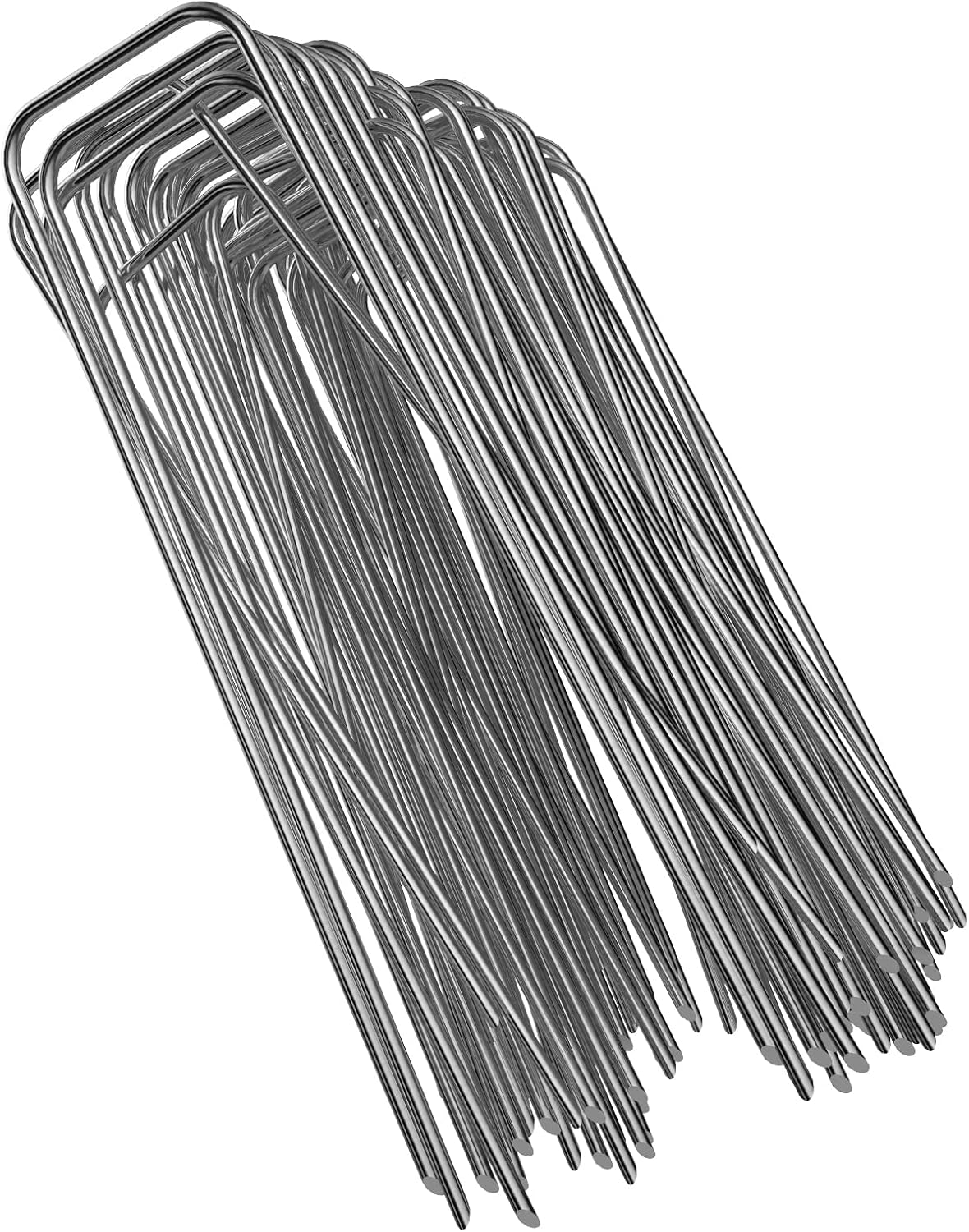
Pinnacle Mercantile 120 Pack Tent Stakes Metal Garden Edging Fence Hooks Pegs Christmas Decoration Stakes Made USA 9 inches Long
See current price

Spectracide
Spectracide Terminate Termite Detection & Killing Stakes, 15-Count, 6-Pack
See current price




Popular brands in Plant Support Structures
Plant support structures help guide growth, keep plants upright, and organize garden spaces. The right support depends on the plant’s mature size, growth habit, location, and whether it is growing in the ground, a raised bed, or a container.
This category includes options for training vines, supporting heavy stems, protecting plants from bending, and creating vertical growing space. Use the specifications to compare dimensions, materials, construction, and installation before choosing a support.
How to choose plant support structures
Start by identifying how the plant grows. A tomato or flowering plant may need a structure that surrounds or steadies the stem, while climbing vegetables and ornamental vines generally need an open framework they can attach to as they grow.
Consider these factors:
- Plant size: Match the support’s height and width to the plant’s expected mature growth rather than its current size.
- Growth habit: Twining, vining, sprawling, and top-heavy plants may each require a different style of support.
- Location: Check whether the support is intended for garden beds, lawns, patios, balconies, or containers.
- Installation: Look for stakes, legs, anchors, clips, or other attachment methods that suit the growing area.
- Seasonal use: If the support will be moved or stored, consider its weight, portability, and whether it can be assembled or folded.
Common types of plant supports
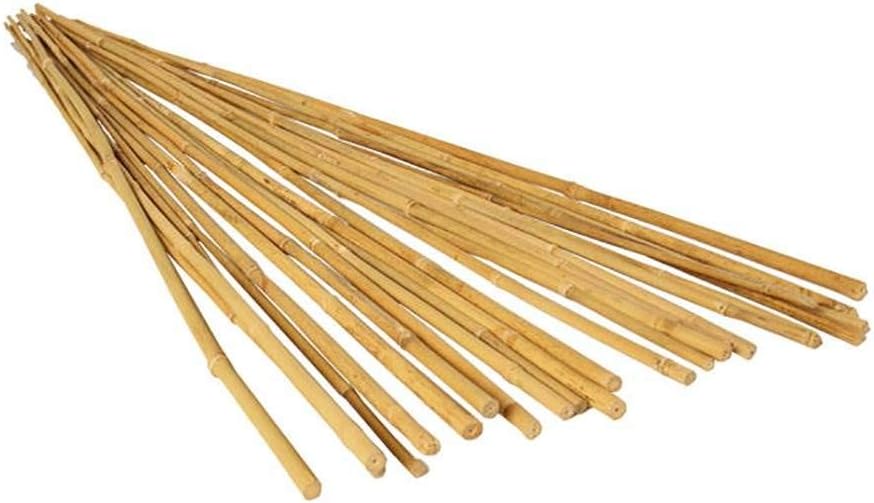
Although this category does not use separate catalog subcategories, plant supports come in several useful forms. Stakes are a straightforward choice for individual stems and young plants. They can be paired with ties or clips to guide growth without requiring a large framework.
Cages and ring supports surround a plant and help hold stems as they become taller or heavier. They are often considered for plants that spread outward or need support on multiple sides. Trellises, arches, and grid-style structures provide vertical surfaces for climbing plants and can also help divide or decorate a growing space.
Obelisks, towers, and other freestanding structures suit gardeners who want a more visible vertical feature. For container gardening, compact supports are often easier to manage than full-size garden structures. Compare the base footprint with the container opening and available growing space.
Materials and construction to compare
Plant supports may be made from metal, plastic, wood, resin, or combinations of materials. Metal designs can provide a rigid framework, while plastic supports may be lightweight and convenient to reposition. Wood and decorative finishes may suit gardens where appearance is an important consideration.
Check how the material is finished and how the joints, welds, connectors, or fasteners are constructed. A support exposed to rain, irrigation, soil, and sunlight should be suited to outdoor use. Also compare whether the product is a single piece or requires assembly, and note any included components such as stakes, ties, clips, or connectors.
The dimensions matter as much as the material. Look at total height, width, depth, opening size, and stake length where listed. A tall support may be useful for vigorous climbers but could need secure anchoring, while a low support may be better for compact plants or containers.
Coordinating supports with garden supplies
Plant supports work alongside other gardening equipment. Containers and compatible accessories can help when plants are grown on patios, balconies, or other limited spaces; browse Pots, Planters & Container Accessories when comparing container setups.
Water management is another consideration. A support should not block access to the soil or make it difficult to direct water around the plant’s base. For related equipment, see Watering Equipment.
The type of plant also influences the choice. Browse Plants, Seeds & Bulbs to consider supports alongside the plants being grown. Soil depth, drainage, and planting conditions can affect how securely a stake or framework sits, so Soils, Mulches & Planting Media may also be relevant when planning a new bed or container.
Brands represented in the catalog
The catalog includes plant support products from FEED GARDEN, EASYFLEX, MTB SUPPLY, GROWNEER, KINGLAKE, One Stop Outdoor, Whonline, AMAGABELI GARDEN & HOME, Tingyuan, AAGUT, BlueFire, and Abba Patio. Compare each listing by its stated dimensions, materials, support style, included parts, and intended placement rather than relying on brand name alone.
Frequently asked questions
What type of plant support is right for climbing plants?
Trellises, grids, arches, towers, and other open frameworks are common choices because they give climbing growth a surface or structure to follow. Match the height and spacing to the plant’s growth habit.
Are plant supports suitable for containers?
Many supports can work in containers, but suitability depends on the support’s footprint, base design, height, and how securely it can sit in the potting medium. Check dimensions before purchasing.
How tall should a plant support be?
Choose a height that accommodates the plant’s expected mature growth while leaving enough of the support in the soil or container for stability. Product dimensions can help with this comparison.
What should be compared besides height?
Compare width, depth, opening size, material, weight, anchoring method, assembly requirements, and whether ties or other accessories are included.
Can plant supports be used with greenhouses?
Some may suit greenhouse growing if their dimensions and installation method fit the available space. Compare them with Greenhouses & Plant Germination Equipment when planning protected growing areas.
What garden tools may help with installation?
Basic hand tools can be useful for placing stakes, adjusting ties, or assembling supports. See Hand Tools for related gardening equipment.