

Gloves & Protective Gear for Gardening
Compare gardening gloves and protective gear for planting, pruning, soil work, and other outdoor tasks. Use materials, coverage, fit, and task-specific features to narrow the options.
546 products in catalog
546 results
Filters




G & F Products
G & F 1852-3 Women Soft Jersey Garden Gloves, Women Work Gloves, 3-Pairs Green/Pink/Blue per Pack
See current price


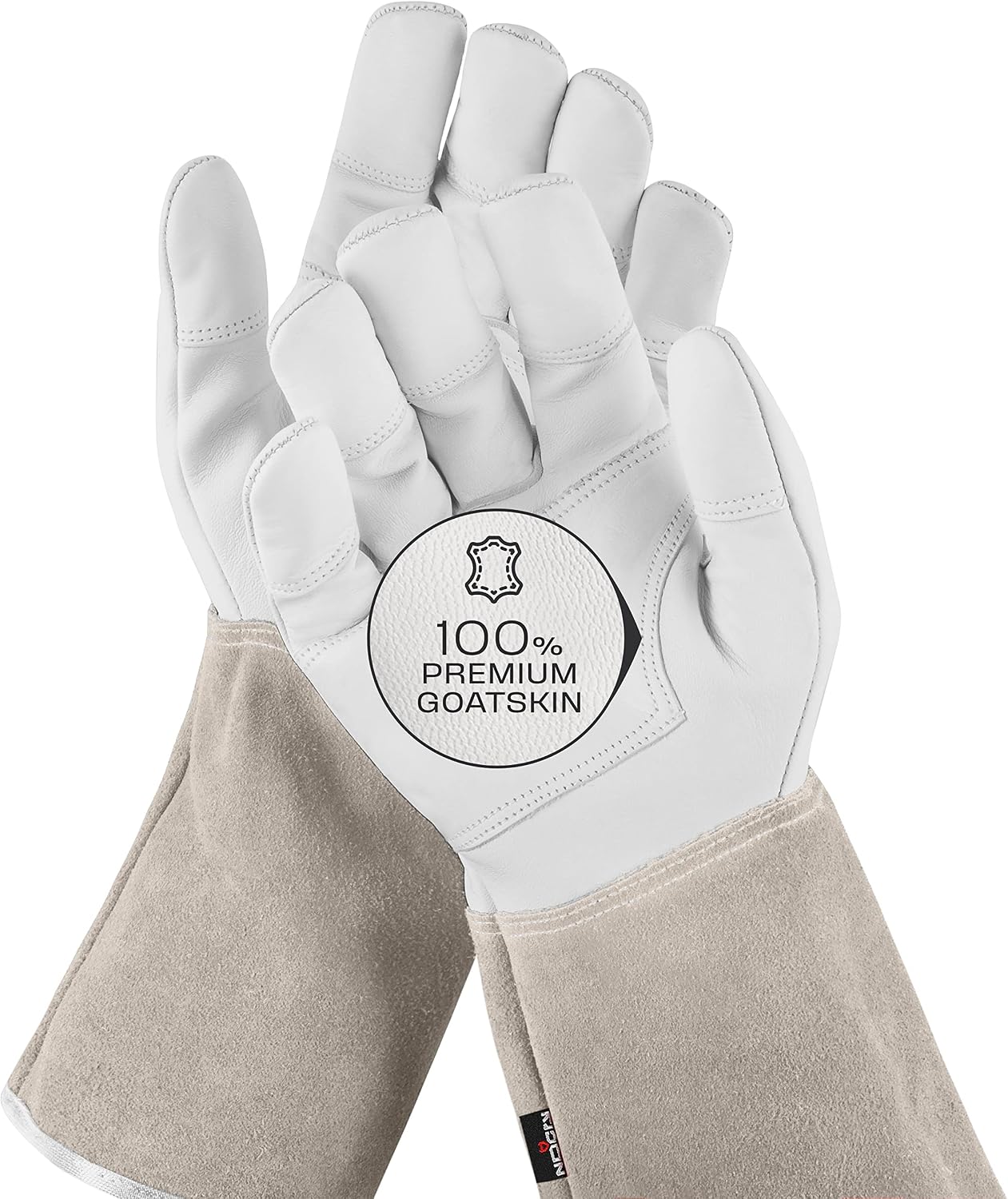


Amazon Basics
Amazon Basics Rose Pruning Thorn Proof Gardening Gloves with Forearm Protection - Pink, S
See current price

Amazon Basics
Amazon Basics Rose Pruning Thorn Proof Gardening Gloves with Forearm Protection - Green, XL
See current price
Amazon Basics
Amazon Basics Rose Pruning Thorn Proof Gardening Gloves with Forearm Protection, Pink, L
See current price

Amazon Basics
Amazon Basics Rose Pruning Thorn Proof Gardening Gloves with Forearm Protection - Pink, XS
See current price
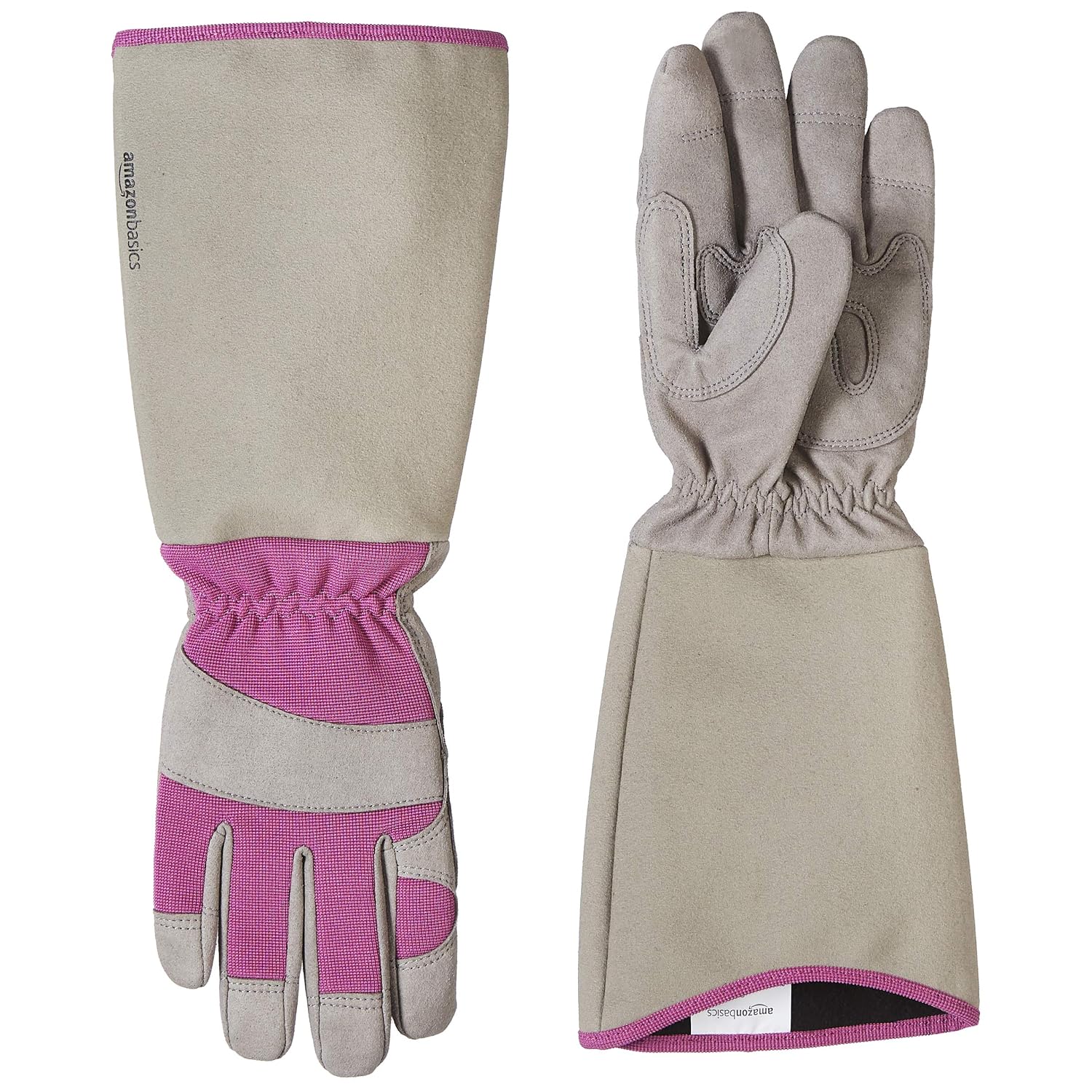
Amazon Basics
Amazon Basics Rose Pruning Thorn Proof Gardening Gloves with Forearm Protection - Purple, M
See current price
Amazon Basics
Amazon Basics Rose Pruning Thorn Proof Gardening Gloves with Forearm Protection - Green, S
See current price
Amazon Basics
Amazon Basics Rose Pruning Thorn Proof Gardening Gloves with Forearm Protection, Green, L
See current price

Amazon Basics
Amazon Basics Rose Pruning Thorn Proof Gardening Gloves with Forearm Protection - Purple, XS
See current price

Amazon Basics
Amazon Basics Rose Pruning Thorn Proof Gardening Gloves with Forearm Protection - Green, M
See current price
Popular brands in Gloves & Protective Gear
Gardening gloves and protective gear can make outdoor work more comfortable while helping shield hands, arms, knees, and clothing from common yard and garden conditions. The right choice depends on the task, the materials being handled, and how much coverage or dexterity you need.
K-Catalog brings together options for shoppers comparing specifications and features across the Gardening & Lawn Care category. Use the product information to find gear that matches your routine, whether you maintain containers, prepare planting beds, prune shrubs, or work with hand tools.
How to choose gardening gloves and protective gear
Start with the work you do most often. Light planting and potting usually call for flexible gloves that allow precise finger movement. Pruning, clearing brush, or handling rough materials may call for more coverage around the fingers, palms, wrists, or forearms. Wet conditions can make water resistance useful, while warm-weather tasks may benefit from breathable materials.
Consider these factors before comparing individual products:
- Coverage: Decide whether hand-only protection is enough or whether extended cuffs, sleeves, knee protection, or other gear would be more suitable.
- Dexterity: Close-fitting gloves can make it easier to handle seeds, small plants, ties, and tool controls.
- Grip: Textured or coated palms may help when holding tools or materials, but the feel can vary between designs.
- Comfort: Look for a fit that allows natural finger movement without excessive looseness or pressure.
- Maintenance: Check whether the material is washable and review any care instructions before use.
Common types for garden work
Although this catalog category has no listed subcategories, products can still be compared by their intended use and construction. Basic gardening gloves are suited to routine planting, weeding, and soil handling. More protective designs may be preferable for pruning, brush clearing, or work around thorny plants.
Water-resistant or waterproof styles can be useful for damp soil and wet-weather tasks, while breathable fabric gloves may feel more comfortable during warm conditions. Some designs emphasize flexibility and touch sensitivity; others prioritize reinforced palms, longer cuffs, or additional coverage.
Protective gear can also extend beyond gloves. Depending on the task, shoppers may compare arm protection, knee pads, aprons, or other clothing and accessories intended to reduce direct contact with soil, moisture, rough surfaces, or plant debris. Match the gear to the specific hazards and movements involved rather than choosing by appearance alone.
Features and specifications to compare
Product descriptions often provide details that help distinguish similar-looking options. Pay close attention to the listed materials, since fabric, leather, synthetic coatings, rubber, and other constructions can differ in flexibility, ventilation, durability, and moisture handling.
Sizing is especially important. Review the available size options and the manufacturer’s measuring guidance where provided. Gloves that are too tight can restrict movement, while oversized gloves may make detailed work more difficult. Also check how the gloves are secured: elastic wrists, hook-and-loop closures, and extended cuffs can each affect fit and coverage.
For task-specific use, compare reinforced areas, thorn-resistant or puncture-resistant claims when listed, waterproofing details, lining, and palm texture. These features should be considered alongside comfort and dexterity. A heavily protective glove may not be the most convenient choice for delicate seed starting or transplanting.
Brands represented in the catalog
The catalog includes products from Amazon Basics, Alomidds, Vgo..., HANDLANDY, MAGID, I COVER, COOLJOB, PEP STEP, Step2, Wudee, OLSON DEEPAK, and G & F Products. These brands provide options to compare by construction, intended use, sizing, and listed features. Brand names are a starting point; the product specifications are more useful for deciding whether a particular design suits your work.
Pairing protective gear with garden supplies
Gloves are only one part of a practical garden setup. Shoppers preparing containers can also compare Pots, Planters & Container Accessories, while hoses and other watering products are grouped under Watering Equipment. For planting projects, browse Plants, Seeds & Bulbs and Soils, Mulches & Planting Media.
Protective gloves are often used alongside Hand Tools, so check that the glove design gives you enough control for the tools you plan to use. For controlled growing environments, Greenhouses & Plant Germination Equipment may also be relevant.
Practical use and care tips
Choose gear before starting the task, not after your hands or clothing are already exposed. Inspect gloves and other protective items for worn seams, holes, damaged coatings, or stretched closures. Replace items when their condition could reduce the protection they are intended to provide.
Keep gloves clean and dry according to the care instructions. Allow damp items to dry fully before storage, and keep different pairs available if you move between wet work, soil handling, pruning, and detailed planting. For tasks involving chemicals or powered equipment, follow the product label and equipment guidance; ordinary gardening gloves may not provide the protection those activities require.
Frequently asked questions
What gloves are suitable for general gardening?
Flexible gloves with a comfortable fit and a grippy palm are commonly useful for planting, weeding, and routine soil work. Compare the listed materials, sizing, and care requirements for your conditions.
Should gardening gloves be waterproof?
Water-resistant or waterproof construction can help with wet soil and moisture, but it may affect breathability or flexibility. Choose based on how often you work in damp conditions.
How should gardening gloves fit?
They should allow natural finger movement without slipping or creating uncomfortable pressure. Use the product’s sizing guidance when available, since sizing can vary between designs.
Do longer cuffs provide more protection?
Longer cuffs can cover more of the wrist and lower arm, which may be useful for pruning or working near rough vegetation. They can also feel warmer or less flexible than shorter cuffs.
What should be checked before using protective gear?
Inspect the item for damage, confirm that it fits securely, and check that its listed features match the task. Follow any care, use, and safety instructions supplied with the product.