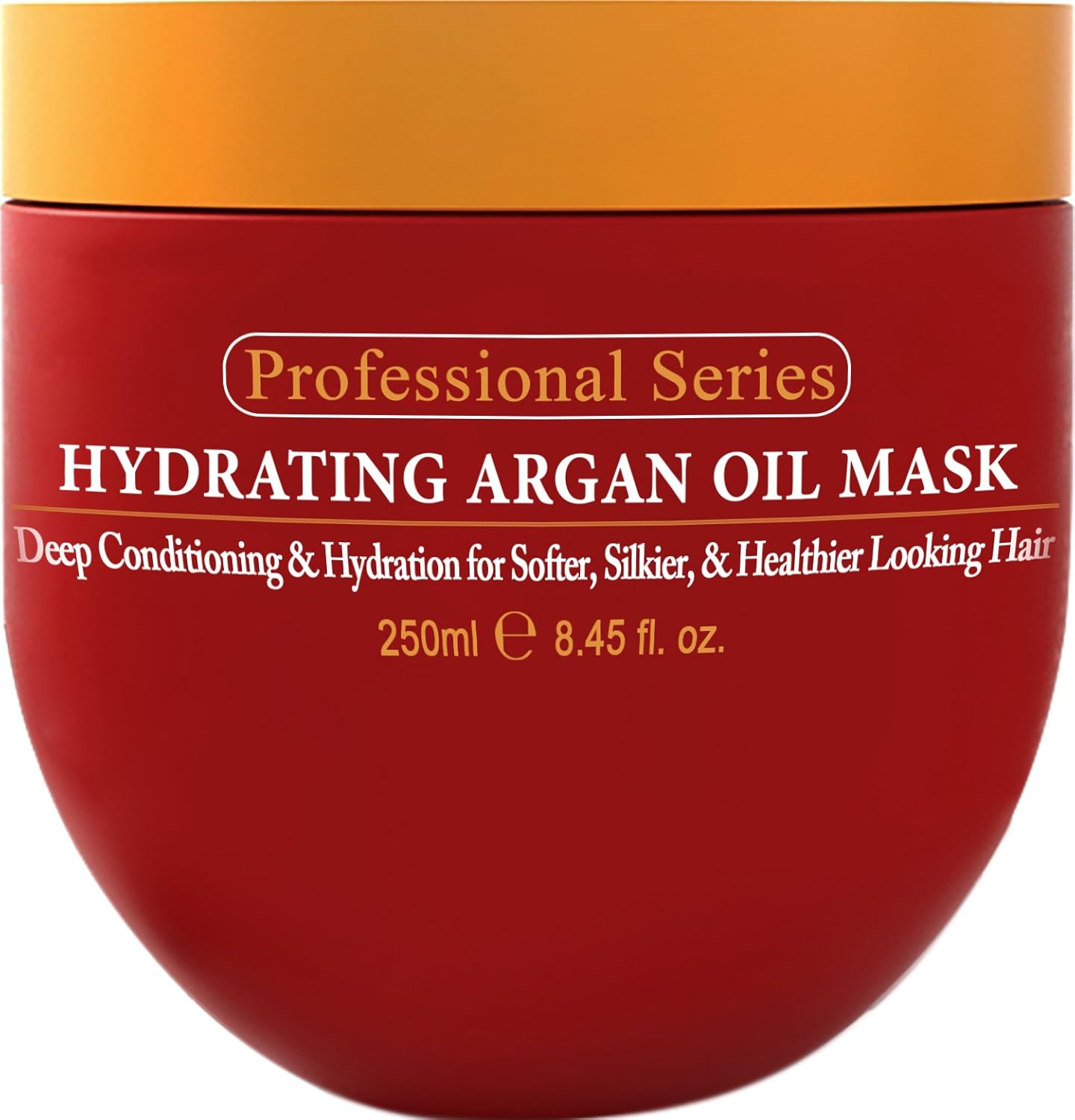
Arvazallia
Arvazallia Hydrating Argan Oil Hair Mask and Deep Conditioner for Dry or Damaged Hair - 8.45 Oz
See current price

Compare hair masks by ingredients, hair concerns, texture, and treatment goals. K-Catalog helps you explore formulas for moisturizing, repairing, smoothing, and maintaining different hair types.
649 products in catalog
649 results
Arvazallia
See current price
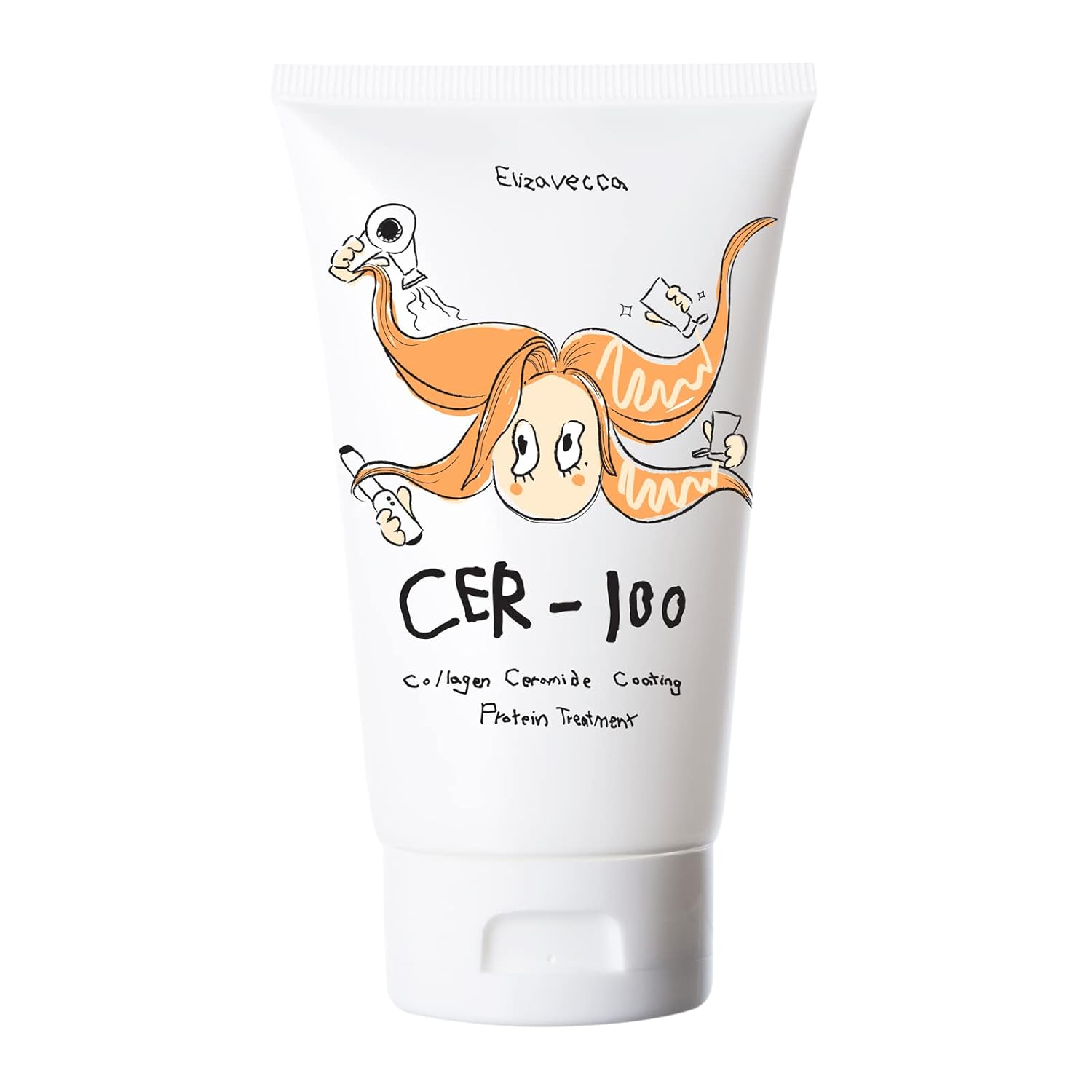


Garnier
See current price

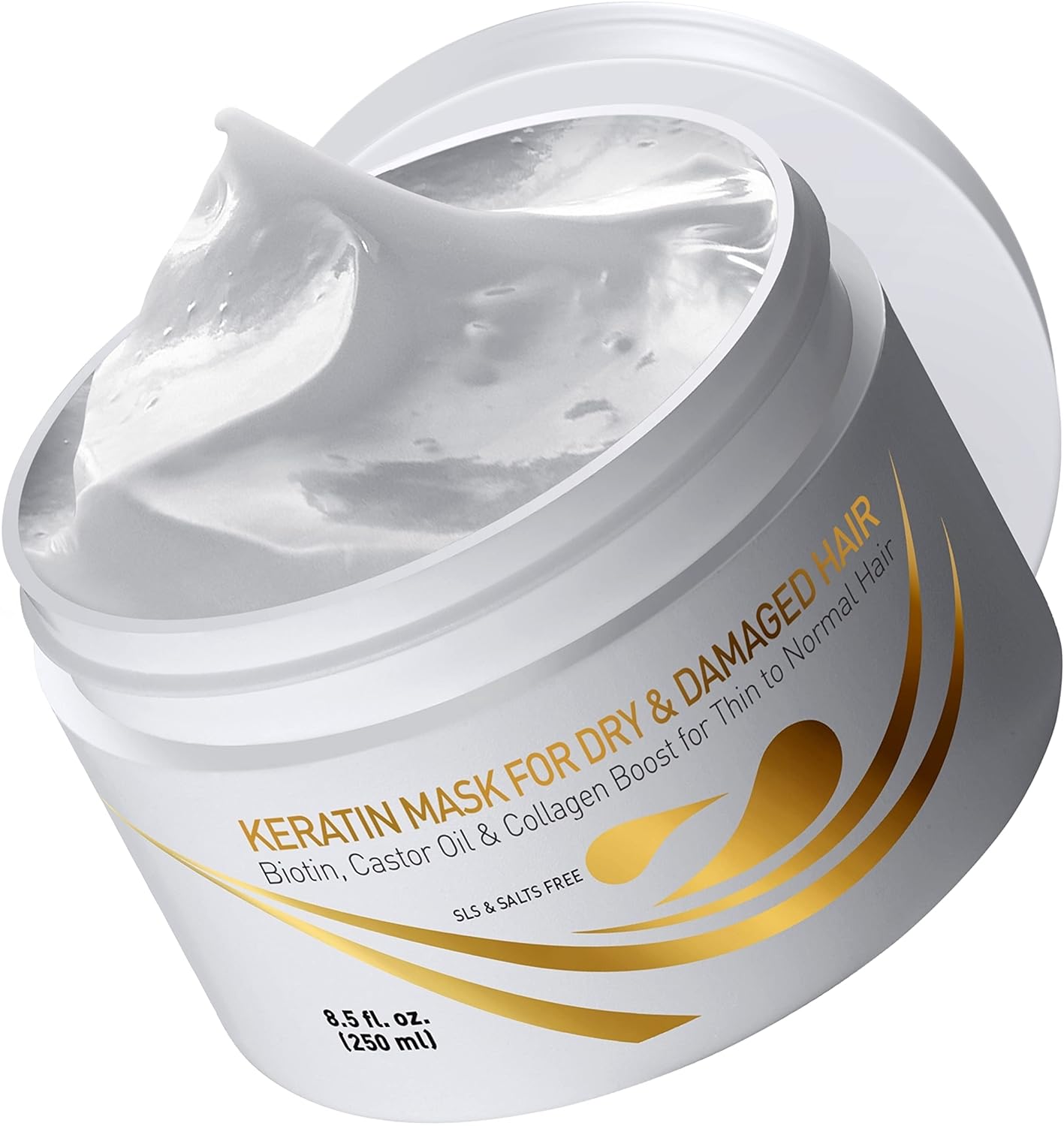

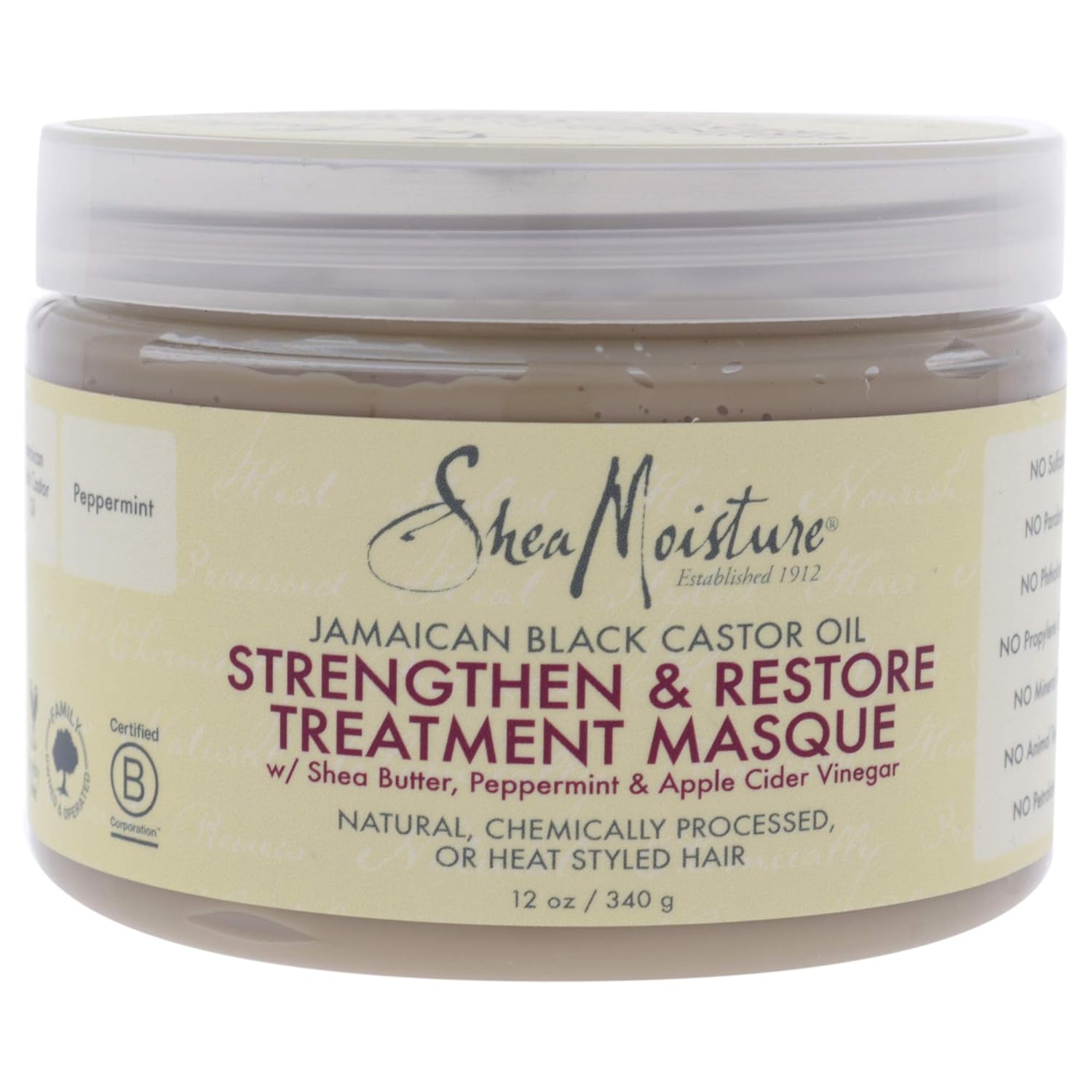
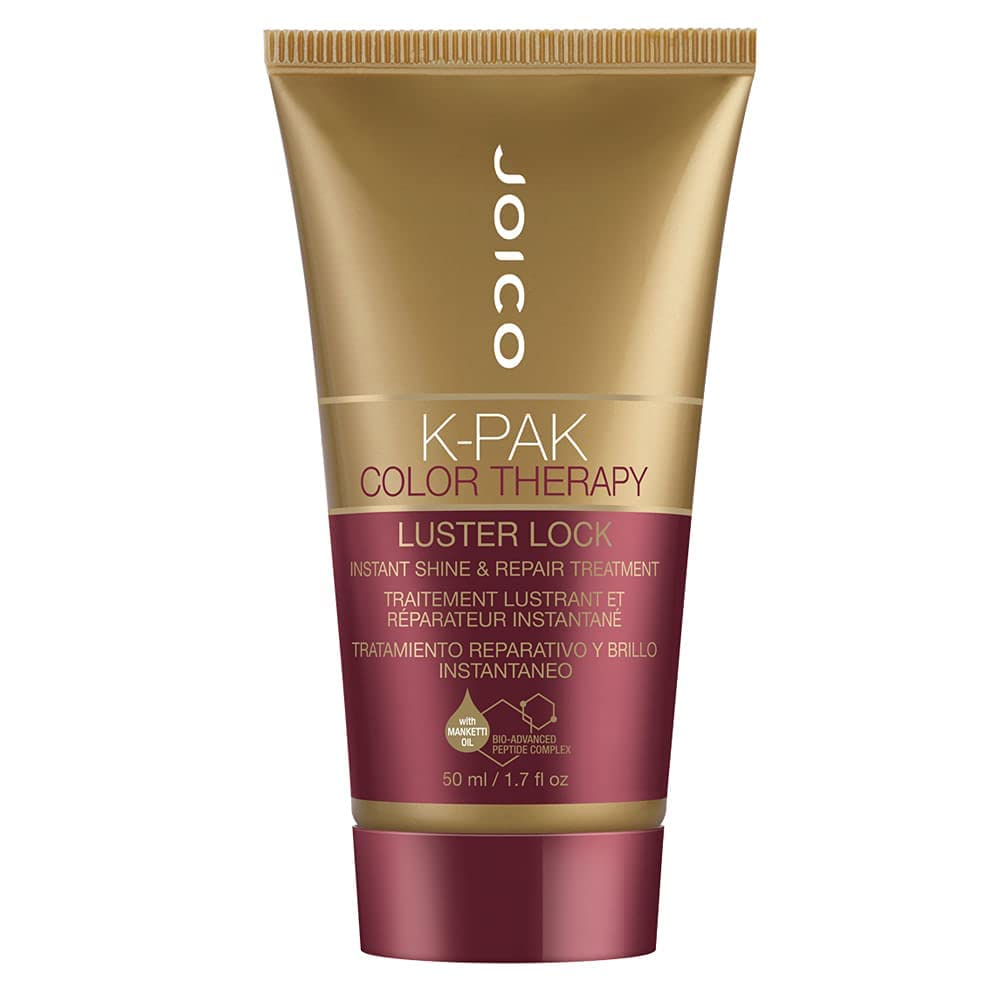

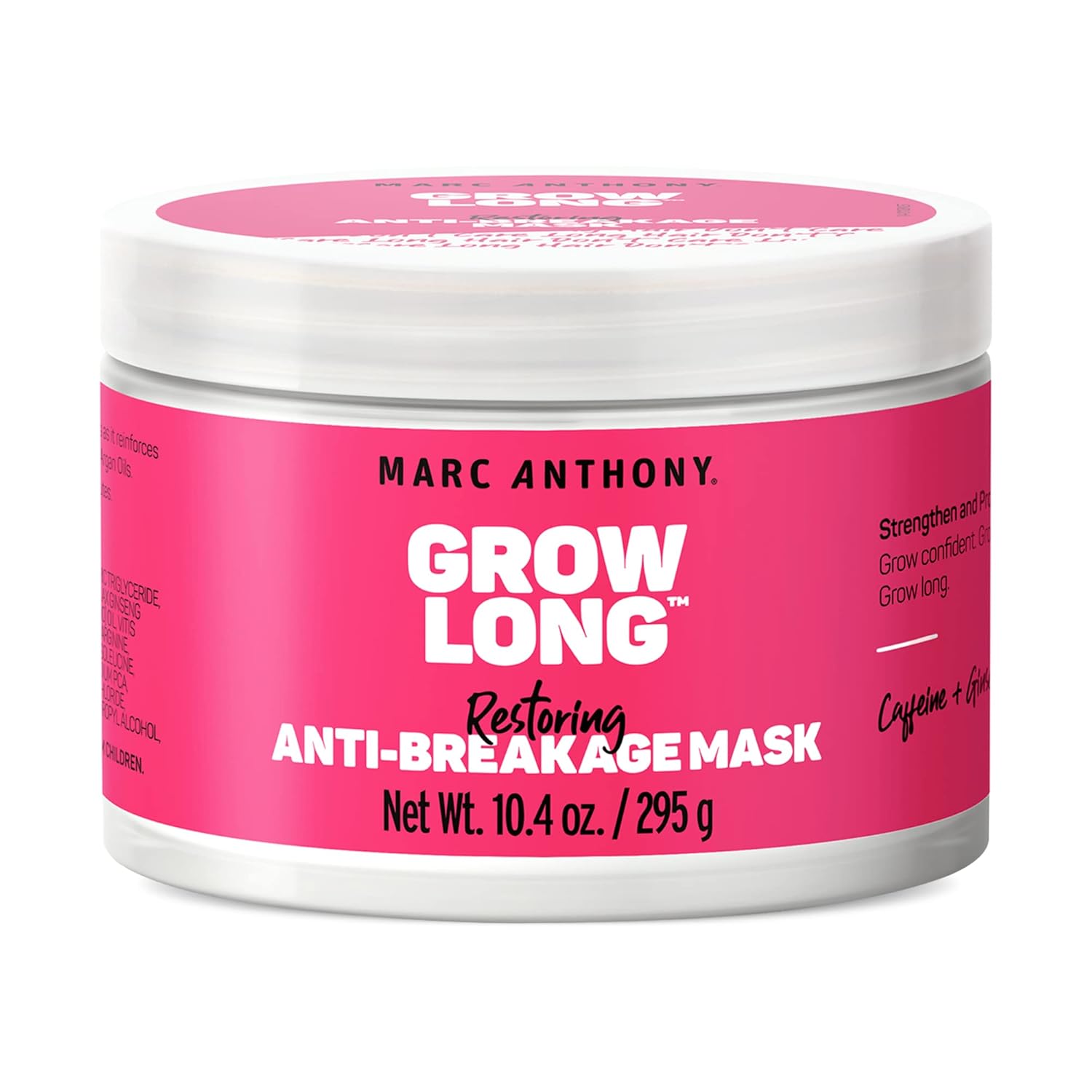


Thank God It's Natural
See current price
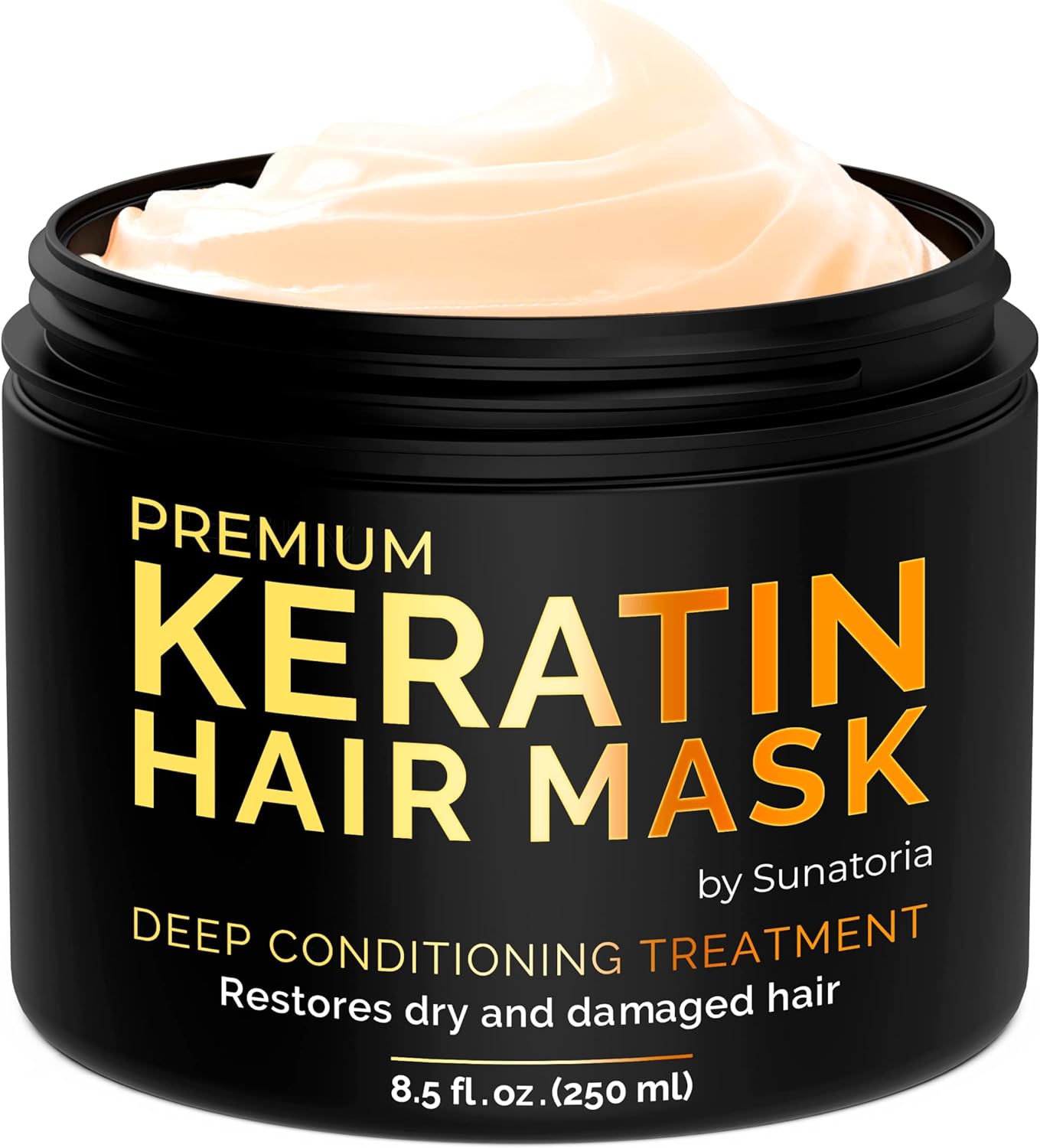


Hair masks are intensive treatments designed to complement a regular hair-care routine. Depending on the formula, a mask may help add moisture, improve softness, reduce the feel of dryness, smooth the hair surface, or support the appearance of damaged or color-treated hair.
The right choice depends on your hair’s condition, texture, porosity, and styling habits. Before choosing, compare the ingredients, intended use, application instructions, and whether the mask is designed for occasional treatment or more frequent conditioning.
Start with the main concern you want to address rather than choosing by packaging or scent alone. Hair masks commonly focus on one or more of these goals:
Consider how often you wash and style your hair, too. A mask that feels ideal as an occasional treatment may be too rich for frequent use, especially on fine or easily weighed-down hair.
There are several common ways to compare hair masks. Deep-conditioning masks focus on softness and manageability, while protein-focused treatments are generally chosen by shoppers seeking support for weakened-feeling hair. Smoothing masks may be preferred for frizz-prone hair, and nourishing formulas are often considered for coarse, dry, or textured hair.
Some products are made for a specific hair type, while others are positioned as multipurpose treatments. Read the product description carefully to see whether the formula is intended for the scalp, lengths, ends, or hair overall. Many masks are applied mainly from the mid-lengths to the ends, where dryness and damage can be more noticeable.
For other parts of a routine, compare Shampoo & Conditioner and Styling Products alongside hair masks. This can help you choose products that match your cleansing, conditioning, and styling needs.
Ingredient lists can help distinguish one mask from another, but the best option depends on how your hair responds. Compare the following details:
Also check whether the directions call for a short application, extended processing time, or heat. Follow the label instructions and avoid applying a product in a way that is not recommended.
The Hair Masks catalog includes products from Garnier, SheaMoisture, Fanola, Redken, NOVEX, Joico, KERASTASE, It's a 10, It's a 10 Haircare, L'Oreal Paris, BELLISSO, and L'OREAL PROFESSIONNEL PARIS. Comparing products across these brands can help you review differences in stated hair concerns, ingredients, texture, directions, and packaging.
If you use heat frequently, you may also want to compare Styling Tools & Appliances and select a routine that fits your styling habits. Hair Accessories can be useful when sectioning hair or keeping treated lengths organized during application.
Apply the product exactly as directed, paying attention to whether the instructions specify wet, towel-dried, or dry hair. Use enough to coat the intended areas without assuming that more product will produce better results. Thorough rinsing is especially important with rich formulas.
When trying a new mask, consider using it on a small section first if you are uncertain how your hair will respond. Keep the container closed between uses, store it as directed, and avoid sharing products that are applied directly to the hair or scalp.
The suitable frequency depends on the formula, your hair’s condition, and how often you wash it. Follow the product directions and adjust if your hair feels coated, stiff, or weighed down.
Some masks can serve as a more intensive conditioning step, but they are not all intended for every wash. Check the label to see whether the product is designed to replace or supplement regular conditioner.
Many masks are intended for the lengths and ends rather than the scalp. Follow the product directions, particularly if your scalp is oily, sensitive, or prone to buildup.
Yes, many formulas are designed for curly, coily, or textured hair. Compare the stated hair type, richness, ingredients, and rinse instructions to find a suitable match.
Some are specifically labeled for color-treated hair. Compare the product’s stated purpose and directions, and choose a formula that aligns with your color-care routine.