

Home Theater Systems for Immersive TV Audio
Compare home theater systems by sound configuration, connectivity, room size, and ease of setup. Review the specifications that matter before choosing a system for movies, shows, music, and gaming.
63 products in catalog
63 results
Filters
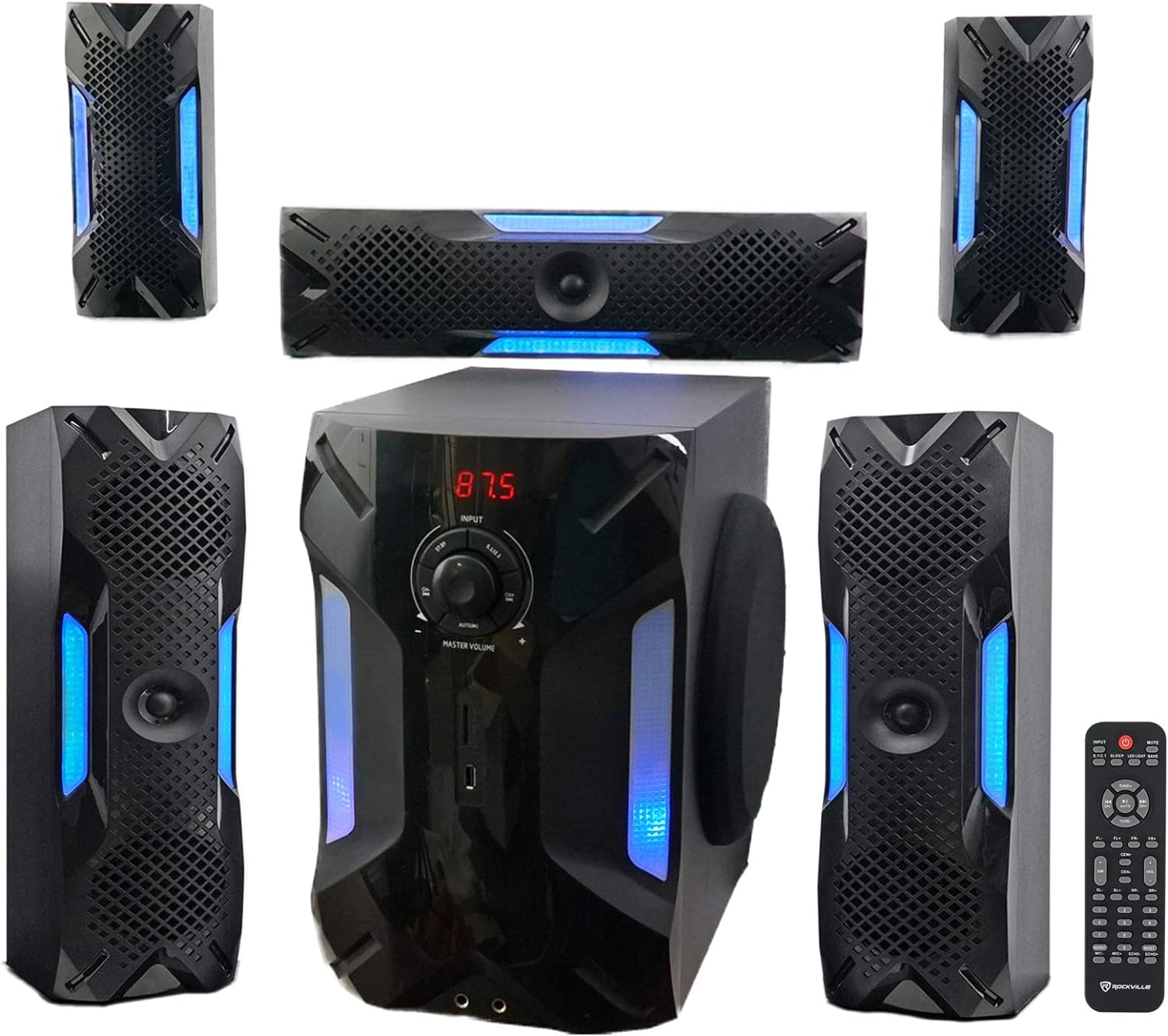
Rockville
Rockville HTS56 1000w 5.1 Channel Home Theater System/Bluetooth/USB+8" Subwoofer, Black
See current price


Yamaha Audio
Yamaha Audio YHT-4950U 4K Ultra HD 5.1-Channel Home Theater System with Bluetooth, black
See current price


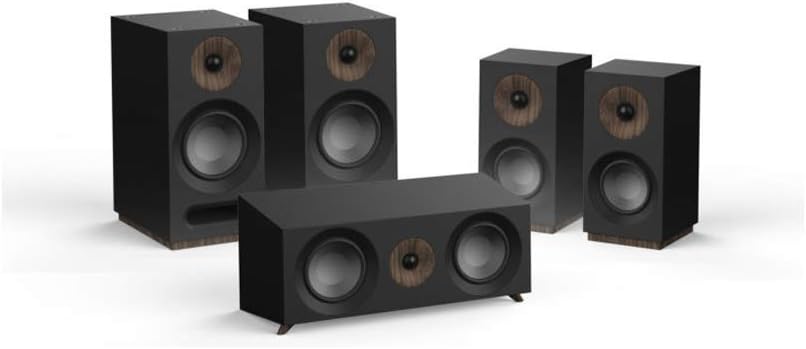

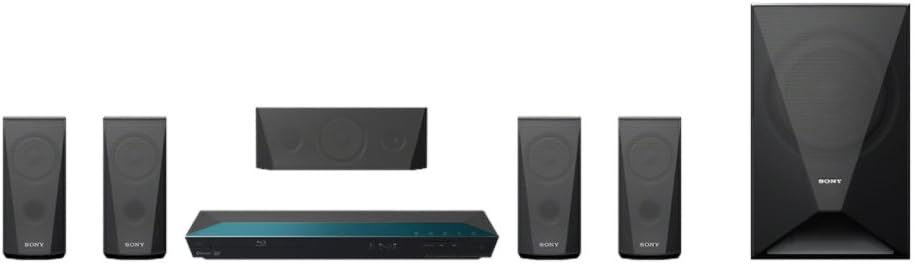


Panasonic
Panasonic Home Theater System SC-XH105 (Black) 5.1 Surround Sound, Upconvert DVDs to 1080p Detail
See current price


Theater Solutions by Goldwood
Theater Solutions by Goldwood Bluetooth 2.1 Speaker System 2.1-Channel Home Theater Speaker System, Black (TS212)
See current price


Popular brands in Home Theater Systems
A home theater system can make television sound more spacious, detailed, and engaging than built-in TV speakers. The right setup depends on your room, listening preferences, available connections, and how much installation or adjustment you want to handle.
Use this catalog to compare specifications and features across home theater options, then check the linked product details to find a setup that fits your equipment and everyday viewing habits.
How to choose a home theater system
Start by considering the room where the system will be used. A compact living room may benefit from a simple system with fewer separate components, while a larger space can make better use of dedicated front, center, surround, and bass channels. Speaker placement also matters: a system that requires rear speakers needs suitable floor, shelf, or wall space.
Think about how you watch and listen. Movie fans may prioritize surround processing and a strong center channel for dialogue. Music listeners may want balanced stereo performance and flexible speaker placement. Gamers should check for compatible audio formats, low-latency connections, and enough inputs for a television and gaming hardware.
Main types of home theater systems
Soundbar-based systems
These combine a long speaker enclosure with a television-friendly design and may include a separate subwoofer or wireless surround speakers. They suit shoppers who want a cleaner installation and a noticeable audio upgrade without managing many individual speakers.
Compact all-in-one systems
All-in-one packages typically pair a central receiver or media unit with matching speakers. They can simplify component matching and are useful for shoppers who want a coordinated setup in one package. Check what is included, since some systems may require additional cables, stands, or compatible equipment.
Receiver-and-speaker systems
A receiver-based setup offers more control over speaker selection, audio processing, and connected sources. This type is a good fit for dedicated media rooms or shoppers who expect to expand or replace components over time. It may require more setup and careful attention to compatibility.
Key specifications and features to compare
- Speaker configuration: Confirm which speakers are included and whether the system supports the surround arrangement you want.
- Subwoofer design: A wired or wireless subwoofer can add low-frequency impact, but placement and available power outlets may affect convenience.
- Audio formats: Check support for the formats used by your television, streaming devices, game consoles, and disc players.
- Connections: Look for the required HDMI, optical, analog, Bluetooth, Wi-Fi, or other inputs. Make sure there are enough connections for current and planned devices.
- TV compatibility: Verify that the system works with your TV’s audio output and control features. Compatibility with ARC or eARC can help simplify connections when supported by both devices.
- Wireless features: Wireless rear speakers or Bluetooth can reduce cable runs, but they still need power and may depend on the wireless environment.
- Dialogue and sound modes: Voice enhancement, night mode, and adjustable equalization can be useful for different programs and listening situations.
- Setup controls: Automatic room calibration, included remotes, on-screen menus, and app support can make configuration easier.
For the display itself, compare available Televisions alongside the audio system. Shoppers building a broader setup may also want to browse Accessories for cables, mounts, stands, and related equipment.
Brands represented in the catalog
The catalog includes home theater products from Sony, Panasonic, Onkyo, Samsung, Polk Audio, Bose, RCA, Bobtot, Yamaha Audio, Sound Around, VIZIO, and Klipsch. These brands cover a range of system styles, from compact TV-oriented solutions to more traditional receiver and speaker arrangements. Compare the specifications of individual products rather than choosing by brand name alone.
Matching a system to your equipment
Before choosing, list every source you plan to connect, such as a TV, game console, streaming device, or disc player. A Streaming Media Players comparison can help when streaming is central to the setup, while Blu-ray Players & Recorders and DVD Players & Recorders may be relevant for physical media collections.
Check cable types, input availability, audio return support, and remote-control requirements. If an older television or source uses a less common connection, confirm that the home theater system can accept it directly or that a suitable adapter is available. Also review speaker dimensions and power requirements before planning placement.
Frequently asked questions
Do home theater systems work with any television?
Many systems can connect to modern televisions, but compatibility depends on available audio outputs, HDMI features, and supported formats. Compare the connections on both devices before buying.
Is a soundbar or a multi-speaker system better?
A soundbar is usually simpler and takes less space. A multi-speaker system can create more distinct separation and surround effects, but it generally requires more placement and setup.
Do I need a separate receiver?
Not always. Some systems include the required processing and amplification, while receiver-based packages use a separate component for greater flexibility and control.
Where should the subwoofer be placed?
Place it where it can connect conveniently and does not block walkways or ventilation. Bass response varies by room, so modest repositioning may improve the listening experience.
Can a home theater system connect to a streaming device?
Usually, if the system has a compatible input or can receive audio through the television. Check connection types and audio-format support for each device in the setup.