
Kaytee
Kaytee All Natural Timothy Hay for Guinea Pigs, Rabbits & Other Small Animals, 12 Pound
See current price

Compare food for rabbits, guinea pigs, hamsters, and other small animals by species, ingredients, format, and feeding routine. Review product details to find options that fit your pet’s needs.
228 products in catalog
228 results
Kaytee
See current price

Oxbow Animal Health LLC
See current price
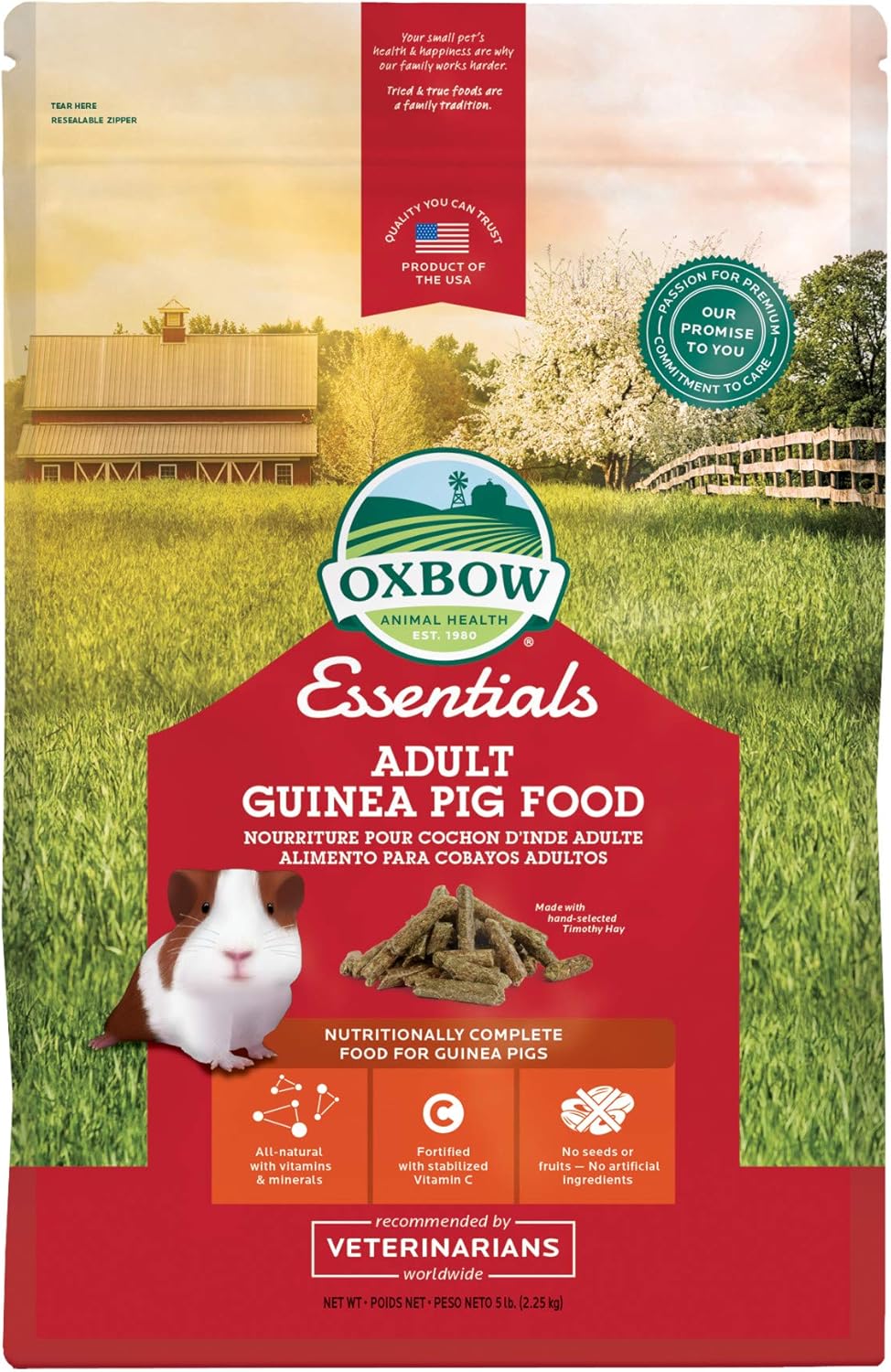
Oxbow
See current price


Central Garden & Pet
See current price


Oxbow Animal Health LLC
See current price
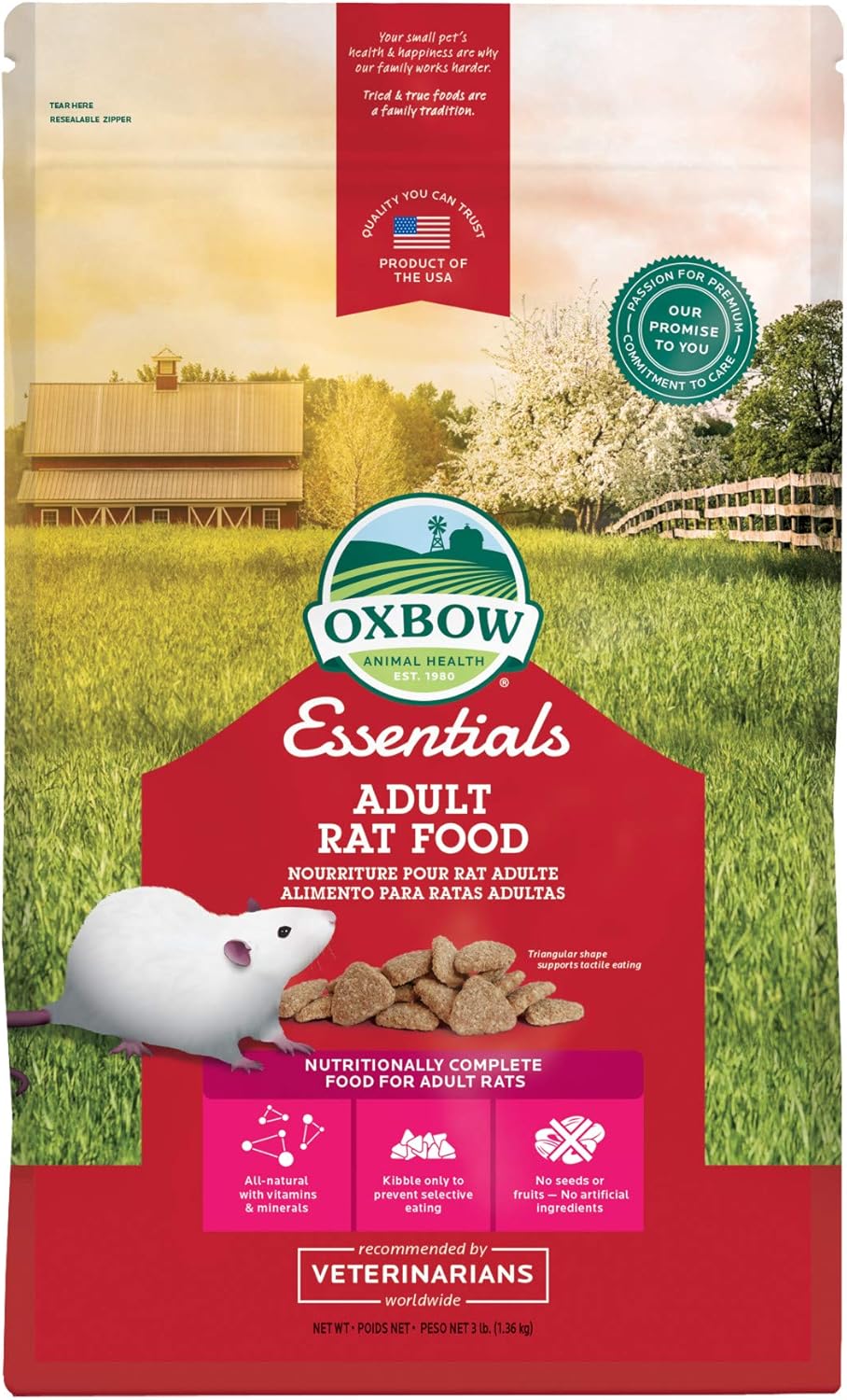

Vitakraft
See current price


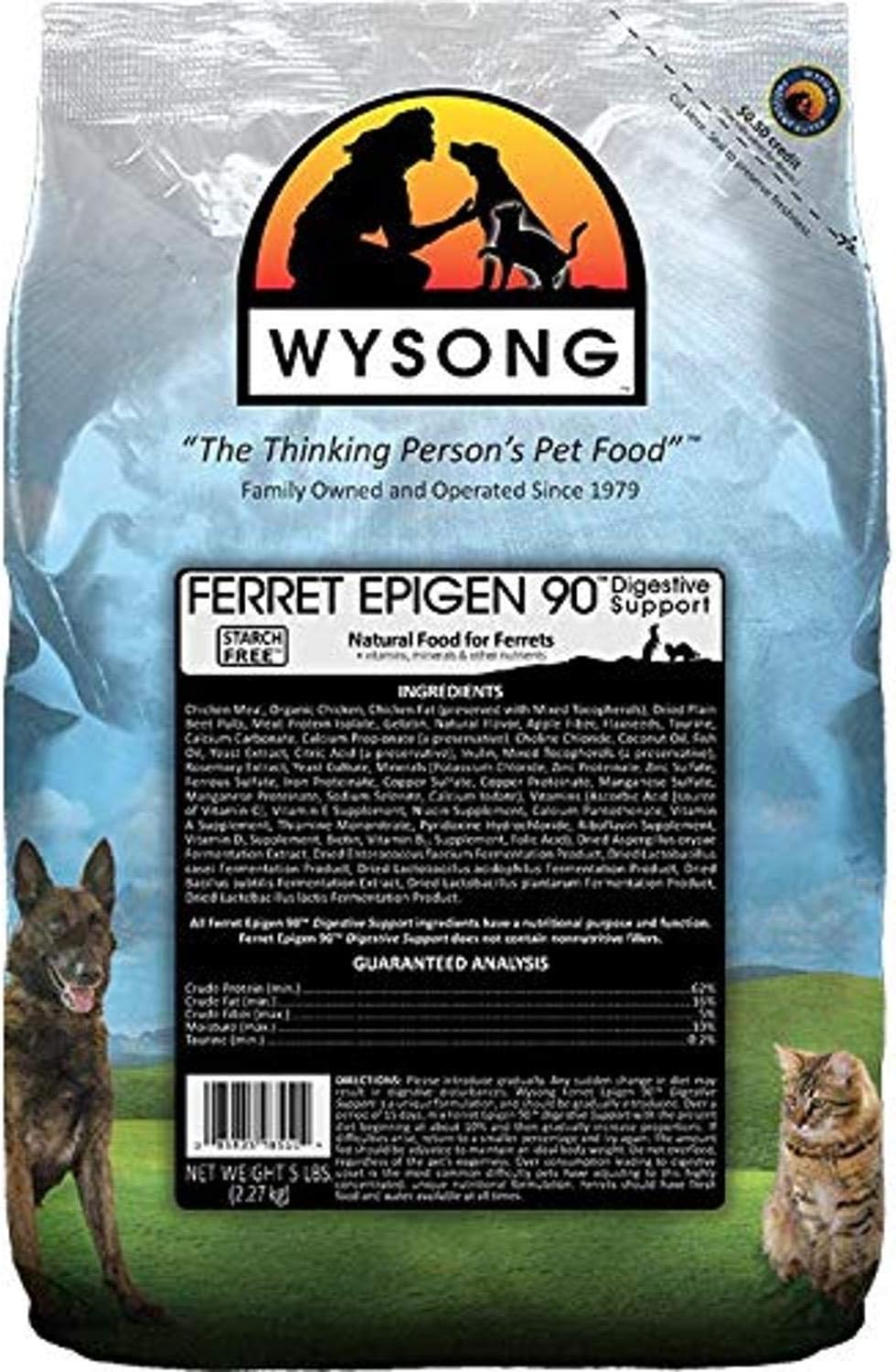
Wysong Corporation
See current price


Oxbow Animal Health LLC
See current price

Kaytee
See current price


Oxbow Animal Health LLC
See current price

Central Garden & Pet
See current price


Choosing food for a small animal starts with identifying the species and its normal diet. Rabbits and guinea pigs, for example, have different nutritional priorities from hamsters, gerbils, or other small pets, so a product labeled for one animal should not automatically be used for another.
This K-Catalog selection makes it easier to compare ingredients, food formats, package information, and feeding guidance across products listed for small animals. Always check the product label and follow advice from a qualified veterinarian when your pet has specific dietary needs.
Begin with the intended animal and life stage listed on the packaging. Some foods are designed for general daily feeding, while others may be formulated for young, adult, senior, or otherwise specific animals. Confirm that the product is suitable for your pet before comparing secondary features.
Pay attention to the role the food is meant to play:
If you are building a complete setup, browse related Feeding & Watering Supplies for bowls, bottles, and other serving equipment. Treats are a separate category and should be considered as occasional additions rather than a substitute for the regular diet.
Pellets and nuggets can offer a consistent portion and ingredient blend, while loose mixes may provide more variety in texture and appearance. Hay may be sold in different cuts or presentations, and food designed for small animals can differ substantially in fiber, protein, fat, added vitamins, and other nutrients.
When comparing products, look for:
Ingredients are only one part of the decision. A food that looks appealing may not match your animal’s normal dietary requirements, so compare the label with guidance from an exotic-animal veterinarian when in doubt.
Consider how your pet eats and how food will be stored in the home. A dry product may be convenient for measured daily portions, while loose ingredients can require more careful storage to help protect them from moisture and pests. Check whether the packaging can be resealed or whether the contents should be transferred to a clean, airtight container.
Introduce dietary changes gradually when possible. Sudden changes may be difficult for some animals, particularly if they are accustomed to one texture or ingredient profile. Monitor normal eating and drinking habits, and seek veterinary guidance if your pet stops eating or shows signs of illness.
Food is only one part of an appropriate environment. The right Houses & Habitats provide space and shelter, while Toys can add enrichment. For animals that use them safely, Exercise Wheels may support activity, provided the design and size are appropriate.
The catalog includes products from Oxbow, Small Pet Select, Vitakraft, Kaytee, Tropical Carnival, Oxbow Animal Health LLC, Central Garden & Pet, Supreme Petfoods, Marshall Pet Products, Higgins, Exotic Nutrition, and Sun Seed. Brand availability can vary by product and animal type, so compare the individual listing details rather than relying on the brand name alone.
Read the complete label before choosing a food, including the intended species, feeding instructions, ingredients, and guaranteed analysis. Avoid selecting solely by package appearance or by assuming that a product for one small animal is suitable for another.
Store food according to the label and keep it in a cool, dry place. Check the packaging for freshness information, inspect the contents for unusual odor or moisture, and keep food away from household chemicals and other contamination sources. Clean feeding equipment regularly, and provide fresh water using equipment appropriate for your pet’s enclosure.
Start with the species and life stage. Then compare whether the product is a complete diet, hay, mix, supplemental food, or treat, along with its ingredients and feeding directions.
No. Small animals have different dietary needs, so check that the product specifically lists your pet or is approved by a qualified veterinarian for that species.
Neither format is automatically right for every pet. Compare the intended species, nutritional information, ingredient list, and feeding guidance before choosing.
Follow the package instructions and keep food dry, clean, and protected from pests. Resealable packaging or an airtight storage container can help maintain freshness.
Treats are generally supplemental and should not replace a species-appropriate staple diet. Review the product guidance and keep portions appropriate for your pet.
Use the catalog listings to compare available specifications and features, then check the current product information on Amazon before buying.