

Job Site Lighting for Work Areas and Projects
Compare job site lighting by power source, brightness, beam control, durability, and placement features. Find work lights suited to construction, repair, renovation, and maintenance tasks.
377 products in catalog
377 results
Filters

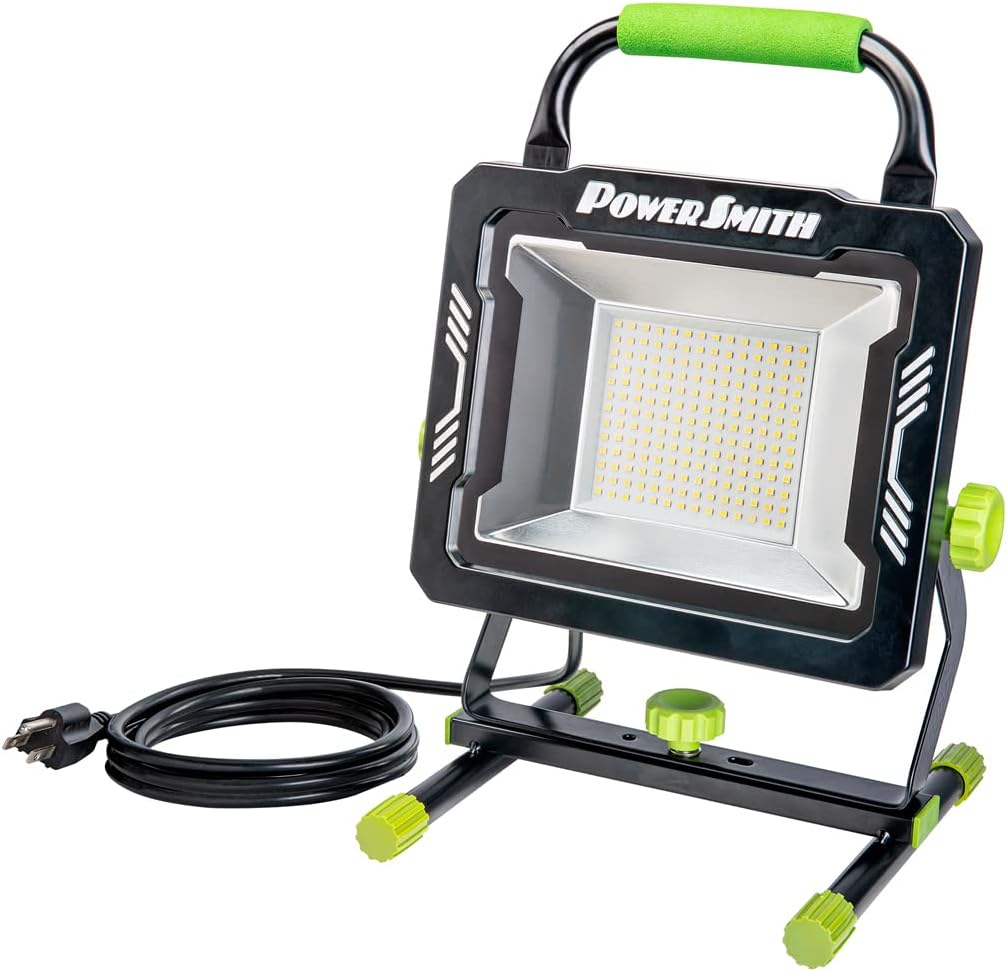
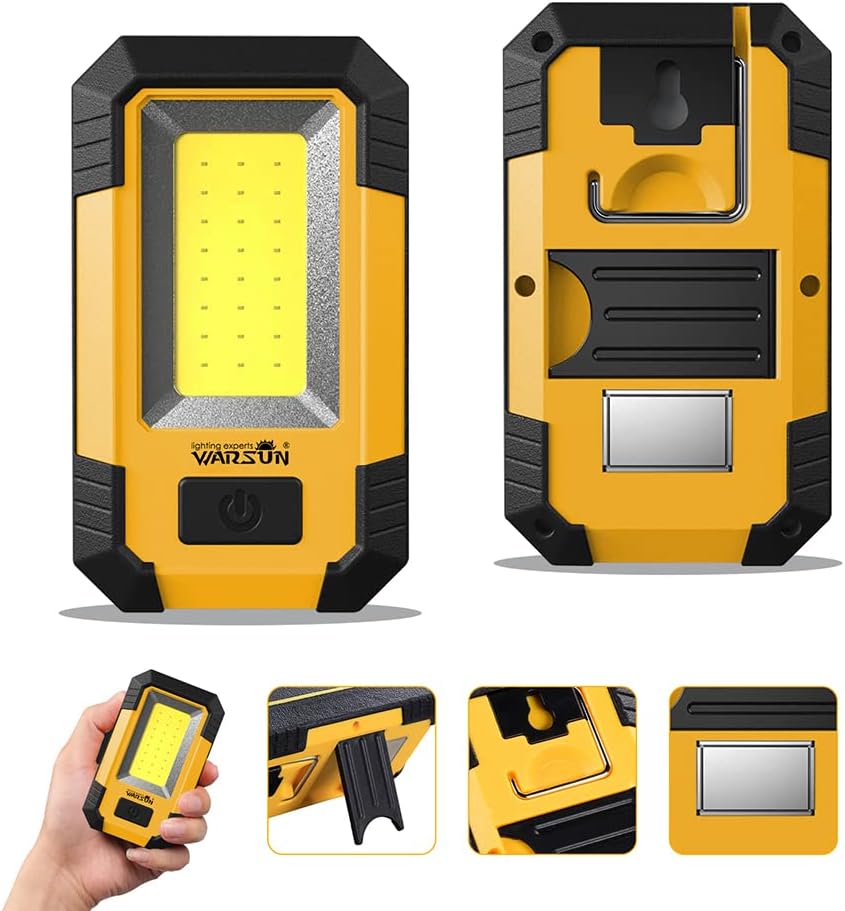


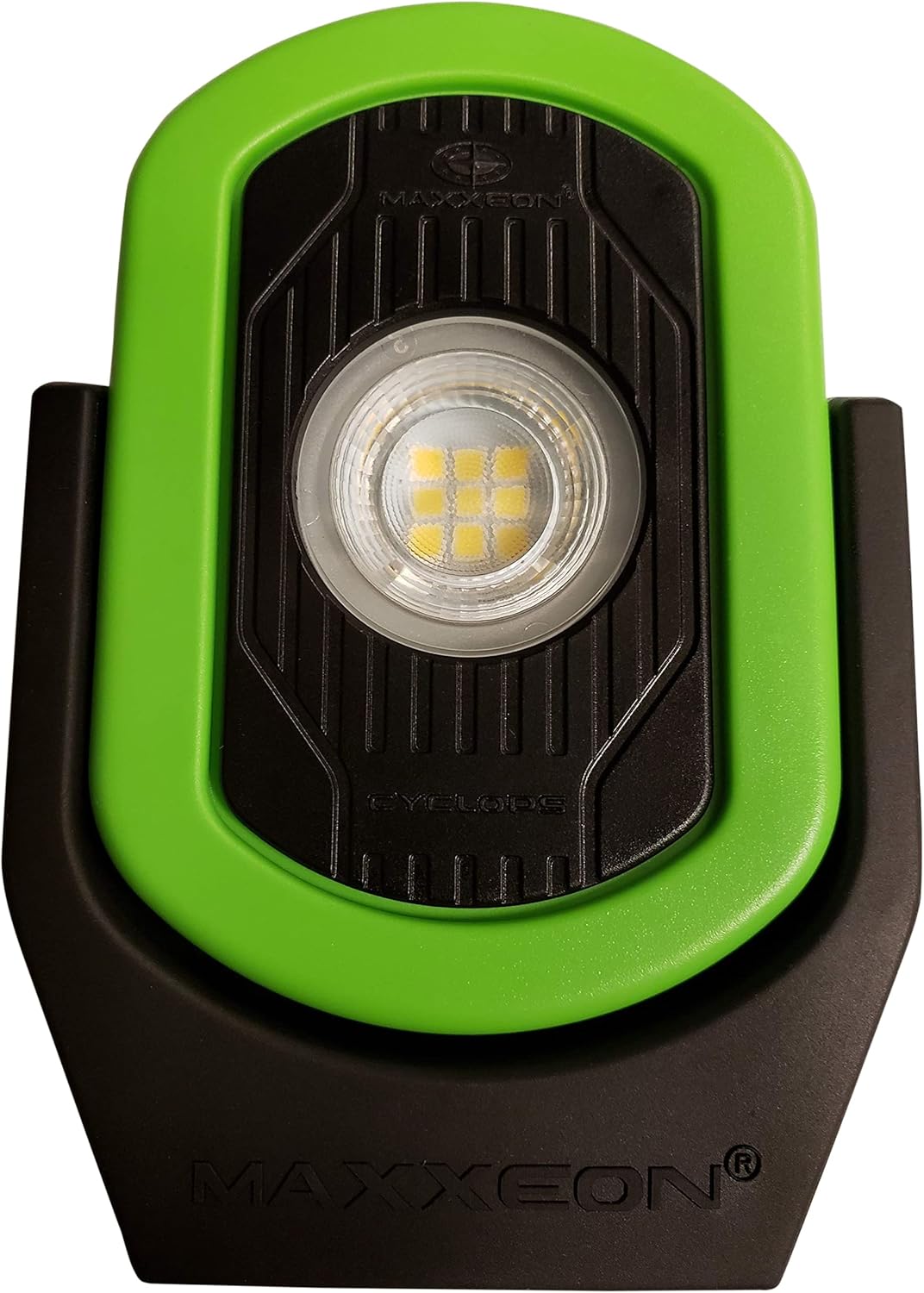
Maxxeon
Maxxeon MXN00811, HiVis Green, 720 Lumens, USB-C Rechargeable LED Cyclops Workstar Work Light
See current price


Popular brands in Job Site Lighting
Job site lighting helps illuminate work areas where household lighting is unavailable, insufficient, or difficult to position. The right light can improve visibility for detailed tasks, help define a larger work zone, or provide dependable illumination during an outage or temporary project.
K-Catalog makes it easier to compare specifications and features across job site work lights. Consider how the light will be powered, where it will be placed, how far it needs to reach, and whether it must withstand dust, moisture, drops, or frequent transport.
How to choose job site lighting
Start with the work environment and the type of illumination required. A compact light may be more practical for inspections, repairs, and work inside cabinets or vehicles, while a larger area light can spread illumination across a room, garage, or outdoor work zone.
Consider these questions before comparing individual products:
- What area needs lighting? Choose focused illumination for close-up work or broader coverage for general visibility.
- How will the light be positioned? Look for handles, stands, hooks, magnets, clamps, or adjustable heads when hands-free use matters.
- Is power available? Corded, rechargeable, and battery-powered designs suit different job site conditions.
- How often will it move? A lighter design may be easier to carry, while a more robust housing may be preferable for demanding environments.
For projects involving elevated work areas, lighting should also be considered alongside equipment such as Ladders and Scaffolding & Accessories, particularly when the light needs to be mounted or positioned safely.
Common types of job site lights
Job site lighting varies by coverage, portability, and placement method rather than by one universal format.
- Portable work lights: Useful for repairs, service calls, workshops, and temporary work areas. Handles and adjustable heads can make repositioning easier.
- Area lights: Designed to illuminate a broader space. These may be useful for renovation zones, garages, utility areas, and outdoor projects.
- Tripod or stand-mounted lights: A stand can raise the light above obstacles and provide wider coverage. Check the adjustment range and how securely the stand supports the fixture.
- Clamp, magnetic, or hook-mounted lights: These are practical when floor or hand placement is inconvenient. Confirm that the mounting method suits the available surface.
- Handheld inspection lights: Compact options can help with close-up visibility in tight spaces, under equipment, or inside vehicles.
Key specifications and features to compare
Brightness and beam pattern are central to choosing a work light. A higher light output may help illuminate a larger area, but beam spread and adjustability also affect how useful that output is. A focused beam can reach into a specific location, while a wide beam may reduce dark areas across a work zone.
Compare the power source and operating method carefully. Corded lights provide continuous operation where an outlet is available. Rechargeable and replaceable-battery lights offer more mobility but require attention to charging, battery compatibility, and expected runtime. If a product is part of a tool battery platform, verify that the required battery and charger arrangements match the equipment already available.
Other specifications worth checking include:
- Adjustable brightness levels or lighting modes
- Head rotation, tilt, or directional adjustment
- Charging method and battery indicators
- Cord length and plug design for corded models
- Handle shape and overall portability
- Housing materials and protection against job site conditions
- Stand height, base stability, or mounting compatibility
Durability and job site practicality
Construction and maintenance environments can expose lighting to dust, moisture, impacts, and repeated transport. Review any stated protection or impact-resistance information instead of assuming that every work light is intended for outdoor or harsh use. A light for occasional indoor repairs may have different priorities from one carried between active work areas.
Think about storage and transport as well. Foldable stands, protected lenses, carry handles, and compact housings can make equipment easier to organize. For broader project planning, related Material Handling equipment may also affect where lights can be placed and how work areas are arranged.
Never position a light where its cord, stand, or housing creates a trip hazard. Keep ventilation openings clear, follow the manufacturer’s electrical guidance, and use outdoor-rated equipment only in conditions allowed by its instructions.
Brands represented in the catalog
The job site lighting catalog includes products from Bayco, Dewalt, Woods, PowerSmith, Milwaukee, OTYTY, Streamlight, DAILYLIFE, Coquimbo, RYOBI, Maxxeon, and Makita. These brands may offer different approaches to portability, mounting, power systems, and work-area coverage, so compare the specifications of each individual product rather than choosing by brand name alone.
Lighting can be part of a larger construction or renovation setup. Browse Building Materials when planning materials for a project, or compare HVAC equipment when lighting is being selected for mechanical or utility work areas.
Frequently asked questions
What is the best type of job site light for a large work area?
Area lights or stand-mounted lights are often suitable when broad illumination is needed. Compare beam coverage, height adjustment, brightness controls, and base stability for the specific space.
Are rechargeable work lights better than corded lights?
Neither is universally better. Rechargeable lights provide mobility where outlets are unavailable, while corded models can be convenient for extended use near a suitable power source.
What should I look for in an outdoor job site light?
Check the product’s stated weather or moisture protection, impact resistance, power method, and operating instructions. Do not assume a light is suitable for outdoor exposure without clear specifications.
How should a job site light be positioned?
Place it to reduce shadows and glare while keeping cords, stands, and mounting hardware out of walkways. Adjustable heads or elevated mounting can help direct light where it is needed.
Does a brighter light always provide better visibility?
Not necessarily. Beam spread, color characteristics, placement, and glare all affect visibility. Compare brightness with the intended work distance and coverage area.