

Small Appliance Parts & Accessories
Compare replacement parts and useful accessories for kitchen countertop appliances. Check compatibility, dimensions, materials, and care requirements before choosing an item for your setup.
3,995 products in catalog
3,995 results
Filters


Possiave
Charcoal Water Filters Replacements Fits Keurig 2.0 Models by Possiave, Pack of 24
See current price


Aeropress
AeroPress Replacement Filter Pack - Microfilters For AeroPress Coffee And Espresso Maker - 350 count
See current price


Everyday
Everyday KWF-12 Charcoal Water Filters for Keurig Coffee Machines, 12 Count (Pack of 1), White
See current price


Instant Pot
Instant Pot Official Silicone Accessory, Compatible with 3-quart, 6-quart & 8-quart cookers, Red
See current price


Rupert and Jeoffrey's Trading Co.
8-12 Cup Basket Coffee Filters (Natural Unbleached, 1000)
See current price
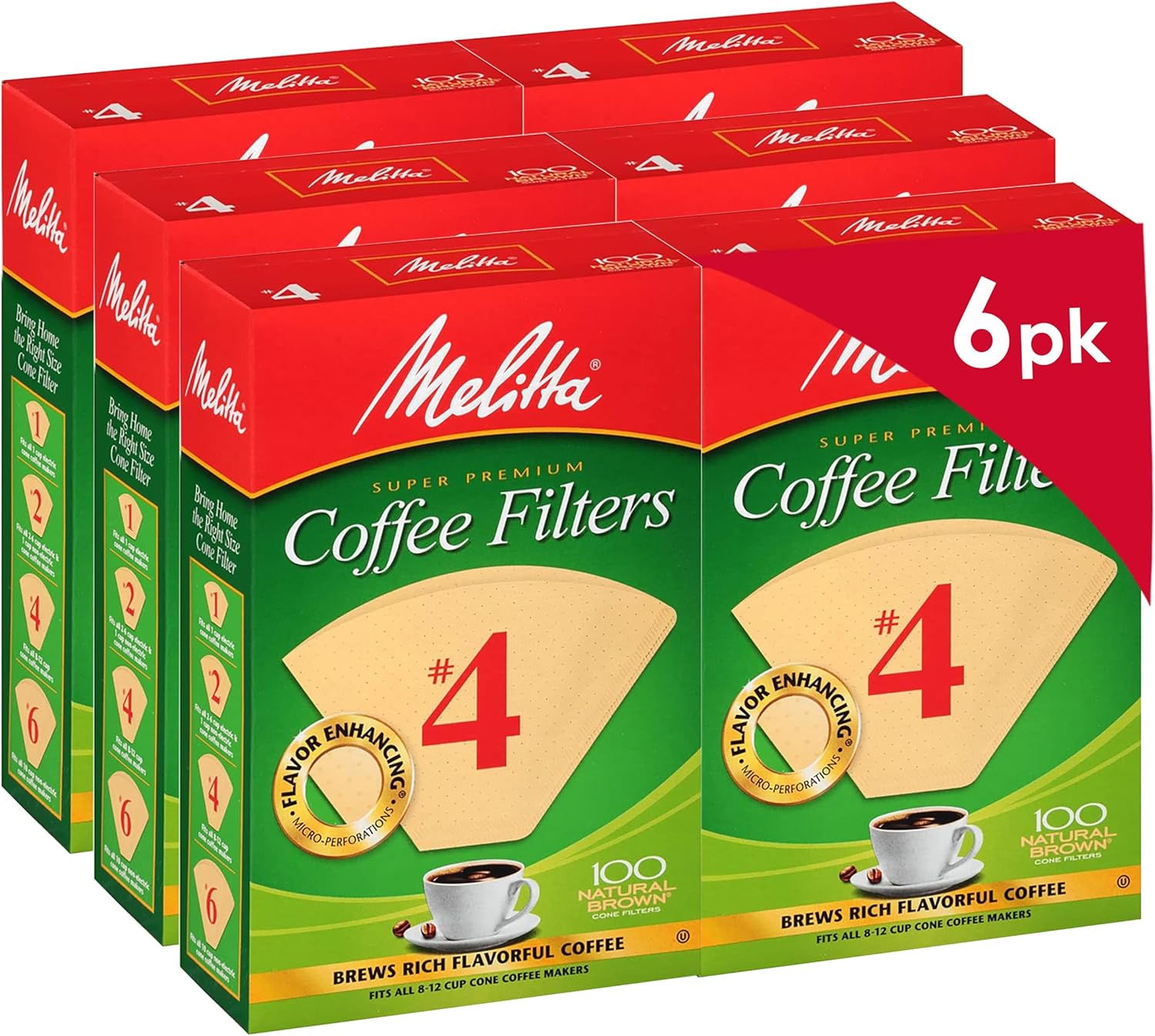
Melitta
Melitta #4 Cone Coffee Filters, Natural Brown, 100 Count (Pack of 6) 600 Total Filters
See current price

Popular brands in Small Appliance Parts & Accessories
Small appliance parts and accessories can help maintain, customize, or extend the usefulness of countertop kitchen equipment. This category includes components for appliances such as coffee makers, blenders, mixers, pressure cookers, food processors, and other everyday kitchen devices.
The most important consideration is fit. A part that looks similar may not work with your appliance, so compare the listed compatibility details, measurements, connection points, and product images with the component you are replacing.
How to choose the right part
Start by identifying the appliance brand and exact model information. Product names can be similar across a manufacturer’s lineup, while small differences in capacity, design, or attachment style may affect compatibility.
Before selecting a replacement, compare:
- The appliance brand and model or series listed by the seller
- Dimensions, shape, and attachment points
- Electrical specifications when the part connects to power
- Materials and whether the component contacts food or beverages
- Included pieces, such as seals, lids, blades, filters, or mounting hardware
- Cleaning instructions and whether the part is dishwasher safe
If model information is unavailable, measure the original part carefully and compare photos from several angles. For safety-related or electrical components, use the manufacturer’s documentation where possible rather than relying only on appearance.
Common types of parts and accessories
This category covers a wide range of replacement and add-on components. Common examples include blender jars and lids, mixer attachments, food processor bowls, coffee filters, carafes, water filters, sealing rings, gaskets, replacement blades, measuring cups, and storage covers.
Some accessories are designed to improve convenience, such as extra containers for meal preparation or replacement filter baskets for brewing equipment. Others replace wear-prone components that can become stained, cracked, dull, stretched, or difficult to seal over time.
For an overview of complete countertop appliances that may require these components, browse Small Appliances. Shoppers looking for non-replacement tools may also want to compare Kitchen Utensils & Gadgets or Bakeware.
Features and specifications to compare
Compatibility should come first. Look for explicit model references and carefully read exclusions. A universal accessory may work across multiple appliances, but “universal” does not guarantee a fit for every design.
Construction matters for parts exposed to heat, moisture, pressure, friction, or repeated washing. Consider whether the material is suited to the appliance’s intended use and whether it may absorb odors, stain, or become brittle with age.
Capacity and dimensions are especially important for bowls, jars, carafes, containers, and replacement trays. A part may attach correctly but still be unsuitable if its capacity differs from the original.
Maintenance requirements can affect convenience. Check whether the item separates into multiple pieces, requires hand washing, or includes small components that need careful cleaning. For coffee and beverage equipment, also consider whether the part is intended for filtering, brewing, storage, or serving.
Brands represented in the catalog
The catalog includes parts and accessories associated with brands such as KitchenAid, Cuisinart, Melitta, Blendin, Presto, Univen, HOMEST, Keurig, GE, PERFECT POD, GoldTone, and GJS Gourmet. These names appear across different types of replacement components and accessories; compatibility still needs to be confirmed for the specific appliance and part.
When comparing products from different brands, focus on the specifications rather than the brand name alone. A clearly stated model fit, accurate dimensions, suitable materials, and practical care instructions are more useful for determining whether a component matches your needs.
Installation, care, and safety tips
Keep the original part until the replacement has been checked against it. This makes it easier to compare seals, tabs, threads, blades, and other connection points. Do not force a component into place; resistance may indicate an incorrect model or an improperly aligned part.
Wash food-contact components before first use according to the product instructions. Inspect seals, cords, blades, and heat-exposed parts regularly, and replace components that show cracking, warping, fraying, corrosion, or other damage. Unplug an appliance before removing or installing parts, and allow heated components to cool fully.
For additional kitchen organization ideas, see Storage & Organization. Accessories used for serving or table settings may fit better within Dining & Entertaining, while fabric-based kitchen accessories can be found in Kitchen & Table Linens.
Frequently asked questions
How do I confirm that a replacement part will fit?
Match the appliance brand, model or series, dimensions, attachment points, and product images. If any detail is unclear, consult the appliance documentation before ordering.
Are universal appliance accessories compatible with every appliance?
No. Universal designs may fit multiple models but still have limits. Check the listed dimensions, connection style, capacity, and exclusions.
Should I replace a part with the same material as the original?
Not always, but the replacement should be suitable for its intended use, including contact with food, heat, moisture, pressure, or moving components. Review the material and care information carefully.
Can replacement parts be washed in a dishwasher?
Only when the product instructions say they are dishwasher safe. Some plastics, seals, blades, and coated components may require hand washing.
What should I do if the appliance model is missing?
Measure the original component, photograph its connection points, and compare those details with the listing information. For electrical or safety-critical parts, identify the model through the appliance label or manufacturer documentation first.