

Lenses for Cameras: Compare Types and Features
Compare camera lenses by mount, focal length, aperture, focusing system, and shooting style. This guide helps you narrow the options before checking product details on Amazon.
603 products in catalog
603 results
Filters
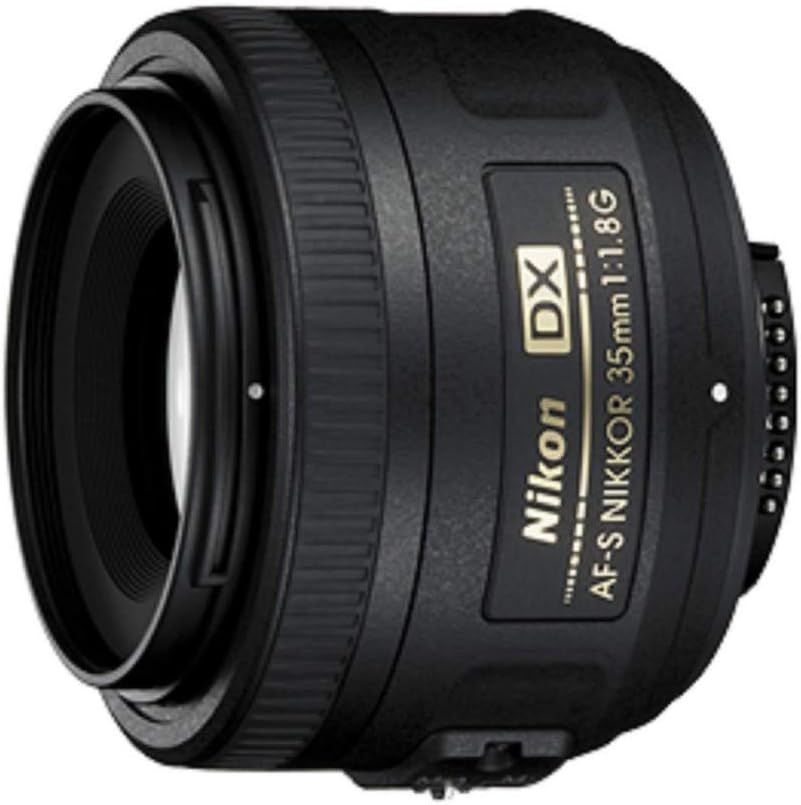


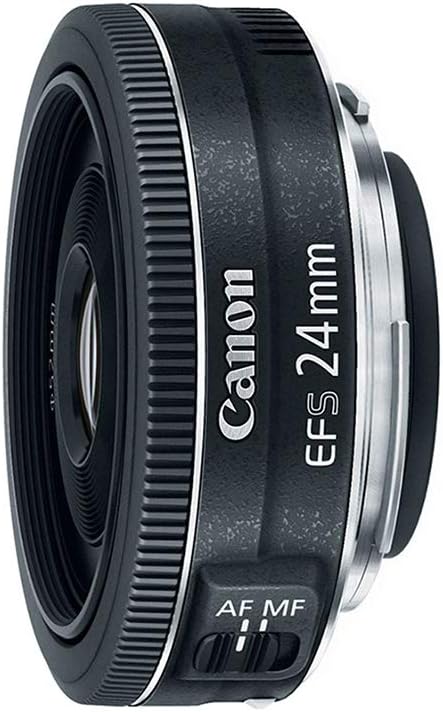
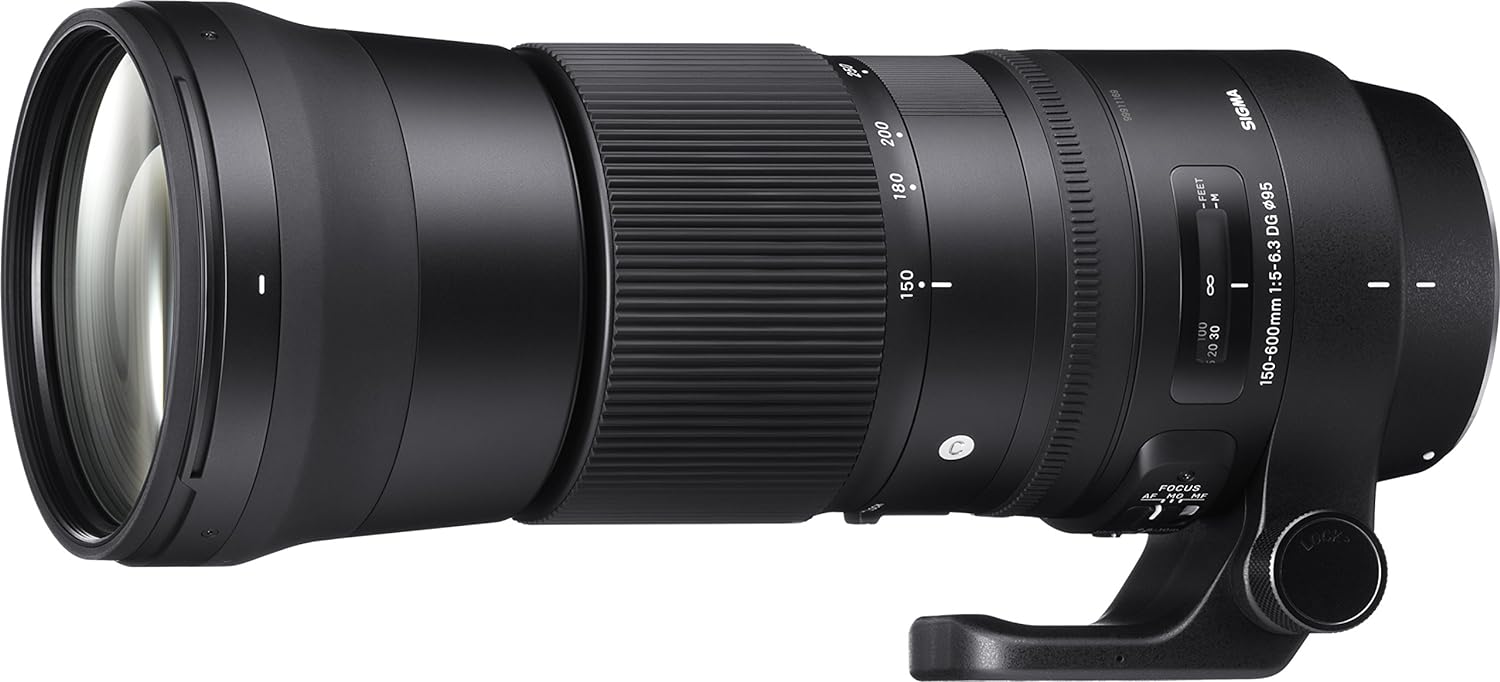
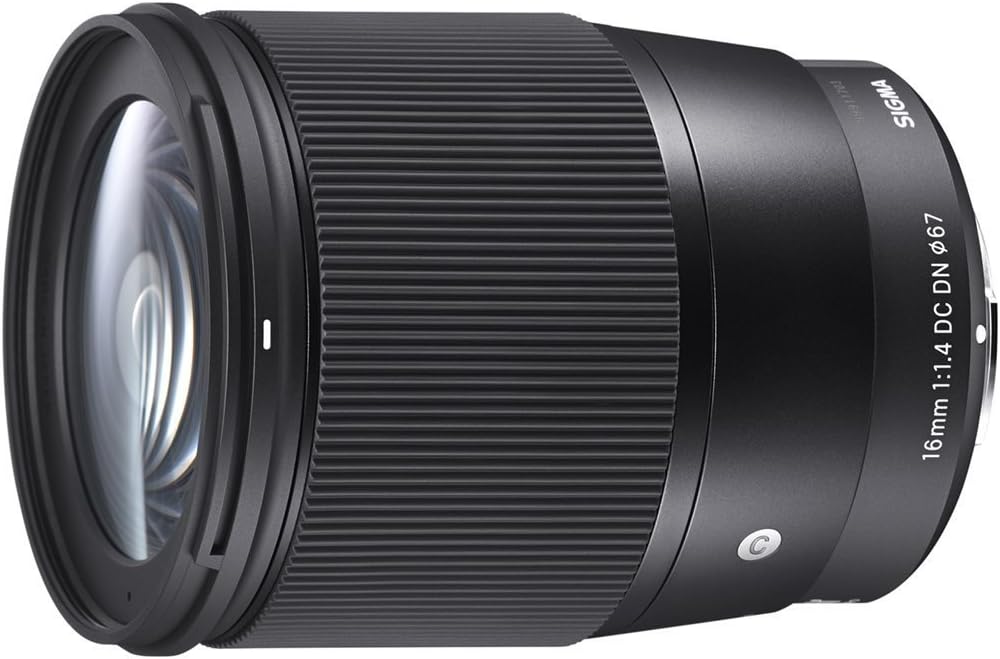


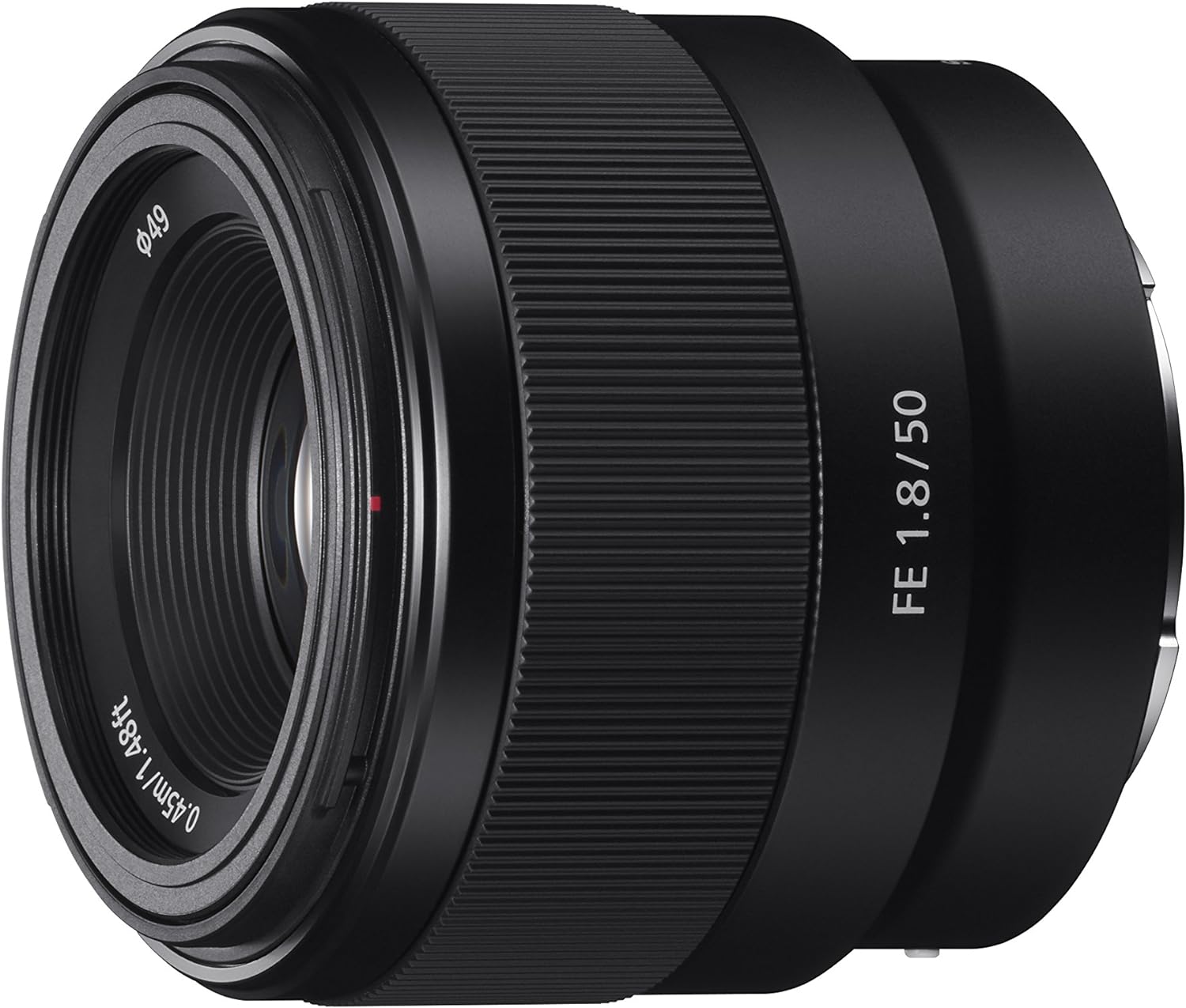


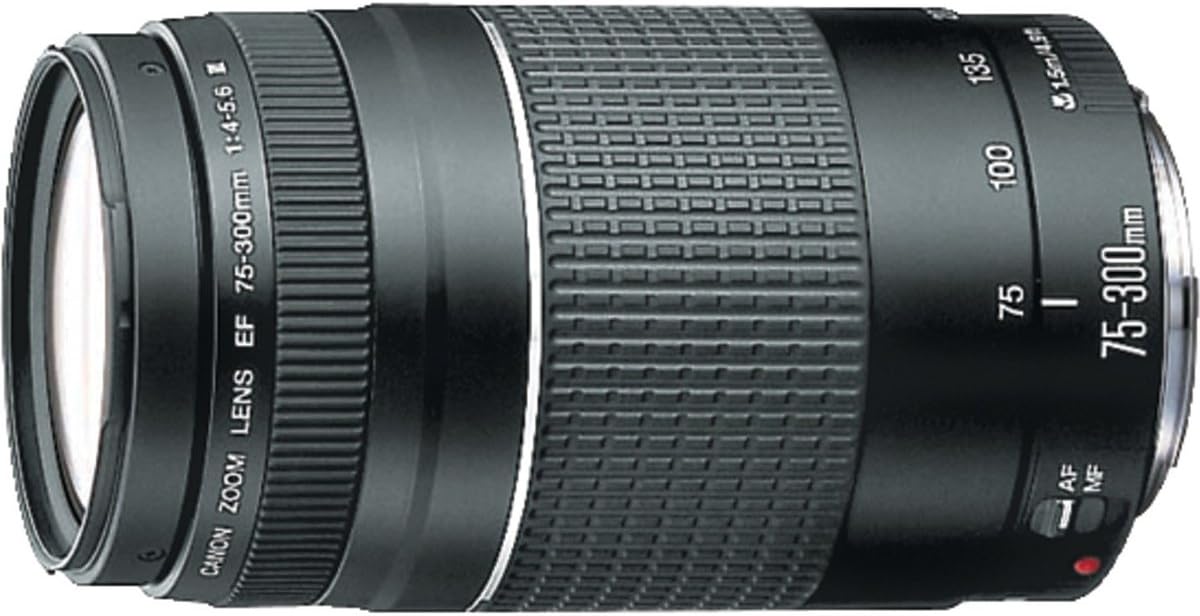


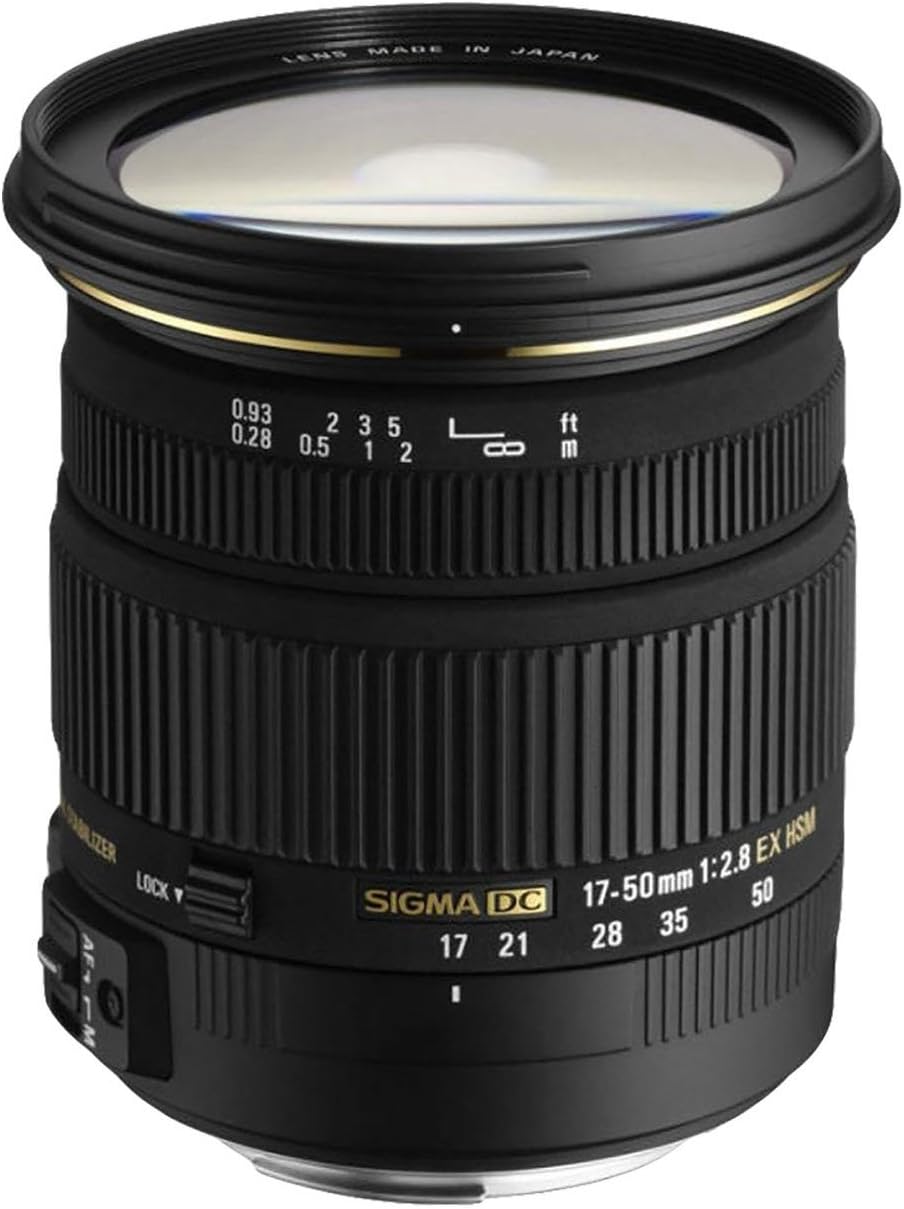
![Nikon 55-200mm f/4-5.6G ED IF AF-S DX VR [Vibration Reduction] Nikkor Zoom Lens Bulk packaging (White box, New)](https://m.media-amazon.com/images/I/71FcMEC7XGL._AC_SL1500_.jpg)
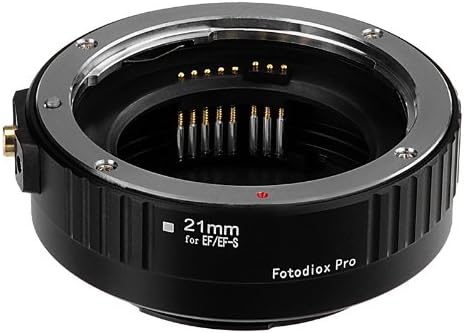
Popular brands in Lenses
A camera lens has a major effect on composition, brightness, background blur, and how close you can get to a subject. The right choice depends first on camera compatibility, then on the kinds of photos or video you plan to create.
K-Catalog brings together lens options from brands including Canon, Nikon, Sigma, Sony, Tamron, Olympus, Fujifilm, Rokinon, Neewer, YONGNUO, Tokina, and Opteka. Use the available specifications to compare products rather than choosing by brand name alone.
How to choose a camera lens
Start with the lens mount. A lens must match the camera’s mount system, and compatibility may also depend on whether the camera uses a full-frame or crop-sensor format. Some lenses are designed for a particular sensor size, while others can be used across compatible camera bodies with different field-of-view results.
Next, consider your main subject:
- Everyday photography: A standard zoom can cover common viewpoints without requiring frequent lens changes.
- Portraits: A short telephoto or fast prime can help frame people naturally and create subject separation.
- Landscapes and architecture: Wide-angle lenses capture more of a scene, though edge stretching can be more noticeable.
- Wildlife and sports: Telephoto lenses provide a narrower view and help fill the frame from a distance.
- Close-up work: Macro lenses are designed for detailed subjects and close focusing.
- Video: Smooth focusing, quiet operation, and controlled breathing may matter as much as optical specifications.
Prime, zoom, and specialty lens types
Prime lenses use a fixed focal length. They can be appealing when you want a simple composition, a compact setup, or a wide maximum aperture. A zoom lens covers a range of focal lengths, making it more flexible for travel, events, and changing subjects.
Wide-angle, standard, and telephoto lenses each provide a different perspective. A wide-angle view can emphasize the space around a subject, while a telephoto view can isolate distant subjects and compress the apparent distance between objects. Macro lenses focus especially close, and fisheye lenses produce an intentionally dramatic perspective.
For more equipment surrounding a lens, browse Camera & Photo Accessories. A compatible bag or case can also help protect lenses during transport; see Bags & Cases for related options.
Key specifications to compare
Focal length affects angle of view and framing. Zoom lenses list a focal-length range, while prime lenses list one focal length. Compare the range with the subjects you photograph most often, not simply the largest available range.
Maximum aperture indicates how much light the lens can transmit at its widest setting. A wider aperture may help in dim conditions and can provide stronger background blur, while a narrower aperture may be suitable when keeping more of a scene sharp is the priority.
Also check:
- Mount type and sensor-format compatibility
- Autofocus support, focusing speed, and manual-focus controls
- Optical stabilization or other image-stabilization features
- Minimum focusing distance and maximum magnification
- Filter-thread size and accessory compatibility
- Physical dimensions, weight, and included caps or hood
- Weather sealing or construction details, when relevant
Specifications should be considered together. A lightweight lens may be preferable for travel, while a larger lens may offer a longer reach or wider aperture that suits demanding subjects.
Brands represented in the catalog
The Lenses catalog includes options from Canon, Nikon, Sony, Fujifilm, and Olympus, along with third-party brands such as Sigma, Tamron, Rokinon, Tokina, Neewer, YONGNUO, and Opteka. Availability and features vary by product, so compare the mount, optical design, focusing system, and intended camera format for each listing.
If you are still selecting a camera body, explore Digital Cameras alongside lens options. For controlled portrait, product, or video setups, Lighting & Studio may also be relevant.
Practical tips before choosing
Confirm compatibility using the camera manufacturer’s mount information and the lens listing. Avoid assuming that lenses from the same brand are interchangeable across every camera system. If an adapter is required, check whether autofocus, aperture control, stabilization, and electronic communication will remain available.
Think about how you carry and use the lens. A lens that is technically capable but too heavy for regular outings may spend more time stored than mounted. For outdoor work, construction and sealing can be important, while for studio work, lighting and working distance may influence the best focal length.
Frequently asked questions
Should I choose a prime or zoom lens?
A prime may suit photographers who value a fixed perspective, compact design, or wide aperture. A zoom is usually more convenient when subjects and distances change frequently.
How do I know whether a lens fits my camera?
Check the exact mount and the camera’s sensor format. The lens listing and camera documentation should agree before purchase; an adapter may change which functions are available.
What does maximum aperture mean?
It describes the widest opening available on the lens. A wider maximum aperture can admit more light and may make it easier to create a shallow background blur.
Is image stabilization necessary?
It can be useful when shooting handheld, especially with longer focal lengths or in lower light. It is less essential for every setup, particularly when using a tripod or fast shutter speed.
What lens is suitable for travel?
A versatile zoom can reduce the need to carry multiple lenses. Compare its size, weight, focal-length coverage, stabilization, and compatibility with your camera body.