

Light Sockets for Replacement and New Fixtures
Compare light sockets by socket and bulb base compatibility, wiring style, mounting method, and electrical specifications. This category includes options for repairs, custom fixtures, and lighting upgrades.
478 products in catalog
478 results
Filters


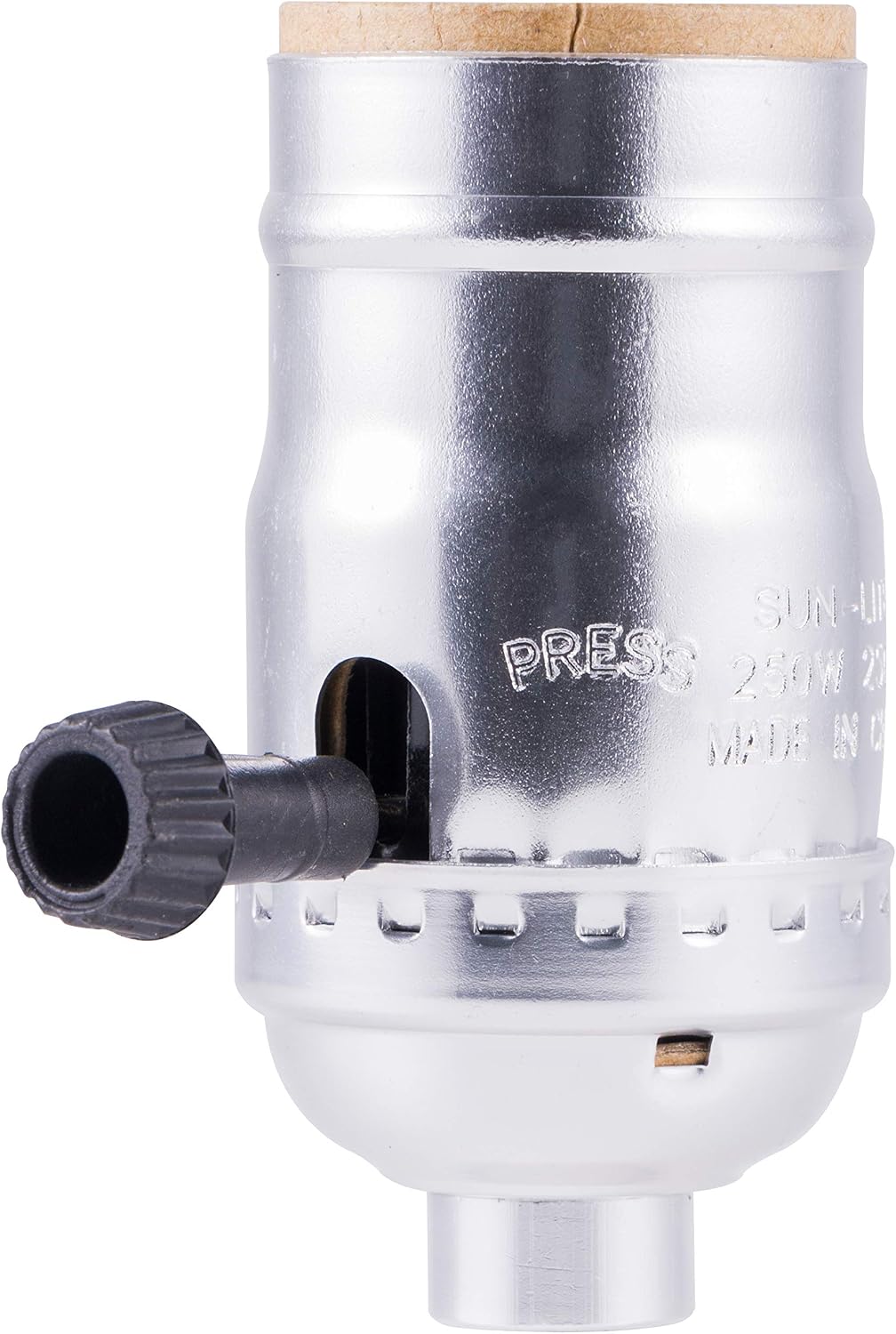


Pass & Seymour
Legrand - Pass & Seymour 276WHCC18 Phenolic Keyless Lamp Holder, Easy Installation, Code Compliant, White
See current price

Leviton
Leviton 8829-CW1 One-Piece Urea Outlet Box Mount, Incandescent Lampholder, White
See current price


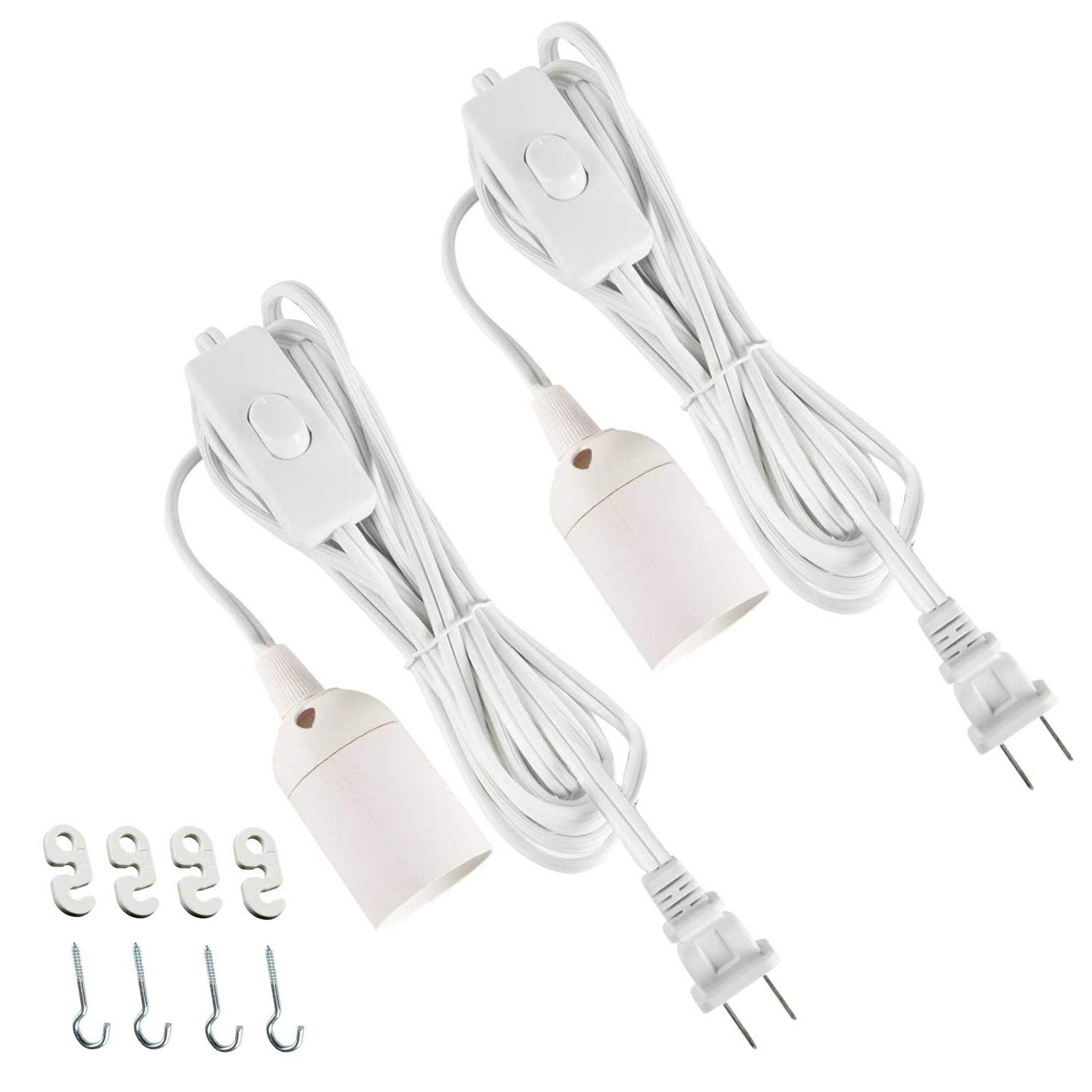


Popular brands in Light Sockets
Light sockets are the connection point between a light fixture and its bulb, so choosing the right replacement starts with compatibility. A socket that looks similar may still have a different base, terminal arrangement, mounting style, or electrical rating.
Use the product listings to compare specifications and features before selecting a socket for a repair, restoration, lamp project, or new fixture. Always turn off power at the circuit before working on electrical components, and consult a qualified electrician when the wiring or installation is uncertain.
How to choose a light socket
Start by identifying the bulb and fixture requirements. The socket must accept the bulb’s base type and be suitable for the fixture’s electrical system. If replacing an existing socket, photograph or note the original connections and mounting arrangement before removal.
Consider these factors:
- Bulb base compatibility: Match the socket to the bulb base used by the fixture. Similar-looking bases are not necessarily interchangeable.
- Socket style: Keyless, pull-chain, push-through, and other configurations serve different fixture designs and control methods.
- Wiring method: Check whether the socket uses screw terminals, lead wires, or another connection style that fits the existing installation.
- Mounting arrangement: Threaded bodies, bracket mounts, and other attachment methods may be intended for specific lamps or fixtures.
- Electrical specifications: Compare the listed voltage, current, and maximum bulb requirements with the fixture and intended bulb.
- Environment: A socket for a dry indoor lamp may not be suitable for a damp location or an enclosed fixture unless the product specifications say it is.
Common light socket types
Light sockets vary by bulb compatibility, control method, and installation design. Keyless sockets are often considered for fixtures controlled by a wall switch, while pull-chain or similar integrated-control designs can suit lamps that need a local on-and-off control.
Socket adapters can change the type of bulb a fixture accepts, but they add another connection point and may affect clearance, heat management, or the fixture’s electrical limits. Check the adapter’s compatibility and use it only where the fixture provides enough space.
For projects involving a complete lighting assembly, related electrical components may also be useful. Compare Switches & Dimmers when the control mechanism is part of the project, or browse Cords, Adapters & Multi-Outlets for connection accessories.
Features and specifications to compare
The socket’s construction can matter as much as its bulb compatibility. Ceramic and thermoplastic designs may be suited to different fixture builds and heat conditions, while metal components can affect appearance, grounding, and installation requirements. Do not assume a material is appropriate for every application; follow the manufacturer’s listed use and ratings.
Also compare:
- Terminal access and whether the connection points are clearly identified
- Included mounting hardware, rings, brackets, or wire leads
- Socket dimensions and the available clearance inside the fixture
- Finish and shape when the socket is visible as part of the fixture
- Compatibility with LED, incandescent, or other listed bulb types
- Dimming compatibility when the fixture uses a dimmer
- Grounding provisions and instructions for the specific installation
A bulb can be within the socket’s base range but still be unsuitable because of heat, wattage, enclosure, or dimming limitations. Check the bulb and fixture requirements together rather than evaluating the socket in isolation.
Brands represented in the catalog
The Light Sockets catalog includes products from DiCUNO, Leviton, JACKYLED, Creative Hobbies, EMNOOTI, Milton, Simba Lighting, DEWENWILS, New orange heart, CliCli, Benavis, and Westinghouse. These brands may offer different socket formats, materials, connection methods, and intended uses, so compare the specifications of individual listings instead of choosing by brand name alone.
Installation and safety considerations
Before starting, switch off the relevant circuit and verify that the fixture is not energized with an appropriate electrical tester. Disconnecting power at a wall switch alone may not be sufficient. Follow the product instructions for wire placement, terminal tightening, grounding, and mounting.
Avoid forcing a bulb into a socket or using a bulb that exceeds the socket or fixture’s stated limits. Inspect older wiring for brittle insulation, loose connections, discoloration, or heat damage. If the socket is part of a ceiling fixture, a permanently wired installation, or a damp-area fixture, professional installation may be the safer choice.
For complementary electrical hardware, Wall Plates & Accessories and Outlets & Accessories cover adjacent parts of a home electrical project. Testers can help with verification, but a tester does not replace safe work practices or professional electrical advice.
Frequently asked questions
How do I know which light socket fits my bulb?
Identify the bulb’s base style and compare it with the socket’s listed compatibility. Also confirm the bulb type, electrical requirements, and available space in the fixture.
Can a light socket be used with an LED bulb?
Some sockets are compatible with LED bulbs, but the complete fixture must also allow the bulb’s size, heat conditions, and electrical requirements. Check the socket and bulb specifications.
Are light socket adapters suitable for every fixture?
No. An adapter must match both the original socket and the replacement bulb, while also fitting within the fixture and staying within its electrical limits.
Should I replace the socket or the whole fixture?
A socket replacement may be appropriate when the fixture is otherwise sound and the wiring and mounting structure are in good condition. Extensive damage or uncertain wiring may call for fixture replacement or professional assessment.
Can I install a socket myself?
Some replacements are straightforward for people experienced with electrical work, but power must be disconnected and the instructions followed carefully. Contact a qualified electrician if wiring, grounding, or circuit identification is unclear.