
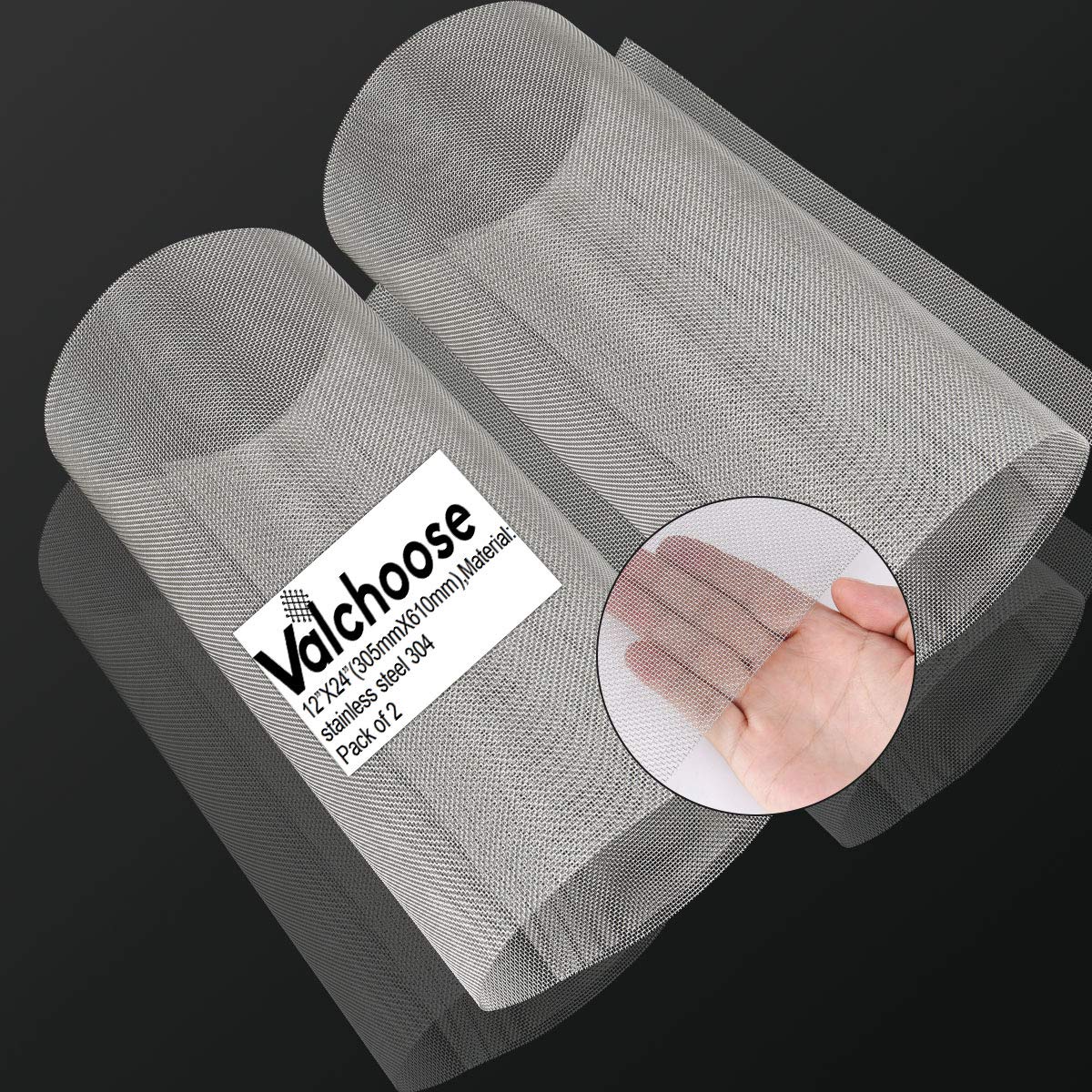
Mesh & Wire Cloth for Industrial Applications
Compare mesh and wire cloth by material, opening size, wire diameter, weave, and format. K-Catalog helps you review specifications for screening, filtration, guarding, crafts, and industrial projects.
25 products in catalog
25 results
Filters

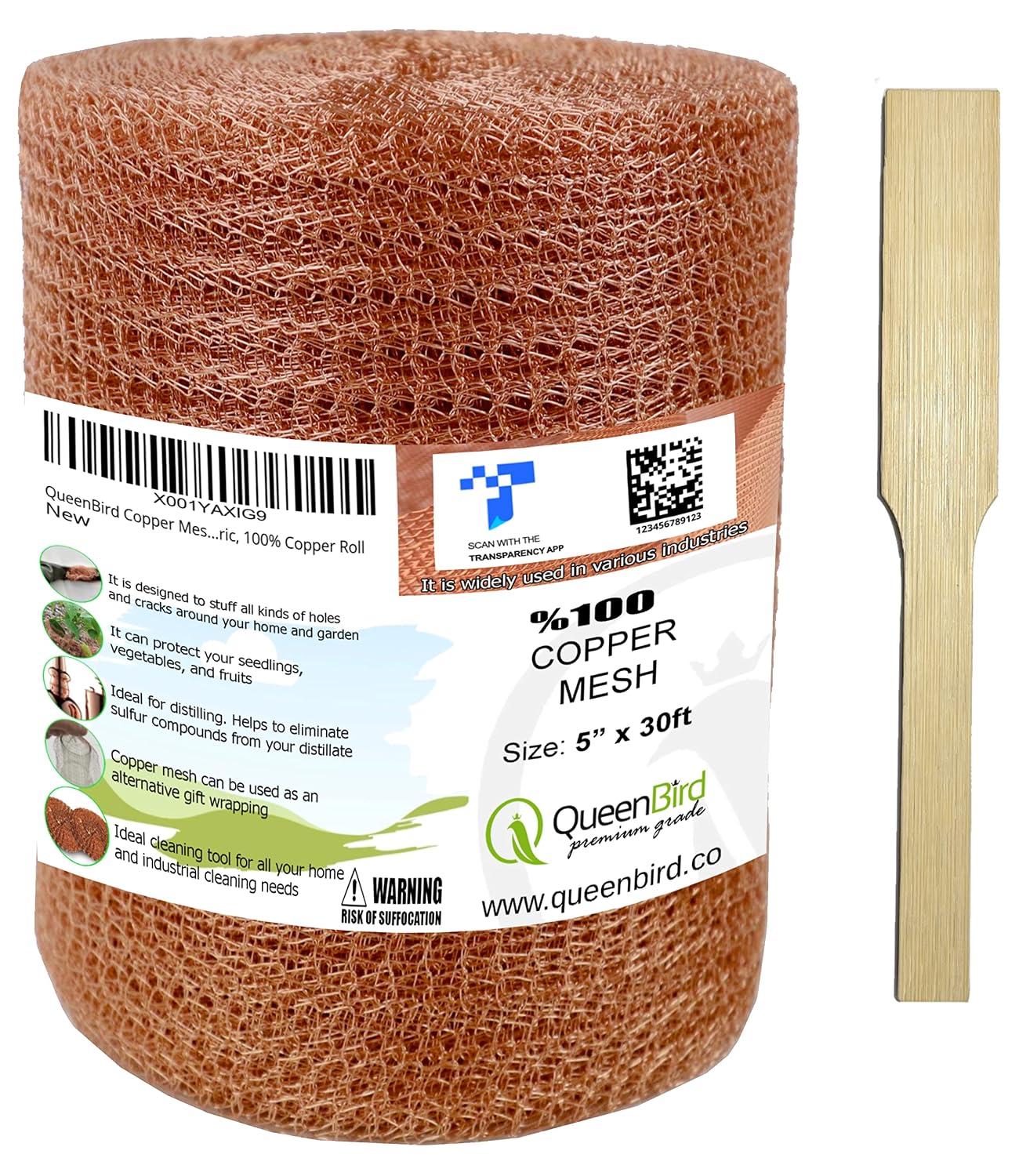


TIMESETL
TIMESETL 304 Stainless Steel Woven Wire 80 Mesh - 12"X 40" Filter Screen Sheet Filtration Cloth
See current price

Fencer Wire
Fencer Wire 23 Gauge Galvanized Hardware Cloth with Mesh Size 1/4" x 1/4" (2 ft. x 50 ft.)
See current price
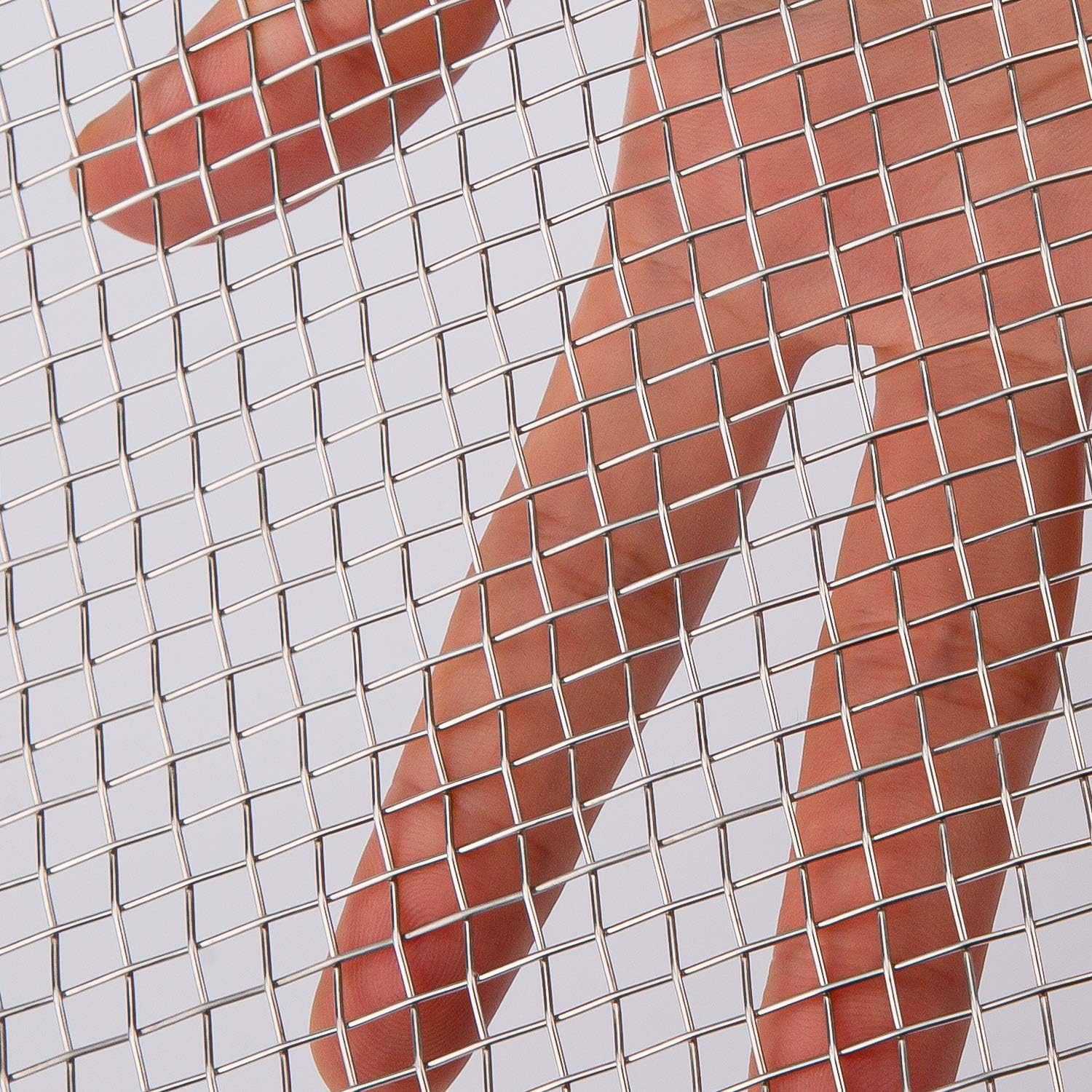


Fencer Wire
Fencer Wire 16 Gauge Green Vinyl Coated Welded Wire Mesh Size 2 inch X 3 inch
See current price


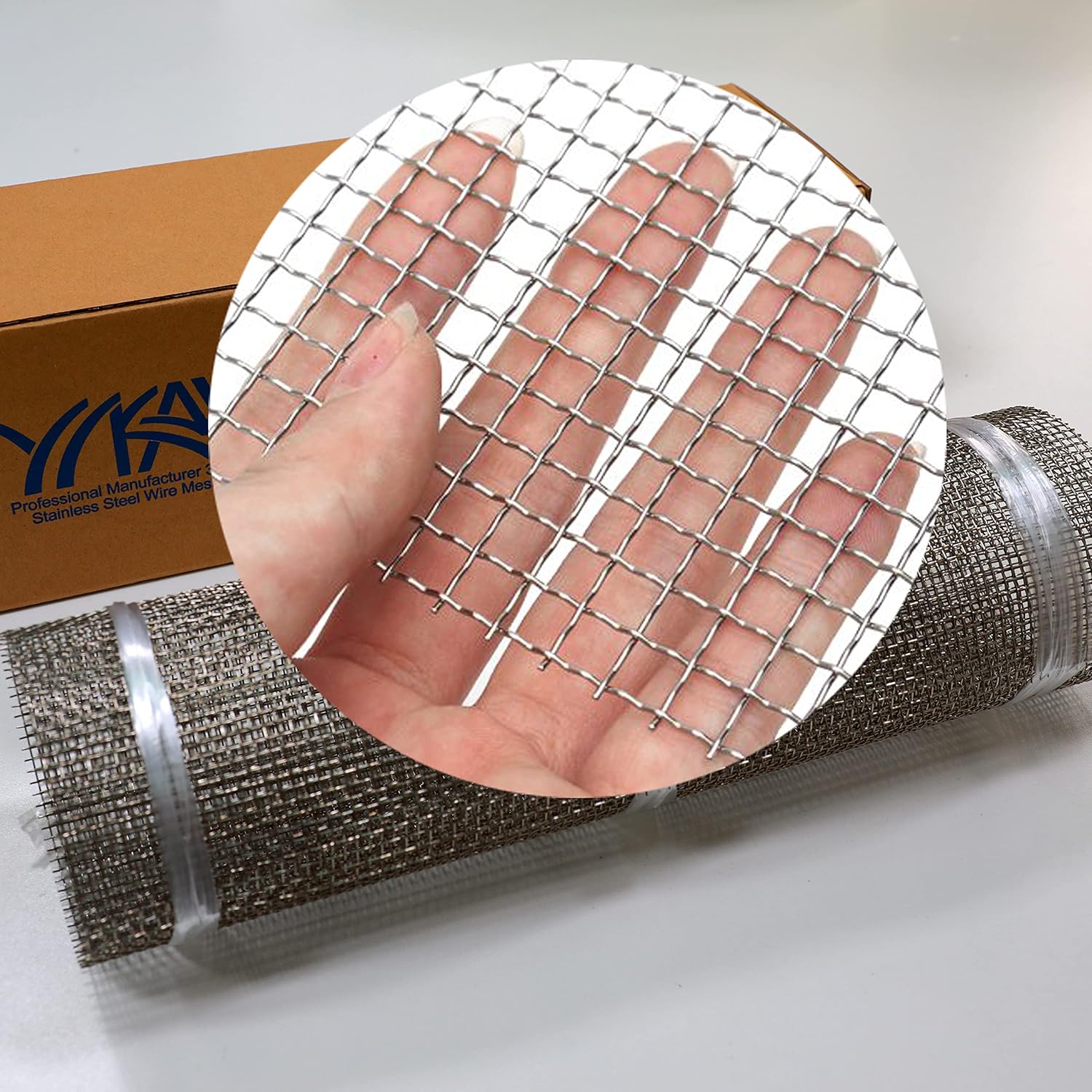
yikai
Woven Wire # 5 Mesh 12"X 24" 30cm X60cm x4.5mm Heavy Stainless Steel 304L 74% Open Area
See current price
Popular brands in Mesh & Wire Cloth
Mesh and wire cloth are versatile raw materials used for screening, separating, filtering, reinforcing, protecting, and enclosing. The right product depends on the size of material that must pass through, the environment it will face, and how the cloth will be cut, shaped, or installed.
Use the catalog to compare listed specifications rather than choosing by appearance alone. For adjacent material options, browse Raw Materials or compare mesh with Metals & Alloys, Plastics, and other industrial materials.
How to choose mesh and wire cloth
Start with the job the material needs to perform. Screening and filtration applications usually require close attention to the opening size and consistency of the pattern. Guarding, fencing, ventilation, and separation projects may place greater emphasis on strength, rigidity, roll or sheet format, and ease of installation.
Consider these questions before comparing listings:
- What size particles, objects, or openings must pass through?
- Will the cloth be exposed to moisture, chemicals, heat, abrasion, or outdoor conditions?
- Does the project need a flexible roll, a cut piece, or a more rigid panel?
- Will the material be fastened, framed, folded, trimmed, or used as a replacement?
- Are the listed dimensions compatible with the available space and tools?
Common mesh and wire cloth types
Listings in this category may differ by construction and intended use. Woven wire cloth is made by interlacing wires into a regular pattern and is commonly considered when a consistent opening is important. The weave can affect flexibility, surface texture, and how the cloth responds to handling.
Welded wire mesh uses intersecting wires joined at their crossings. It is often chosen when a more rigid grid is useful for barriers, supports, cages, frames, or general fabrication. Expanded metal is formed from a sheet rather than separate woven wires, creating openings while retaining connected strands; it may be worth comparing when rigidity and airflow are priorities.
Screening fabrics and fine mesh products can serve different purposes from heavier protective or structural mesh. Always confirm the product description, dimensions, and construction before assuming that two products with a similar appearance are interchangeable.
Specifications that matter most
The most useful specifications vary by application, but these are the main points to compare:
- Opening size: Indicates the approximate space available for particles, air, or liquid to pass through. Smaller openings generally provide finer screening, while larger openings favor flow and visibility.
- Mesh count: Describes the number of openings across a defined distance. It should be reviewed together with wire diameter because the same mesh count can produce different openings when the wire thickness changes.
- Wire diameter or thickness: Affects strength, stiffness, weight, and the usable opening. Confirm whether the listing gives wire diameter, sheet thickness, or another measurement.
- Material: Stainless steel, galvanized steel, aluminum, and other materials can differ in corrosion resistance, weight, conductivity, and workability. Match the material to the operating environment.
- Weave or grid pattern: Plain, twill, welded, expanded, and other constructions can change flexibility, durability, and surface characteristics.
- Dimensions and format: Check width, length, sheet size, roll format, and whether the item is supplied as a continuous piece or a cut section.
- Finish: Coatings or surface treatments may affect outdoor durability, appearance, handling, and compatibility with the surrounding materials.
Brands represented in the catalog
The catalog includes mesh and wire cloth listings from TIMESETL, REMOPEST, Fencer Wire, yikai, SATINIOR, SOTEE, Fermfast, Z&H LIFESTYLE, AIEX, ELAFROS, SZONEE, and Inoxia. These brands provide additional listings to compare, but the technical specifications for the individual product should guide the selection.
Fit, handling, and project tips
Measure the installation area before selecting a roll or sheet, allowing for overlaps, bends, folds, or attachment points where needed. If the cloth will be trimmed, check whether the material and wire thickness are suitable for the available cutters or fabrication equipment. Cut edges can be sharp, so use appropriate gloves and eye protection during handling.
For outdoor or damp applications, pay particular attention to the base material and finish rather than relying only on a coated appearance. In filtration or screening work, compare the opening size with the actual particle size and consider whether clogging, cleaning, or replacement will be part of normal use. Projects requiring a nonmetallic or flexible material may also be better suited to Rubber or Laminates & Composites. For precise spacing or leveling, see Shims & Shim Stock.
Frequently asked questions
What is the difference between mesh count and opening size?
Mesh count refers to the number of openings across a specified distance, while opening size describes the space within each opening. Wire diameter affects the relationship between the two, so compare both specifications.
Is woven wire cloth the same as welded wire mesh?
No. Woven cloth interlaces wires, while welded mesh joins wires at their intersections. Woven products may offer a different balance of flexibility and fine screening; welded products are often considered for rigid grids and barriers.
Which material is best for outdoor use?
The appropriate material depends on moisture, corrosion exposure, temperature, and required strength. Review the listed material and finish, and match them to the environment rather than assuming one option suits every outdoor project.
How do I select the right mesh size for screening?
Begin with the particle or object size that must pass through, then compare the listed opening size. Also consider clogging, required flow, wire strength, and whether the material must be cleaned or replaced.
Can mesh and wire cloth be cut to fit?
Many products can be trimmed, but the suitable tool depends on wire diameter, material, construction, and thickness. Confirm the product details and use eye and hand protection when cutting or handling edges.
What other raw materials should I compare?
Depending on the application, Metals & Alloys, Plastics, Wood, or other Laminates & Composites may provide a better fit.