
Nelson Wood Shims
Nelson Wood Shims 8" 12 Pack - Kiln Dried Wood - Set of 2 (Total 24 Shims)
See current price

Compare wood raw materials by form, dimensions, material characteristics, and intended use. K-Catalog helps you review specifications and features before visiting Amazon.
14 products in catalog
14 results
Nelson Wood Shims
See current price


Maragos Wood
See current price


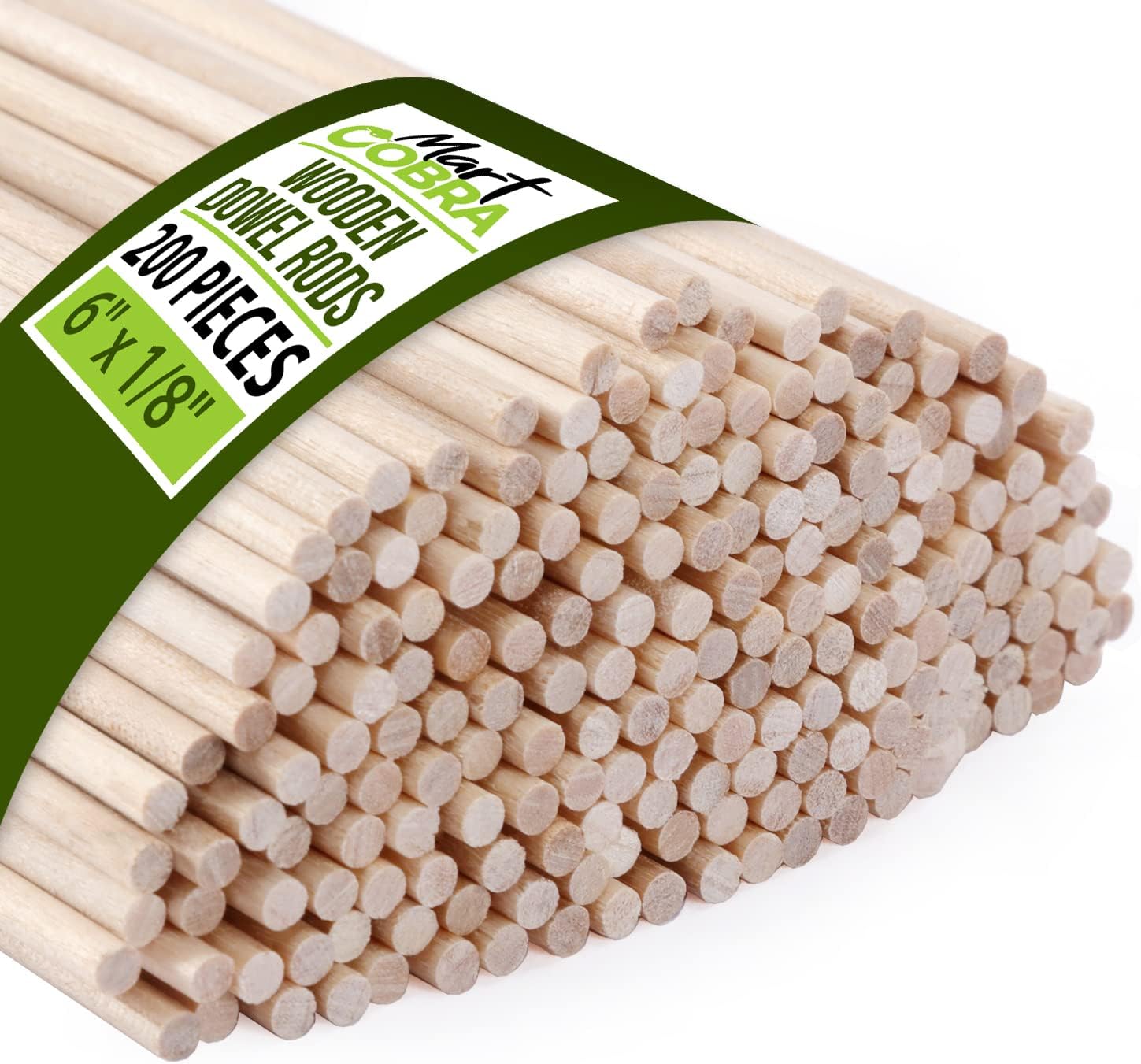


Axe Sickle
See current price
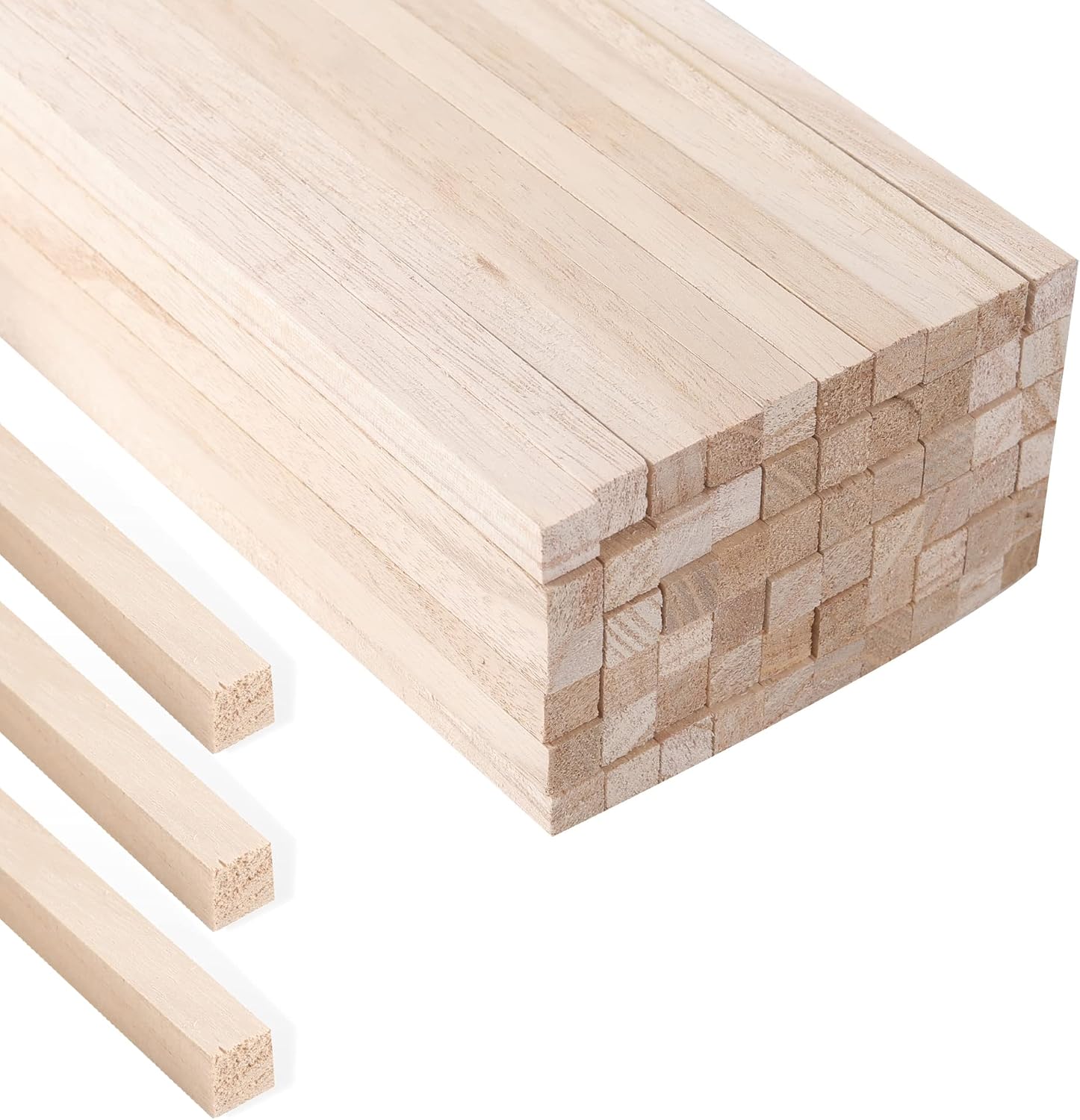
Wood is used across manufacturing, fabrication, maintenance, packaging, crafts, and general shop work. The right material depends on whether you need a spacer, support, dowel, stick, shim, or another prepared wood component, as well as how accurately it must fit and how it will be used.
This K-Catalog category is part of Raw Materials, where shoppers can compare wood listings alongside other industrial material options. Focus on the product’s stated dimensions, wood type, surface condition, and application rather than choosing by appearance alone.
Start by defining the job and the form of wood required. A thin shim may be intended for leveling or spacing, while a dowel or stick may be better suited to alignment, joining, reinforcement, or project construction. If the material will be cut, drilled, glued, painted, or exposed to changing conditions, those requirements should guide the selection.
Consider these questions before comparing listings:
The product description should clarify the intended use and supplied form. If those details are not clear, compare another listing rather than assuming that similar-looking wood products are interchangeable.
Wood raw materials can vary substantially in shape and preparation. Shims are useful when gradual adjustment, leveling, or gap filling is needed. Dowels are generally considered when a round or straight element is required for positioning, joining, or structural support within a project. Sticks, strips, and small prepared pieces may suit craft, display, prototyping, packaging, or light fabrication tasks.
The form affects both handling and compatibility. A flat piece may be easier to place between surfaces, while a round piece may need a matching hole or channel. Check whether edges are square, surfaces are smooth, and ends are cut or shaped as needed for the application.
Dimensions and tolerance are central to wood selection. Compare length, width, thickness, diameter, and any stated tolerance with the space available in the project. Small differences can affect fit, alignment, and the amount of trimming required.
Wood type and consistency may affect appearance, workability, strength, and finishing results. Look for the stated species or material description, along with any information about grain, hardness, uniformity, or natural variation. Natural wood may not have identical color or grain throughout every piece.
Surface and edge condition matter when the component will remain visible or needs to slide into place. A smooth surface may reduce preparation, while a rough or unfinished surface may be acceptable when the material will be cut, covered, or used as an internal component.
Also check the supplied quantity, packaging method, and whether the listing describes individual pieces or a grouped set. Confirm that the form, dimensions, and intended application match your project before selecting a product.
The catalog includes wood-related listings associated with StesoSHOP, Wilton, Nelson Wood Shims, Woodpeckers, Mart Cobra, Calvana, Teacher Created Resources, Axe Sickle, Maragos Wood, Steso Dowels, and Perfect Stix. These brands are presented as catalog options rather than recommendations. Compare each listing’s specifications, material description, dimensions, and stated use independently.
Brand familiarity can help narrow a search, but it should not replace checking the actual product details. Products from the same brand may be designed for different tasks, sizes, or levels of preparation.
Measure the mating surfaces or openings before ordering, and allow for any adhesive, coating, or finishing process that could change the final fit. For assemblies, verify that the wood’s shape works with the corresponding hole, slot, groove, or spacer location.
Store wood flat or in a supported position when practical, protected from unnecessary moisture and large environmental changes. Keep pieces clean and dry before gluing, painting, or finishing. If cutting or drilling is required, use appropriate eye protection and secure the material so it cannot shift.
When the application involves load-bearing, safety-critical, or regulated construction, follow the project’s engineering requirements and use materials specified for that purpose. A general wood listing should not automatically be treated as a structural-grade component.
Wood may be the right choice when easy machining, a natural appearance, or a lightweight prepared component is important. For other performance requirements, compare Metals & Alloys, Plastics, and Rubber. Projects involving open reinforcement or filtration may call for Mesh & Wire Cloth, while layered sheet materials can be compared in Laminates & Composites. For precise spacing and adjustment, also consider Shims & Shim Stock.
Start with the required form and dimensions, then check the wood description, surface condition, intended use, and any stated tolerance or preparation requirements.
No. They have different shapes and are typically selected for different fit, spacing, alignment, or joining tasks. Match the product form to the design.
It can affect appearance, workability, hardness, consistency, and finishing results. Review the stated species or material description when those characteristics are important.
Many unfinished wood components can be prepared and finished, but the result depends on the surface condition and the coating system. Check the listing and follow the finish manufacturer’s preparation guidance.
Measure the opening, gap, mating surface, or available space and compare those measurements with the listing’s dimensions. Account for any trimming, adhesive, or coating that may affect the final fit.