
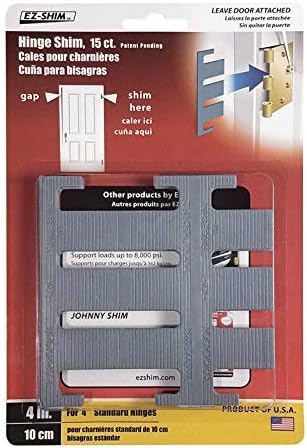
Shims & Shim Stock Buying Guide
Compare shims and shim stock by material, thickness, dimensions, and intended use. This guide highlights the specifications that matter when selecting materials for alignment, spacing, leveling, and adjustment.
12 products in catalog
12 results
Filters
Availability
Price

Nelson Wood Shims
Nelson Wood Shims - DIY Bundle Wood Shims 8-Inch Shims, High Performance Natural Wood, 100% Kiln Dried - 1 Pack (12 Shims Total)
See current price


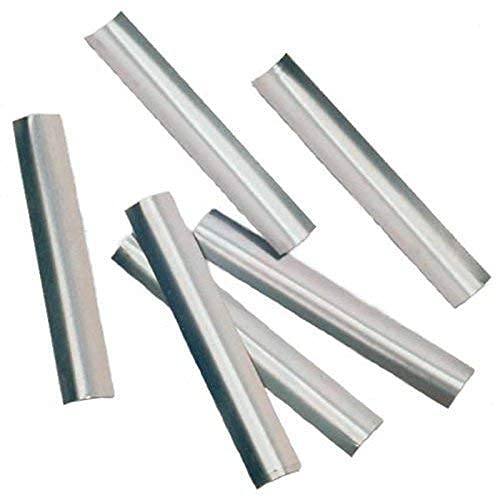

Nelson Wood Shims
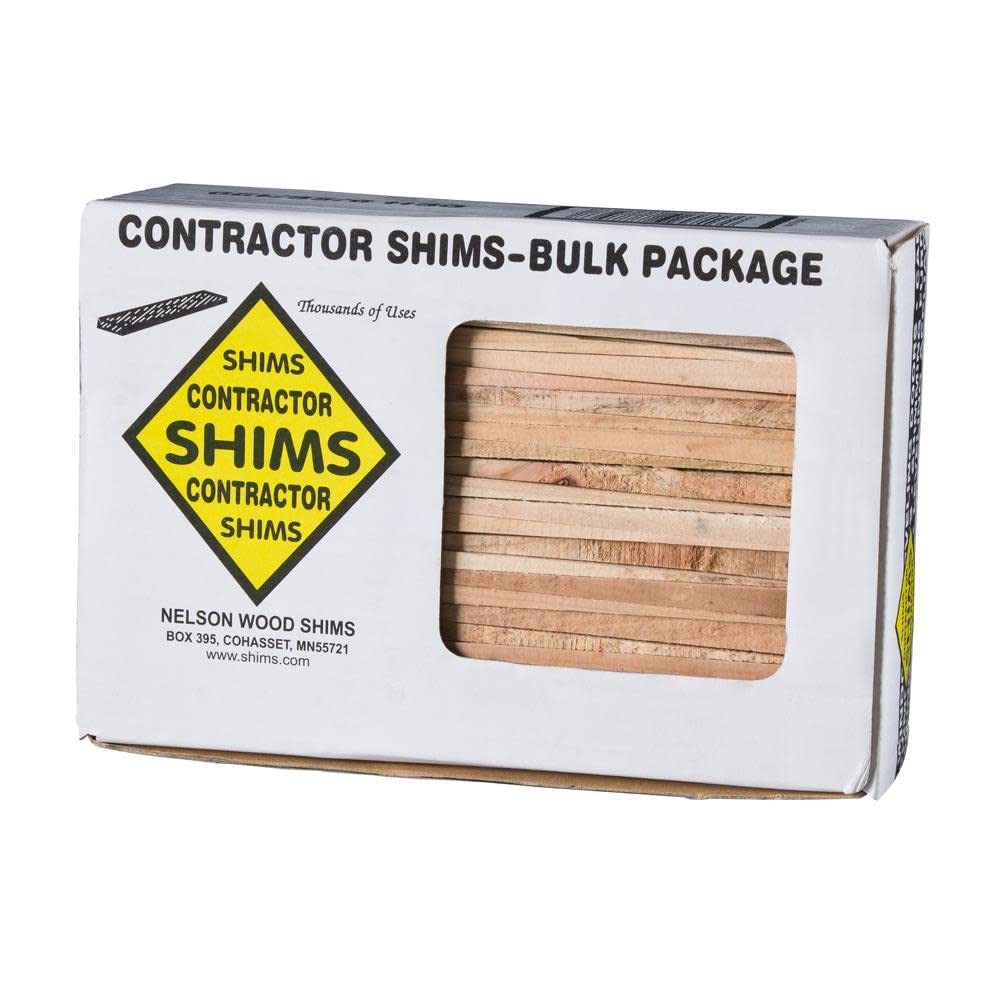
Nelson Wood Shims - Pro-Pack 8" 120-Pk, High Performance, Natural Wood, Bulk Pack, 100% Kiln Dried
See current price


Popular brands in Shims & Shim Stock
Shims and shim stock are thin materials used to create precise spacing, compensate for gaps, support components, or fine-tune alignment. The right choice depends on the material, required thickness, available space, environmental conditions, and whether the shim must be trimmed or shaped.
This K-Catalog category brings together products for shoppers comparing raw-material options. Use the available specifications and features to narrow the selection, then check the current product details on Amazon before buying.
How to choose shims and shim stock
Start by defining the adjustment the shim needs to make. A shim for leveling a stationary component may have different requirements from shim stock used to make a custom spacer or fit around an assembly.
Consider these factors:
- Material: Choose a material that suits the load, temperature, moisture exposure, chemicals, and surrounding components.
- Thickness: Confirm the shim thickness or thickness range needed for the gap. Small differences can affect fit and alignment.
- Dimensions: Check the overall sheet, strip, or piece size and make sure it can cover the contact area or be cut to shape.
- Form: Decide whether ready-to-use pieces, sheets, strips, rolls, or a customizable stock format is most convenient.
- Workability: If the material must be cut, punched, drilled, or trimmed, verify that its specifications match the tools and process available.
- Surface and finish: A smooth, clean surface may be important where the shim contacts precision parts or must slide into position.
Common material options
Shims can be made from metals, plastics, rubber, wood, laminates, and other engineered materials. Material choice affects stiffness, compressibility, durability, insulation, and resistance to the surrounding environment.
For rigid, load-bearing, or temperature-sensitive applications, shoppers may want to compare options in Metals & Alloys. Where electrical isolation, low weight, or resistance to moisture is more important, Plastics may be relevant. Flexible or conformable gaps may call for products related to Rubber, though the required compression and recovery characteristics should be checked carefully.
Wood shims can be useful for certain building, installation, and leveling tasks. Compare them with the options in Wood when a natural, easy-to-trim material is suitable. For specialized sheet structures, Laminates & Composites may provide another category to review.
Key specifications to compare
Product listings may vary considerably in how they describe size and construction. Read the specification table closely rather than relying only on the product title.
Look for:
- Material type and any stated grade or construction
- Nominal thickness, thickness tolerance, or available thicknesses
- Length, width, diameter, or other dimensional details
- Sheet, strip, roll, washer, wedge, or pre-cut shape
- Quantity and packaging format
- Whether the product is designed for cutting or custom fabrication
- Stated resistance to heat, moisture, chemicals, corrosion, or compression
- Compatibility with the parts being joined, supported, or aligned
If the shim will be stacked, confirm that the combined thickness will remain practical and stable. For moving assemblies, check whether the selected material could shift, deform, wear, or interfere with movement.
Brands represented in the catalog
The catalog includes products associated with Nelson Wood Shims, MAXTITE, E-Z Shim, Nelson, Lab Security, HFS, Stock Your Home, and Troxell USA. These brands may offer different material formats, dimensions, and intended uses, so compare the individual specifications rather than choosing by brand name alone.
For broader raw-material research, browse the Raw Materials category. If the application involves screening, reinforcement, or open mesh components, Mesh & Wire Cloth may also be worth comparing.
Practical selection and handling tips
Measure the gap and contact area before selecting a shim. If the gap varies, identify the smallest and largest points so the shim can provide consistent support without forcing components out of alignment.
Keep the contact surfaces clean and free of burrs, debris, and excess coating. A shim that is bent, contaminated, or larger than the supported area may not sit flat. When cutting stock, leave enough material to maintain full contact while avoiding interference with fasteners, moving parts, or nearby edges.
Review the product’s stated application limits before using it in a high-temperature, wet, corrosive, electrically sensitive, or heavily loaded environment. Compatibility also matters when the shim touches painted, coated, soft, or chemically reactive surfaces.
Frequently asked questions
What is the difference between a shim and shim stock?
A shim is often a ready-to-use piece made for spacing, leveling, or alignment. Shim stock is generally supplied in a form that can be cut or shaped for a particular gap or assembly.
How do I choose the correct shim thickness?
Measure the gap and consider the final alignment, compression, and clearance required. Compare the measurement with the listed thickness and any stated tolerance rather than selecting by appearance alone.
Which shim material should I use?
Choose based on load, temperature, moisture, chemical exposure, flexibility, insulation needs, and whether the material must be cut. The surrounding components and installation method are also important.
Can shim stock be cut to size?
Some shim stock is intended to be trimmed or fabricated, but the appropriate method depends on the material and thickness. Check the product specifications and use a process that leaves clean, flat edges.
Can shims be stacked?
Some applications can use multiple shims, but stacking may affect stability, compression, and alignment. Confirm that the combined thickness and arrangement are suitable for the assembly.